

CNI News
30 June 2026
Following the amendment of the 43 points agreed upon between the National Solidarity and Peacemaking Negotiation Committee (NSPNC) and political parties to amend the 2008 Constitution, new self-administered zones could emerge, Dr. Aye Maung, Chairman of the Arakan Front Party (AFP), told CNI News.
Political analysts point out that the emergence of new self-administered zones largely depends on the coordination between the government and parliament, as well as the efforts of the NSPNC regarding how much of the constitution can be successfully amended.
Dr. Aye Maung, who is also the Chairman of the Arakan Front Party (AFP), further explained to CNI News that peace conferences could emerge parallel to the period when the 43 agreed constitutional amendment points are presented and debated in parliament, leading to the addition of new self-administered zones.
"What I mean is, this won't be as easy as the Nyaung Hnapin Convention was for the 2008 Constitution. Amending, adding, or repealing sections within the existing 2008 Constitution framework is quite tight and difficult. After the agreed 43 points are submitted to parliament, there will be a parallel process by the NSPNC on how to move forward with peace. A grand conference might emerge, and bodies like the UPDJC could reappear. What kind of new constitutional results will come out during President U Min Aung Hlaing's tenure? A peace conference will likely materialize. Will some self-administered zones or special regions become states, or will they become non-ethnicity-based zones? Will some townships and districts from Sagaing Region and Kachin State combine to become a Shanni region? This will have to proceed strictly according to the constitution. I don't think it will be as easy to manage as the Nyaung Hnapin Convention before the 2008 Constitution. We will have to wait and see what happens," Dr. Aye Maung said.
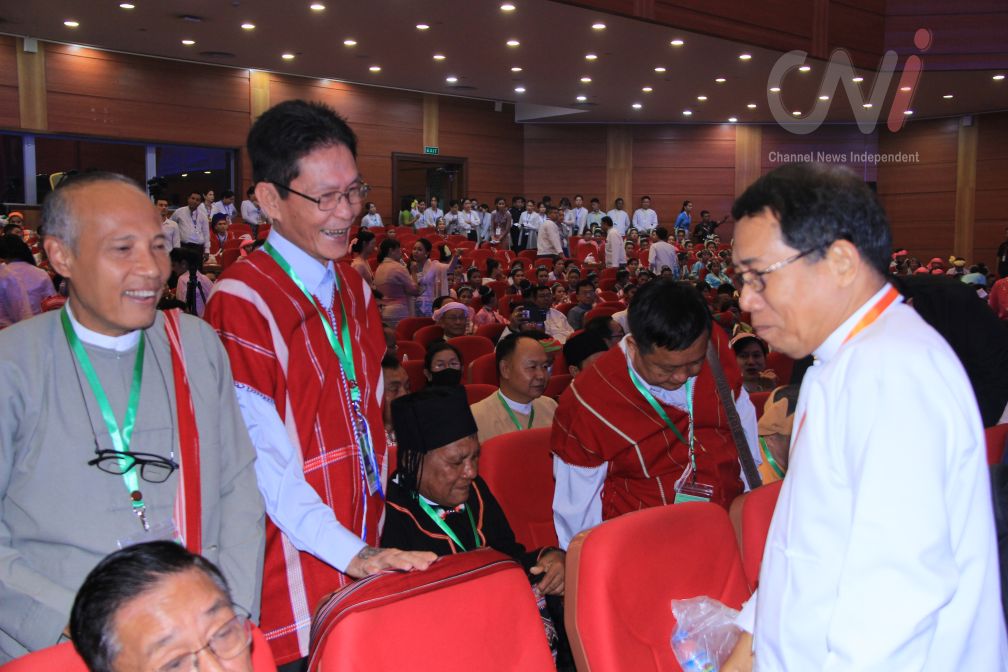
Dr. Aye Maung seen.
Currently, before retiring from his role as Commander-in-Chief of the Defense Services, President U Min Aung Hlaing stated on March 10, 2026, that the demands of ethnic armed organizations (EAOs), constitutional amendment matters, and necessary regional and national agreements would be brought back for discussion within the parliament.
However, political analyst Dr. M Kawn La told CNI News that foundational issues must be thoroughly resolved first for new self-administered zones to emerge safely. Because of this, he believes it will remain difficult for new zones to materialize within the government's current 5-year term.
"If they emerge within five years, we must welcome and accept it. Why? Because national identity requires cohesion—meaning different groups must be interconnected and bound together inseparably. If each national identity is implemented through the right methods, it will go smoothly and many political conflicts will end. However, to implement this, two approaches must be applied: a legal mechanism and an electoral process. Making changes without complete baseline data will cause chaos. This is a political reality. We need to solve the fundamental issues first. Speaking only about what we want without addressing these fundamentals is dangerous and amounts to blind incitement. I prefer moving forward after thoroughly understanding the baseline data through the right path, which is why I say it is unlikely within five years. There are still too many unresolved foundational data points," Dr. M Kawn La explained.
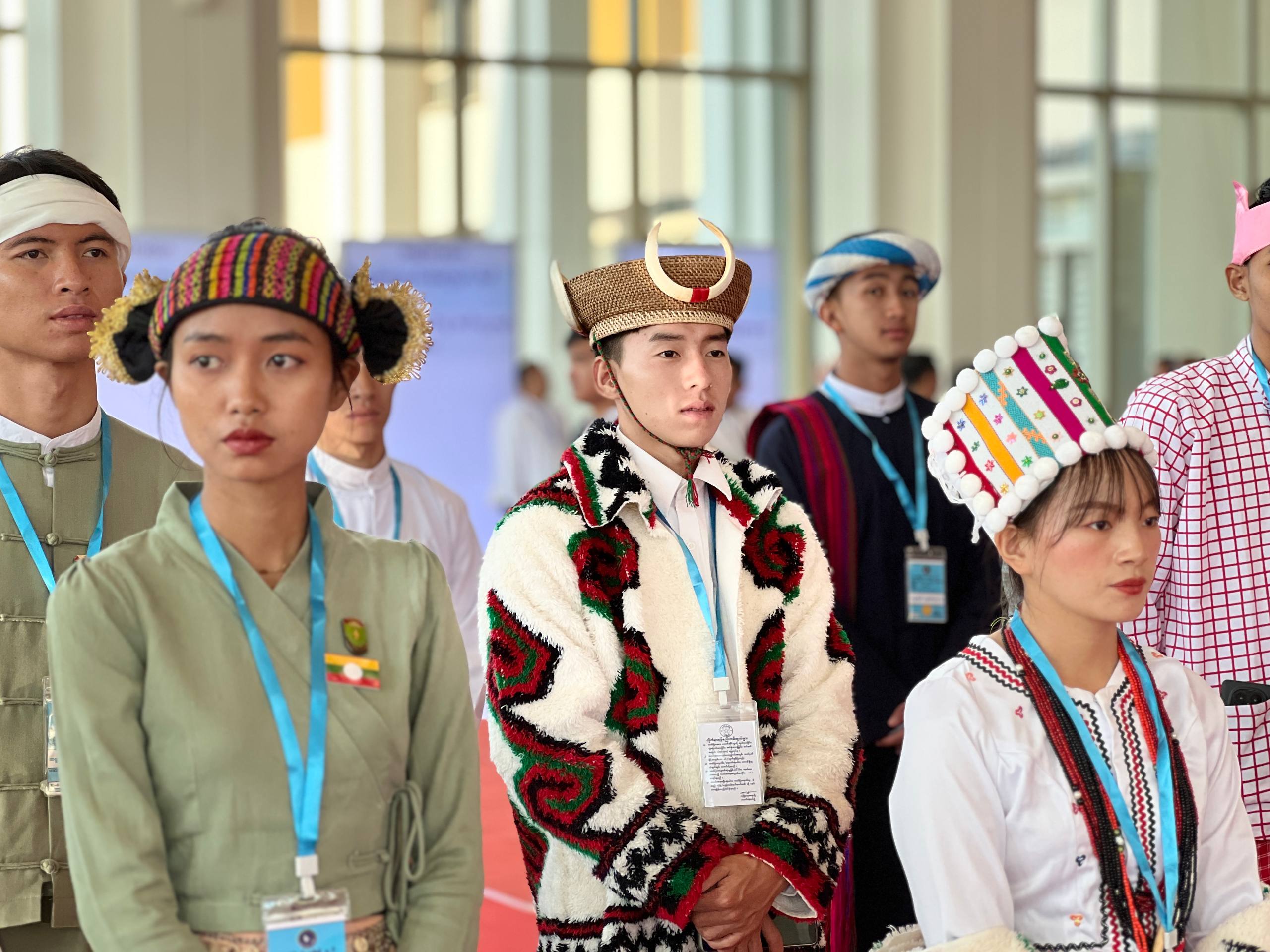
Ethnic youths seen.
Currently, various ethnic nationalities—including the **Shanni, Lahu, Lisu, and Akha**—are actively demanding the designation of their own self-administered zones or states through ongoing political dialogue.
According to political analysts, the current landscape suggests that 3 to 4 new self-administered areas could potentially emerge, with a notable likelihood of a **Shanni Self-Administered Zone** being established by combining areas in Kachin State and Sagaing Region.
Meanwhile, Myanmar President U Min Aung Hlaing stated during the Central Committee Meeting for the Implementation of Development of Border Areas and National Races on June 26, 2026, that if Ethnic Armed Organizations (EAOs) desire peace, they are welcome to join discussions, adding that the government is willing to spend whatever it takes to achieve lasting peace.