
CNI News
June 24, 2026
Military and political analysts are closely observing what kind of political shift could result from the recent dialogue held between the government's National Solidarity and Peacemaking Negotiation Committee (NSPNC) and two Shan armed groups, the SSPP and SNA.
The NSPNC held its first peace process discussion under the new government with the Shanni Nationalities Army (SNA) in Nay Pyi Taw on June 4, 2026. Following that, on June 12, the committee went on to hold a separate meeting with the Shan State Progress Party (SSPP).
While some analysts interpret these meetings with Shan armies as an attempt by the Myanmar military(Tatmadaw) to contain the KIA (Kachin Independence Army), Shanni political parties and political analysts point out that the engagement focuses strictly on local stability and securing a Shanni Self-Administered Zone.
Sai Htay Aung, Chairman of the Tai-Leng (Shanni) Nationalities Development Party, told CNI News that the discussions with the SNA covered the official recognition of the Shanni ethnicity alongside the acquisition of a Shanni Self-Administered Zone. Meanwhile, talks with the SSPP centered on regional stability, combating online scam operations (locally known as *Zha Pian*), and preventing cooperation with other armed groups. He noted that these meetings represent a promising prospect for peace.
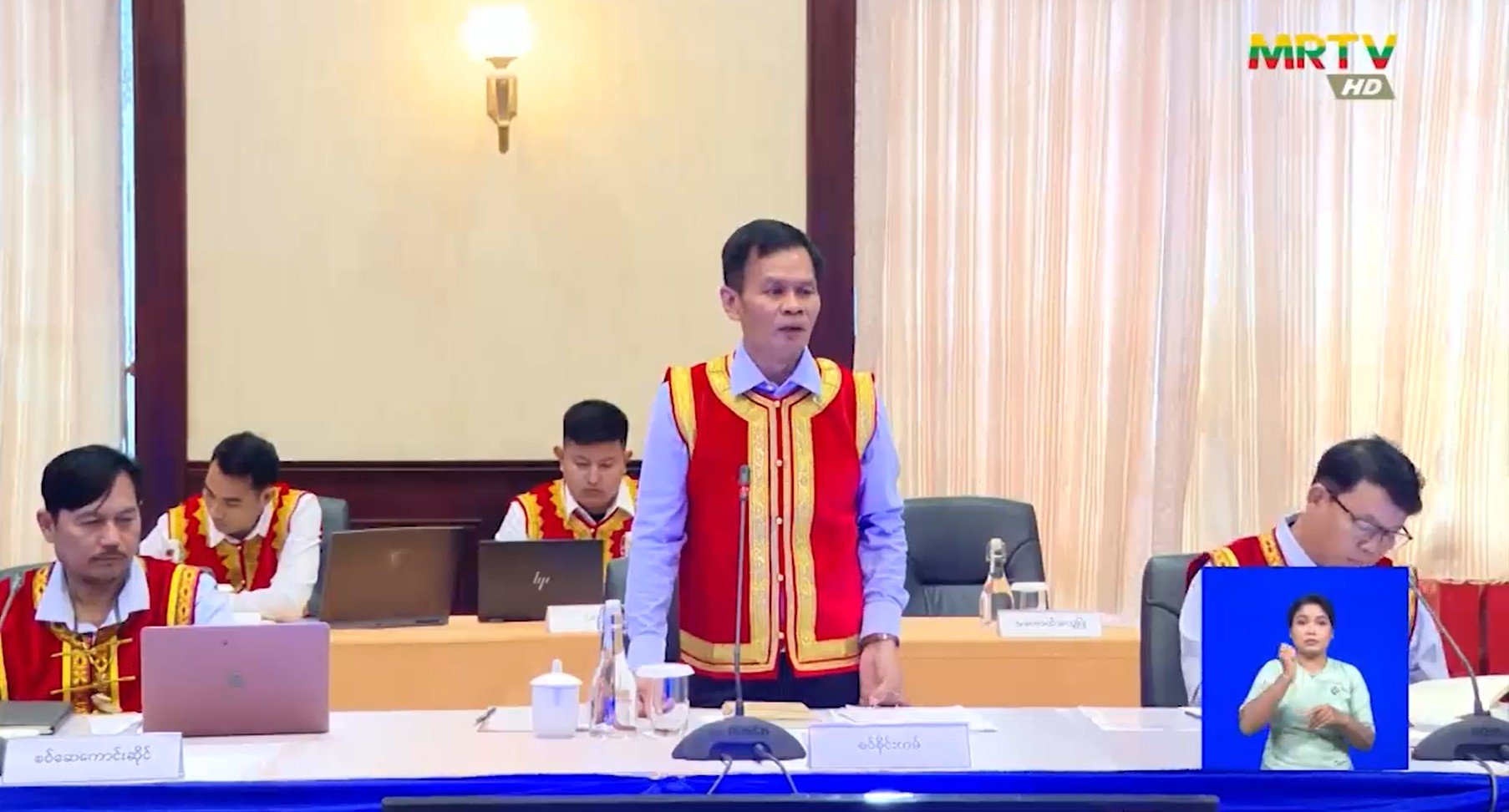
Representatives from the Shanni Nationalities Army - SNA
"Regarding the meeting with the SNA, our analysis suggests that it will likely lead toward achieving a self-administered zone. As for entering the NCA (Nationwide Ceasefire Agreement) stage, it is more likely they won't accept it. In the case of the SSPP, the focus was visibly placed on regional stability—addressing online scams and urging them not to partner with other armed organizations. The SSPP responded that conflicts should be resolved through peaceful means rather than fighting, which is positive for peace.
However, we didn't see any discussions regarding the ethnic national rights agenda during the talks with the SSPP, so we can't tell exactly what course the state intends to chart. Since the primary focus was on peace, it's fair to say it bodes well for the region. The situations for the SNA and SSPP are different. The SNA stands as a national army for the Shanni people. Since the name 'Shanni' is not yet officially recognized by the state, the first step is to secure that official status. Once officially recognized, I believe the state might well consider granting them a self-administered zone," he said.
Khun Tu, a resident of Myitkyina in Kachin State, told CNI News that the Shanni Self-Administered Zone currently demanded by the SNA and Shanni civilians is historically a Shanni region, making the demand fully justified. He explained that the SNA is pursuing official government recognition because Shanni communities are currently facing oppression and bullying by the KIA.
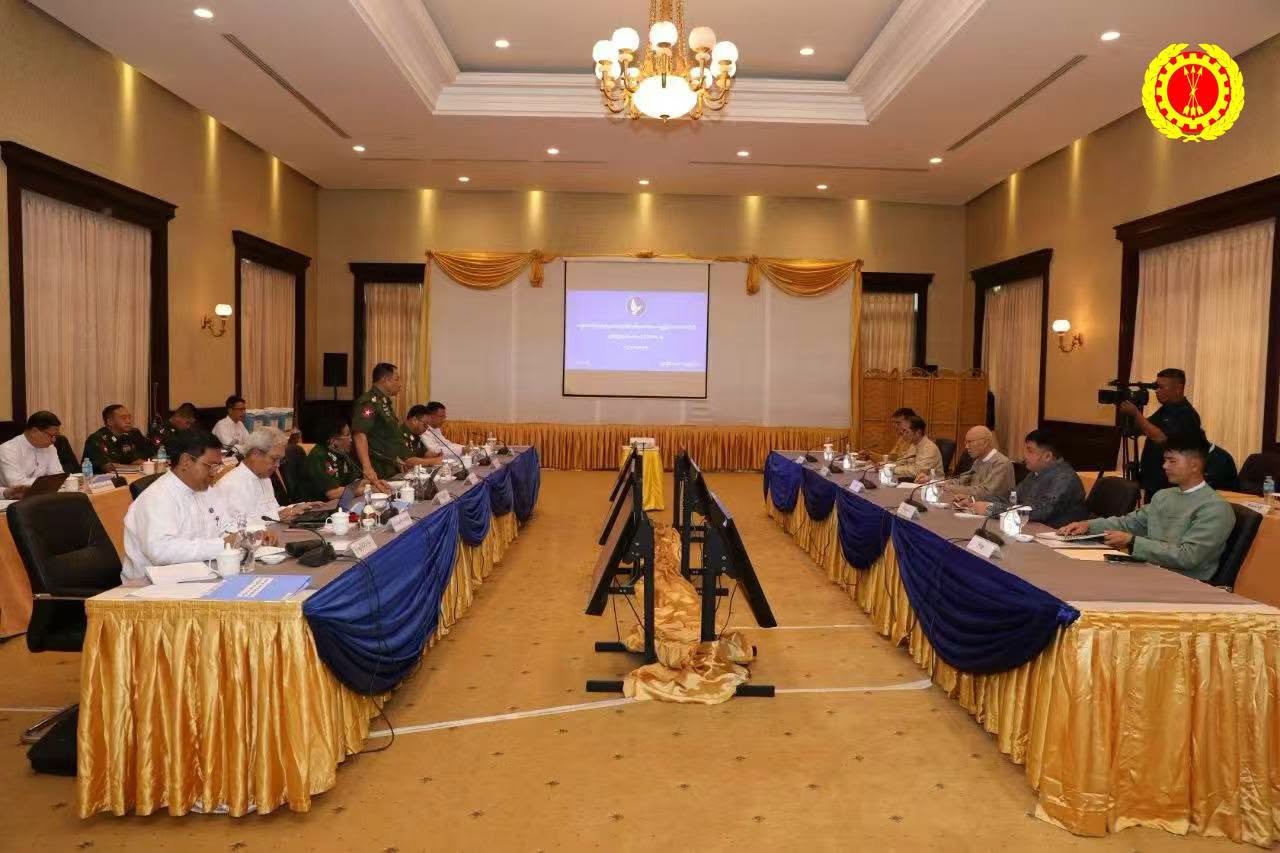
The meeting between SSPP and NSPNC
"This development has nothing to do with the KIA. The SNA operates on its own path and convictions, aiming to secure autonomy and statehood. While people say the KIA is bullying us, historically speaking, the territories we are claiming are indeed Shanni lands. To this day, the names of towns, villages, creeks, canals, forests, and mountains are entirely Shan names. Because these areas were designated as Kachin State under the Panglong Agreement, we lost a great deal of our rights. Although the country gained independence, our people live like servants to the KIA, forced to pay taxes. Right now, in the Indawgyi region, they are demanding 300,000 Kyats per household and 20 baskets of paddy per acre of land. Living under such heavy taxation means we are a people stripped of our freedom. Therefore, I believe the SNA is making these demands to gain official government recognition so that we can be free. It is not connected to the KIA," he said.
Historically, the Shanni people have inhabited a vast geographic footprint across Upper Myanmar, including Homalin, Khamti, Kawlin, Wuntho, Htigyaing, Pinlebu, Indaw, Banmauk, Katha, Kalay, Tamu, Mawlaik, Phaungbyin, Mohnyin, Mogaung, Bhamo, Indawgyi, Myitkyina, Waingmaw, Sinbo, Talawgyi, Hopin, Lonekhin, Hpakant, and Momauk.
The Shanni Nationalities Army (SNA), Shanni political parties, and the Shanni public are actively striving to consolidate these areas to form either a Shanni State or a Shanni Self-Administered Zone.
Meanwhile, circles within Shan politics point out that Shan armed groups, Shan political parties, and the Shan people as a whole should build internal unity to successfully strive toward ethnic equality and the establishment of a federal union.