
CNI News
13 June 2026
As the government led by President Min Aung Hlaing implements peace processes in Myanmar, lawmakers and political analysts are weighing in on how the parliament (Hluttaw) can participate in these initiatives.
On June 10, 2026, during the fifth day of the second regular session of the third Pyithu Hluttaw (House of Representatives), the Border Areas, Ethnic Affairs, and Peace Committee was formed.
This peace committee is composed of 15 members, including U Soe Tint Naing from the Magway constituency as Chairman, and U Ye Htut Aung from the Minhla constituency as Secretary.
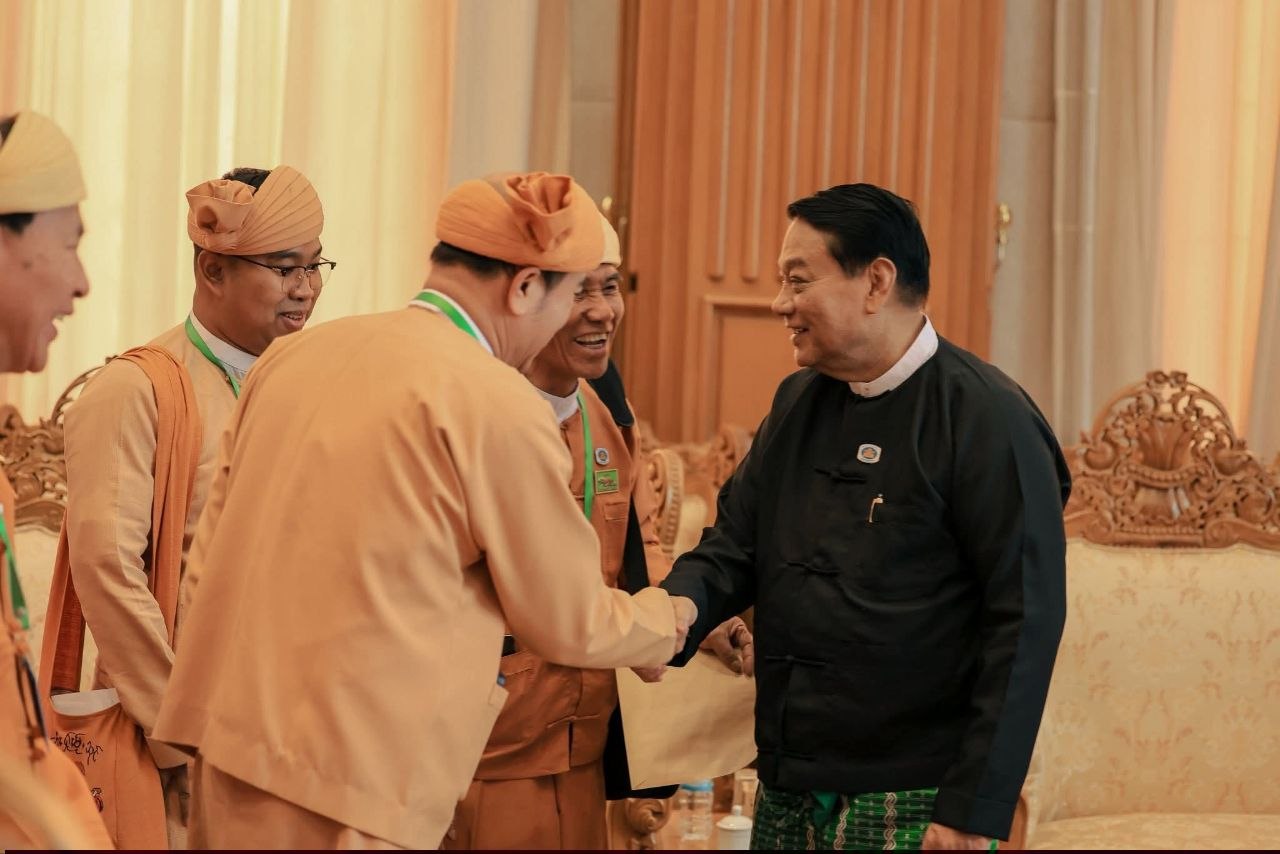
The Speaker of the Pyithu Hluttaw seen alongside MPs from the SNDP
Dr. Kyaw Swe, a Pyithu Hluttaw MP from the National Unity Party, told CNI News that the formation of the peace committee in parliament aims to constitutionally guarantee the common agreements reached at peace conferences. He noted that its role is to oversee the government’s peace initiatives rather than to directly meet and negotiate with ethnic armed organizations.
"The parliamentary track is designed to closely study and connect with peace organizations, reinforce the government's peace-building efforts, and ensure parliamentary recognition. The current peace-making committees are already operational. We have previously held the Union Peace Conference and the Panglong Conference. There are common agreements that emerged from those conferences, recorded as the 'Union Accords,' which consist of over 30 points. We will work to integrate these into sections under the constitution. Therefore, the common agreements from all ethnic armed organizations at the Union Peace Conference and Panglong Conference will be incorporated into the constitution. Necessary constitutional amendments will be made, and studies on constitutional reform are already underway. The goal is to ensure that the points already agreed upon at the peace conference receive constitutional guarantees. We will review and analyze the government's peace policies. Another aspect is studying how armed peace processes have been handled internationally. Our committee audits the government's actions. So, we are working to enable parliament to recognize and support the government's peace-building activities," he said.
Political analysts point out that because parliament is an institution representing the public, its role must absolutely be considered within the peace processes.
Sai Kyaw Hla, a Pyithu Hluttaw MP from the Shan and Nationalities Democratic Party (SNDP) and a member of the peace committee, told CNI News that the core idea is for all ethnic nationalities to collaboratively foster peace in unity. However, the specific objectives and actions of the committee have not yet been discussed in detail.
"The main idea is for all ethnic people to collectively build peace in unity. Our committee members haven't met collectively yet. We have scheduled a meeting for all of us after the current parliamentary session finishes, once everyone has been introduced. Only after that meeting will the specific objectives be laid out," he said.
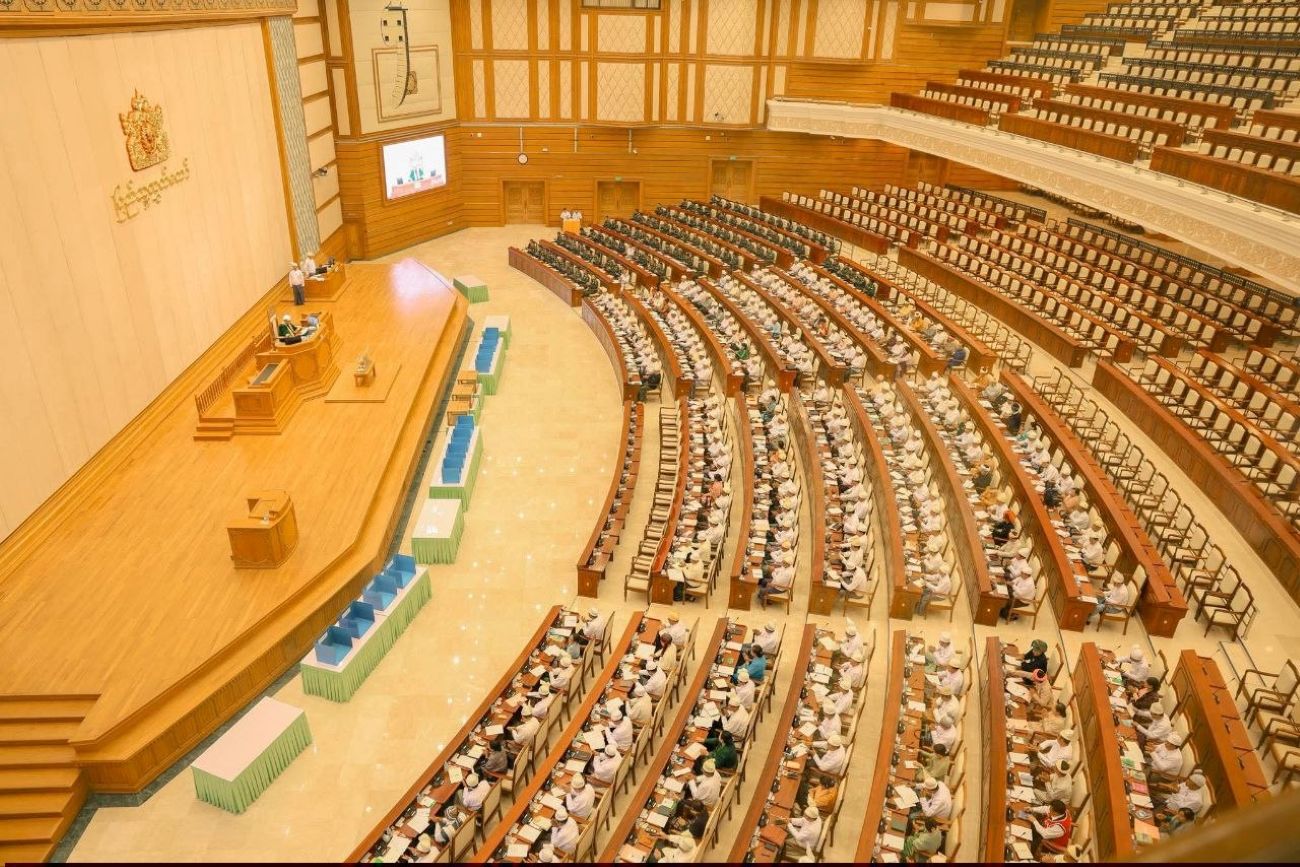
A view of the Pyithu Hluttaw
Sai Kaung Thet San, another Pyithu Hluttaw MP from the SNDP, told CNI News that the current peace committee's objective will likely progress in a format that focuses on mediation and offering recommendations for peace initiatives.
"In the country's current situation, if we want to reform and build a positive momentum, we need internal conflicts to cease and to achieve peace. We cannot achieve regional and national development while regional instability and internal conflicts persist. Therefore, because peace comes first, I understand that parliament had to move forward with forming this committee. This will depend on the efforts of the committee members. For instance, a Karen State MP knows the situation in Karen State best. They understand the movements and attitudes of the organizations in their region best. I believe we will coordinate and work by discussing these matters along with our committee's opinions and suggestions. Ultimately, I believe the committee will operate in a capacity of mediation and recommendation," he said.
Lawmakers emphasized that if the role of parliament is omitted from the peace process, unnecessary disputes could arise when agreements and proposed constitutional amendments finally reach the legislative body. Therefore, they argue that integrating parliament’s role into the peace process is essential.