
CNI News
13 June 2026
Military and political analysts point out that to resolve the ongoing armed and ethnic conflicts in Myanmar, the government should grant peace to armed organizations that genuinely desire it.
The reasons why ethnic groups have taken up arms are not to secede from the country, but rather due to the lack of political guarantees to achieve equality, self-determination, and federal democracy. Their goal is to fully secure the rights of their respective regions and ethnic groups.
Political analysts also emphasize that to achieve internal peace, genuine dialogue must be held between the government and peace-seeking armed groups. Stopping violence and building solidarity between the government and ethnic forces is the only way to establish sustainable, long-term peace.
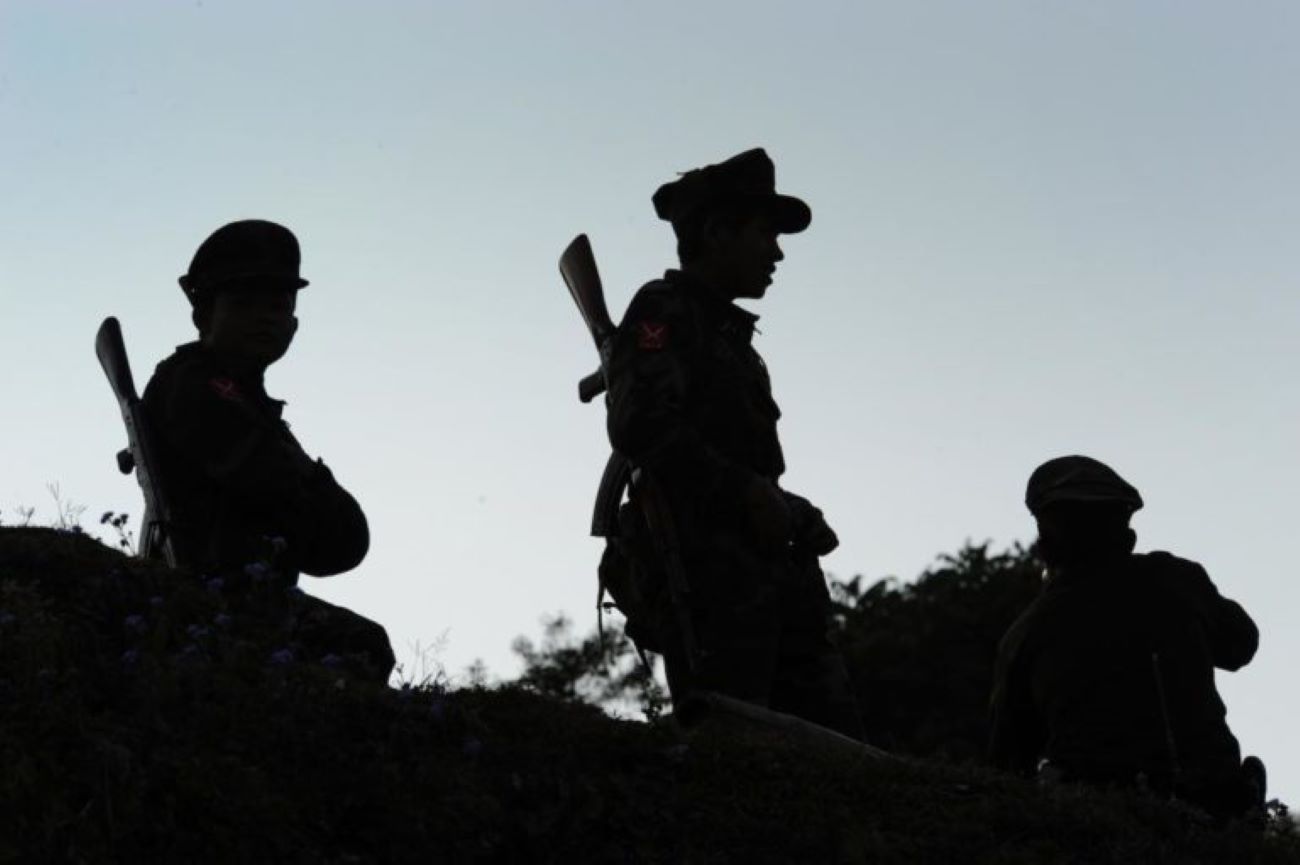
Armed forces seen
Dr. Kyaw Swe, a Pyithu Hluttaw (House of Representatives) MP, told CNI News that taking the path of peace supports regional development much more than holding onto weapons.
"Since there is a gap between what the ethnic groups demand and what the Union Government can currently provide, they came to believe that they can only secure their rights by demonstrating their strength. That is why they took up arms. Once they did, they came to experience the power of holding weapons. There is a small faction that opposes peace, but it is minor.The Union Government and the majority of current MPs have the will to amend and ratify the constitution to guarantee the points and data demanded by ethnic groups. Similarly, we want ethnic organizations to look out for their own people and realize that choosing peace brings much faster development than holding arms. If they realize this, I believe we can easily regain peace. We want them to know that peace supports regional development much more than war," he said.
Analysts note that instead of pressuring or demanding the surrender of ethnic armed groups, both sides must engage in serious discussions based on political equality. The government side must be able to guarantee self-determination, equality, and justice—which are the demands of the ethnic groups—and peace processes should be conducted transparently, based on democracy and human rights desired by the people.
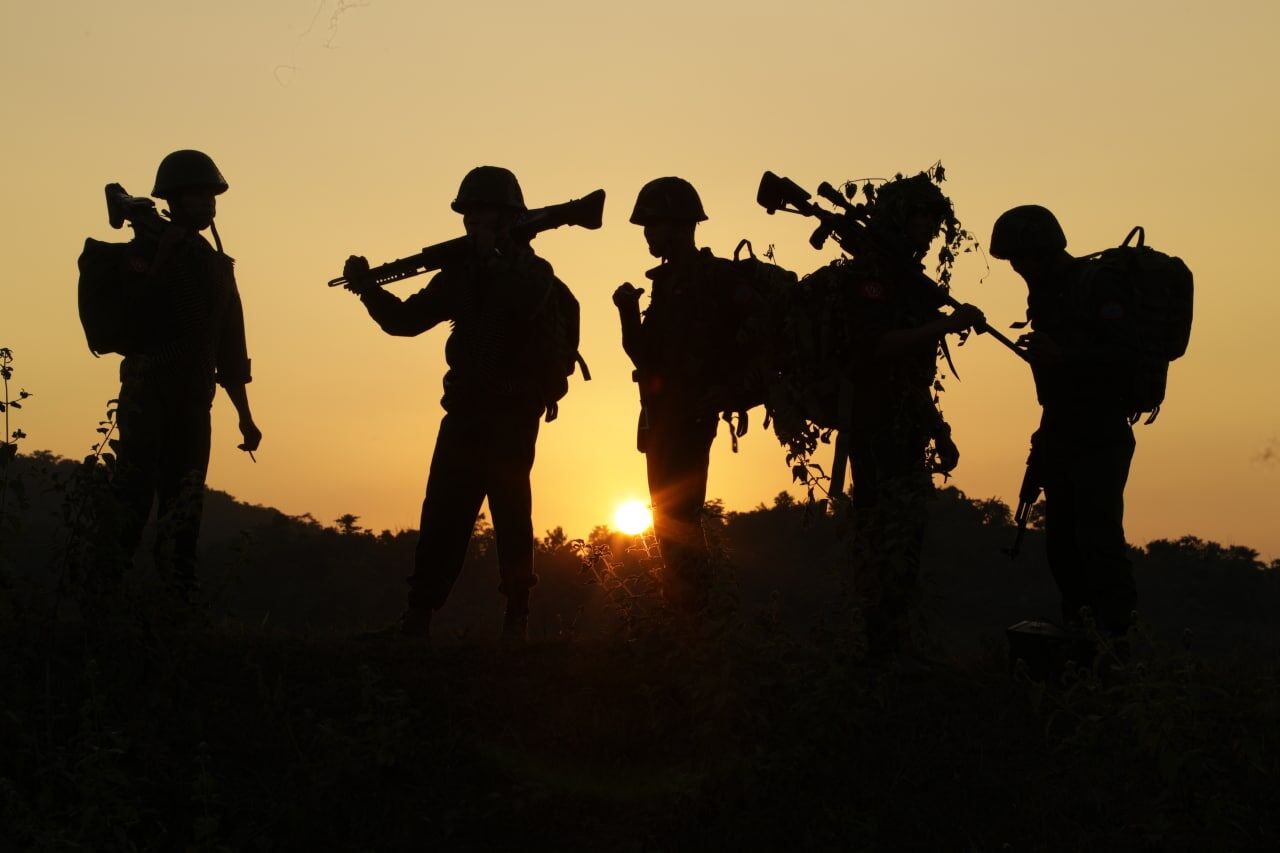
Armed forces seen
Daw Saw Mra Raza Linn, Chairwoman of the Arakan Liberation Party (ALP), told CNI News that ongoing military conflicts present massive challenges for the country, which is why they are pushing to resolve these issues at the negotiation table.
"It is extremely difficult for a country at war to develop. In every single region where conflict occurs, everyone faces hardships. Money earned has to be spent on the military, there is widespread destruction of homes, and the public suffers immensely. War happens because of widespread dissatisfaction. If we want to extinguish the flames of war, we must talk about peace. If the country becomes peaceful, I see that a lot can be done to develop various regions.Therefore, we are striving with all our might to reach a point where armed conflicts can be resolved at the negotiation table for national development and peace. No country develops while fighting. We can see countries that have developed right before our eyes; they developed precisely because their wars ended. That is why, because ongoing military conflict poses a great deal of difficulty for national regions, we are pushing to resolve it at the table," she said.
Currently, armed groups in Myanmar have become more numerous than during U Thein Sein's administration. Furthermore, they are actively engaging in various business interests within their controlled areas, including tax collection, resource and mineral extraction, weapons trading, and drug trafficking.
To date, a definitive method or solution to reduce and eliminate the armed forces existing in Myanmar has not yet been found.
However, some armed organizations wish to sign the Nationwide Ceasefire Agreement (NCA) and state/regional bilateral agreements to achieve peace with the government and cooperate for regional stability and development. Yet, they face rejections and are turned away by the government and the military.
Military and political analysts point out that if the government and military maintain this stance, it could push peace-seeking groups into the camps of war-mongering armed forces. Therefore, the government should grant peace to those armed groups that truly desire it.