
CNI News
June 12, 2026
Military and political analysts have pointed out that to resolve the ongoing armed and ethnic conflicts in Myanmar, the rights and entitlements of ethnic minorities should be precisely incorporated into the 2008 Constitution.
Although Chapter (8) of the 2008 Constitution already includes certain provisions regarding ethnic rights, politicians and ethnic rights activists argue that laws must be further strengthened to fully guarantee self-determination, equality, and a genuine federal system, which are the aspirations of ethnic nationalities.
Dr. Kyaw Swe, a Pyithu Hluttaw (House of Representatives) MP, told CNI News that it is high time for Myanmar to be at peace, and that the demands and agreements made by ethnic groups will eventually become constitutionally guaranteed points.
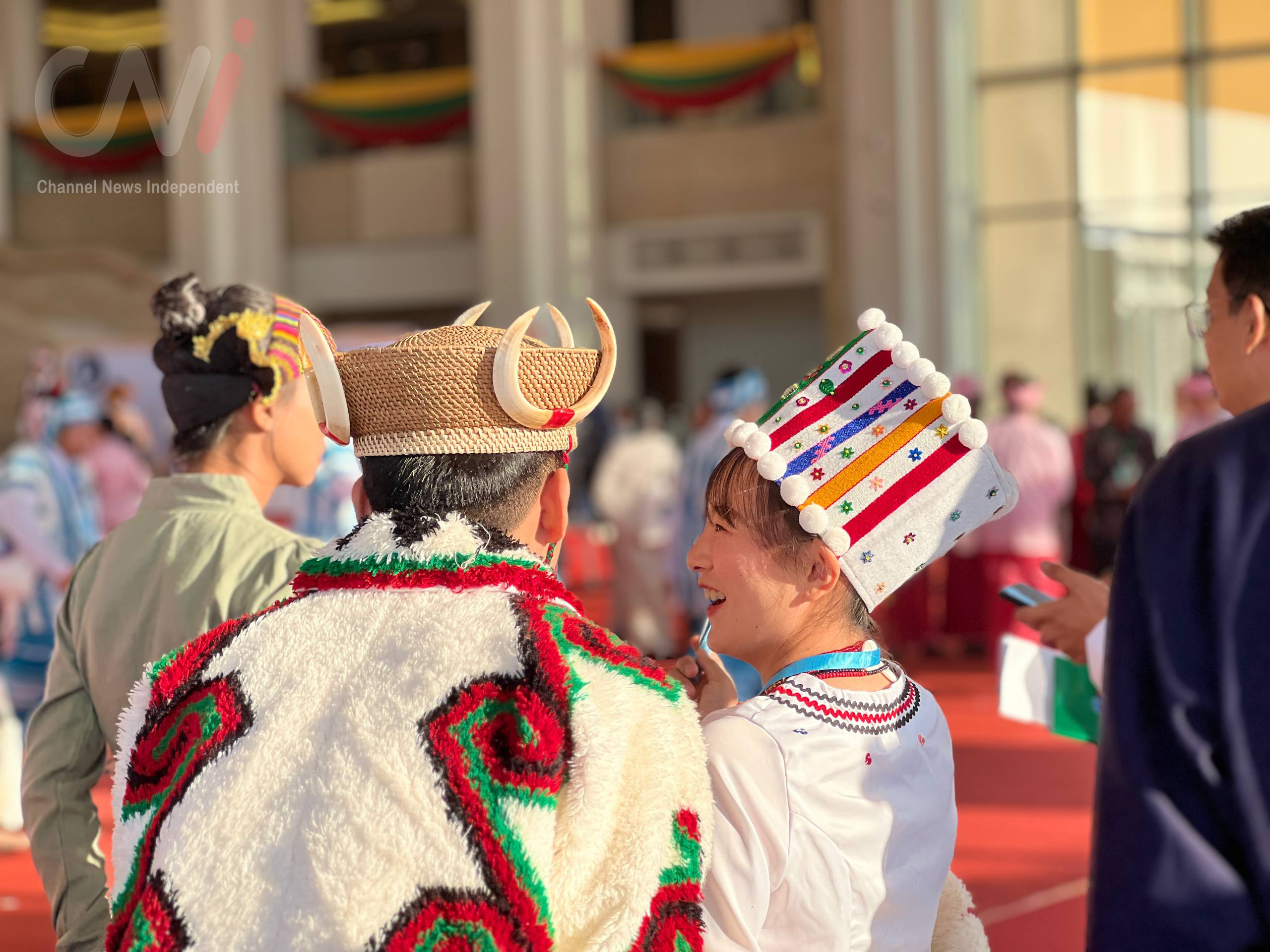
Ethnic youths.
"Peace is one of the most vital fundamental rights for our country, Myanmar. Without looking at anyone's face (regardless of personal interests), I urge all sides to coordinate and quickly resolve this so that the ethnic groups can get at least half or more of what they are asking for to reach a mutual consensus. Myanmar has reached the time to be peaceful. Looking at the faces of all our ethnic people and citizens of Myanmar, I urge both sides to achieve peace quickly. All ethnic organizations are set to present their stances and the paths they want to pursue. The government side will then coordinate and integrate them. Crucially, if we can bring them into the NCA (Nationwide Ceasefire Agreement) path, and include the points already agreed upon in the Union Accord into the Constitution as guarantees, eternal peace will be sustained. This is because the demands and agreements of the ethnic groups were produced only after thorough discussions among all ethnic armed organizations and experts. Incorporating these agreements into the Union Constitution to ensure they are guaranteed will mean that the data and points requested by ethnic groups will become legally guaranteed by the Constitution," he said.
Non-Bamar ethnic organizations are currently demanding full constitutional guarantees for the right to use ethnic languages as official office languages in respective states, as well as the right to education in mother-tongue languages.
Similarly, they are demanding the decentralization and a fairer distribution of administrative, legislative, and financial powers to states and regions, alongside the right for local ethnic populations to manage their own local natural resources and receive a fair share of profit-sharing for regional development.
Daw Saw Mra Rar Zar Lin, Chairwoman of the Arakan Liberation Party (ALP), told CNI News that she understands incorporating ethnic rights into the 2008 Constitution refers to amending Article 261.
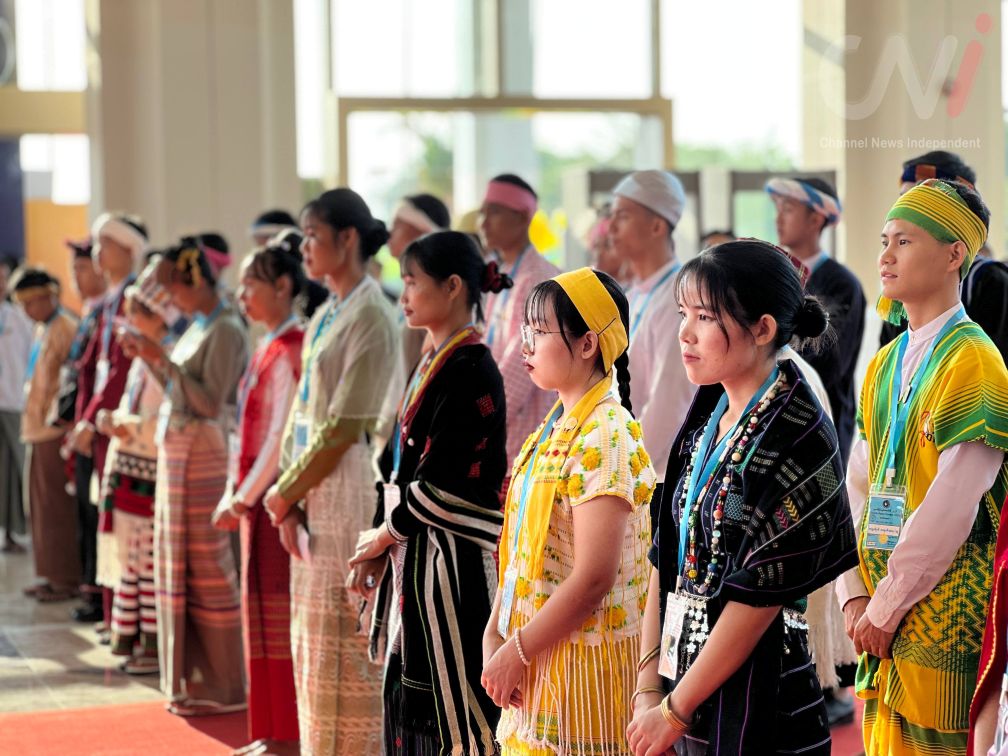
Ethnic youths.
"In my opinion, saying that ethnic rights are to be included in the 2008 Constitution means amending Article 261. The reason is that once we say 'Union', we understand it as a system where power is centralized at the union level and the powers accessible to the states must be shared and exercised. Right now, centralization is far too heavy. Most ethnic people understand that if it is a Federal Union, centralization must be reduced and power must be given to the states. I understand that this is what most ethnic people mean by 'self-determination'. For example, when choosing the head of a state or region—currently, the President of the State appoints them. Instead of doing it that way, the state's Chief Minister needs to be chosen based on the will and election of the local state residents. Therefore, it is widely accepted that Article 261 of the 2008 Constitution must be amended. Furthermore, regarding natural resource matters, how much will the mainland (union) take, and how much will the state take? The state is, after all, the owner. That is why a fair system of sharing and utilization between the state and the mainland is needed," she said.
It is reported that while there are 43 points agreed upon between the government and political parties regarding the amendment of the 2008 Constitution, there is still no precise agreement on amending Article 261.
Both sides previously stated that a 43-point agreement to amend the 2008 Constitution was reached following a meeting between the National Solidarity and Peacemaking Negotiation Committee (NSPNC) and the working group of the political parties alliance in January 2025.