
CNI News
June 3, 2026
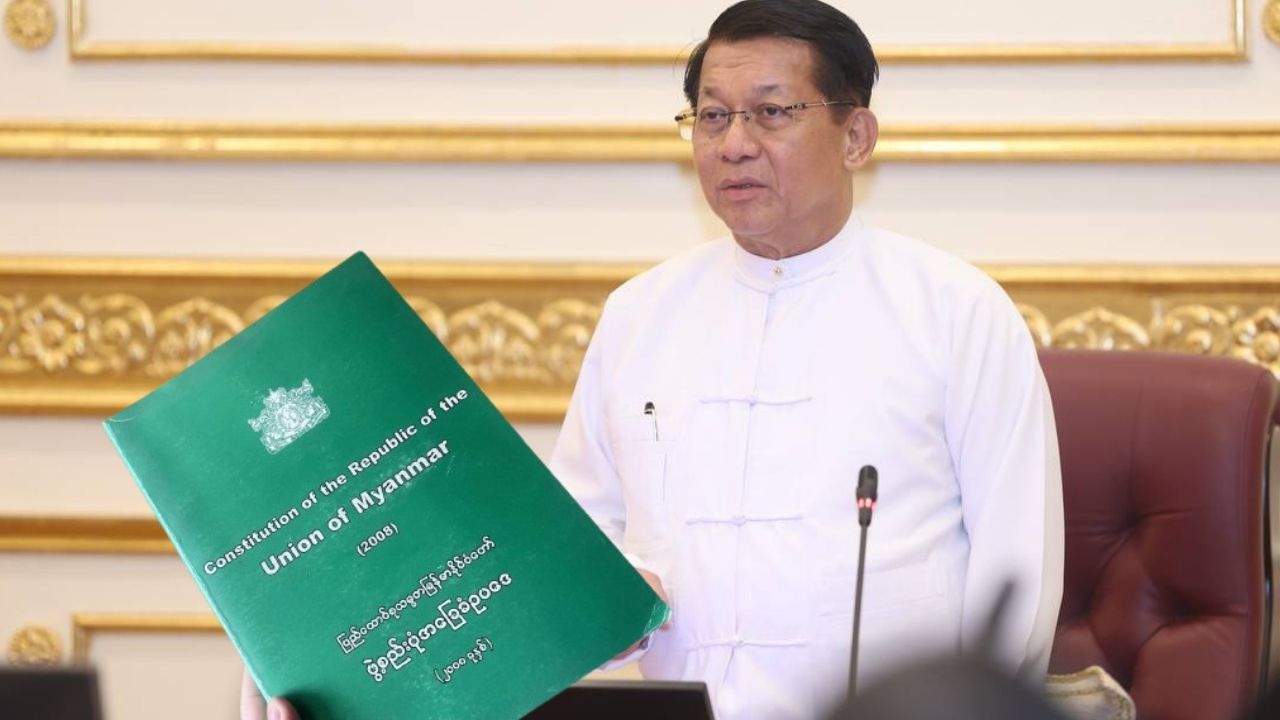
Discussions are currently underway to amend Myanmar’s 2008 Constitution to align it with present-day conditions; however, any matters that could harm the country must also be guarded against, stated President U Min Aung Hlaing.
The President made these remarks on May 30, 2026, during a meeting with families of the Myanmar Embassy to India and state scholars.
He stated, "The implementation will continue in accordance with the 2008 Constitution, which was drafted and implemented in line with the citizens' desires. However, to carry out amendments that align with current times, negotiations will be conducted, and changes will be made with the parliament's approval. Nevertheless, any matters that could jeopardize the nation must be safeguarded."
Commenting on this, political analyst Dr. Aung Myo told CNI News that even if President U Min Aung Hlaing amends the constitution, he will not make any changes that would cause the military’s rules and principles to disappear.
He said, "If the constitution is amended, he won't make updates that would erase the military's rules. Furthermore, he will primarily protect 'Our Three Main National Causes'—such as preventing the disintegration of the Union and preserving national solidarity. This means he will not accept anything that infringes upon the military's national political role. As for the points that need to be amended, for instance, the tax allocation schedule between the central government and regions/states needs to be revised. Another point is that instead of the President appointing region and state chief ministers, amendments should be made so that they are appointed directly by the respective region and state parliaments. Not just the chief ministers, but positions like regional/state auditors general and advocates general should preferably be appointed by the region and state parliaments as well. There are quite a lot of points in the constitution that need to be amended."
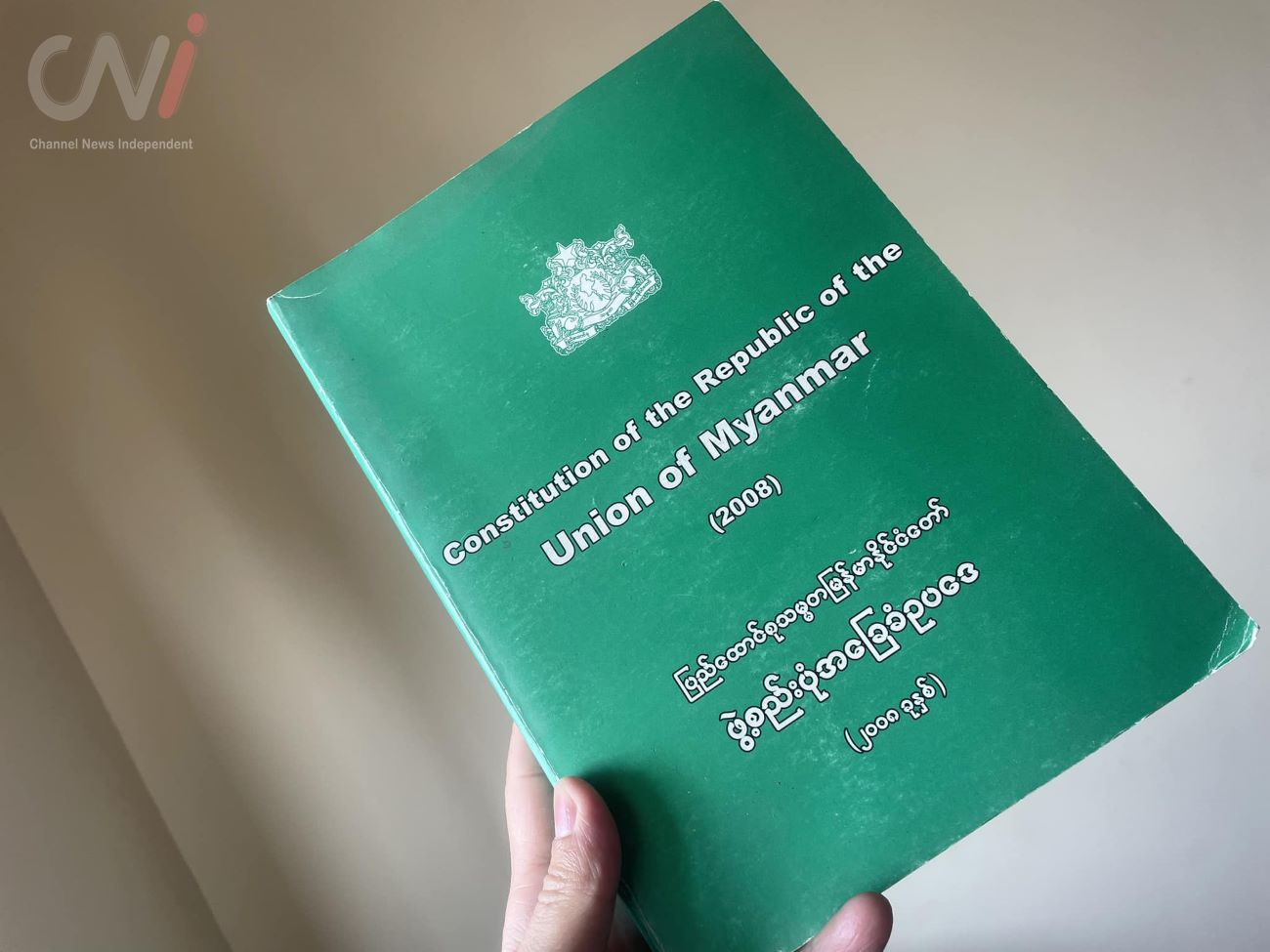
The 2008 Constitution Book
The National Solidarity and Peacemaking Negotiation Committee (NSPNC) has reached agreements with seven Nationwide Ceasefire Agreement (NCA) signatory Ethnic Armed Organizations (EAOs), as well as with political party groups.
Before stepping down from his role as Commander-in-Chief of Defence Services, the current President U Min Aung Hlaing had stated on March 10, 2026, that the demands of Ethnic Armed Organizations (EAOs), constitutional amendment matters, and agreements and discussions necessary for regional and national interests would be re-discussed in the upcoming parliament.
Upon being elected as President, he further announced on April 10 that 43 constitutional amendment points agreed upon between the NSPNC and the political parties' working group would be submitted to the Union Parliament (Pyidaungsu Hluttaw) for discussion.
Political analysts point out that amending the 2008 Constitution is a massive political process. To amend the majority of the legal articles, a nationwide referendum is required, and there are successive levels of parliamentary representative approval and public consensus required depending on the nature of the specific articles being amended.
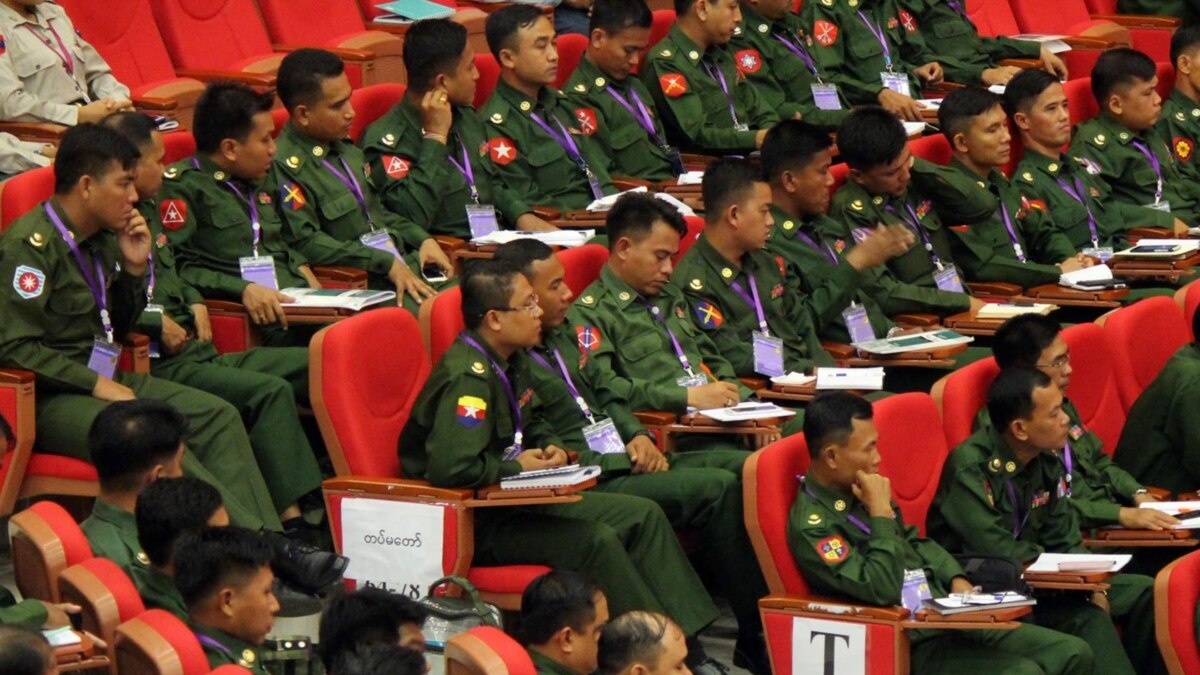
Military Parliamentarians
Political analyst U Htet Aung Kyaw told CNI News that the statement regarding safeguarding against matters that could harm the nation might just be a general remark from a presidential perspective.
He said, "Saying that he will protect against things that harm the country is likely a general statement. This is already an inherent duty, whether as a President or as someone who has served as the Commander-in-Chief of Defense Services. Since protecting 'Our Three Main National Causes' is already integrated, the President spoke about this in a general sense. He has officially stated that as long as the country is currently not at peace and all these ethnic armed groups remain disunited, the military will continue to participate in politics. He has said that the military will withdraw from politics only when such disunity no longer exists."
Political analysts highlight that under Myanmar’s political system, protecting "Our Three Main National Causes"—Non-disintegration of the Union, Non-disintegration of National Solidarity, and Perpetuation of Sovereignty—is a national duty that must absolutely be carried out by the President, the Government, and the Military in accordance with the constitution.