
CNI News
May 28, 2026
Lawmakers and entrepreneurs have pointed out that while intensive efforts are required to further develop local manufacturing industries in Myanmar, government support is equally essential.
The current new government is implementing a 100-day plan from April 20 to July 30, 2026. This 100-day plan includes sectors such as increasing loans for farmers, trade, peace, and energy.
U Thet Zaw, an economic analyst, told CNI News that the government needs to effectively assist cottage industries to progress further than they currently are. Only then will it greatly support the country’s economy and be sustainable for the long term.
U Thet Zaw stated: "We are studying cottage industries, such as those producing food products. If their goods can be distributed to the public, we will help distribute them. The state needs to support these kinds of businesses and agricultural products so they can generate value-added output, guiding them technically on how to succeed. The state has the goodwill to foster MSMEs (Micro, Small, and Medium Enterprises), but in reality, everything from technology to machinery is required. Furthermore, the production of new commodities should be encouraged. Only then will many entrepreneurs and citizens become interested in and capable of production. Currently, looking from an economic perspective, most people in the grassroots economy are online shoppers. The percentage of people who can actually produce goods as physical products is still quite low. Without production, it will be difficult for a country to sustain itself in the long run. Even Thailand has to pair agriculture with manufacturing. If we do not couple agriculture with manufacturing, I foresee that it will be difficult to survive in the long run. Since there are also few entrepreneurs, this industrial sector remains underdeveloped. Because it is underdeveloped, investors do not invest here. They prefer real estate, gold, and cars—believing these will yield profits upon investment. There is even a saying that buying land guarantees no loss."
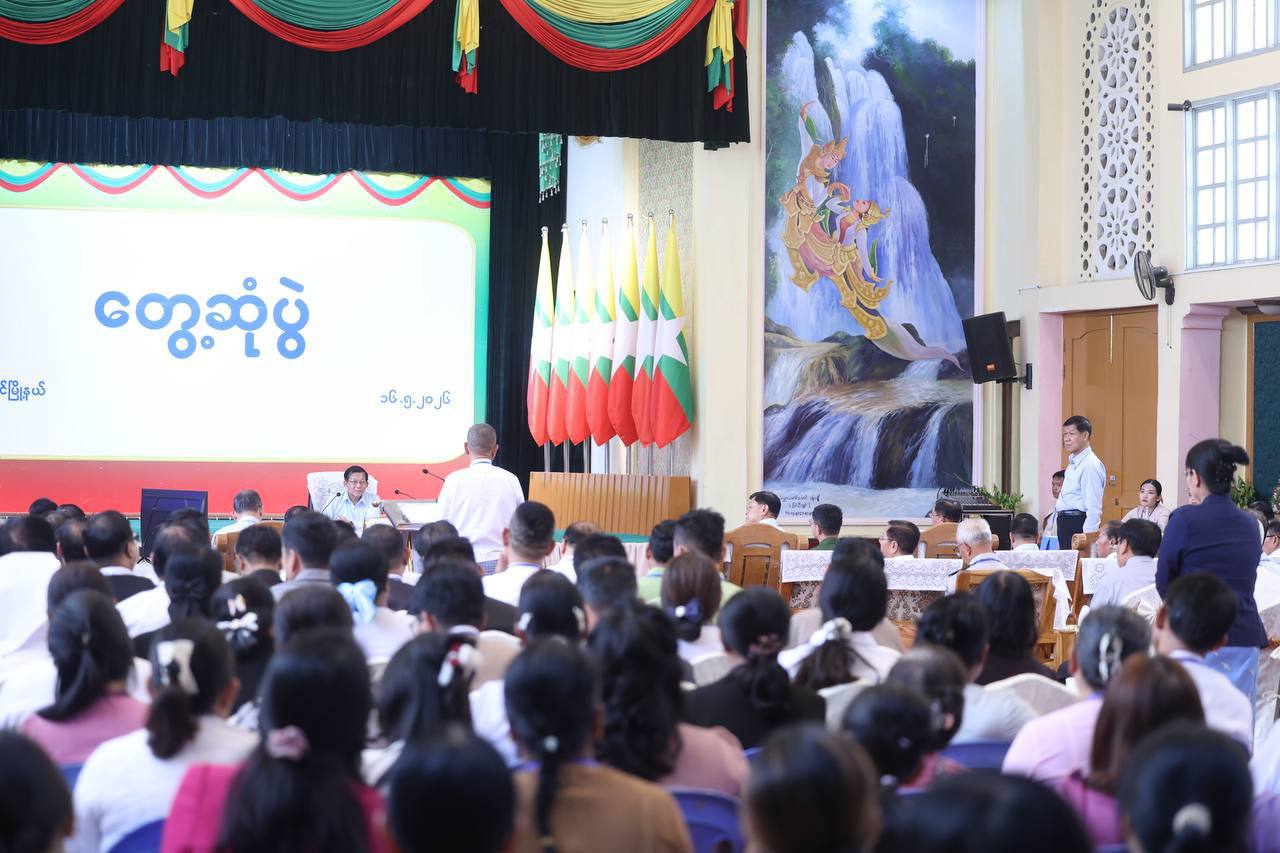
President U Min Aung Hlaing meeting with small business owners. (Repeated three times in the original text)
Economic analysts suggest that for the economy to improve, Myanmar needs a favorable business environment and a sound economic system, followed by the concrete implementation of a market economy system.
Additionally, they pointed out that when undertaking investment projects, the government needs to look toward the long term and execute projects that truly benefit the country while avoiding national debt.
U Kyaw Min Htet, a Yangon Region Hluttaw (Parliament) representative from the People's Pioneer Party (PPP), told CNI News that the public market in Myanmar currently takes the form of investing in commodities rather than investing in businesses. He suggested that citizens should transition to investing in businesses that will further develop the country.
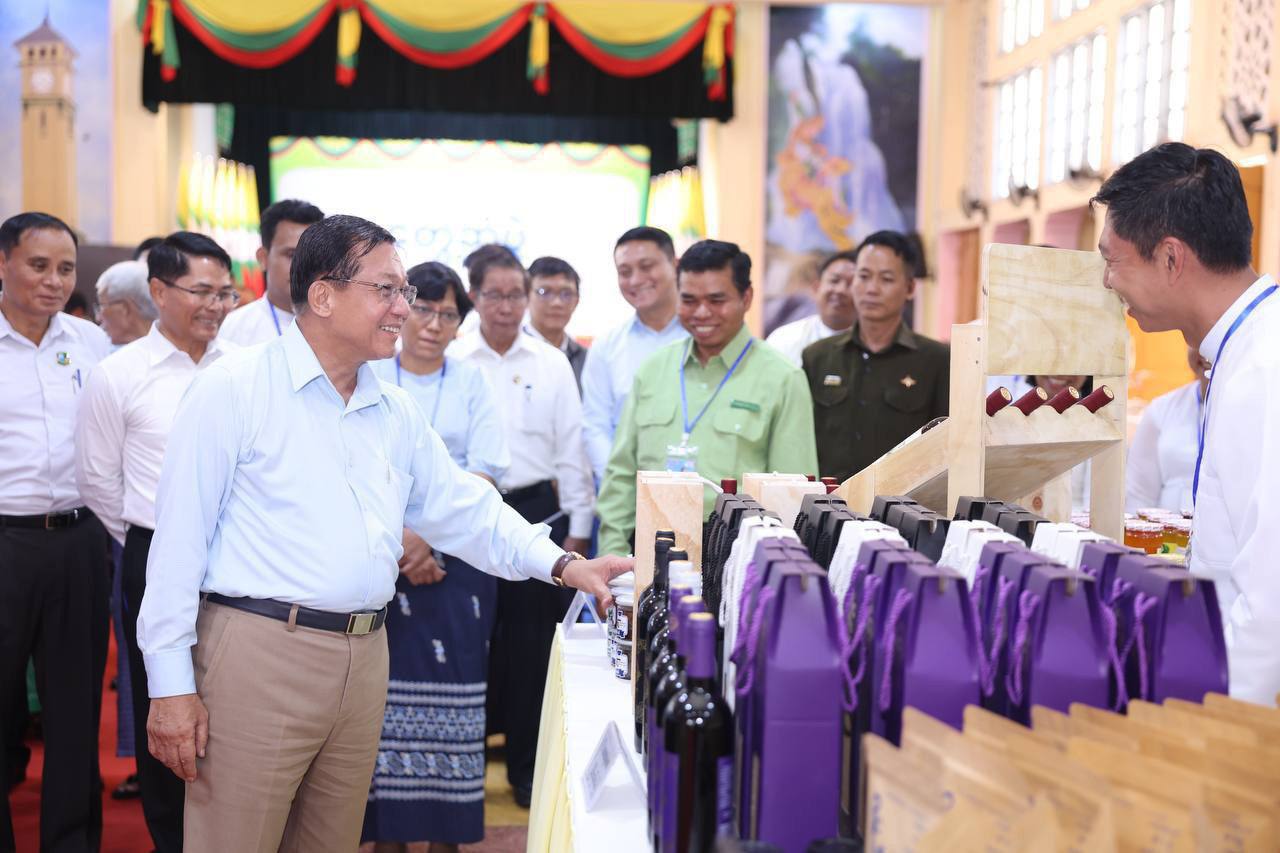
President U Min Aung Hlaing meeting with small business owners. (Repeated three times in the original text)
U Kyaw Min Htet stated: "Mainly, we need to create a lot of jobs; everyone needs to have employment. We need the circulation of money in the market to become faster rather than having funds sit idle in one place. People in Myanmar do invest, but where do they invest? They buy real estate, or if they hear rumors about car prices, they buy cars in advance, and so on. What I mean is, it has become a market where investments are made in commodities rather than in businesses that drive development. Innovation is not being encouraged. Therefore, I think we will need to gradually reform this through policy. In some areas, there are monopolies—for instance, large sums of money being tied up and operated within real estate. It's not that a thriving real estate market is bad for the country. However, the primary need is to increase the volume of production. Only then will we get export earnings. With export earnings, other various sectors will run smoothly as previously mentioned. Currently, with high imports and a lack of exports, the country is in a state of constant budget revenue deficit, making operations quite difficult." Regarding the economy, the government needs to provide genuine support to those who can actually deliver results, operating with transparency and free of corruption. When implementing projects, it is necessary to prioritize long-term considerations over short-term views.
Although the Myanmar government encourages domestic manufacturing industries, it remains weak in market exploration and technological support.