
CNI News
22 May 2026
The Pansaung border gate, which connects Myanmar’s Naga Self-Administered Zone in Sagaing Region with India, is vital for the local ethnic people as it reduces costs across various sectors including social affairs, healthcare, education, and the flow of goods, U Chit Yaung, Chairman of the United Tangshang Naga Council, told CNI News.
Regarding the closure of the gate, he said: "Mainly, following a recent incident where a certain group opened fire with weapons at the Indian border fencing project, the gate was closed under the pretext of security. Because of this closure, local people faced hardships regarding their daily travel, trade, and family visits. However, we have heard that efforts are being made to reopen it. Currently, people are allowed to travel and purchase essential materials for construction projects and fuel. It has not yet reached the level where locals can travel as freely as before. Roughly speaking, if people order fuel or necessary goods with the recommendation of the local government, they are allowed to buy them. This Pansaung border gate is crucial for the local ethnic people living on the Myanmar side. It is important because the route is convenient, and whether it is for social affairs, healthcare, or education, buying from the Indian side is cost-effective in every aspect."
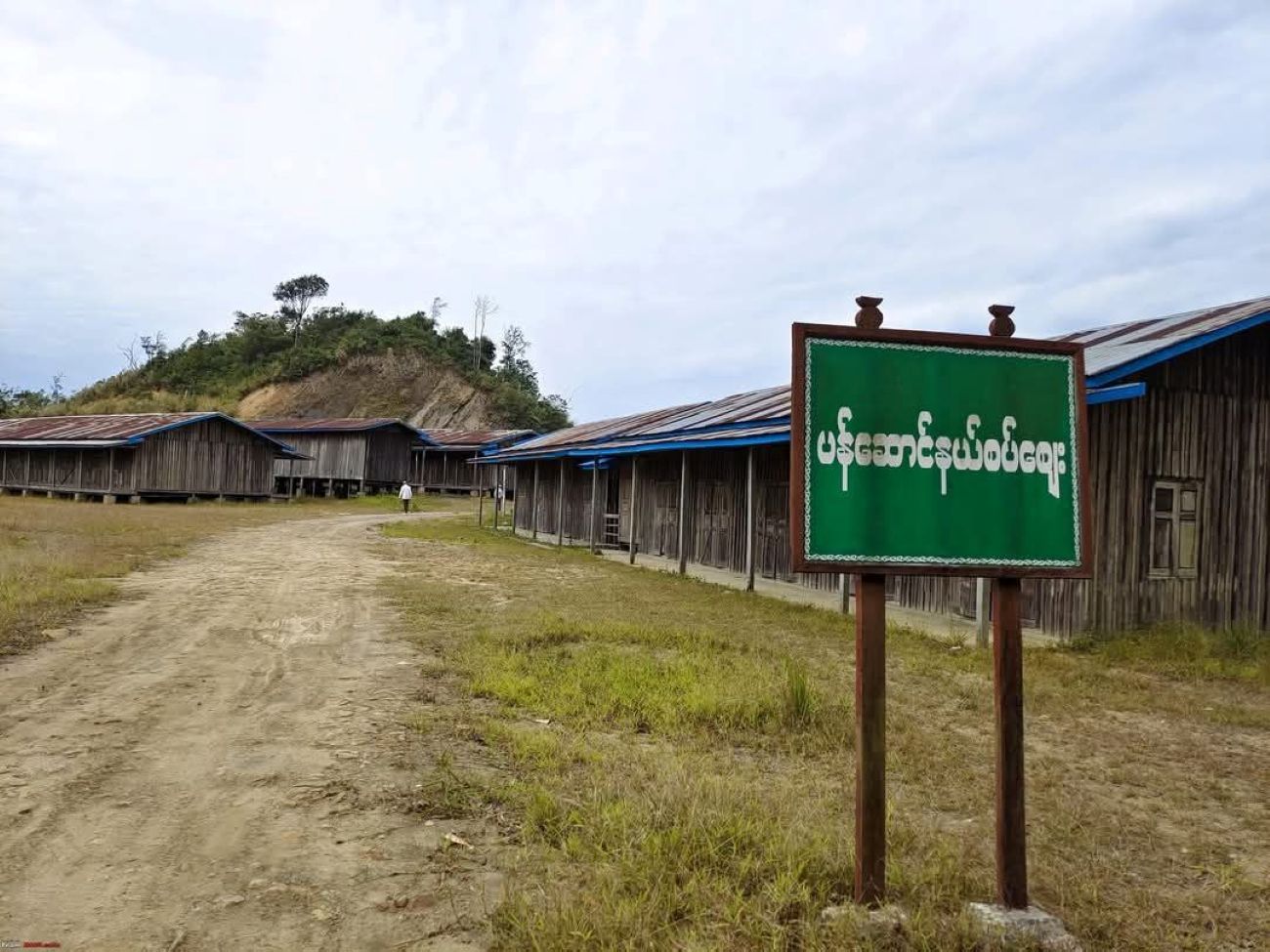
There is only one official border gate recognized by both governments on the border between the Naga Self-Administered Zone and India. This gate is located in Pansaung Town, Nanyun Township, Naga Region of the Sagaing Region, and connects to the Nampong region in Arunachal Pradesh State, India.
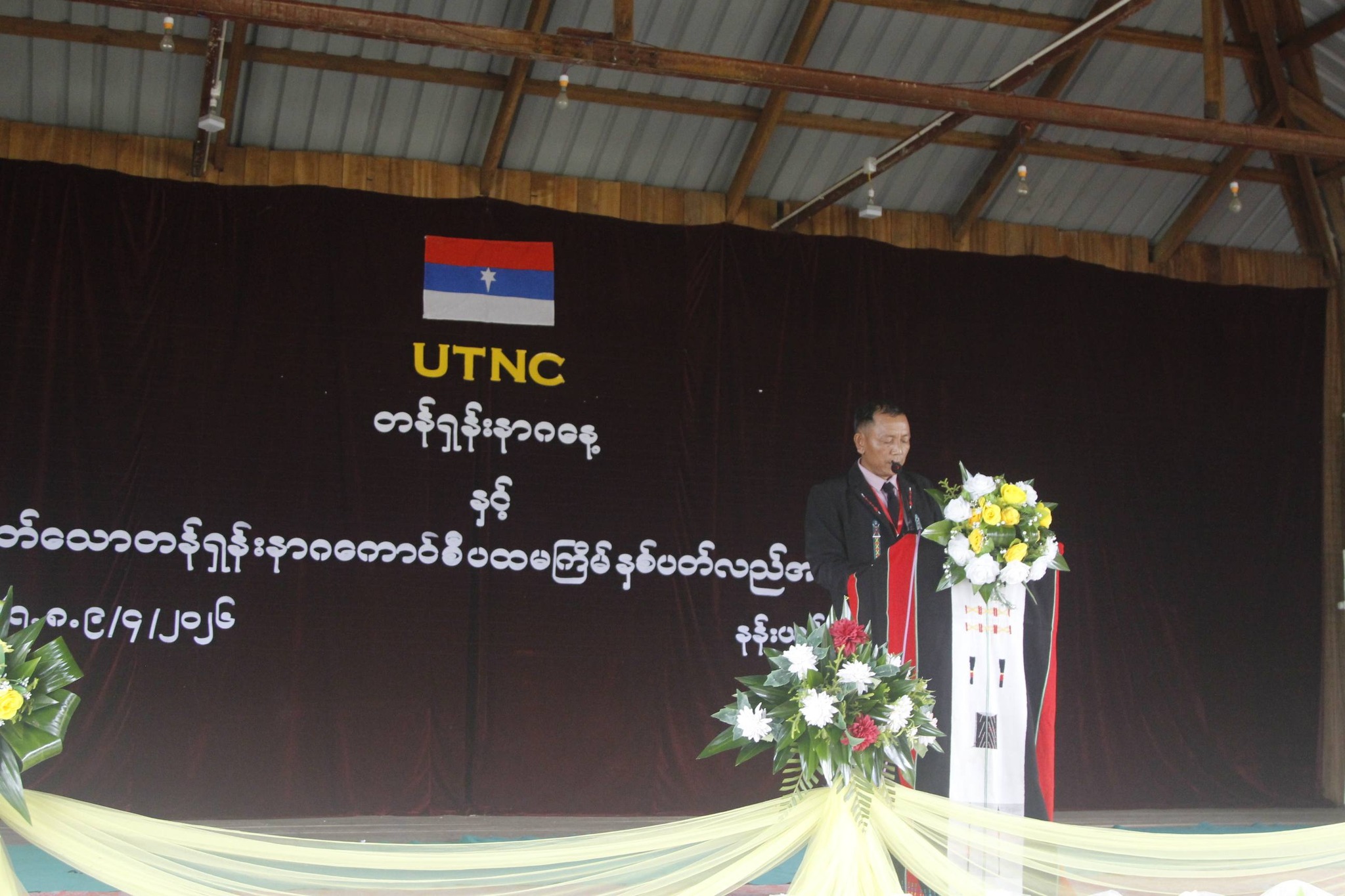
U Chit Yaung, Chairman of the United Tangshang Naga Council
Because transportation and logistics from the Myanmar mainland to the Naga region are extremely difficult, medicines and basic food items are mainly imported from India.
U Chin Maung, Chairman of the Peace Making Committee of the National Socialist Council of Nagaland-Khaplang/An Mai (NSCN-K/AM), told CNI News that the opening of the Pansaung gate can support up to around four townships, and they wish for this route to remain permanently open.
He stated: "It has reopened as before. The main priority is given to livelihood and healthcare matters. The Pansaung gate is truly important. The entire trade flow from India enters through the Pansaung gate, covering Donhee (or Tonhee) township, Nanyun, Donhee, Shinbwiyan, and all the way to Tanai. It covers the whole Naga region. We want this route to be open permanently. They do have restrictions on carrying things like fuel. For fuel, they don't allow large purchases; there is a daily limit on how many liters you can buy."
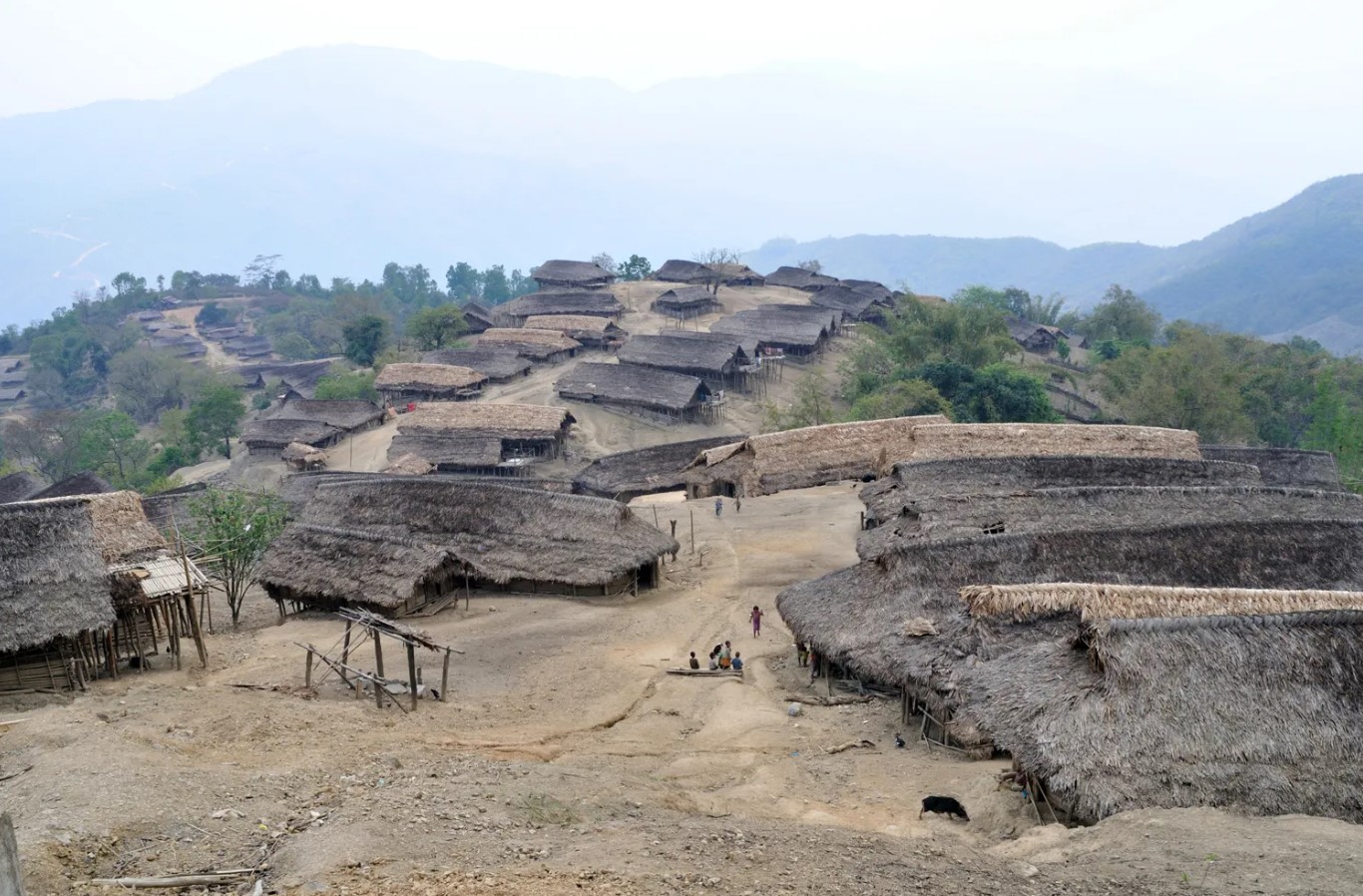
A view of the Naga region
There are two main routes to transport goods from mainland Myanmar to the Naga region. These routes are the waterway using the Chindwin River from Monywa–Homalin–Khamti to the Naga region, and the land route using the Mahamyine road or Yagyi road from Monywa–Homalin–Khamti to the Naga region.
However, of these two routes, the KIA-PDF joint groups have set up gates at Shwe Pyi Aye town along the waterway, demanding money and blocking the transport of goods. Similarly, along the land route via the Monywa–Homalin Yagyi road or Mahamyine road, the KIA-PDF joint groups have opened around 30 gates and are collecting money.
The proliferation of armed groups, departmental checkpoints, and toll gates, combined with rising extortion at various levels, has made the flow of goods into the Naga region increasingly difficult.