
CNI News
22 May 2026
Business owners and economic analysts state that commodity prices are soaring due to domestic product shortages driven by the seizure of illegal goods under the "100-Day Plan," which is being implemented under the directive of the State President.
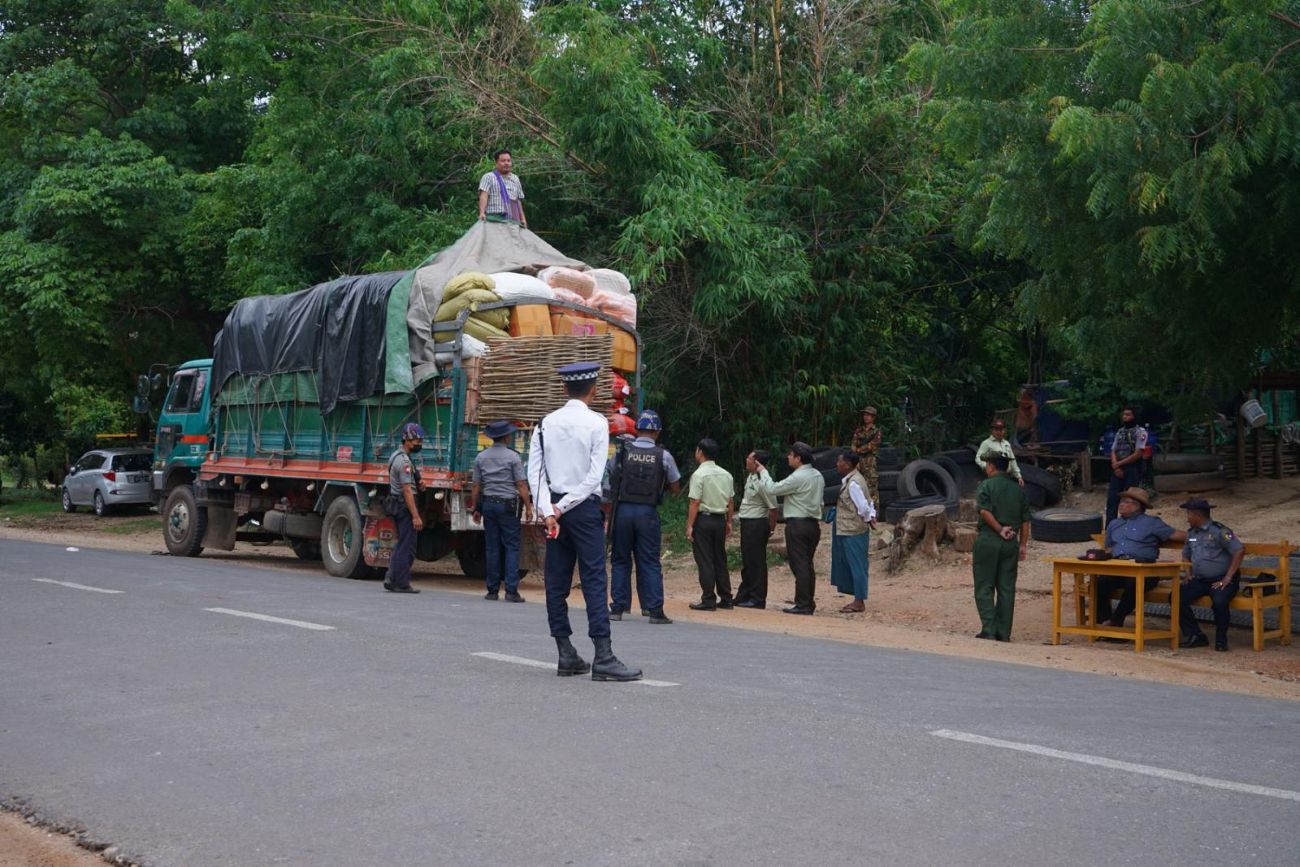
Beginning in the first week of May, inspections have been tightened and seizures have commenced on trucks carrying Chinese goods entering through northern Shan State, as well as those carrying Thai goods entering via the Myawaddy border.
Seized items include agricultural goods, automotive parts, household products, consumer goods, food products, construction materials, and clothing.
Due to these crackdowns on illegal goods, cargo trucks are now hesitant to transport other allowable commodities. Consequently, those who do venture to transport goods are charging exorbitant freight fees. These steep transport costs, combined with the checkpoint fees paid along the routes, have driven up domestic commodity prices.
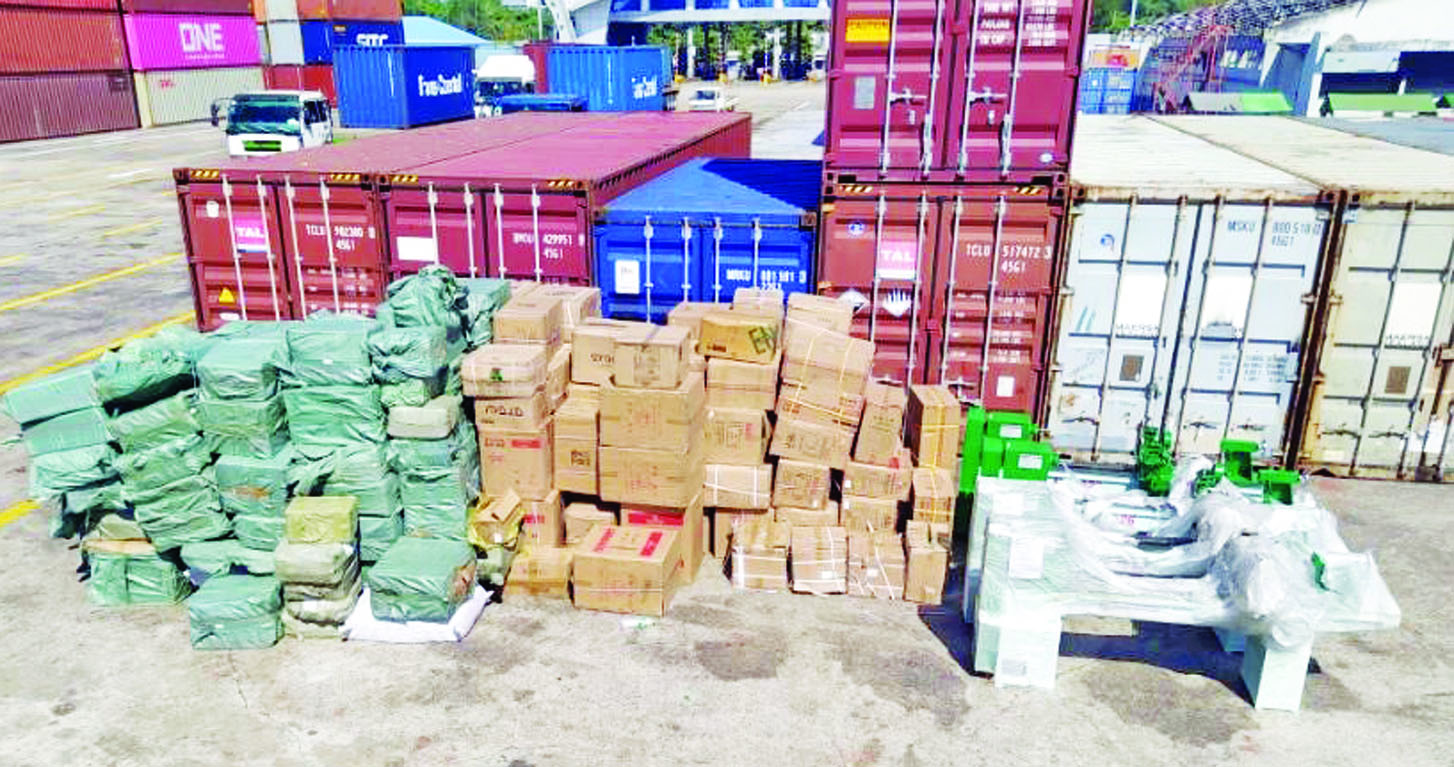
Commodities on display
U Thet Zaw, an economic analyst, told CNI News that raw materials used by small-scale businesses have seen their prices spike nearly threefold due to transport costs. Similarly, food and consumer goods widely used by the general public are also experiencing gradual price hikes.
"It has already started happening now. Small-scale entrepreneurs in Myanmar are suffering. To be frank, goods at Ocean, City Mart, or Makro are not much of an issue. How will they import? If you think about it, are the big players getting through just as before? Is it that small-scale businesses can no longer operate? Right now, importing machinery through border trade is not easy. From what I’ve gathered regarding Chinese trade, moving goods from Shweli to Muse has become difficult. Moving them from Muse to Shan State is even harder. As a result, transportation costs now consume about three times the value of a item. Products are not reaching the working-class public at reasonable prices," U Thet Zaw said.
Furthermore, because goods are being seized and money is being extorted at checkpoints, some soldiers and police personnel are reportedly bribing their superiors to secure deployments at these lucrative locations.
Political analyst U Htet Aung Kyaw told CNI News that the government's closure of border trade routes, along with restrictions and seizures on commodity transport, is causing hardship for both business owners and consumers.
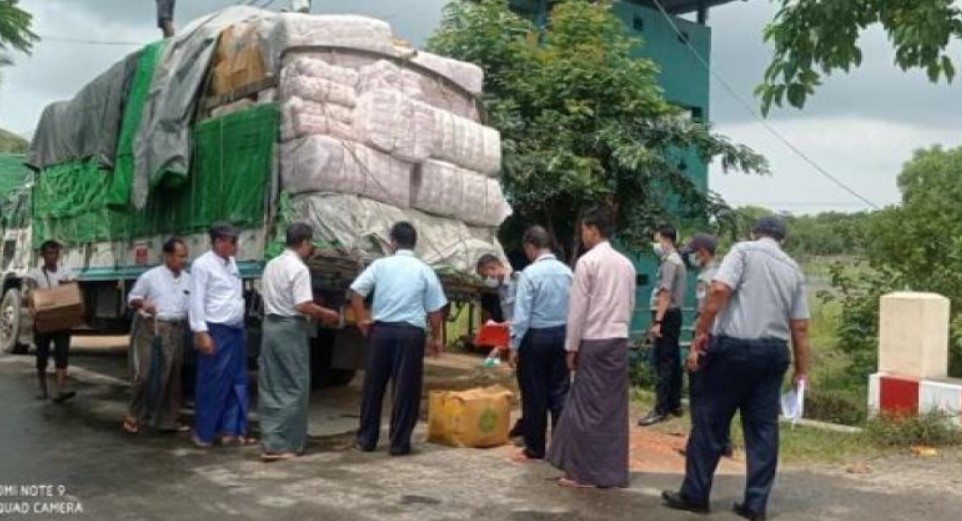
Cargo trucks undergoing inspection
"There are cases where people have to pay 900 lakhs per truck just to enter. That is how Myanmar's economy has always operated—mostly in a gray zone. In reality, these are not acts of extreme greed. They aren't trafficking drugs or weapons; it is legitimate livelihood trading. If the government designated it as legitimate, these people would be doing clean business. But with blockades here and there, everyone is forced to operate in the gray zone. Business operators are suffering, the consuming public is suffering—everyone is suffering," U Htet Aung Kyaw said.
According to business owners, freight operations importing Chinese and Thai goods have currently ground to a halt due to the government's strict inspection and seizure of illegal goods under the 100-Day Plan.
Additionally, domestic transport of goods between different regions and states is now subject to strict quantity limits and product restrictions.