
CNI News
May 20, 2026
The peace efforts being made by various factions in Myanmar lack effectiveness and appear to be just for show, political analyst U Htet Aung Kyaw told CNI News. Following independence in 1948, the armed conflicts that emerged in Myanmar expanded more broadly after February 2021, leading to the rise of hundreds of armed organizations. Amidst these political and military conflicts, civilians have been forced to abandon their properties and flee to safer areas, while continuously facing life-threatening dangers.
U Htet Aung Kyaw noted that the current peace process is not constructive and seems to be merely for show. He emphasized that to achieve a real breakthrough toward peace, actions more substantial than the current approach need to be demonstrated.
He stated, "To be frank, it feels like both sides are engaging in the peace process only because they cannot avoid it. One side might issue a peace invitation, seemingly with the attitude of 'we invited them, whether they come or not is their business.' Meanwhile, the other side makes impossible demands, taking the stance that 'we won't go because they won't concede to our demands.' It has become a blame game where each side says, 'We want peace, but the other side doesn't.' What they are doing now looks like it's just for show. This has been done throughout successive eras. They only do as much as previous governments did. One side also uses the excuse that the other hasn't invited their allied groups to the peace talks. Similar things happened in the past. To put it simply, because they keep doing what doesn't work, it feels like it's just for show. If they genuinely want peace, they need to show more substantive action than this."
Furthermore, he went on to say that it is now time to approach the peace process with a new model.
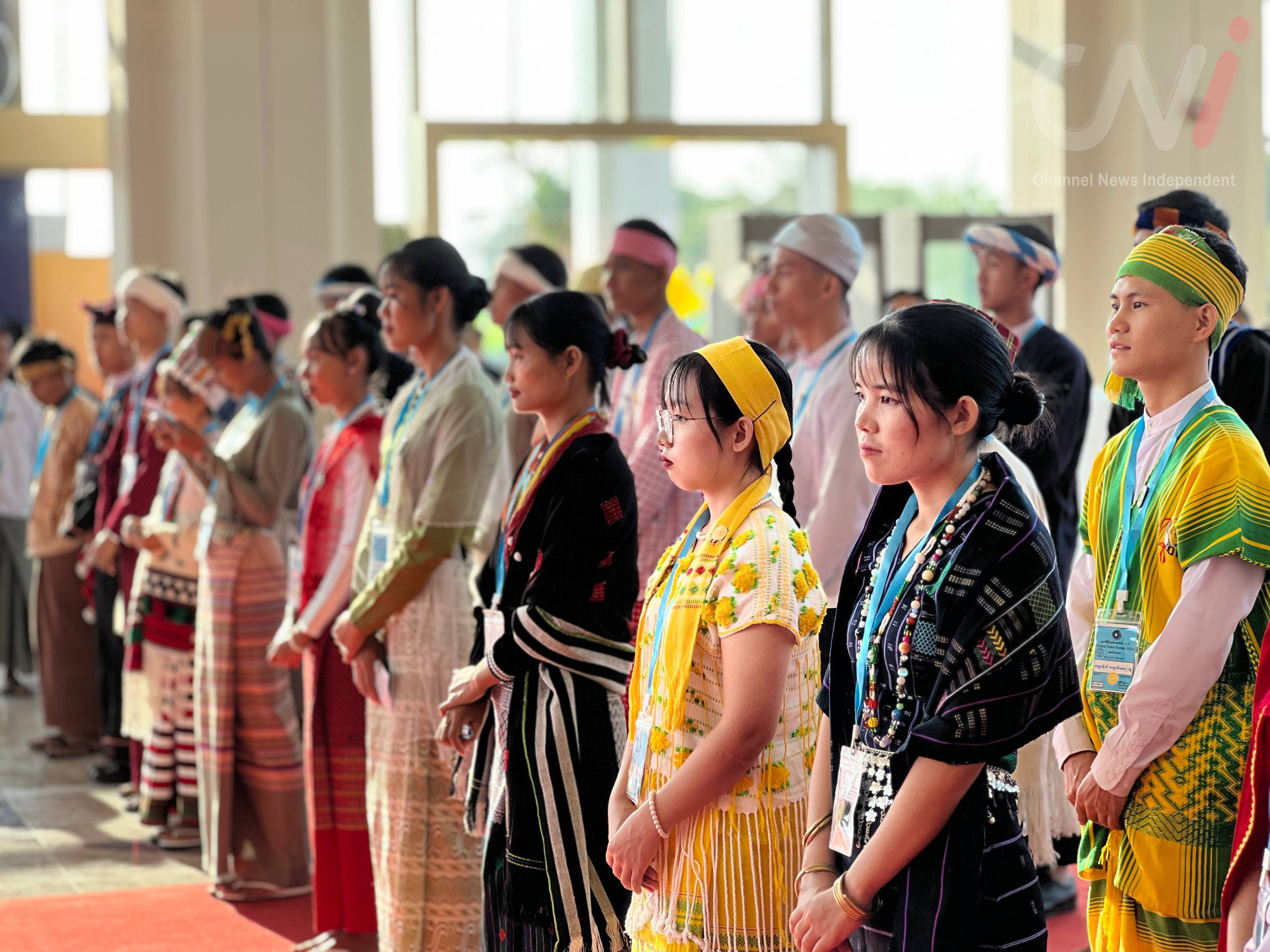
Ethnic youths seen together.
"Regarding what kind of new model should be used for the approach, when issuing a peace invitation, it must be done in a way that genuinely demonstrates a desire for peace. Both sides must show this willingness. Under Section 261 of the 2008 Constitution, only the President has the authority to appoint Chief Ministers for Regions and States. This strengthens centralization. It serves as a major obstacle to moving toward a genuine federal system. In reality, whoever wins the election in the respective State or Region should become the Chief Minister. Right now, the military and the USDP can team up to amend this section. To demonstrate a real desire to move toward a federal system, the new government should amend Section 261. If they make such an amendment, the other side might develop trust. In this way, peace could move one step forward."
Currently, the government led by President U Min Aung Hlaing has included dialogue for peace among the tasks to be carried out within its first 100 days. However, Ethnic Armed Organizations (EAOs) have low trust in the current government's peace process, and it cannot yet be assumed that the government can offer enough incentives to bring EAOs to the peace track, political analyst Dr. Myo Set Thwe told CNI News.
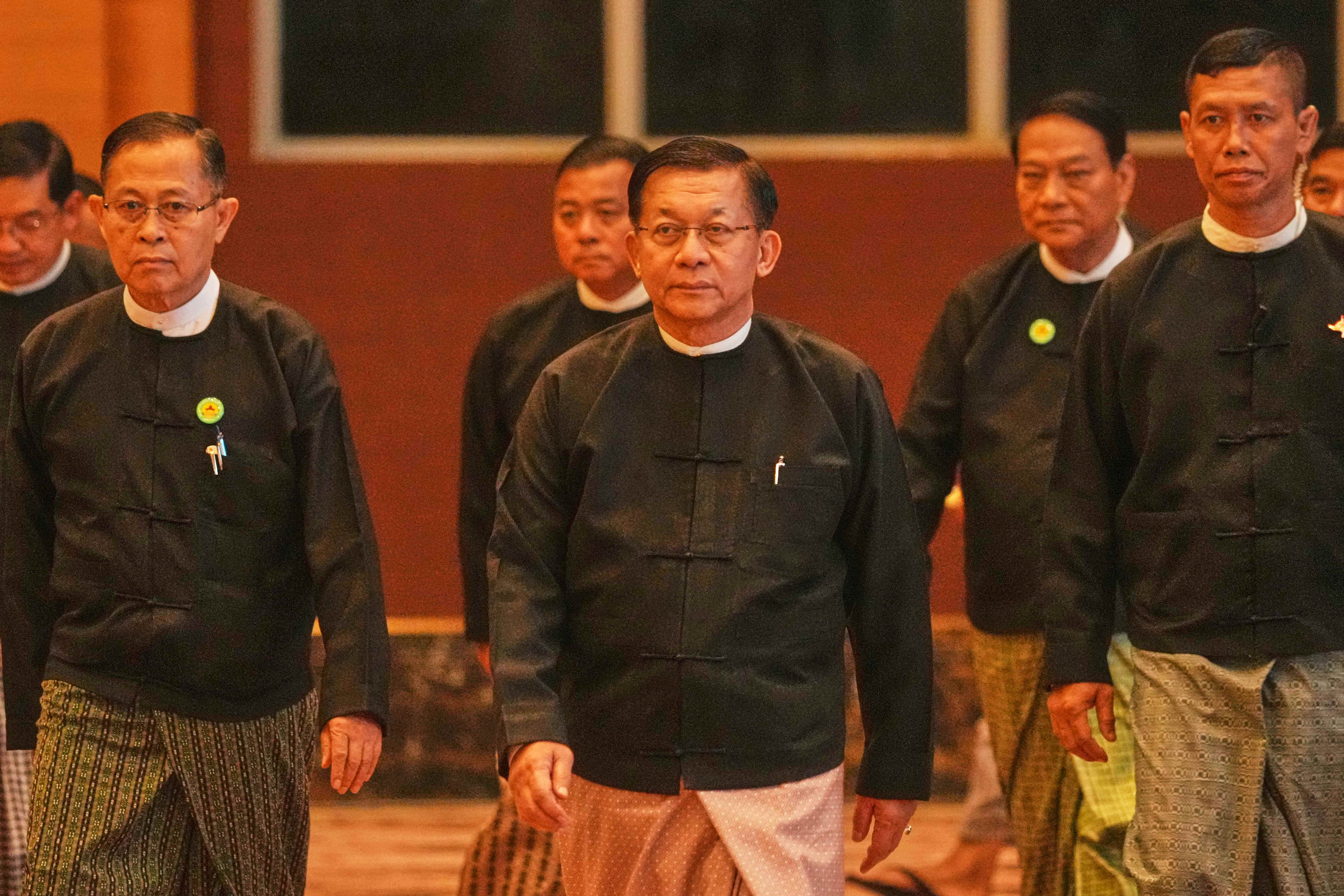
Government and military leaders seen together.
He said, "It can be inferred that the EAOs still have weak trust in the current government's peace process. Since some EAOs are connected with China, it would be smoother if China constructively participates and helps resolve the issues. The main thing is to gain the trust of the EAOs. It is necessary to clearly understand why they are bearing arms. There needs to be proper give-and-take. It won't work if the government speaks from a position of superiority just because they are the government. The government cannot yet provide the incentives needed to bring the EAOs onto the peace track."
Military and political analysts pointed out that while new thoughts and assumptions may emerge under the current unconventional political landscape, differences can be negotiated and resolved if interactions are carried out with the interest of the Union in mind.
They also highlighted that the government and the military should open the door for all relevant stakeholders to participate when issuing peace invitations, and should forge peace from a standpoint of inclusivity.