
CNI News
May 14, 2026
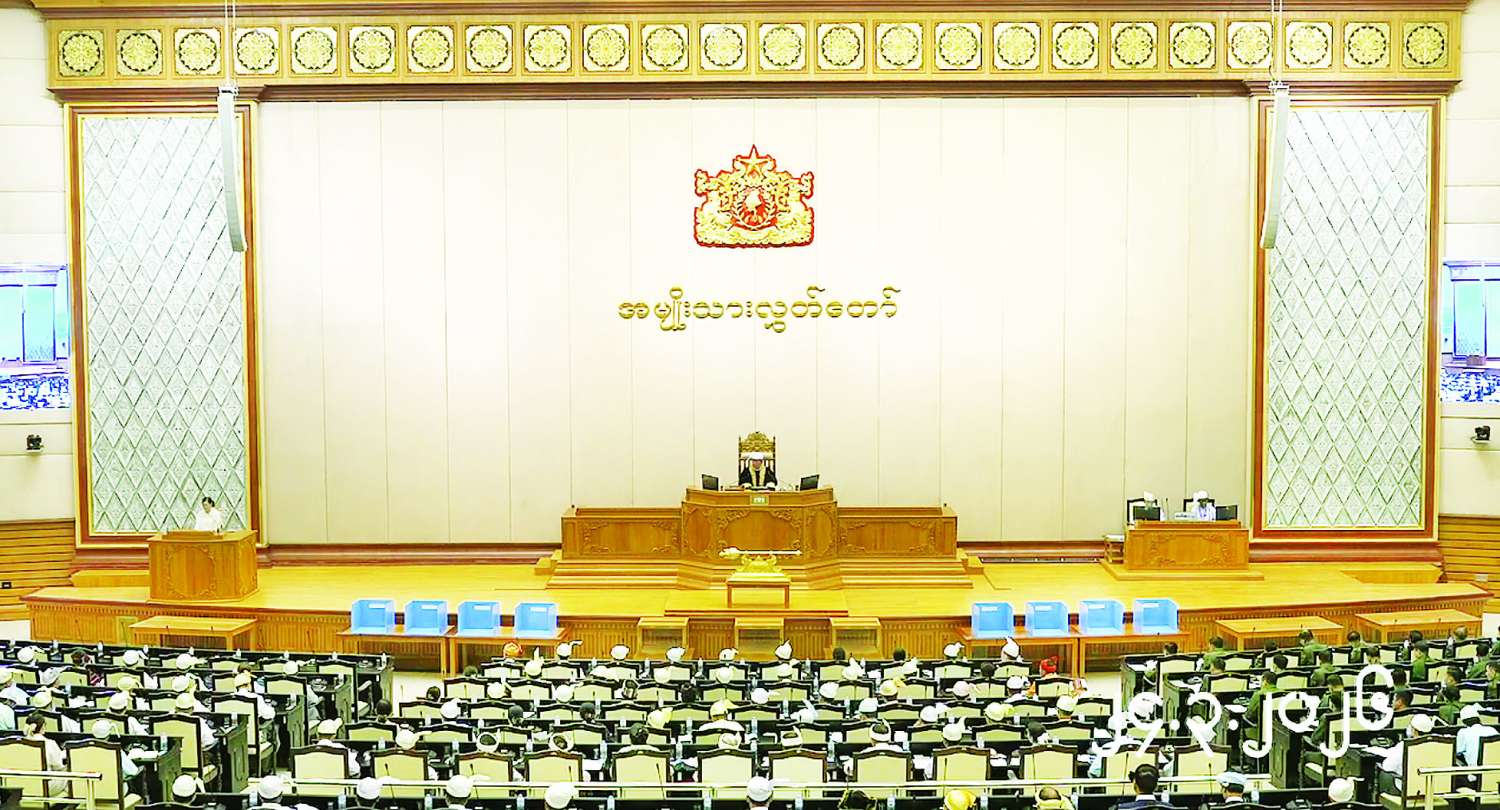
Former Member of Parliament (MP) Daw Sandar Min told CNI News that MPs need to decide whether they represent the country, their party, or themselves once they enter parliament(Hluttaw).
She noted that while members of the Philippine Parliament have been seen discussing Myanmar affairs in their own sessions, MPs in Myanmar are failing to stand firmly for the public regarding the issues occurring within their own country.
Daw Sandar Min said, "MPs elected through the polls have emerged. However, once they enter parliament, they need to choose: will they represent the nation, just their party, or themselves? The first parliament to emerge following these domestic conflicts is extremely important. They need to be brave. They need to stand correctly for what the country needs. With the country deteriorating everywhere, the lack of rule of law for the public, the need for national reconstruction, and the necessity of harmonious relations with neighboring countries—these representatives must decide whether they represent the party or the nation and stand firmly in parliament. Only then can they be called representatives who stand for the people. MPs need to have courage."
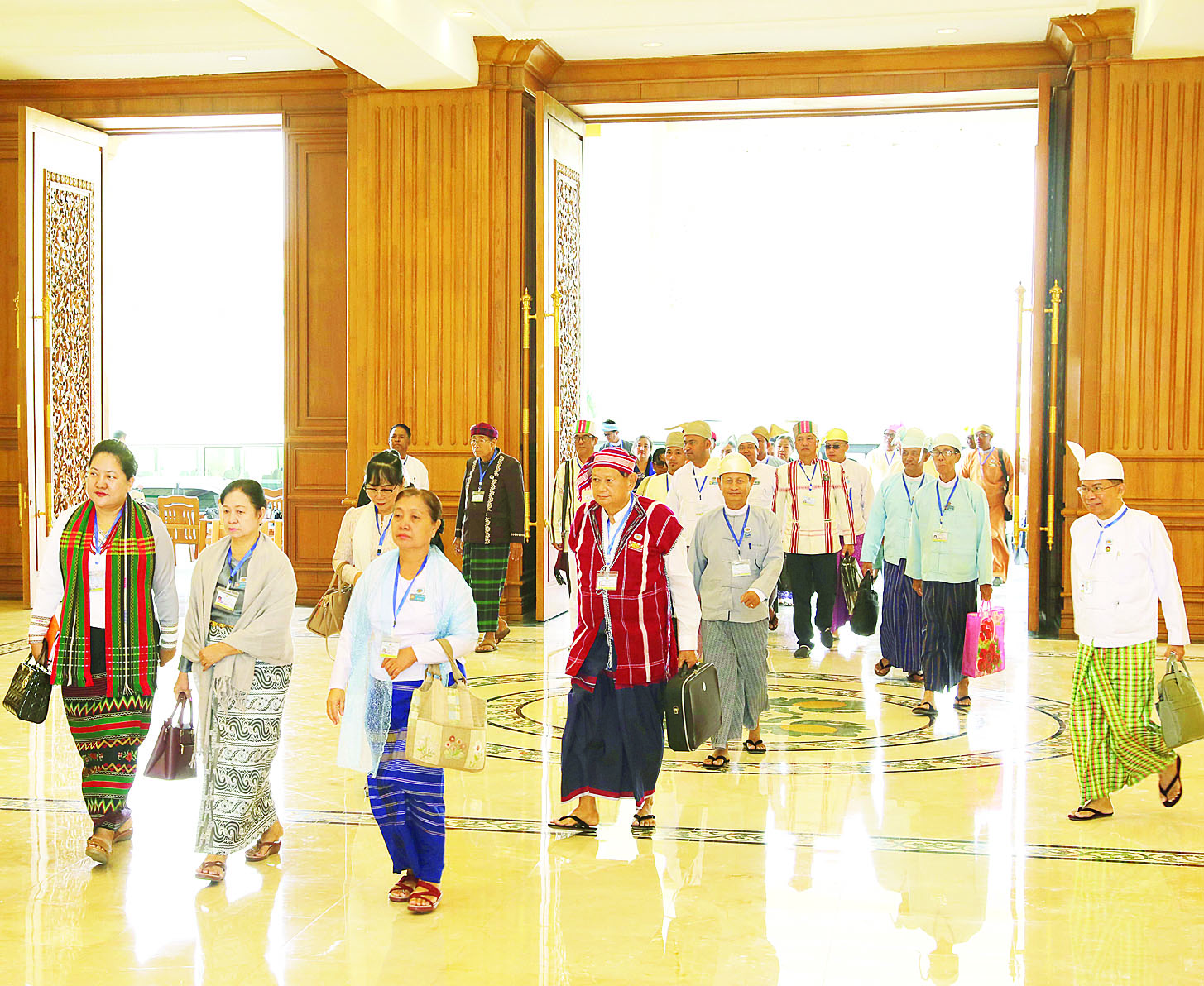
Members of Parliament seen together
MPs should primarily represent the interests, desires, and voices of the voters who elected them. As people's representatives, they are responsible for legislation, oversight of government actions, and presenting the needs of the public within the parliament.
Members of the public have commented that most MPs in Myanmar pretend to listen to the voice of the people before an election, but after winning, they spend their time focusing only on their personal interests. Despite campaigning on promises to address regional development, farmers' and workers' issues, job opportunities, and high commodity prices, they completely forget these promises once they gain power.
U Hla Swe, a Member of Parliament from the USDP, told CNI News that all MPs are the same and that the word "party" is not mentioned in the parliamentary motto.
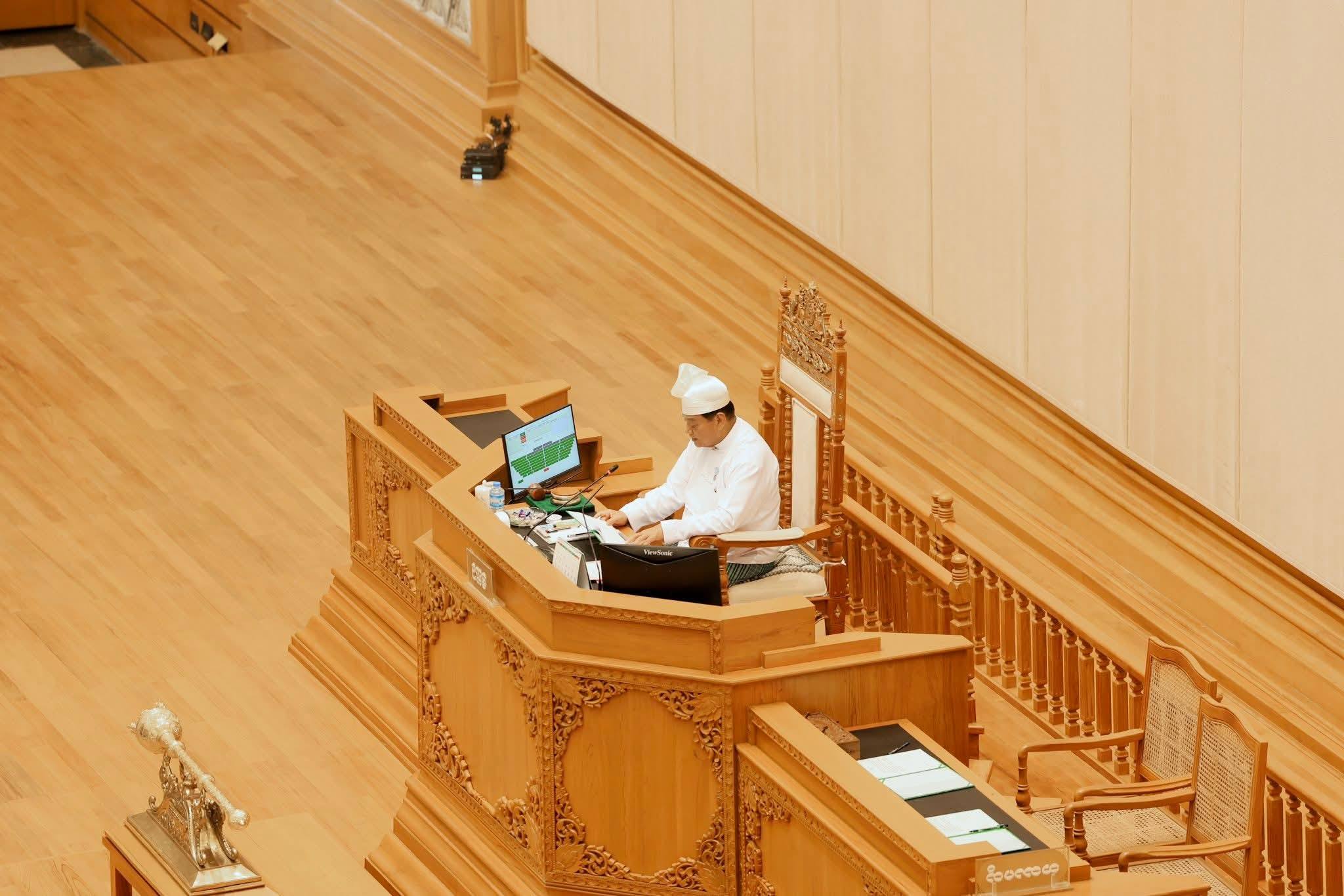
The Speaker of the Pyithu Hluttaw
He said, "Every MP is the same. Anyone enters parliament representing a party; they contest the election representing a party; the people vote. Since the people voted, they are people's representatives. It is certain that they represent the people. We have a parliamentary motto: 'The Voice of the Parliament is the Voice of the People; The Desire of the People is the Action of the Parliament.' There is no mention of a 'party' in the parliamentary motto. Currently, while parliament is in recess, we cannot ask questions or submit motions yet because the government is still being formed. The ministers haven't settled in yet, and some are new. Parliament will be convened on June 3."
Currently, the public is suffering from high commodity prices and facing various difficulties due to "Even/Odd" vehicle driving restrictions. However, MPs are not discussing these public hardships in parliament, fearing the displeasure of the government and their own parties.
Political analysts and the public point out that the parliament and government emerging in Myanmar must be ones that truly represent the people.
They further highlight that MPs need to understand the voices and needs of the grassroots public. The emergence of a parliamentary landscape signifies the birth of a culture of power-sharing; therefore, efforts must be made to develop a stronger political system and culture through a system of checks and balances.