
CNI News
May 14, 2026
Military and political analysts have pointed out that in peace negotiations between the government/military and ethnic armed organizations (EAOs), it is more appropriate to set the acceptance of the Nationwide Ceasefire Agreement (NCA) as a benchmark rather than insisting on the acceptance of the 2008 Constitution.
Political observers emphasize that peace talks should aim for political change without being hindered by preconditions. They noted that while there are claims of accepting a federal system, the reality remains confined within the framework of the 2008 Constitution, which lacks true federal characteristics.
A political analyst told CNI News that progress is unlikely if rigid preconditions are imposed during peace talks. He suggested that if any prerequisites must be set, it would be more effective to transition toward accepting the NCA rather than the 2008 Constitution.
"Preconditions usually include things like having to accept the 2008 Constitution or being barred from discussing the right to secession. Now, there are demands like troop positions returning to where they were before 2023. If these are made mandatory before talks even begin, we cannot move forward," the analyst said.
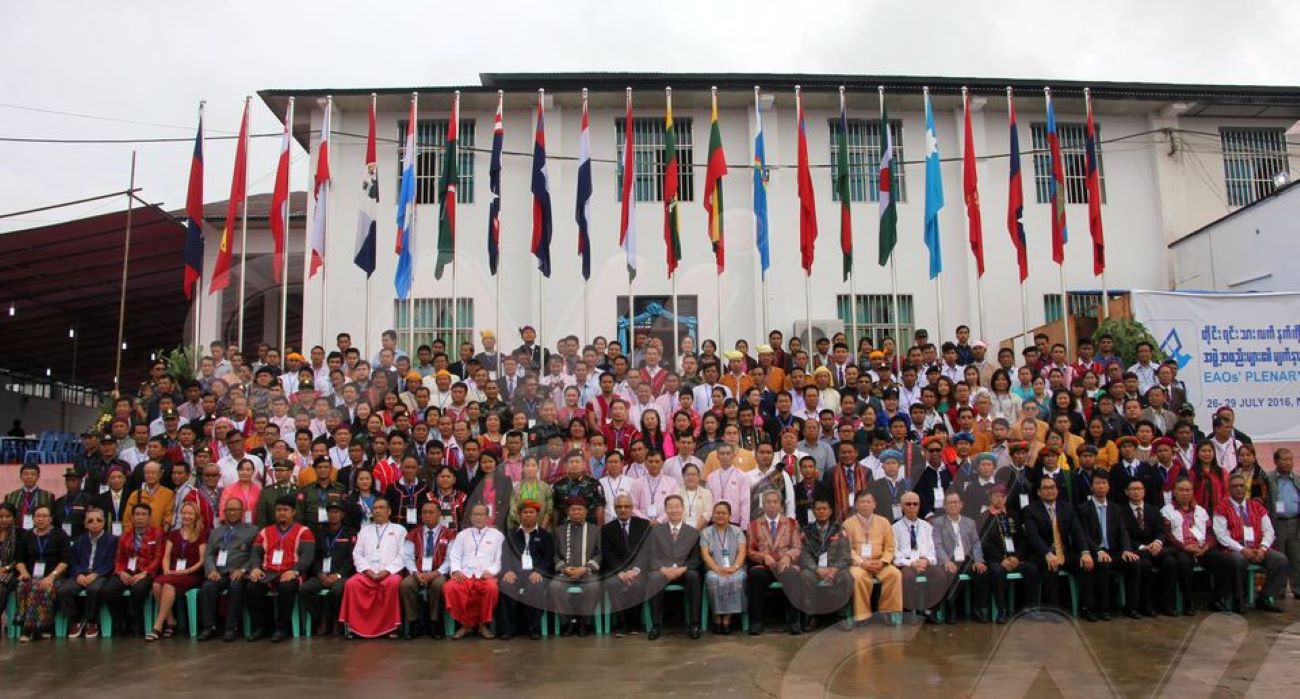
Leaders of armed organizations seen together.
He continued, "For the groups that have already signed the NCA, the path is clear: we are moving toward a federal democratic system. Therefore, rather than a restriction like accepting the 2008 Constitution, the NCA—which was already discussed and approved with other ethnic organizations—is a better foundation. Even groups like the AA and KIA once expressed willingness to sign the NCA, but the military rejected it at the time. According to inside information, when former President U Thein Sein asked if the military would accept it, Senior General Min Aung Hlaing refused. If we want to set a standard, accepting the NCA would make negotiations much smoother."
Military and political analysts further noted that holding talks without preconditions could lead to a temporary peace, which could then serve as a foundation for rebuilding trust and discussing long-term goals step-by-step.
Additionally, they emphasized that accountability and responsibility are vital in the peace process. Without them, success is unlikely, as peace can only be achieved after trust has been established.
Colonel Saw Kyaw Nyunt, spokesperson for the 7 EAO Alliance, told CNI News that the role of rebuilding trust is extremely important. He stated that the current government needs to make significant political concessions and efforts to revive the peace table.
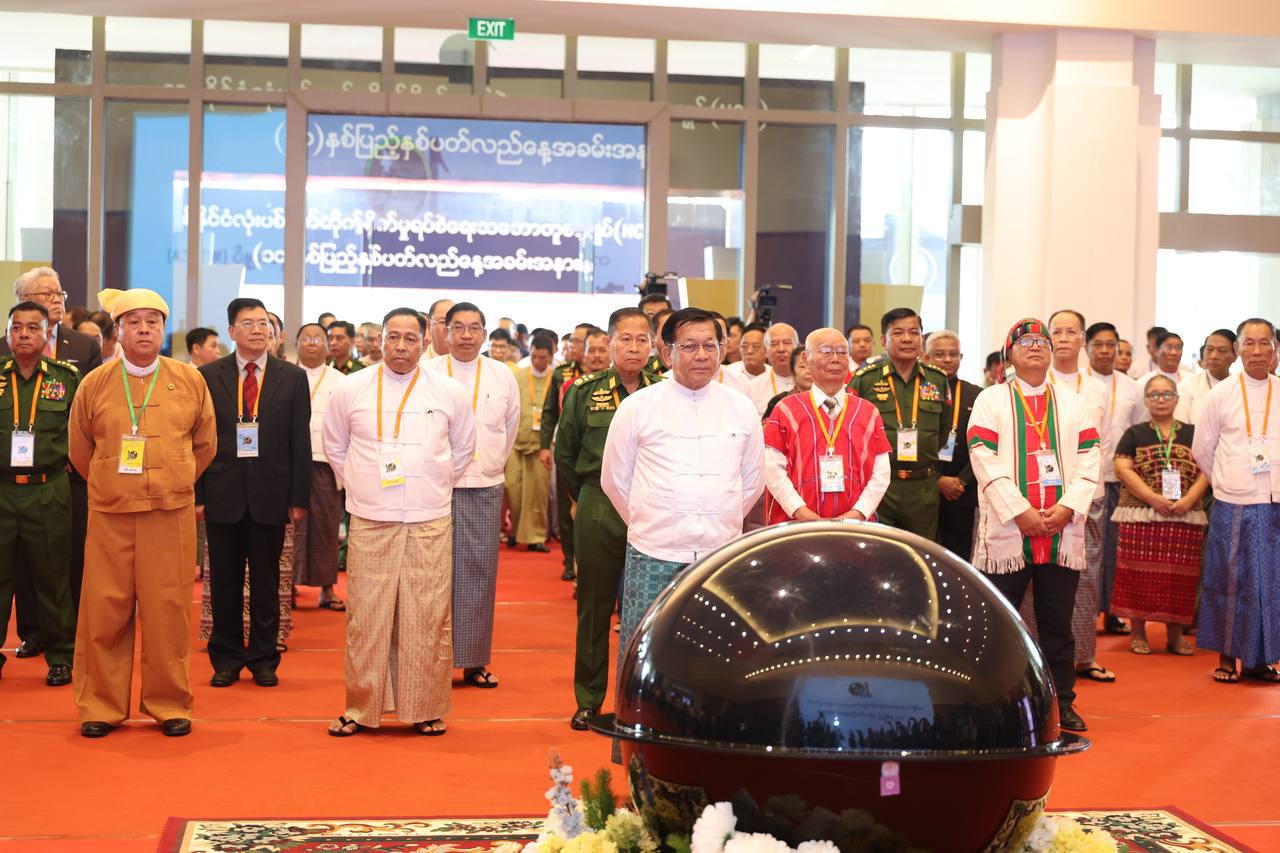
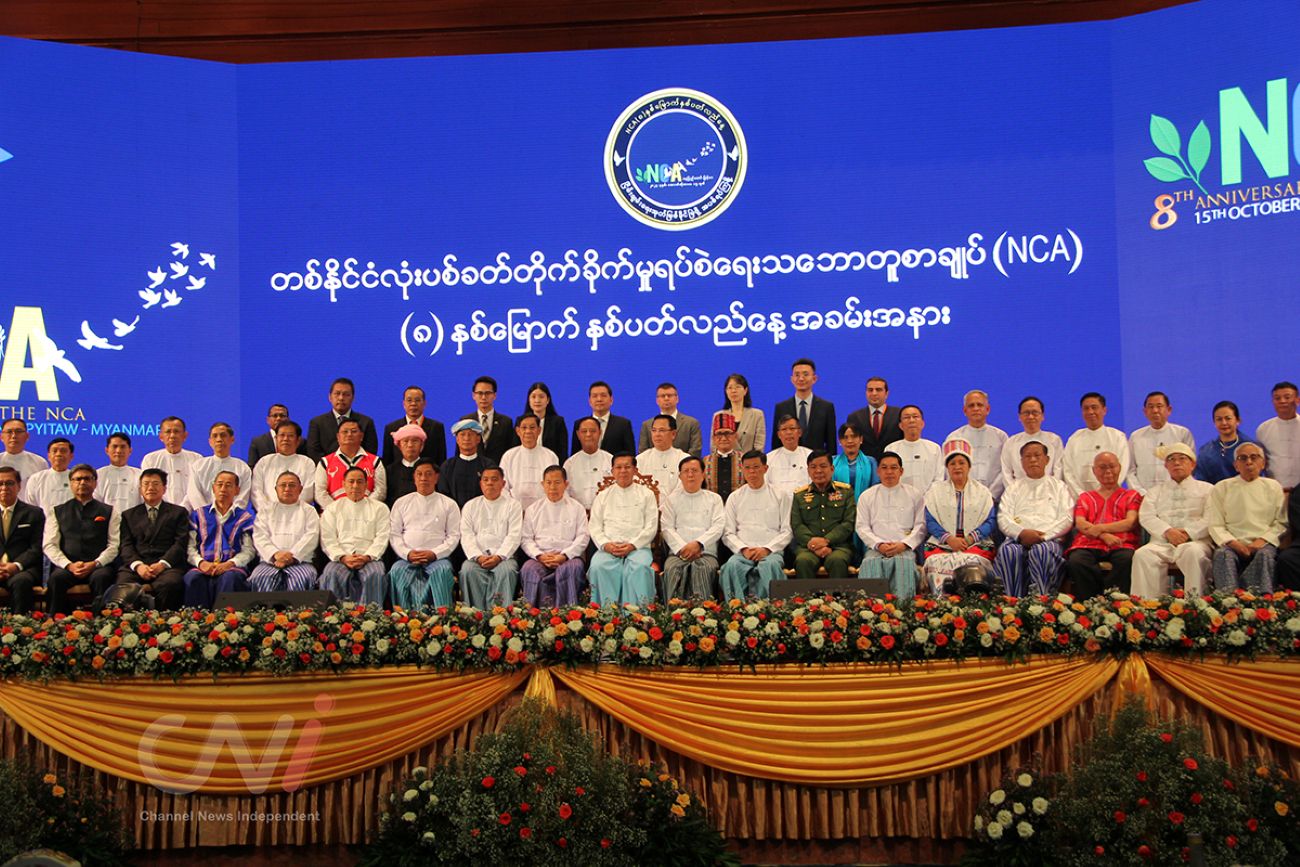
Attendees at the NCA Anniversary event.
"The peace we talk about is focused on firmly establishing a federal democratic union. When we say 'federal democracy,' the role of EAOs and ethnic political parties is vital, just as the role of the public cannot be ignored in a democracy," he said.
"Regarding the trust-building process, we have many discussion points. As the entity currently responsible for all state affairs, the government needs to exert more effort and show greater foresight. They need more patience and a better mindset than the EAOs. To bring peace talks back to the table, the government must provide significant political relaxation. Despite whatever difficulties or crises exist, they must bravely strive to create an environment for face-to-face dialogue," the Colonel added.
While Myanmar’s internal issues must be resolved domestically, military and political analysts also pointed out that international pressure and engagement remain crucial factors for the success of the peace process.