
CNI News
April 27, 2026
Business owners report that operations are facing significant delays following the Central Bank's decision last February to restrict cash withdrawals. The move was intended to prevent the flow of currency into the US dollar, gold, real estate, and automotive markets.
Economists and business analysts pointed out that imposing such controls on the economy hinders national growth and acts as a barrier to the country reaching its full economic potential.
Economic analyst U Thet Zaw told CNI News that instead of restricting transactions to control export earnings and the real estate, dollar, and gold markets, the government could utilize its authority through alternative taxation systems.
"Control it however you want, but you can control it through taxes. To put it simply, improve the E-government system. If E-government is effective, it’s impossible to bypass. We have always said that merely imposing limitations and tightening controls in Myanmar needs reform. It is unclear who is currently providing economic advice, but when the main structures are flawed, the national economy fails to grow as it should," he said.

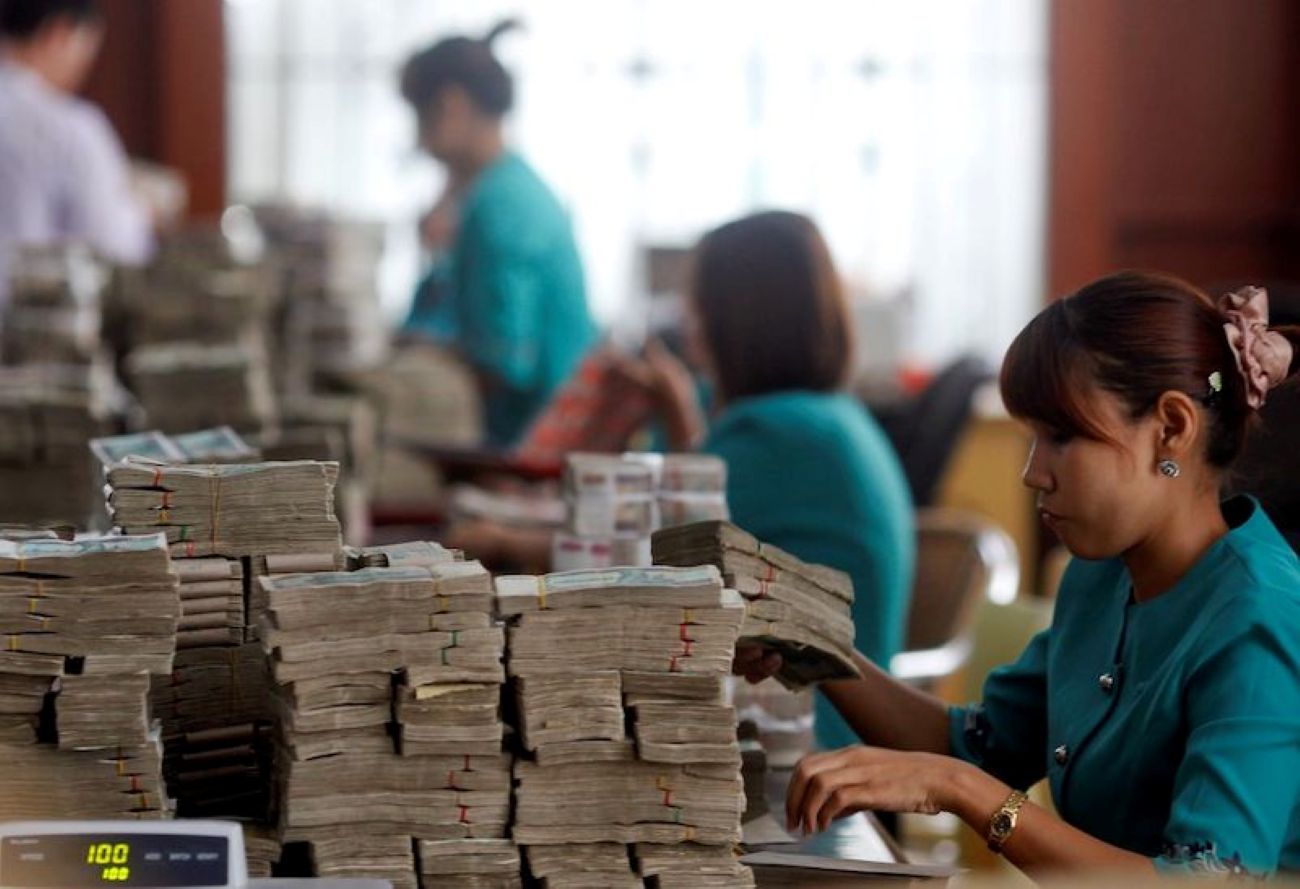
Images of Myanmar citizens at a bank.
Since the political changes in 2021, difficulties in withdrawing cash through banks have persisted. Currently, the primary issue facing the public and entrepreneurs is the limited amount of cash banks are willing to dispense.
While banks previously allowed withdrawals in the hundreds of lakhs (millions of Kyats), they are now restricting withdrawals to just 5 million Kyats (50 Lakhs), leading to operational bottlenecks. Additionally, reports suggest that gold shops are prioritizing cash buyers over those using online payment systems.
U Htay Aung Kyi, an economic and banking expert, told CNI News that restricting cash withdrawals primarily impacts the working class and further fuels inflation.
"The grassroots level will be hit the hardest. What will people do once they get their money? They buy land or gold because those assets don't lose value. They might hold them for a month or two, or even just a few days, then sell for a profit. This cycle increases consumption and drives inflation higher than necessary," he explained.
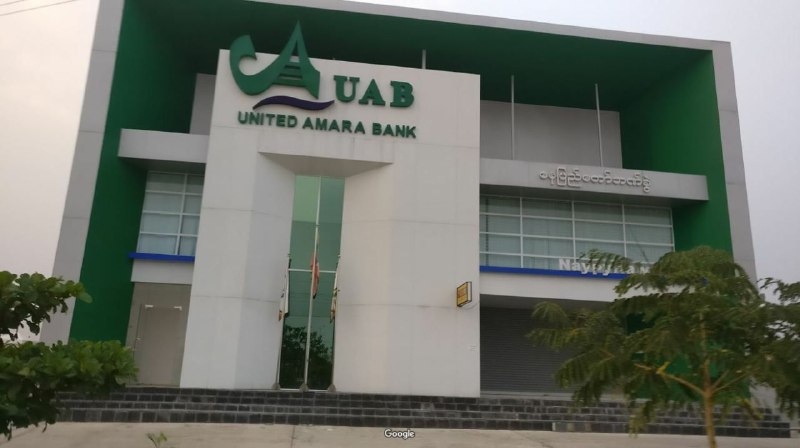
Image of a UAB Bank branch.
While the current new government’s "100-Day Plan" includes initiatives regarding business operations, entrepreneurs and observers are closely watching how the Central Bank—a key player in the monetary sector—will make adjustments.
Analysts also pointed out that as the international community shifts toward reducing cash usage, Myanmar needs to focus more seriously on digital payment systems.
Currently, while banks such as AYA, KBZ, CB, and others are limiting withdrawals of deposits, members of the public noted that UAB Bank has not imposed such restrictions, leading to an increase in new account openings at UAB.