
CNI News
April 23, 2026
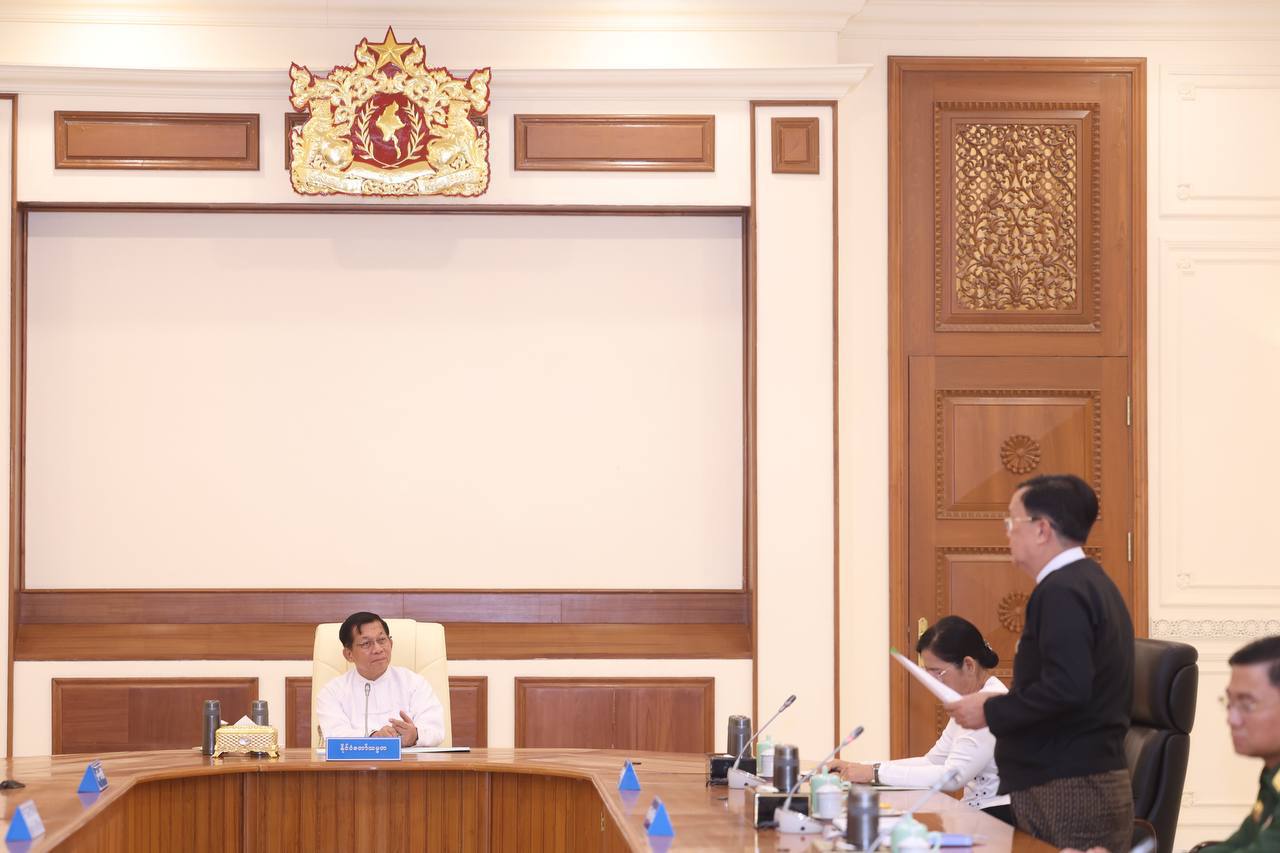
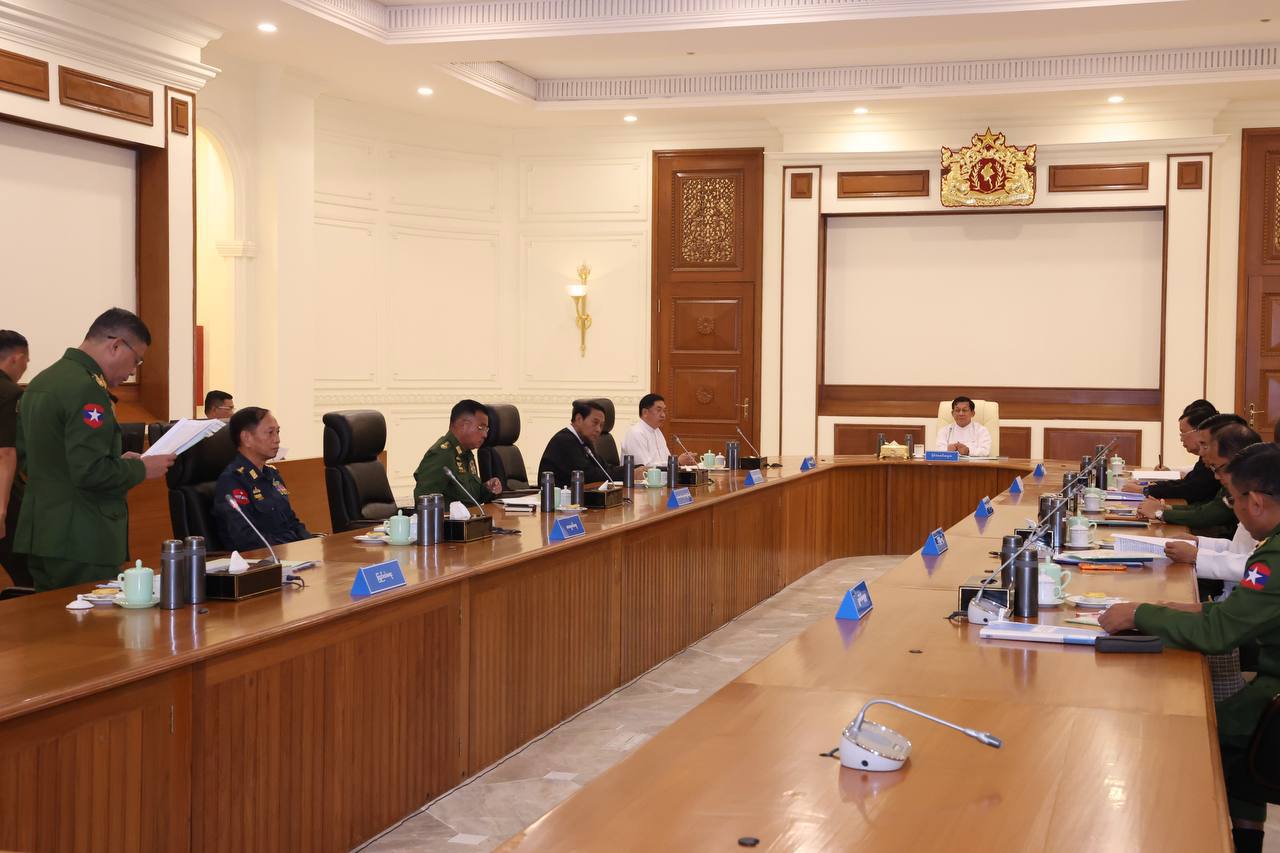
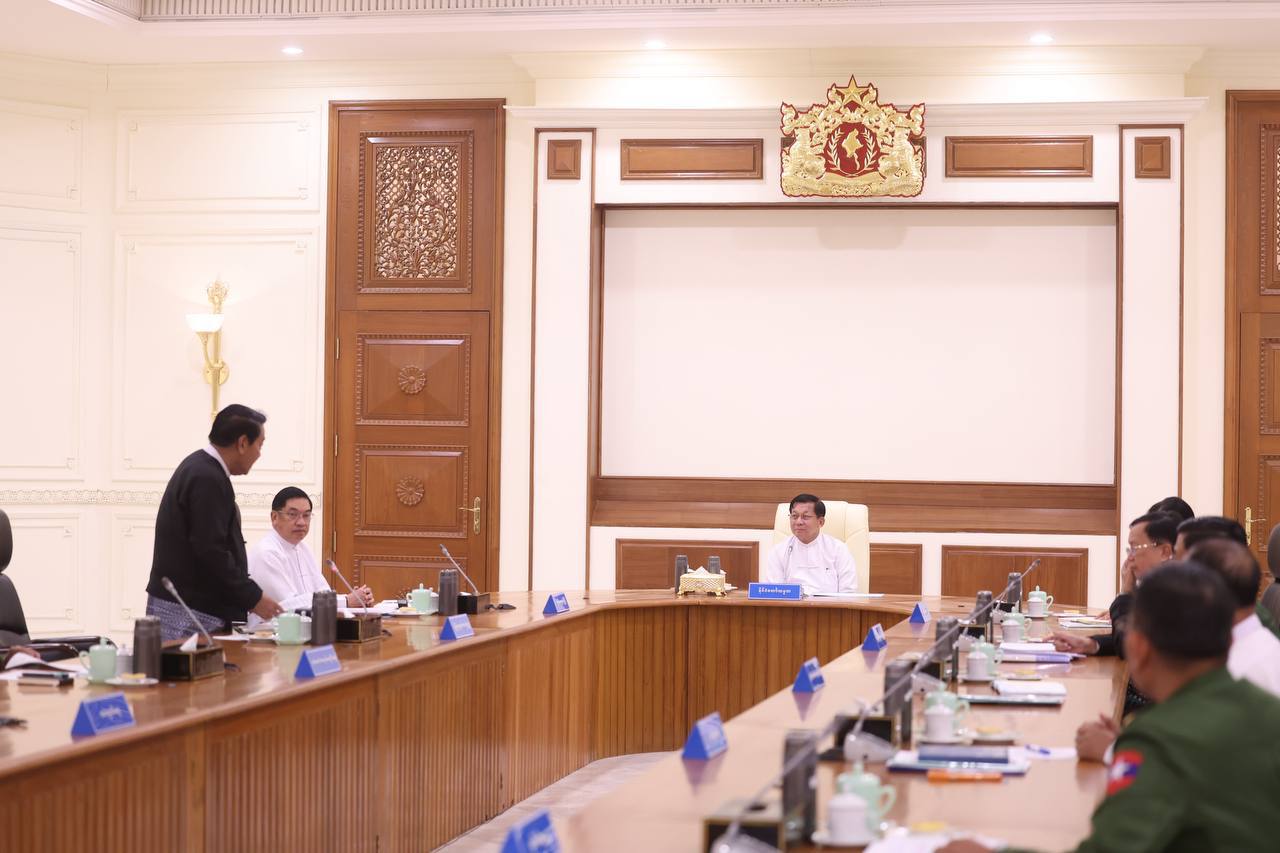
For the sake of national stability and development, administrative bodies at the ward, village, and township levels—including the Military and the Myanmar Police Force—must be free from corruption, stated President U Min Aung Hlaing.
He noted that during the current five-year term, it is essential to enhance the capabilities and power of the Military and the Myanmar Police Force to ensure national peace. He added that measures must be taken to ensure they maintain good discipline in their conduct and attire while remaining free from corruption.
Regarding administrative bodies, the President emphasized that organizations at the ward, village, and township levels, which interact directly with the public, must be competent and possess a clear understanding of the rules, laws, and basic principles of administration set by the state.
"Administrative groups need to be free from corruption," he said. "Therefore, they must be systematically trained to become capable administrative bodies."
In Myanmar, government employees serving under successive administrations have historically committed high levels of corruption, resulting in a lack of integrity within the government mechanism.
During the period of military governance from 2021 to 2025, corruption remained prevalent, leading to the arrest and prosecution of high-ranking military and police officials, as well as staff from various administrative departments.
Currently, there are reports of ward and village administrators committing acts of corruption by using the military service law as a pretext. There are also allegations of power abuse regarding the seizure of land in public recreation areas, and bribery involving guest list registrations and inspections.
Similarly, municipal staff at the township, district, and regional levels are reportedly bypassing legal regulations for high-rise buildings and other constructions in exchange for bribes. Further allegations include granting completion certificates regardless of quality standards due to bribery, and abusing power to allocate land plots to family members and close associates.
Furthermore, it is reported that Union-level ministers have engaged in bribery to issue permits and business concessions. Region and State Chief Ministers and ministers have also been accused of corruption by allocating land and business opportunities to their inner circles and relatives.
Members of the public have pointed out that to truly eliminate corruption in Myanmar, an Anti-Corruption Commission should be formed with representatives from various sectors, including social organizations, civil society groups, political parties, members of parliament, and the media.