
CNI News
April 23, 2026
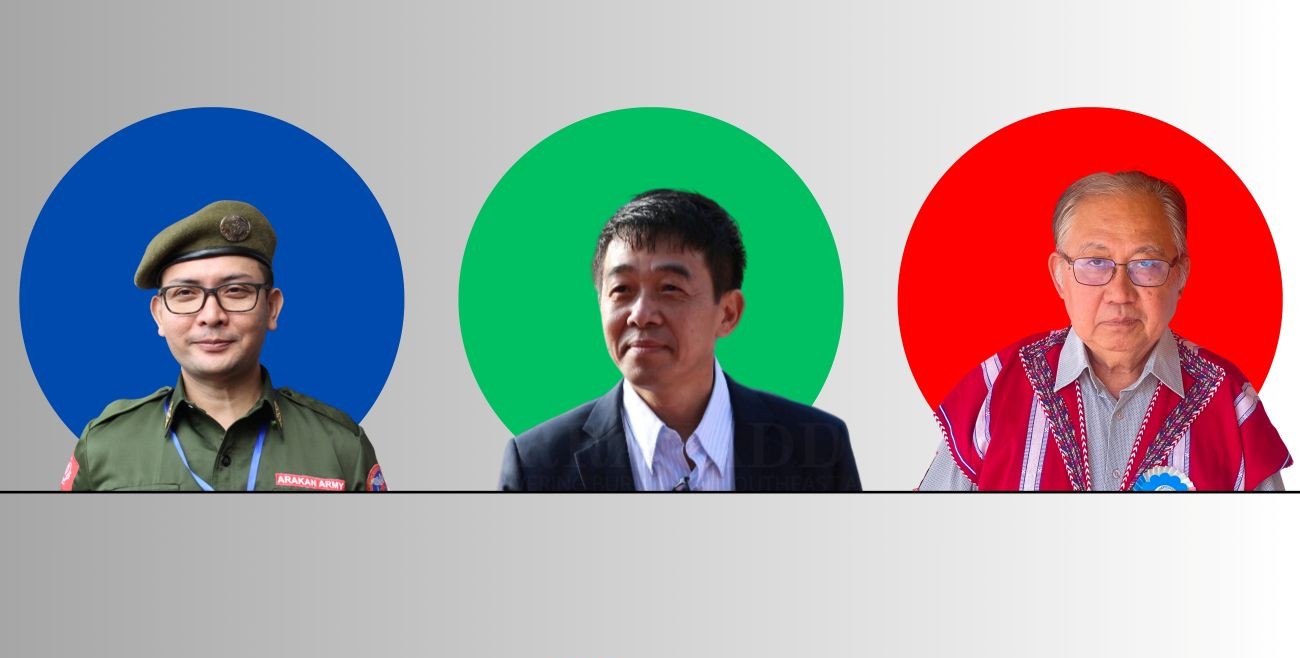
The new government led by President U Min Aung Hlaing will face numerous multi-faceted crises. Among them, the Kachin, Rakhine, and Karen regions pose the greatest difficulties, political analyst Dr. An Kaw La told CNI News.
He noted that resolving political conflicts and establishing peace with the armed organizations in these three regions is a significant challenge for the new administration. He believes the government must strive intensely to reach a resolution within the next two years.
"In my view, there are three regions. It’s hard to say which one is the biggest difficulty right now because all three are simultaneously important," Dr. An Kaw La said. "First is the point of negotiation with the KIA/KIO in Kachin State, Northern Myanmar. Second is Rakhine, which is also very important as it opens up the entire western maritime front. Third is Tanintharyi in Southern Myanmar. In Tanintharyi, the Win Wa battles were significant recently; reports suggest the Union Government has been able to retake that area. Tanintharyi is close to the Malacca Strait trade route and is where the Dawei Deep Sea Port project is to be implemented—it’s a strategic location for Myanmar. KNU Brigade 4 has been dominant there, so we must be very cautious, especially regarding the KNU. Now, the Myawaddy routes have opened, and trade routes need to be operational. On the other side, the Muse-Mandalay route in the northeast needs to open as well. The new government is striving hard for these. Simultaneously, how to handle peace issues and political conflicts in these three areas is a real challenge. I see that they must try very hard to reach a resolution within two years."
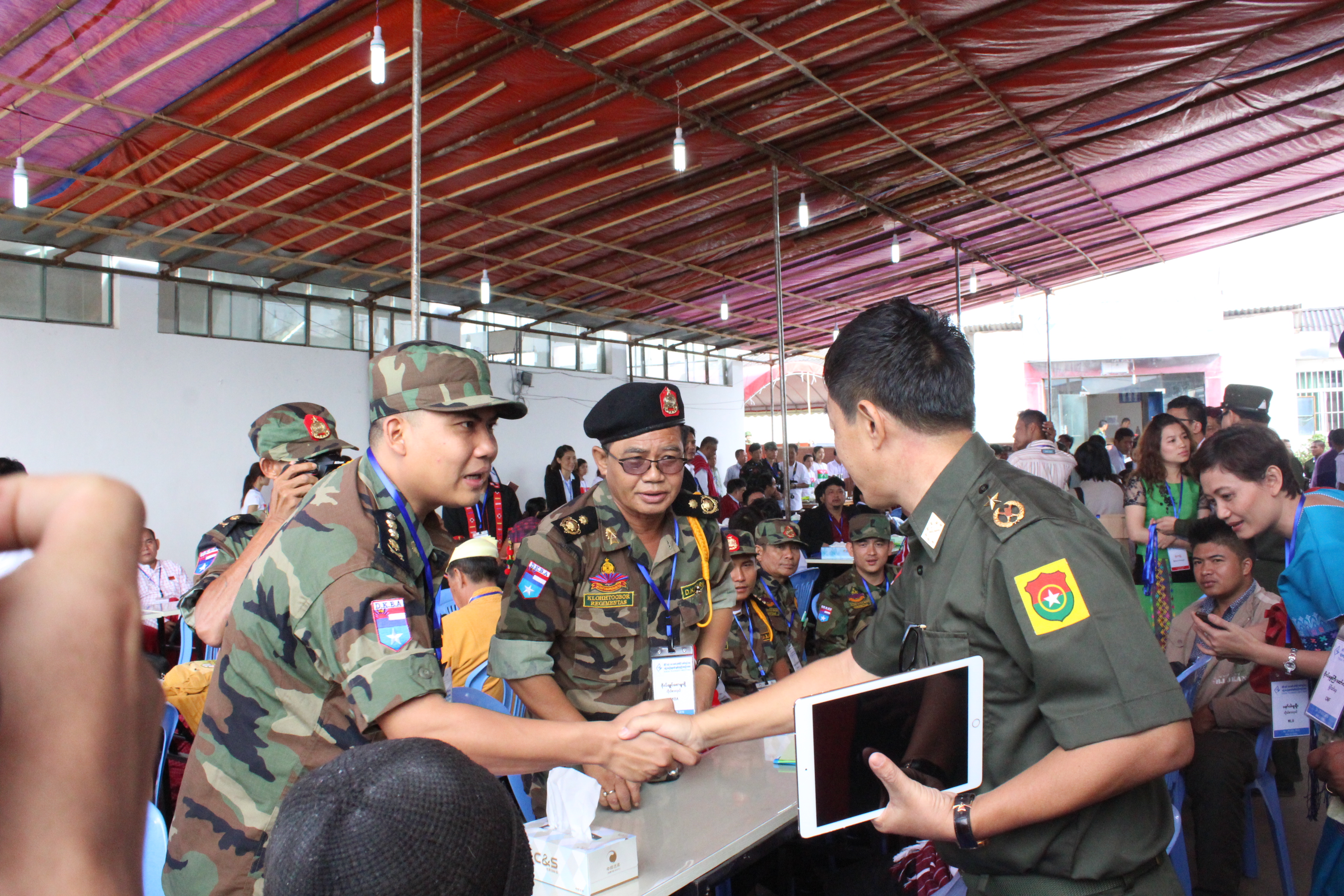
Some leaders of the KIA and the DKBA.
Currently, the government cabinet mostly consists of former top officials from the previous five-year term. Rakhine and Kachin ethnicities have been given leadership roles in the parliament, and a Karen individual has been appointed as Vice President.
The Kachin, Rakhine, and Karen ethnic armed organizations (EAOs) are groups that have grown stronger amidst the political changes following 2021 and have been conducting military operations in cooperation with "Spring Revolution" forces.
Colonel Khun Okkar, Chairman of the Pa-O National Liberation Organization (PNLO-NCA/S), a signatory of the Nationwide Ceasefire Agreement (NCA), told CNI News that if the government can provide public welfare, rehabilitation, peace, and stability, other problems will become much easier to solve.
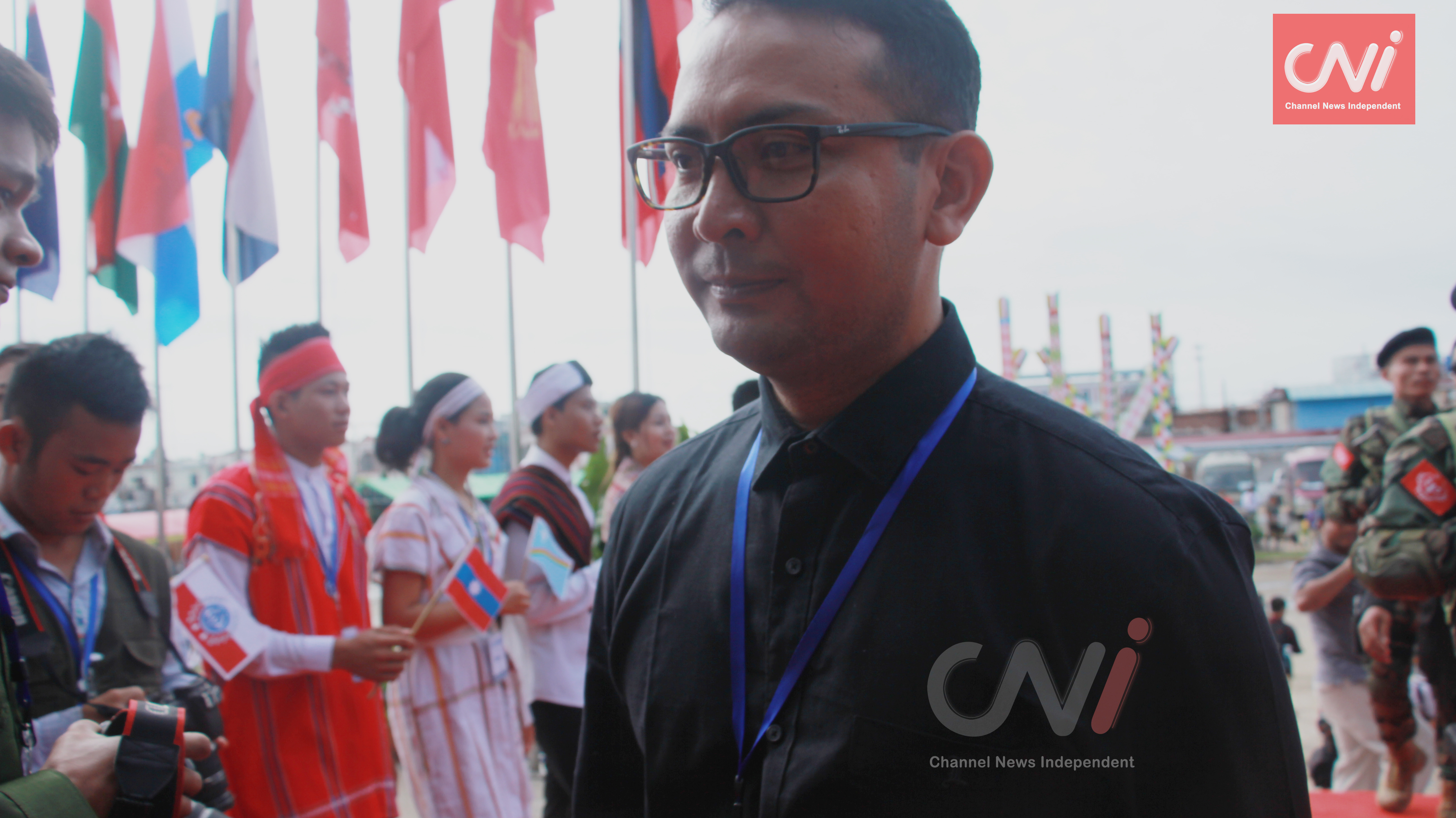
AA leader General Tun Myat Naing.
"It’s all regions. From Kachin to Rakhine, Chin, Karenni, and Karen—all regions currently in conflict have major problems. It's not that one is bigger or smaller than the other," he said. "The Kachin issue exists, but Kachin is politically savvy and flexible; I think it can be resolved. Especially the Karenni and KNU issues in the south, and the Tanintharyi Region issue where various armed groups are fighting. These are the problems the new government will face in the coming five years. Therefore, if they can create peace and stability and provide for the basic welfare and rehabilitation of the grassroots people, resolving the remaining issues will be a bit easier. There are many citizens who are not combatants. If the suffering of the majority can be addressed, I believe it will be much easier to solve the problems I mentioned. That is what I would like to suggest."
On April 20, 2026, President U Min Aung Hlaing issued an invitation to all PDFs, NCA-signatory EAOs, and non-signatory groups to meet and discuss peace within a 100-day period—from April 20 to July 31.
Military and political analysts point out that while there are hundreds of armed groups in Myanmar post-2021, if peace can be achieved with the three main Kachin, Rakhine, and Karen armed groups, it will simplify the path to resolving the wider armed conflict.