
CNI News
April 21, 2026
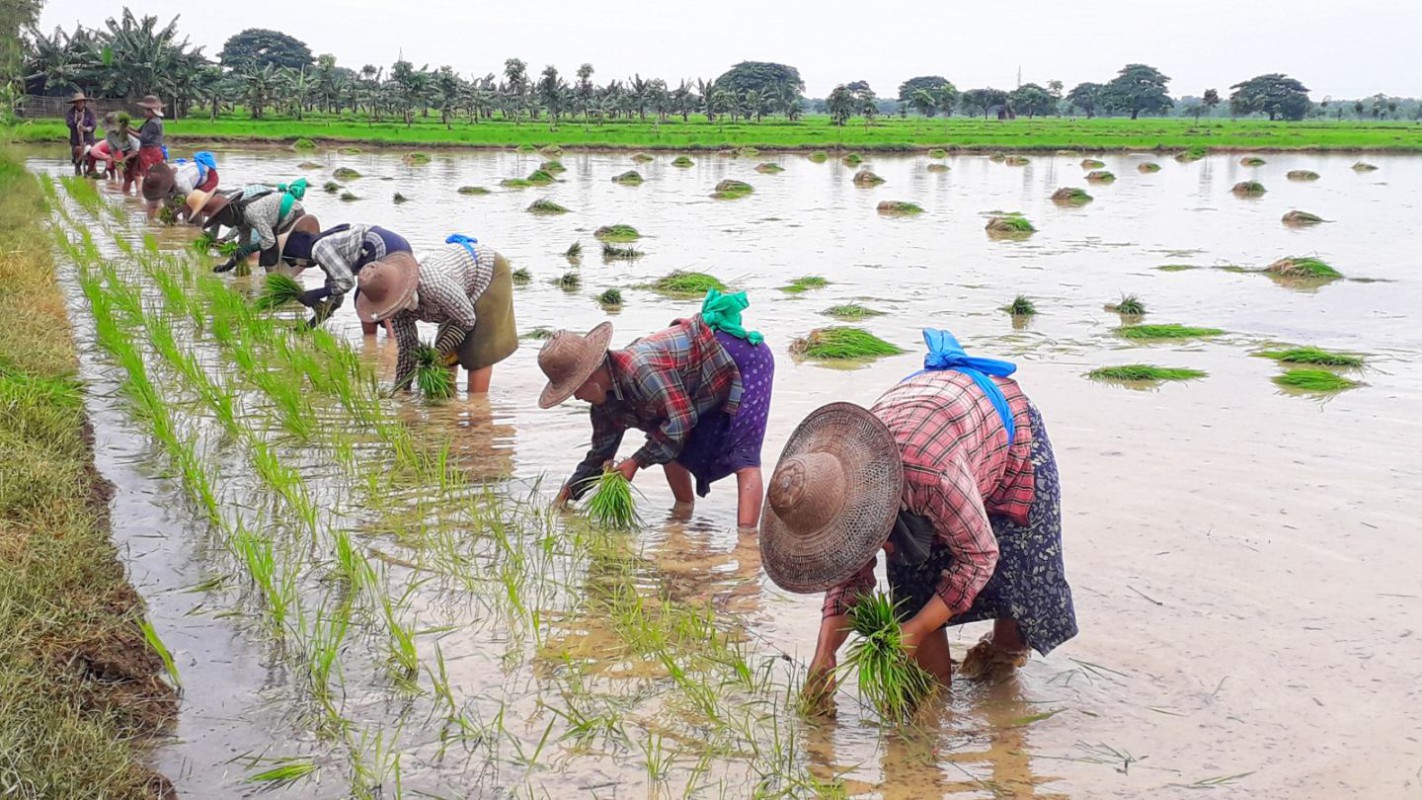
Rice cultivation in Myanmar could decline by up to 10% due to the current fuel crisis, according to various farmers' associations.
Because there is no specific fuel quota allocated for farmers, they are forced to purchase fuel on the black market for nearly 3 million MMK per barrel—if they can even find it at all.
U Thein Aung, former chairman of the Farmers Development Association, told CNI News that rice cultivation for this year’s rainy season could drop by 10%, and even in areas where planting does occur, about 50% of the work will be done haphazardly rather than systematically.
"Regarding the rainy season paddy, under the current situation, fields with uncertain yields or unreliable water access won't be farmed if fuel remains scarce. Those who usually plant two crops a year will likely scale back to just one. In the Ayeyarwady Region, the total acreage might only drop by about 10% because some farmers have no choice but to plant. However, the extent of systematic and proper cultivation will likely drop by 50%," he said.
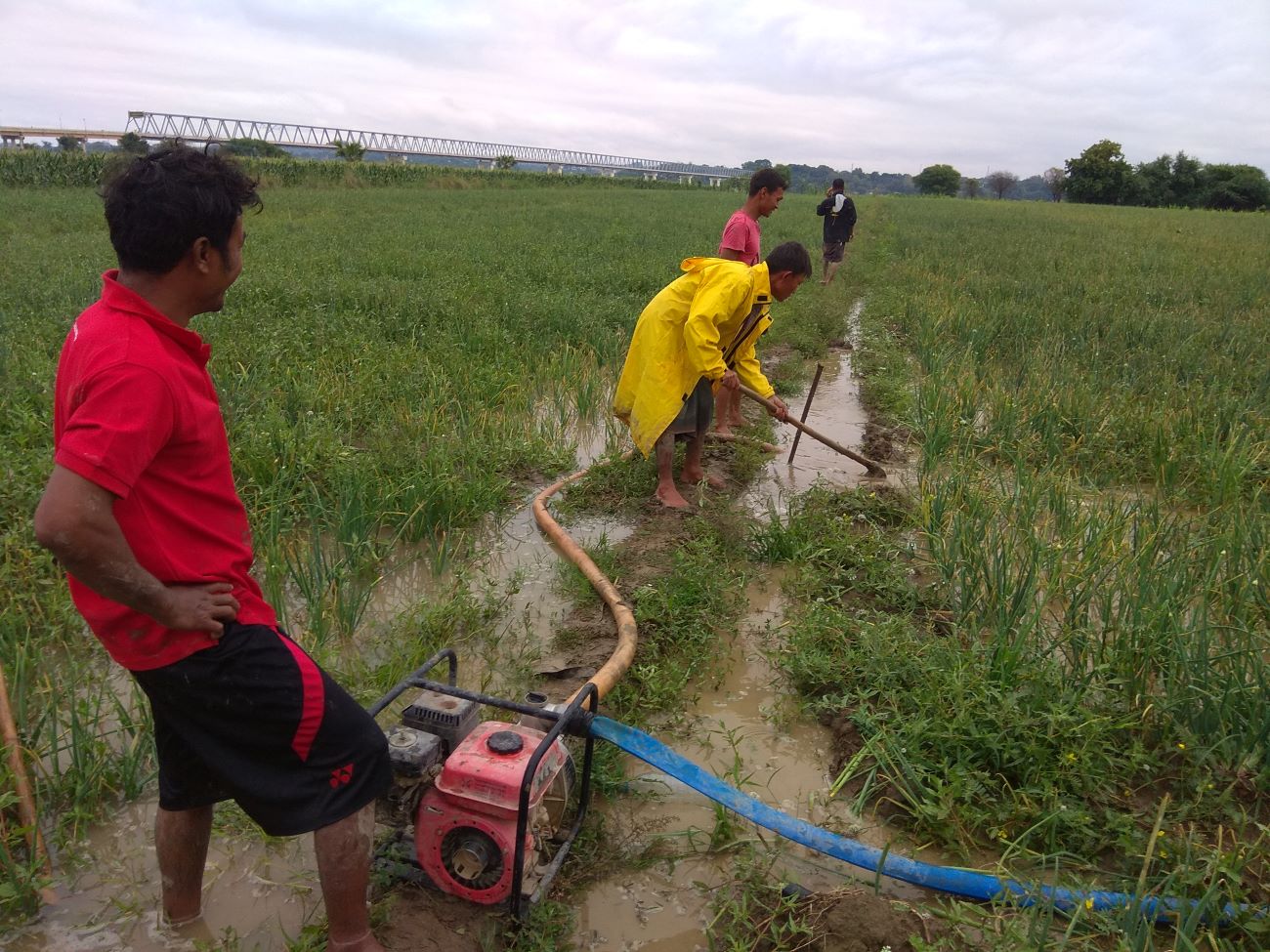
Farmers irrigating their fields.
Farmers reported that although fuel sales for agricultural purposes require recommendations from local administrators, they are still unable to obtain sufficient supplies.
While the Rice Millers Association occasionally sells fuel quotas at 1.9 million MMK per barrel, farmers on the ground are often forced to pay between 2.6 million and 3 million MMK.
U Aye Myint, a farmer from Kyaunggon Township, told CNI News that regular cultivation will only be possible if fuel is distributed through a quota system managed by the relevant Departments of Agriculture and village administrators.
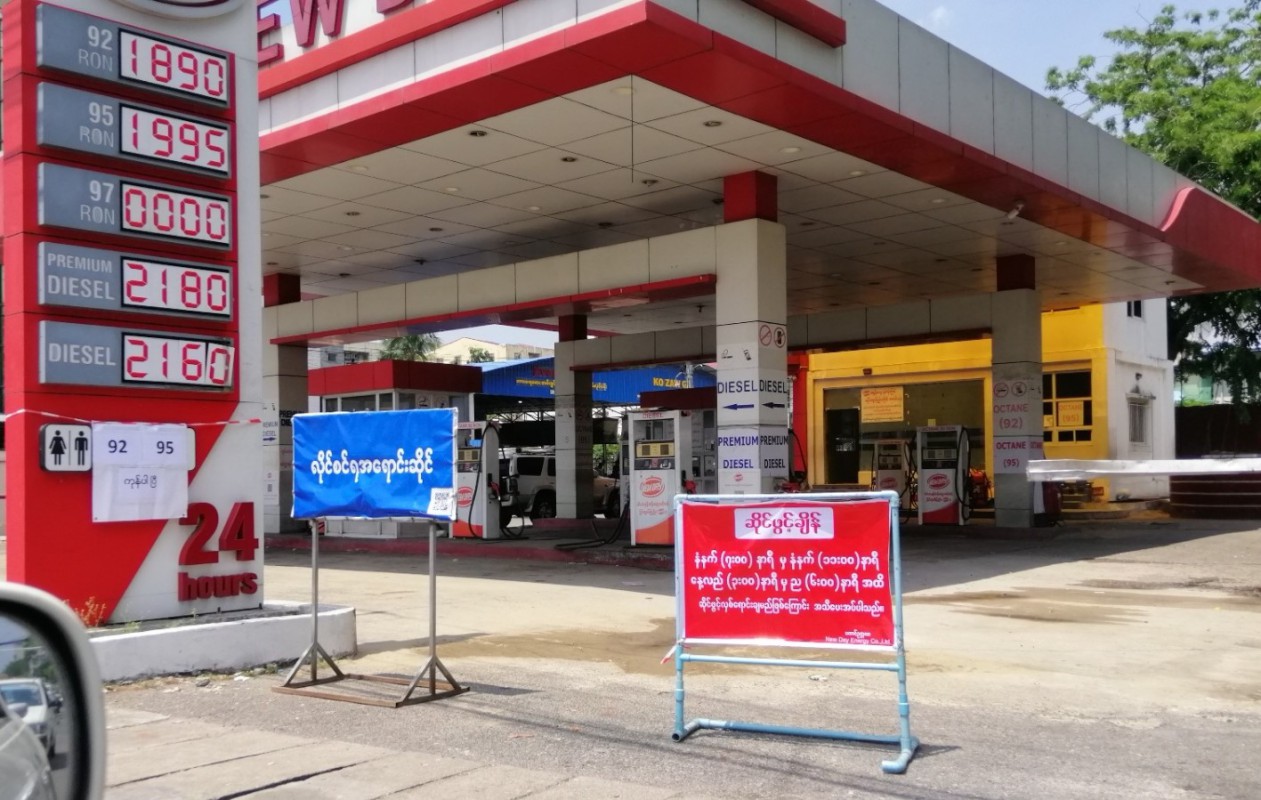
A fuel station seen in Myanmar.
"The acreage for rain-fed paddy is already recorded at the village tract level, the Township Agriculture Office, and the Township General Administration Office. For example, if a village tract has 1,000 acres, they should be allocated 2 gallons per acre—totaling 2,000 gallons. If village administrators were responsible for collecting the total amount for the entire group and redistributing it, it would truly support the agricultural sector. That way, we could farm every year without the industry being hampered," he said.
Farmers noted that despite rising fuel prices, the price they receive for their paddy remains between 1.2 million and 1.6 million MMK per 100 baskets. They explained that a profit is only possible if an acre yields 150 baskets; those yielding less are facing financial losses.
Furthermore, the World Food Programme (WFP) has released a statement noting that Myanmar is facing a dire situation. This is due to rising prices and shortages of fuel and fertilizer driven by conflicts in the Middle East, forcing a reduction in agricultural inputs.