
CNI News
April 11, 2026
Amid leadership changes within the military, the security situation could become more tense, while at the same time peace negotiations may re-emerge, according to Colonel Khun Okkar, Chairman of the Pa-O National Liberation Organization (PNLO-NCA/S), a signatory to the Nationwide Ceasefire Agreement (NCA).
On March 30, 2026, General Ye Win Oo assumed the position of Commander-in-Chief of Defence Services, while Lieutenant General Kyaw Swar Lin was appointed as Deputy Commander-in-Chief.
Based on these leadership changes, Colonel Khun Okkar said it does not appear that the military situation will ease compared to the current conditions.
He said:
“This relates to the background of the individual who has become Commander-in-Chief. He previously served as Chief of Military Security Affairs. The Office of the Chief of Military Security Affairs (OCMSA) is known for being somewhat hardline in handling people.
Those coming from such a background are unlikely to reduce military intensity. Like former figures such as General Khin Nyunt, officials from OCMSA tend to be decisive and firm, particularly in interrogation and security matters.
Now that he has become Commander-in-Chief, his approach in dealing with neighboring countries, the international community, and other armed groups may reflect that OCMSA mindset, which could lead to a more rigid stance.
Lieutenant General Kyaw Swar Lin is not much different either. There are reports suggesting he also holds relatively hardline views. Therefore, the overall situation may become more decisive and firm on the military front.”
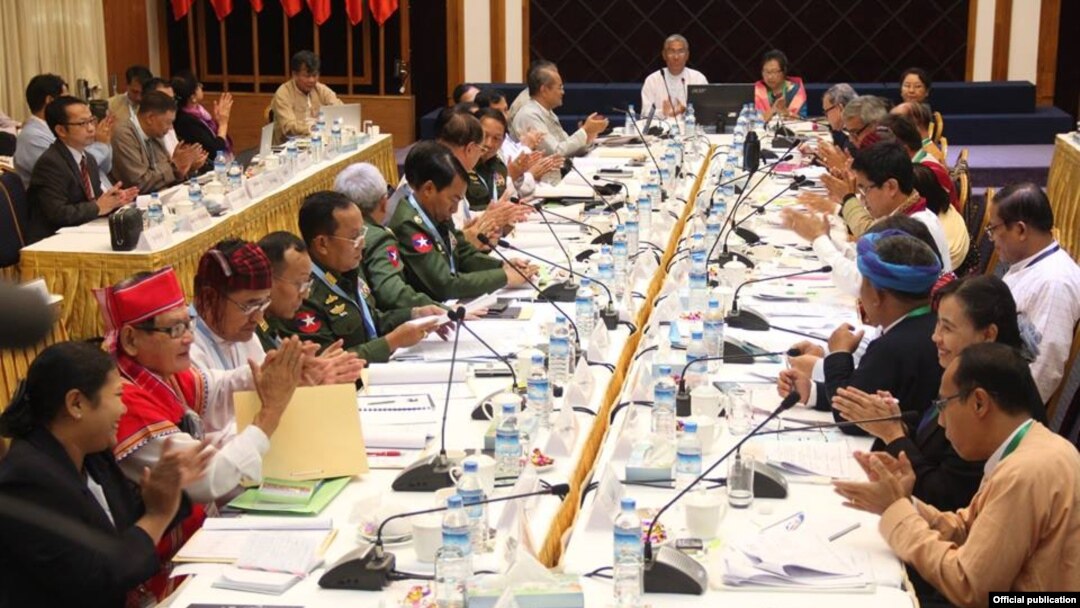
During an NCA discussion under the government led by President U Thein Sein
Although military tensions may increase due to internal reshuffles, he added that under a new government led by the president, peace processes and political dialogue based on the NCA could regain momentum.
Colonel Khun Okkar said:
“However, the government led by the president is likely to revive peace processes and political dialogue based on the NCA. A new government needs to adopt policies that are broadly accepted.
If military tensions rise and negotiations weaken, civilians in conflict areas will suffer the most—losing homes, facing destruction of schools, hospitals, and monasteries. Armed actors can maneuver and avoid danger, but local civilians bear the greatest burden.
If the government has clear reconstruction policies, it may be able to reduce military tensions. We need to closely observe the government’s leadership.”
General Ye Win Oo is a graduate of Officer Training School Intake 77 and recently served as Commander-in-Chief (Army). He also held the position of Chief of Military Security Affairs.
Following the 2021 political changes, he served as Joint Secretary of the State Administration Council and later as Joint Chief Executive Officer of the National Defense and Security Council formed in 2025, as well as Secretary of the State Security and Peace Commission.
Similarly, Deputy Commander-in-Chief Lieutenant General Kyaw Swar Lin is a graduate of the Defence Services Academy Intake 35 and previously served as Chief of Staff (Army, Navy, Air), Chief of General Staff (Army), and Quartermaster General.
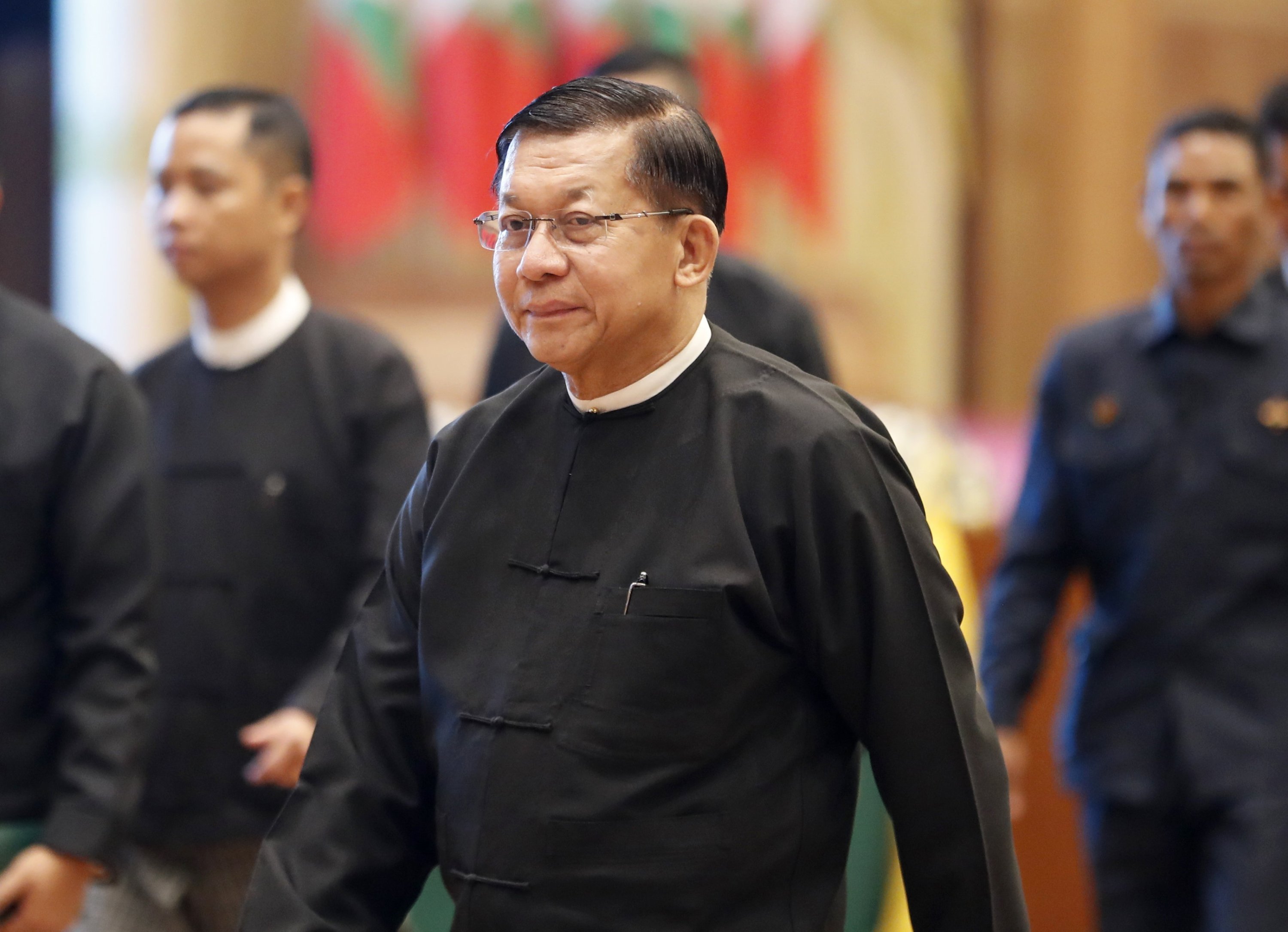
President U Min Aung Hlaing
Dr. Hla Kyaw Zaw, a China-Myanmar affairs analyst, told CNI News that the military and government are likely to intensify operations to prevent coordination among ethnic armed organizations, People’s Defence Forces (PDFs), and other domestic armed groups.
She said:
“Based on their statements, they will first call for ceasefires and peace talks—this is always an exit strategy for them. Some groups are already preparing for this. So peace talks are possible.
At the same time, they may try to decisively eliminate other forces.
They do not want ethnic groups, PDFs, and other armed actors to unite.
That is why they may intensify military operations.
Some groups will engage in dialogue, while others will continue fighting.
The situation is more likely to become tense rather than improve.
Although they may gain some political legitimacy, there is little prospect for economic improvement, so they will continue to face significant challenges.
Overall, the country’s situation is unlikely to improve much this year.”
Military and political analysts also noted that rebuilding trust is essential for achieving inclusive peace in Myanmar.
They emphasized that accountability and responsibility are key elements in any peace process, and without these, it will be difficult for peace efforts to succeed.