
CNI News
April 8, 2026
Although the government has officially reopened the Thai-Myanmar border trade route, security guarantees remain essential due to the presence of various armed groups along the road, according to Daw Nan Khin Aye Oo, Chairperson of the Karen Peoples Party (KPP).
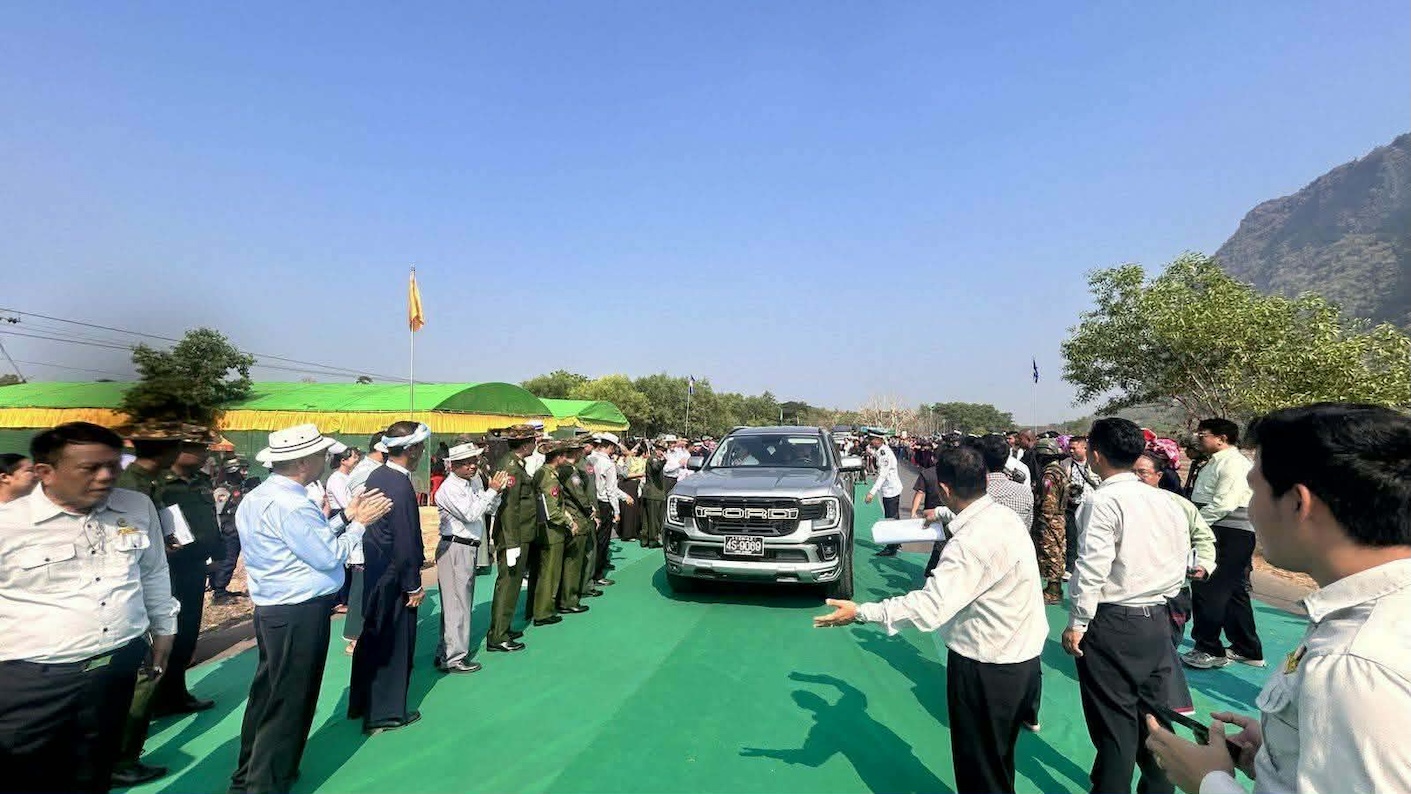
The vital Myawaddy-Kawkareik-Hpa-An Asian Highway, a cornerstone of Thai-Myanmar border trade that had been closed for years, was reopened on April 2, 2026. Daw Nan Khin Aye Oo told CNI News that the government must take the lead in ensuring regional stability and the safety of the public traveling along this route.
"From what I know, only small passenger vehicles are currently allowed to pass. Large trucks—cargo trucks—were not yet permitted as of two days ago. Eventually, for the sake of the economy and trade, they will likely be allowed through. Prices have already started to drop now that the route is open, even if it's just for small cars for now.
The government must take primary responsibility. We know there are KNU gates, DKBA gates, and BGF gates on that road. I assume they opened it because they could manage it. In my view, they couldn't have reopened this without negotiations. I don't know the extent of those negotiations, but without them, it wouldn't be smooth. While some people are taking risks to travel now, the government and these groups must reach a formal understanding. The incoming government needs to handle this effectively; the government must lead the way," she said.
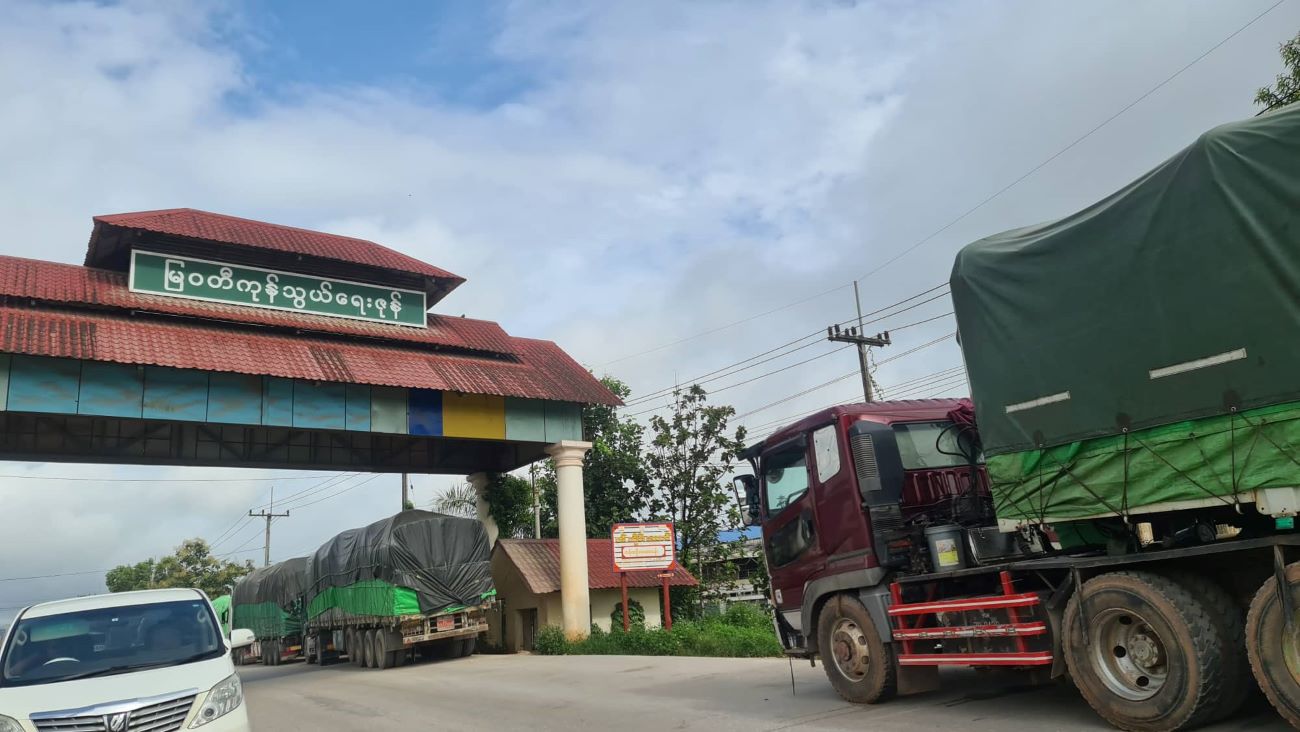
A view of the Myawaddy Trade Zone.
Economic analyst U Htay Aung Kyi told CNI News that the restoration of the Thai-Myanmar border trade route holds great potential for the national economy. However, he emphasized that the government must manage the route effectively to eliminate disruptive checkpoints and barriers.
"A significant percentage of Myanmar's imports come from border trade. Consumer goods primarily enter from Thailand. Even if the products are similar to those from China, the Thai route is closer and therefore vital. If this route functions well, there is a chance for the country's economy to recover," U Htay Aung Kyi explained.
He added, "One issue is the checkpoints along the way, which act as barriers. They need to be removed. Currently, trade is operating under a dollar-saving policy, leading to strict scrutiny of import licenses and driving up domestic prices. For the public, opening this road is a major positive. Regardless of government policy, any disruptions or barriers along this route must be managed systematically."
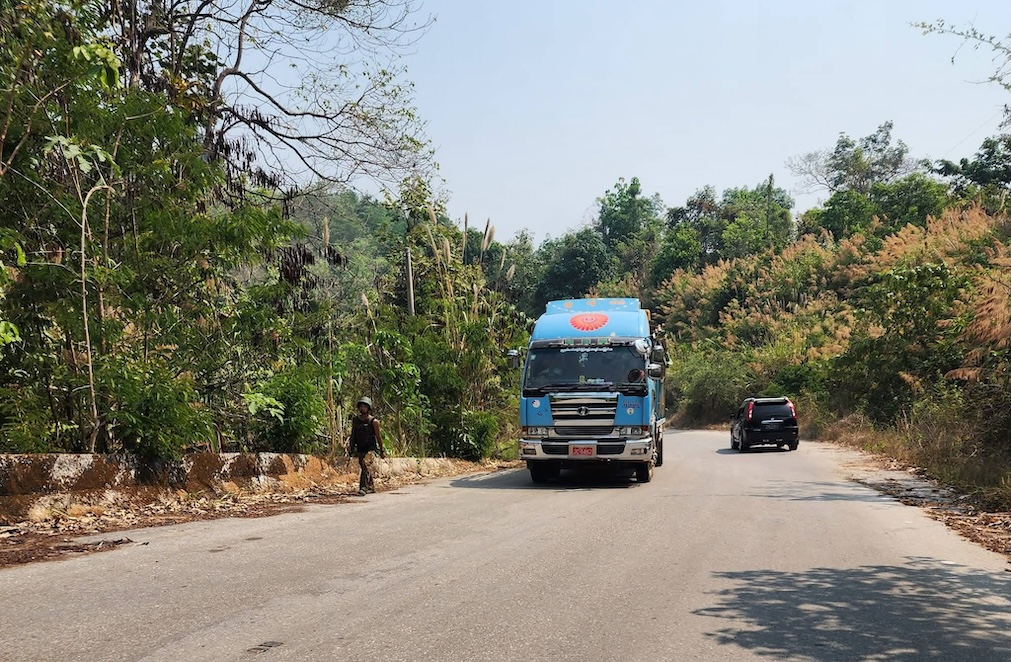
An armed individual walking along the trade route.
Local sources report that since the Asian Highway reopened, the military and the Border Guard Force (BGF) have jointly taken security positions and established checkpoints from Myawaddy to Kyondo.
The Myawaddy-Kawkareik Asian Highway had been closed since December 1, 2023, following intense fighting between the military and KNU-PDF joint forces.
Members of the public have pointed out that reopening the highway could significantly reduce the burden of high commodity prices, boost the flow of goods, and facilitate smoother travel for civilians.
However, despite the government’s reopening of the route, reports indicate there has been no formal negotiation or agreement with the various armed groups operating within Karen State. Military and political observers warned that official trade remains difficult, and attempting to trade without security guarantees could lead to significant losses and risks.