
CNI News
April 3, 2026
Military and political analysts told CNI News that if the newly convened parliament(Hluttaw) and the incoming government, set to take office this April, fail to implement peace processes, the people of Myanmar will continue to suffer.
In the complex political landscape following nearly 80 years of armed conflict and the 2021 political transition, a political analyst told CNI that achieving peace must be a primary objective for the incoming administration.
"If peace cannot be achieved, the primary victims will be the citizens. Furthermore, production, agriculture, and the economy will decline across all sectors. As conditions deteriorate, the situation is bound to worsen," the analyst said. "Currently, border trade has almost vanished, meaning people cannot sell their produce. Essential goods from abroad must be purchased at high prices. Meanwhile, the government is unable to collect taxes. It is a lose-lose situation. Therefore, peace is urgently needed. Additionally, China is dissatisfied with the decline in border trade and wants the gates reopened. Given these factors, I believe achieving peace is a major task that the next government must prioritize."
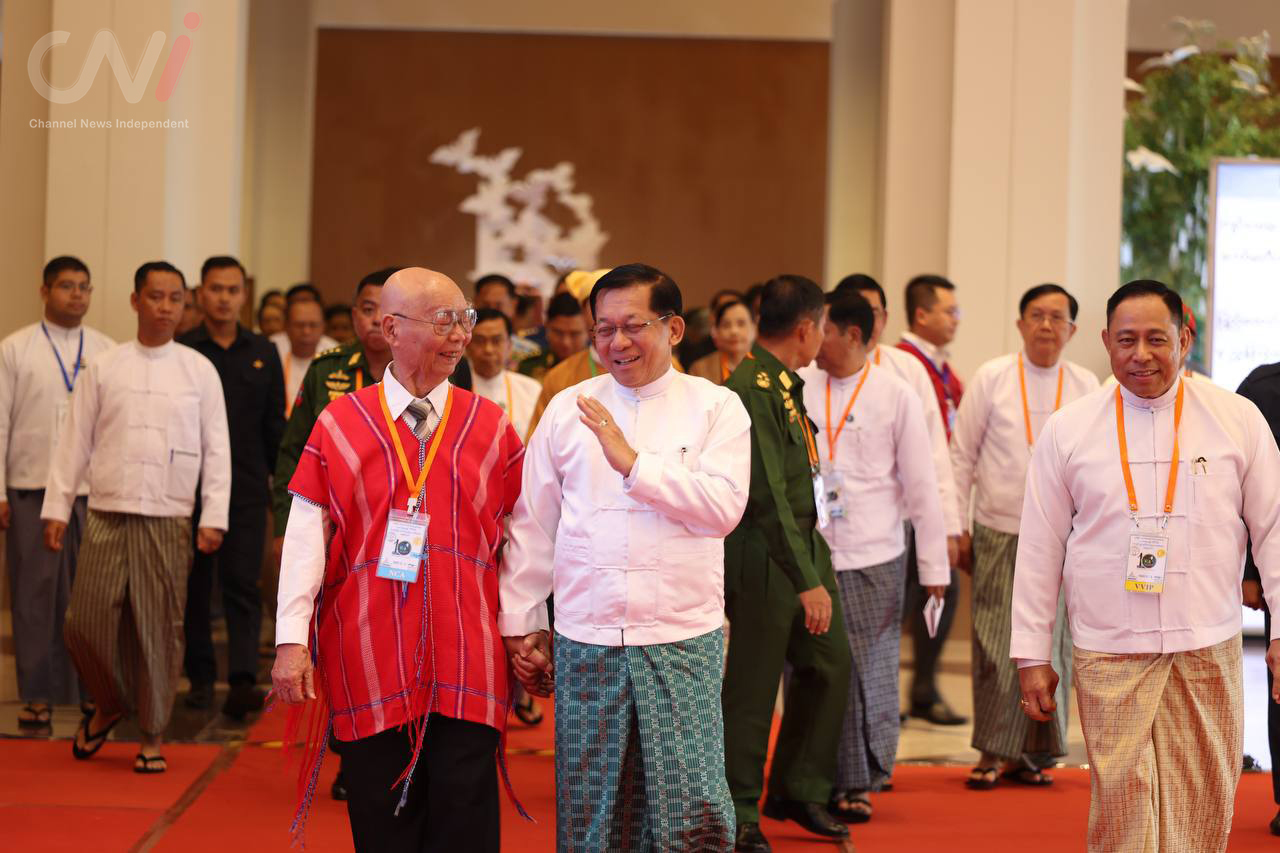
Vice President U Min Aung Hlaing and former KNU Chairman Mutu Say Poe.
The multi-party general election was held from December 28, 2025, to January 25, 2026. In March 2026, the Pyithu Hluttaw (Lower House), Amyotha Hluttaw (Upper House), and Regional/State Parliaments were convened.
Following the selection of parliamentary leadership, three Vice Presidents have been nominated: Senior General Min Aung Hlaing (Nominated by the elected Pyithu Hluttaw group), Daw Nan Ni Ni Aye (Nominated by the elected Amyotha Hluttaw group), U Nyo Saw (Nominated by the Military Appointees group), One of these three will be elected as President. According to the Constitution, the candidate with the most votes becomes President, the runner-up becomes Vice President (1), and the third becomes Vice President (2).
Significant changes have also occurred within the military leadership:, General Ye Win Oo has assumed the role of Commander-in-Chief of Defense Services.
General Kyaw Swar Lin (formerly Chief of the General Staff (Army, Navy and Air) has been appointed as Deputy Commander-in-Chief of Defense Services.
Colonel Khun Okkar, Chairman of the Pa-O National Liberation Organization (PNLO-NCA/S), told CNI that if the new government and parliament can restart political dialogues and peace processes, some armed conflicts could subside before the end of this year.
"If political dialogues and peace processes can truly restart, then even if weapons remain, a ceasefire is essential for building the trust necessary for political talks. If the new government and parliament can initiate this, we can say some armed conflicts might quiet down by year's end. Remaining conflicts might only persist in the central regions, where they likely wouldn't be as substantial. It is time to restart the peace process because the country is being destroyed—bombs are falling, and conflicts are ongoing. Slowing down this momentum is the responsibility of the new parliament and government. I believe they will prioritize this. Doing so is the only way they can gain recognition from ASEAN, neighboring countries, and the international community. If they don't, the rhetoric of non-recognition will persist, and it will be difficult for them to break out of that cycle."
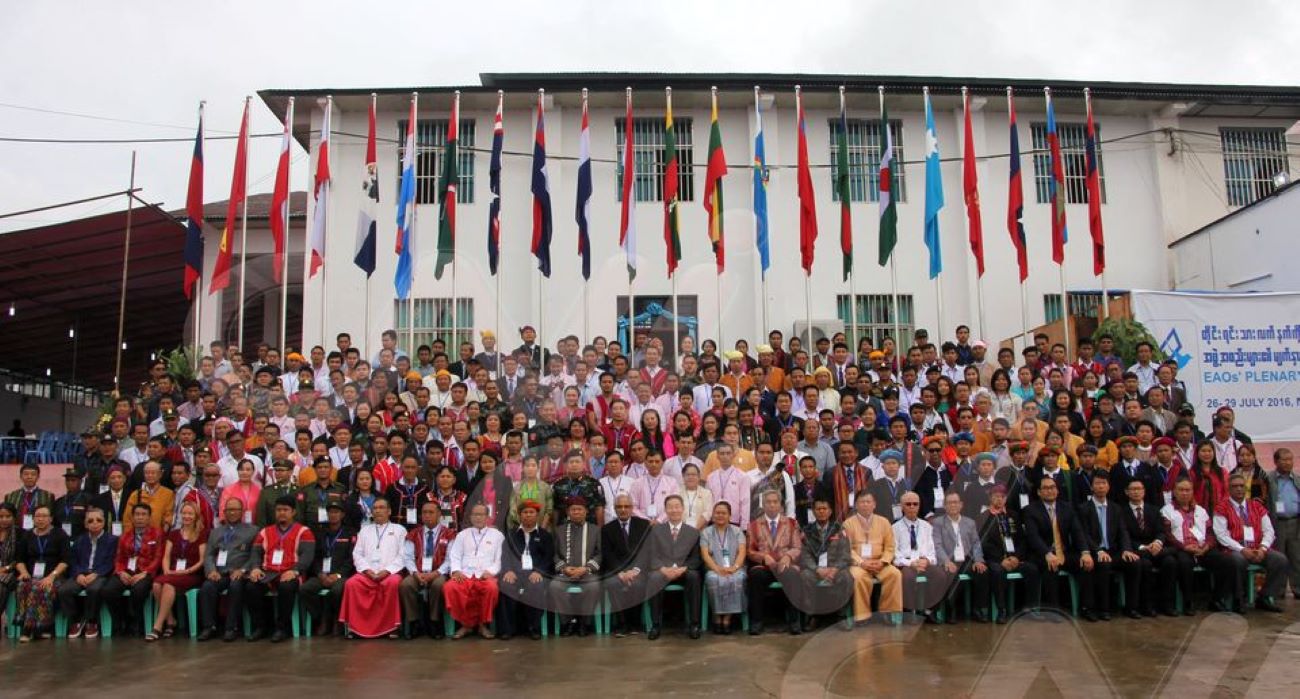
Leaders of armed organizations.
Military and political observers believe that a parliament must have duties beyond just legislation; it needs the power to monitor and balance the government's actions and must be able to act on the voices of ethnic minorities and various social classes.
Currently, analysts suggest that because the significance of territories held by various Ethnic Armed Organizations (EAOs) differs, separate individual negotiations may be necessary. They pointed out that:
Trust Building: The main barrier to dialogue is currently the lack of mutual trust.
Federalism: Myanmar's peace depends entirely on the establishment of a Federal Democratic Union.
Sustainability: Agreements regarding self-determination and resource sharing will be the keys to sustainable peace.
The experts concluded that the new government must practically implement the aspirations of the local people across the various states to ensure a lasting resolution.