
CNI News
April 2, 2026
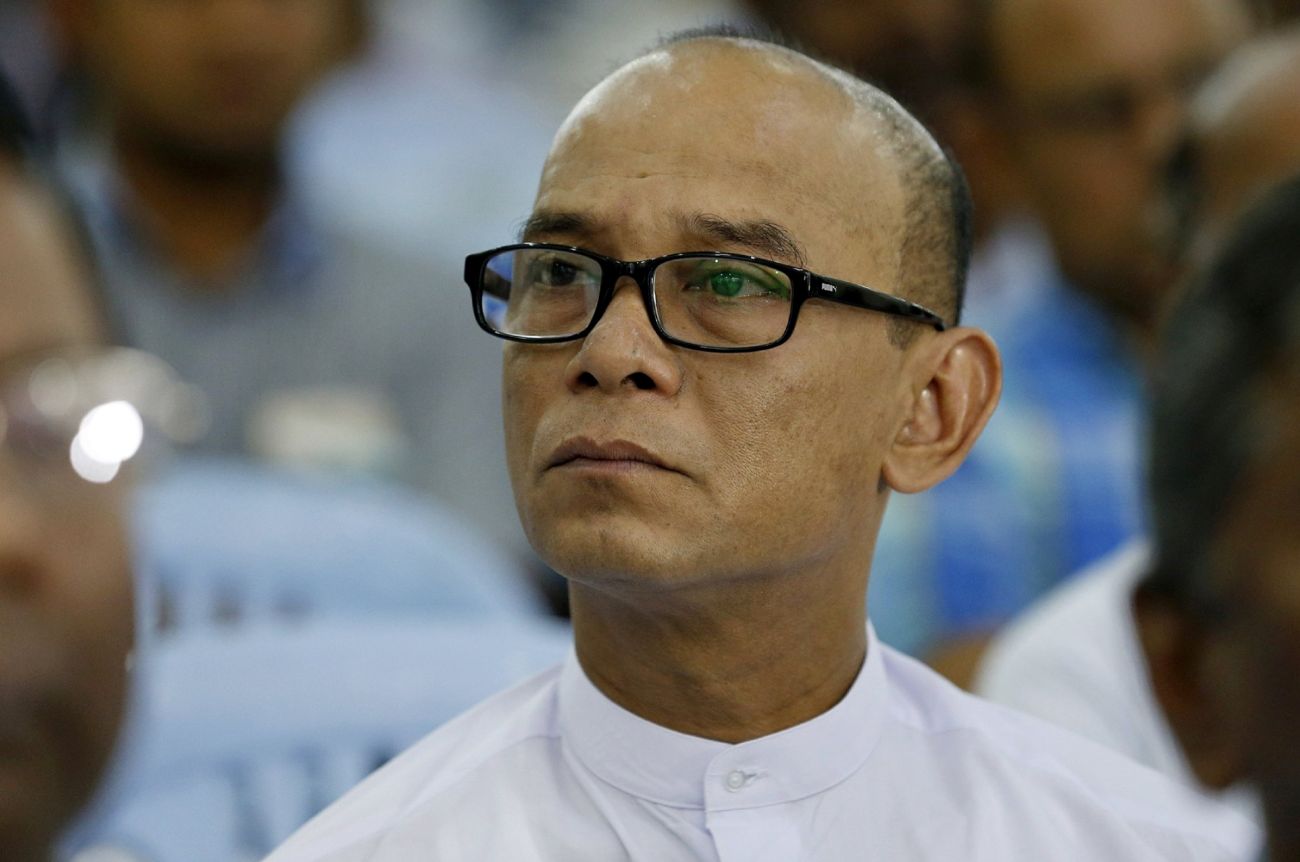
As armed conflicts in Myanmar intensify, the demands of armed groups have escalated to the point where solutions must move beyond the Nationwide Ceasefire Agreement (NCA), according to U Mya Aye, spokesperson for the Political Coordination Bureau (PCB).
Currently, following the 2025 General Election, Myanmar’s parliaments are in session, selecting Vice-Presidents and the President, with preparations underway to form a new government this April.
U Mya Aye told CNI News that the aspirations and demands of ethnic groups have grown significantly, meaning the NCA framework alone is no longer sufficient.
"It is no longer easy—or even possible—to solve these issues using old methods and outdated mindsets. Specifically, I don't believe we can rely solely on the NCA project signed on October 15, 2015. Armed conflicts are occurring across most of the country, and ethnic aspirations are growing larger. We cannot resolve this like before. We should approach this with a vision of how to establish a federal democratic union. In doing so, we shouldn't cling stubbornly to a single fixed framework. To ensure a strong Union, we must build a 'genuine' federal union. We can only move forward with solutions aimed at establishing a federal democratic union. I don't think we can set a rigid framework. This doesn't mean the NCA peace process was bad; it was good. However, there are those who do not accept it. We should first listen to the reasons why they don't accept it, and based on that, consider how to expand the framework." — U Mya Aye.
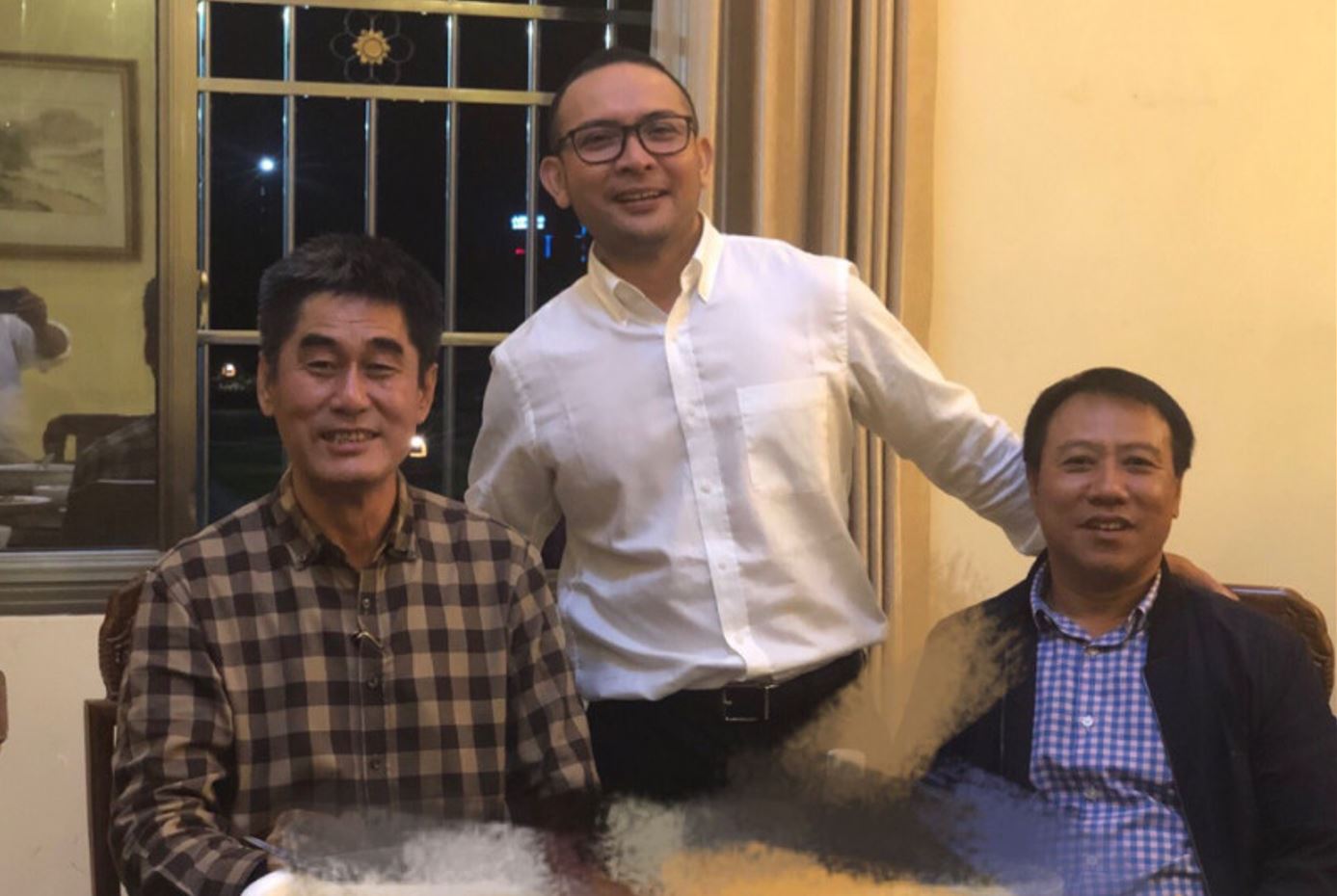
Leaders of the AA, MNDAA, and TNLA.
The Political Coordination Bureau (PCB) was formed on February 20, 2026, by democracy and federalism activists, including Sai Nyunt Lwin (Chairman of the SNLD), U Thar Tun Hla (Chairman of the ANP), and former '88 generation student leader U Mya Aye.
The group aims to implement four main goals: The emergence of a Federal Democratic Union. The drafting of a constitution that guarantees federal democracy.The emergence of political dialogues involving all stakeholders to resolve current conflicts. Collaboration with partners working toward federal democracy.
U Thein Tun Oo, Executive Director of the Thayninga Institute for Strategic Studies, told CNI News that since the NCA was originally drafted primarily by Ethnic Armed Organizations (EAOs), it is unacceptable for them to now demand more beyond it.
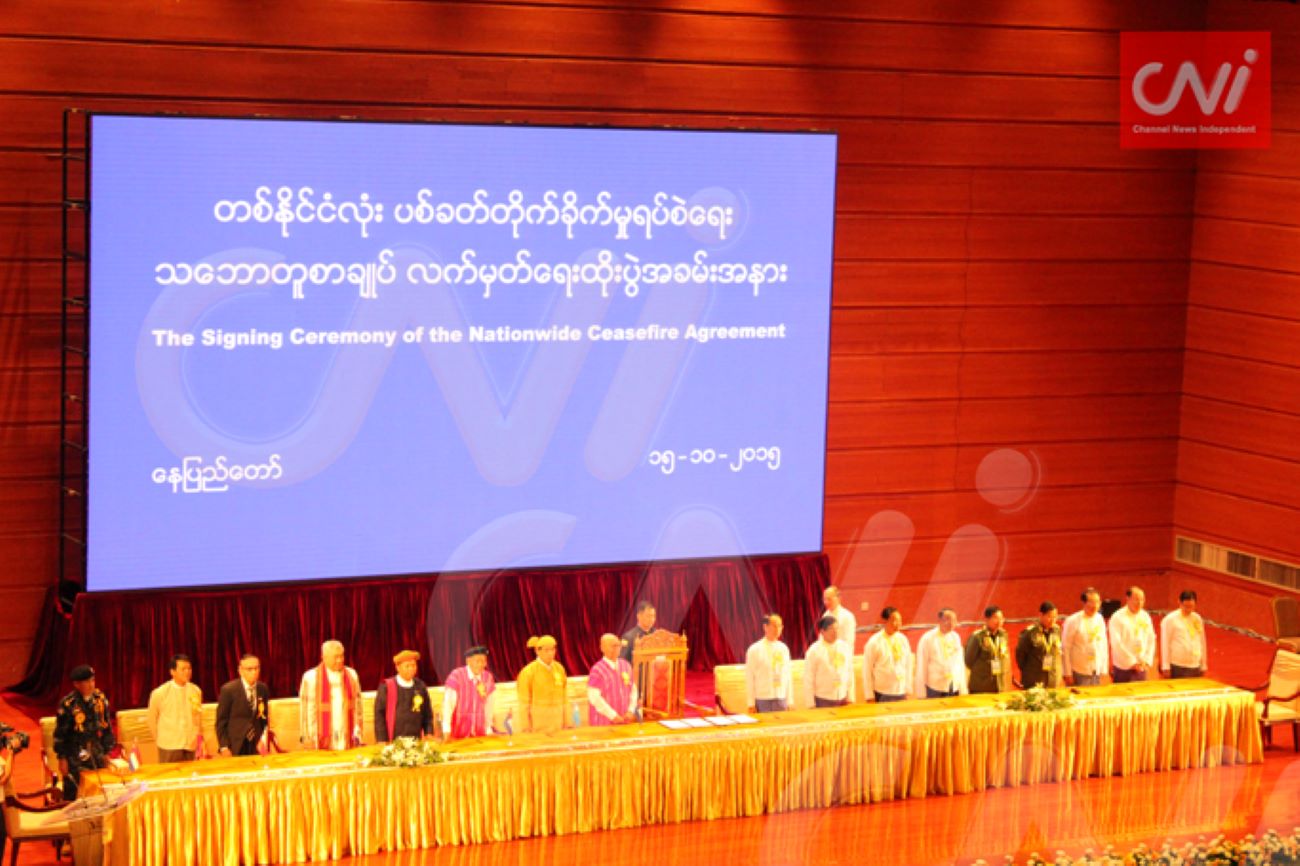
The signing ceremony of the NCA.
"The NCA was established as a foundation, and it was based on the EAOs' own inputs. If the demands from the EAOs' side are now rising, they need to re-examine their own desires regarding the NCA. It’s difficult to fulfill even the basic points; attempting to change it now—after it has been signed internationally and approved by Parliament—is practically unnatural. I believe a middle-ground solution can be found. Even if changes are made, how would those who have already recognized and signed the document feel? It would require much broader negotiations. For those who have already accepted the NCA, would it be convenient for them to change it now? There are many questions. The best way is for those who follow the NCA to continue doing so without fear, while creating a separate path for those who cannot follow or sign it and require amendments."
Currently, groups fighting the Myanmar military(Tatmadaw)—such as the AA, KIA, MNDAA, and TNLA—are making demands that exceed federalism, with some positioning for Confederation or even status as Independent States.
There are 10 armed groups that signed the NCA. Among them, the Karen National Union (KNU), the Chin National Front (CNF), and the All Burma Students' Democratic Front (ABSDF) have declared the NCA void and are currently engaged in active combat against the Myanmar military.