
CNI News
April 1, 2026
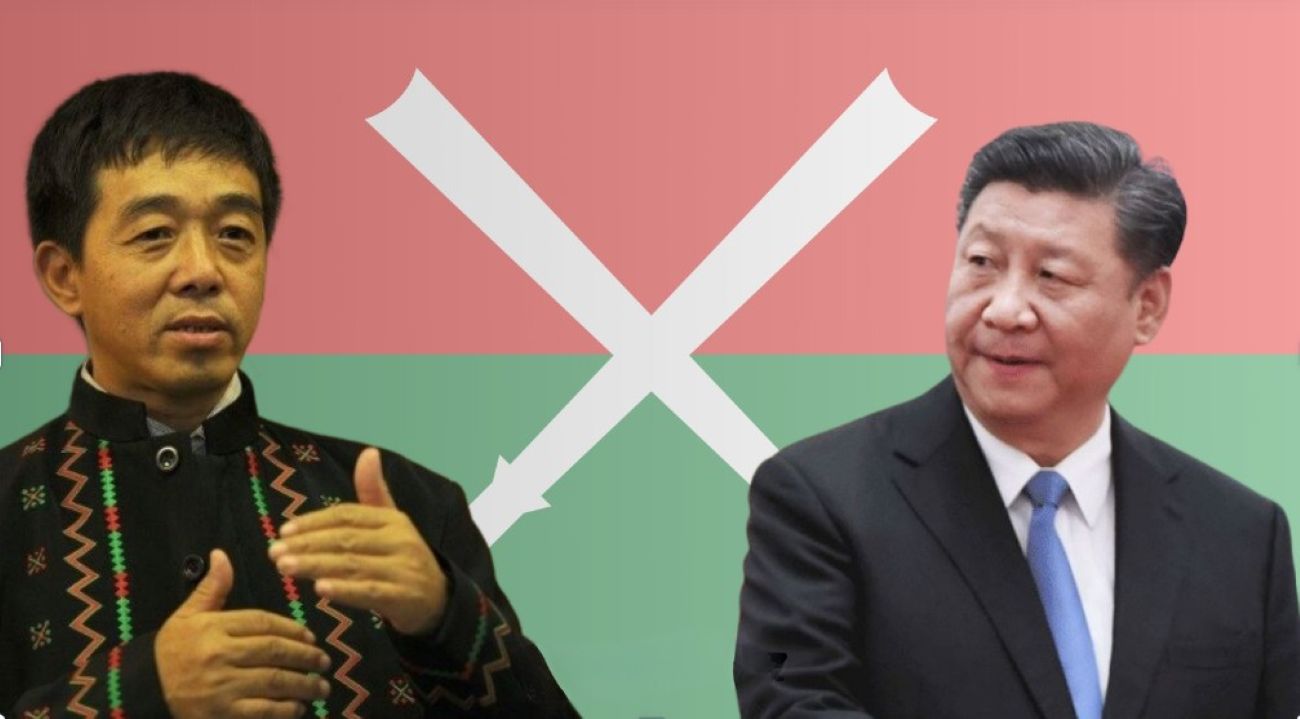
Colonel Khun Okkar, Chairman of the Pa-O National Liberation Organization (PNLO-NCA/S), told CNI News that the Chinese government does not have full confidence in the Kachin Independence Army (KIA).
Military and political analysts suggest that a primary reason for China's lack of full trust is the KIA’s perceived closeness to Western nations—specifically the United States—not only historically but also through religious ties.
Observers point out that while the United Wa State Army (UWSA) strictly follows China’s lead and is more inclined to protect Chinese interests, the KIA maintains a stronger sense of independence and occasionally rejects pressure from Beijing.
Despite this lack of full trust, Colonel Khun Okkar noted that China must still attempt to maintain a good relationship with the KIA due to current circumstances.
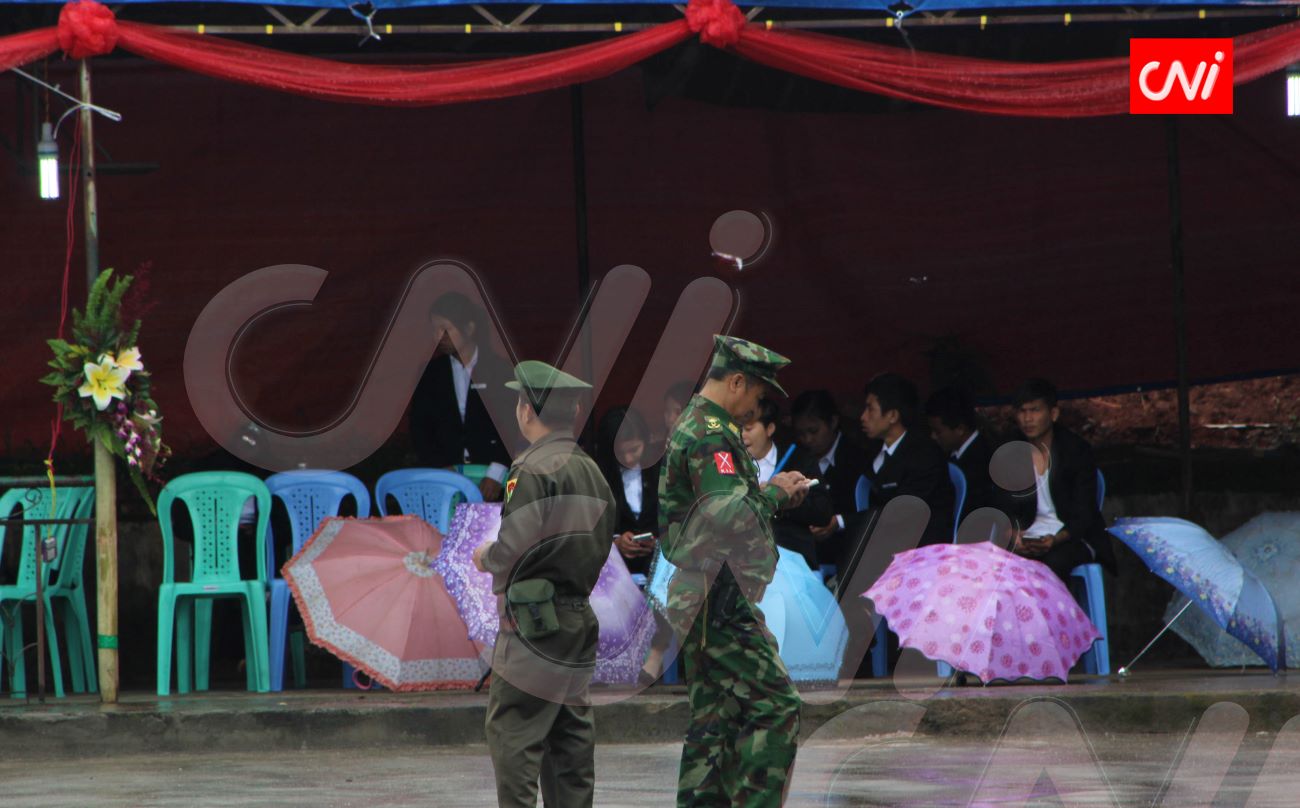
Members of the KIA.
"Historically, the KIA has maintained good communication channels with the United States, so China does not trust them fully. They even view it as a potential interference. However, as neighbors, China has to try and keep a good relationship with the KIA. We have always said that if there is peace with the Kachin in the north and the Karen in the south, our country will be at peace. Therefore, if the Kachin and Karen are primarily involved in the peace process, other ethnic groups will likely follow," said Colonel Khun Okkar.
Because KIA territory borders China, the group inevitably relies on China for economic, social, and medical supplies. Conversely, China relies on the KIA, which currently dominates the region, for access to rare earth minerals and other natural resources.
Analysts describe the relationship between the KIA and China as "neither friend nor foe." Even though the KIA knows China disapproves, they have not severed ties with Western countries or international organizations. They consistently keep other international channels and support open to avoid becoming solely dependent on China.
A political analyst told CNI News that if the KIA wants to avoid resentment from China, they would need to distance themselves from the Western bloc.
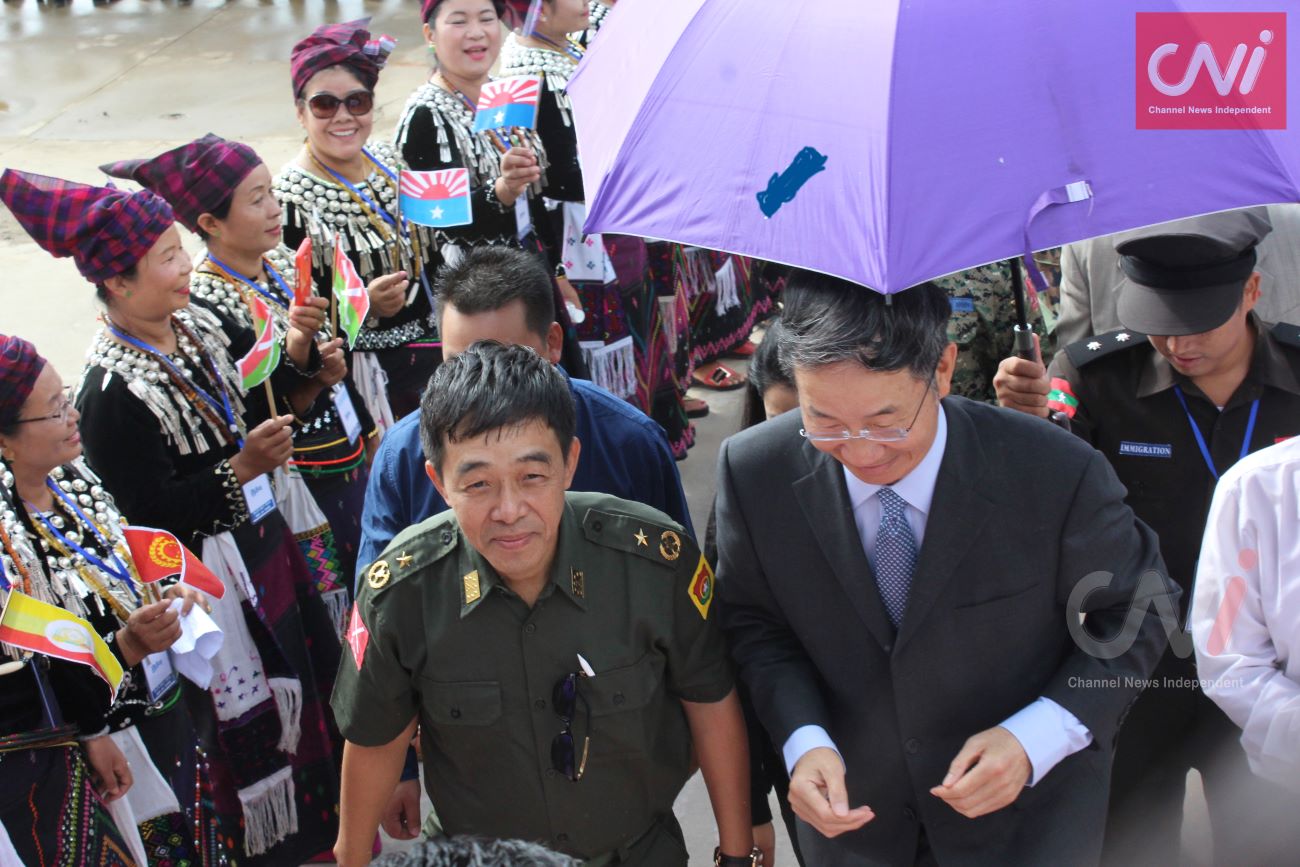
KIA leader Lieutenant General Gun Maw and former Chinese Special Envoy Mr. Sun Guoxiang
"If they want to avoid China's resentment, they have to stay clear of the West. Once trust is built, China would likely treat them like the Three Brotherhood Alliance—offering help for regional autonomy while warning them not to harm Chinese interests and not to topple the central government. China will keep them in a balanced position (neither 'killing the snake nor breaking the stick'). Since the KIA receives aid from them, they wouldn't dare act recklessly against Chinese interests. China will likely pressure them not to cooperate with the NUG-led PDF forces in Sagaing and lower regions to topple the military government. China will say, 'We will help with what you need; if you sell rare earth minerals, sell them only to us.' They won't go as far as letting the central government or the military collapse; they are balancing both sides," the analyst said.
In March, a KIA delegation met with a Chinese special envoy in Yunnan Province. It is reported that China emphasized border stability and pressured the KIA to reduce its military operations. While China urged the KIA to engage in talks with the military, the KIA reportedly responded that it would be difficult to accept immediately given the current political climate.
Military and political analysts also pointed out that the KIA is attempting to establish a "liberated zone" across Northwest Myanmar—connecting Sagaing, Rakhine State, Chin State, and Kachin State. China remains concerned about this movement, believing there is Western backing behind the KIA's efforts in the Northwest.