
CNI News
March 30, 2026
The central government should refrain from intervening in issues involving ethnic armed groups and territorial matters in northern Shan State, as such involvement could further complicate the situation. Instead, it should follow China’s lead, according to Colonel Khun Okkar, Chairman of the Pa-O National Liberation Organization (PNLO-NCA/S), an NCA signatory.
He said: “The central government should not do anything (in the issues of northern Shan State). If it intervenes, things will become more complicated. China will handle the situation in the north and the alliances there. The central government cannot step in. It can only benefit from the outcomes that emerge. It does not have the capacity or the right conditions to interfere in those regional conflicts. So it can only wait for China’s mediation. China itself is leading efforts to reopen the main trade routes in the north, so we will likely just follow along.”
Recently, clashes occurred between members of the Northern Alliance—the Myanmar National Democratic Alliance Army (MNDAA) and the Ta’ang National Liberation Army (TNLA).
During these clashes, the MNDAA recaptured Kutkai town, which had been controlled by the TNLA during Operation 1027. Following this, leaders from both sides held four days of talks in Laukkai.
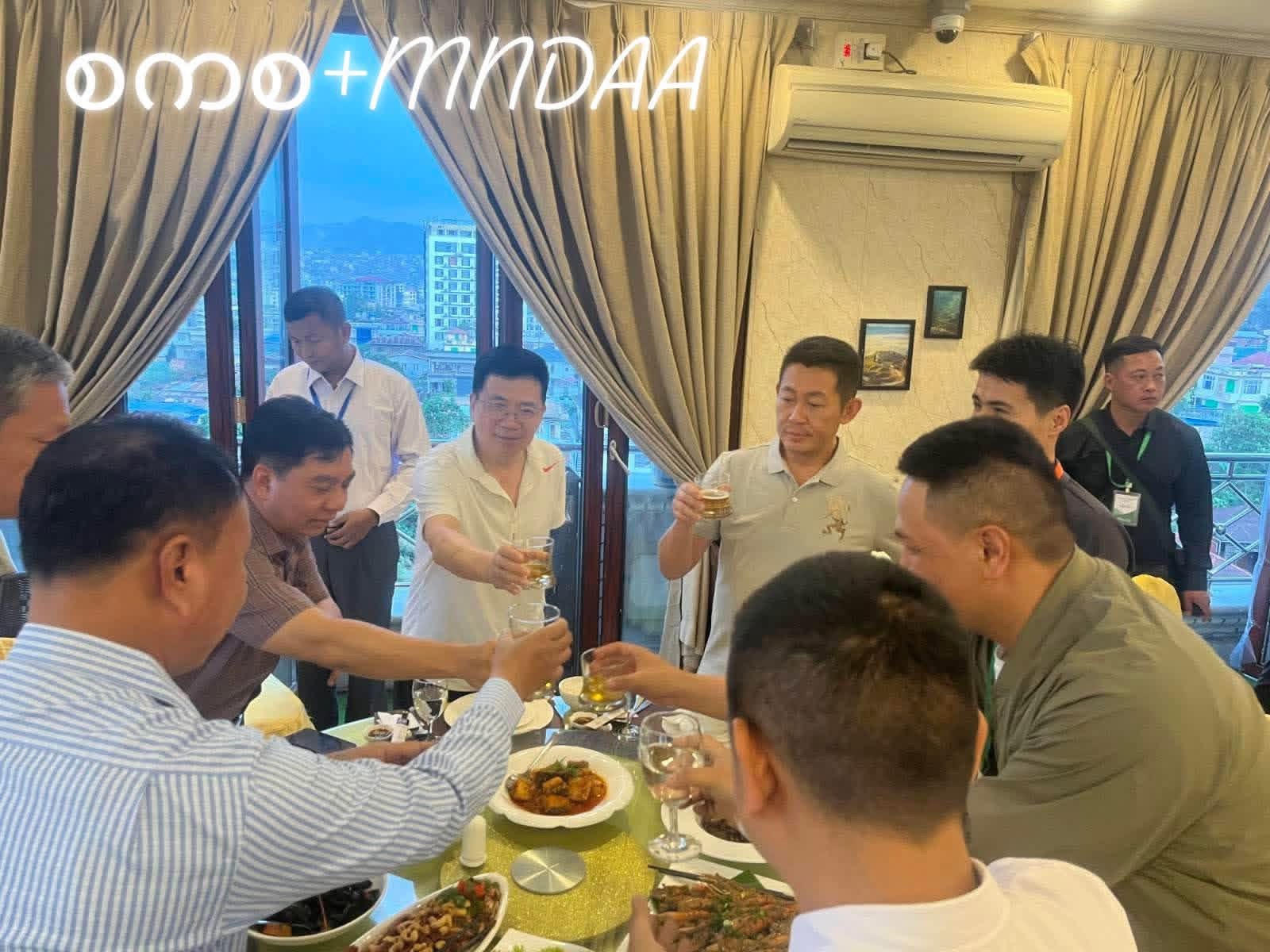
A meeting of Chinese Special Envoy Deng Xijun, the Tatmadaw's Lt-Gen Ko Ko Oo and representatives of the MNDAA
At least five agreements were reportedly reached during the talks, including allowing MNDAA to control Kutkai. Other points included maintaining their alliance, a ceasefire, territorial demarcation, and the release of detainees.
On March 14, after seizing Kutkai, the MNDAA held discussions with the Myanmar military (Tatmadaw) in Lashio and reopened the Mandalay–Muse highway, a key China–Myanmar trade route.
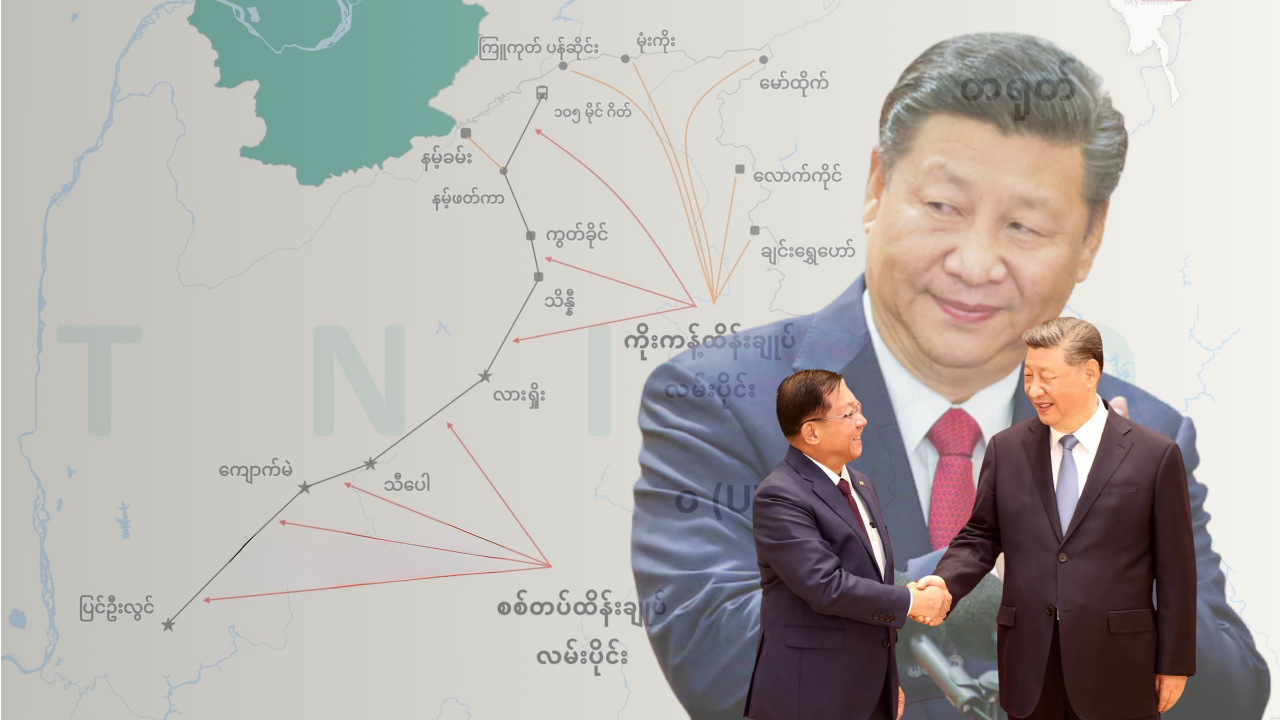
Political and military analysts believe that China is certainly involved behind the scenes in the conflict between these northern alliance groups. They suggest that China appears to prefer placing the entire northern Shan State under the control of trusted forces such as the Kokang (MNDAA) and the United Wa State Army (UWSA), where its interests are concentrated.
Political analyst Dr. Aung Myo told CNI that Myanmar currently lacks the strength to counter China’s involvement and that China should avoid actions that could damage historical relations between the two countries.
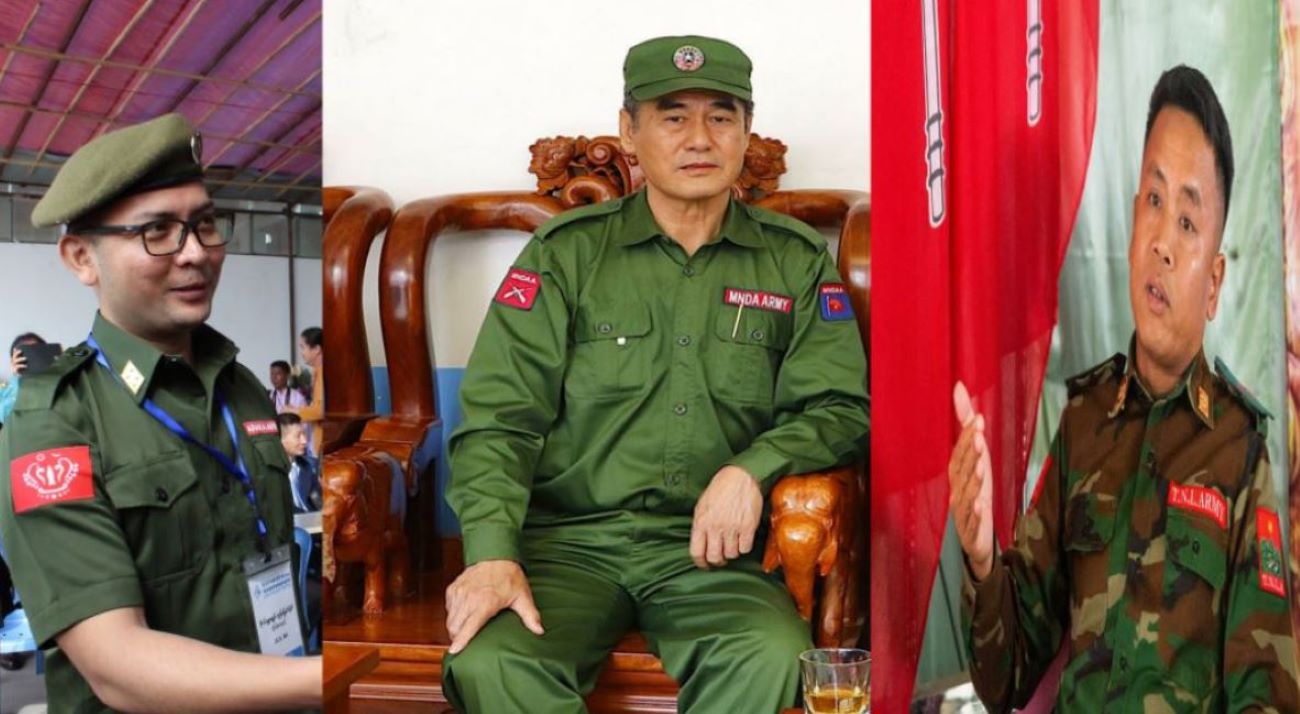
Leaders from the TNLA and the MNDAA seen
He said: “If this side is still weak, it won’t be effective. If the country becomes united again, then it will be different. We’ll have to wait and see. There are also reports about places like Hsenwi being renamed in Chinese—we’re not sure if that’s true. But names themselves are not a big issue. Mandalay also has a Chinese name, and Yangon is called ‘Yangguang’ in Chinese. That’s acceptable. However, if it turns into influence or control, that’s not good. The country is currently divided. If a strong leader emerges, this situation could harm both countries. China should avoid actions that could damage the historical relationship between the two nations.”
China is known to have significant influence over armed groups active in northern Shan State, including the United Wa State Army (UWSA) and members of the Northern Alliance—AA, TNLA, and MNDAA—and has the capacity to manage and utilize them as needed.
Since 2025, tensions have existed between China and the TNLA due to disagreements over returning certain territories (to the Tatmadaw). Observers note that the current conflict further reflects China’s stance toward the TNLA.