
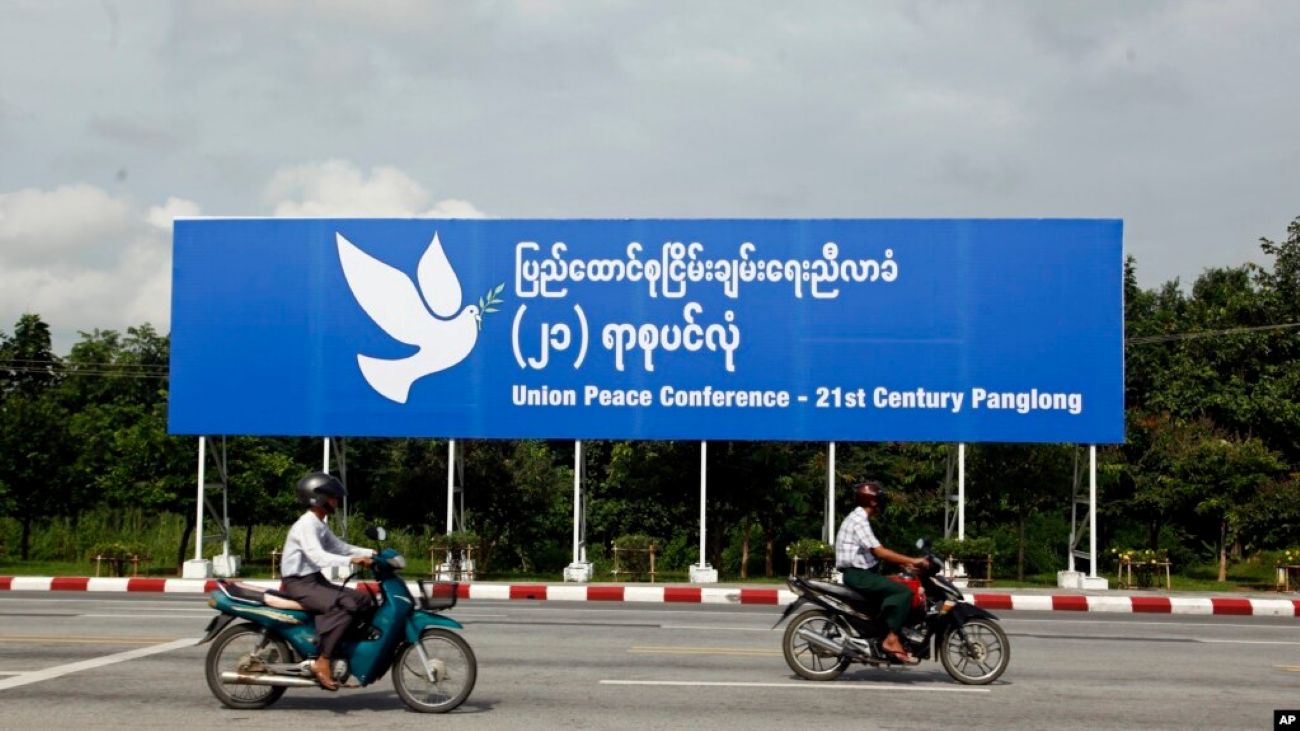
CNI News
March 19, 2026
U Khun Sai, a participant in the peace process, told CNI News that the ongoing armed conflicts in Myanmar cannot be stopped and peace cannot be achieved if the Panglong Agreement, signed by various ethnic groups in 1947, remains ignored.
The Panglong Agreement was signed on February 12, 1947, between General Aung San and non-Bamar ethnic leaders to unite the "Frontier Areas" and "Ministerial Burma"(Mountainous areas and Mainland) to gain independence from British colonial rule and establish the Union of Myanmar.
Although that day is designated as Union Day and celebrated annually, the agreements within the Panglong Treaty have yet to be implemented.
Under the Panglong Agreement, it was agreed "in principle" that the newly formed Union would grant full administrative authority and self-determination to the Shan State, Kachin State, Kayah State, and the Chin Hills.
Furthermore, it stipulated that non-Bamar ethnic groups must enjoy: Equal status and rights alongside the Bamar people. Equal opportunities and democratic grievances/rights.
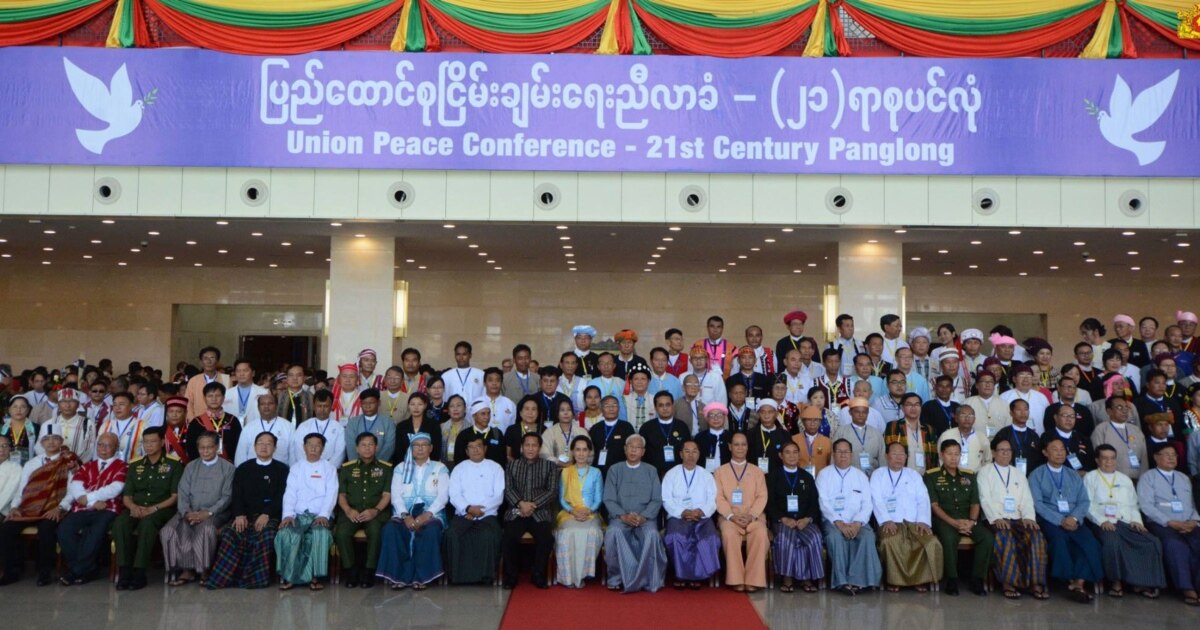
A session of the 21st Century Panglong Conference.
U Khun Sai stated that the Panglong Agreement has been neglected for a long time. He described the agreement as a ready-made "medical prescription" for the country's problems that has been left unused.
"To solve our country's problems, we already have a medical prescription provided when the Panglong Agreement was drafted and approved. We are facing these issues because we haven't used that prescription. We need to use it now," U Khun Sai said.
He further explained that the "prescription" involves: Collective Management: Managing issues that affect everyone collectively. Self-Management: Managing individual/regional issues independently.
He noted that while everyone claims to want a Union, the "yardstick" for a true Union is Panglong. He criticized the current situation where some parties want to control their own affairs but refuse to participate in collective issues, while others claim ownership over both collective and regional matters. He warned that the conflict cannot be resolved through such approaches.
Military and political analysts pointed out that while the political landscape has changed since 1947, the country must still be rebuilt based on the Panglong Agreement and its promises. They highlighted that the failure to implement these agreements has led to over 70 years of civil war, political instability, and economic decline.
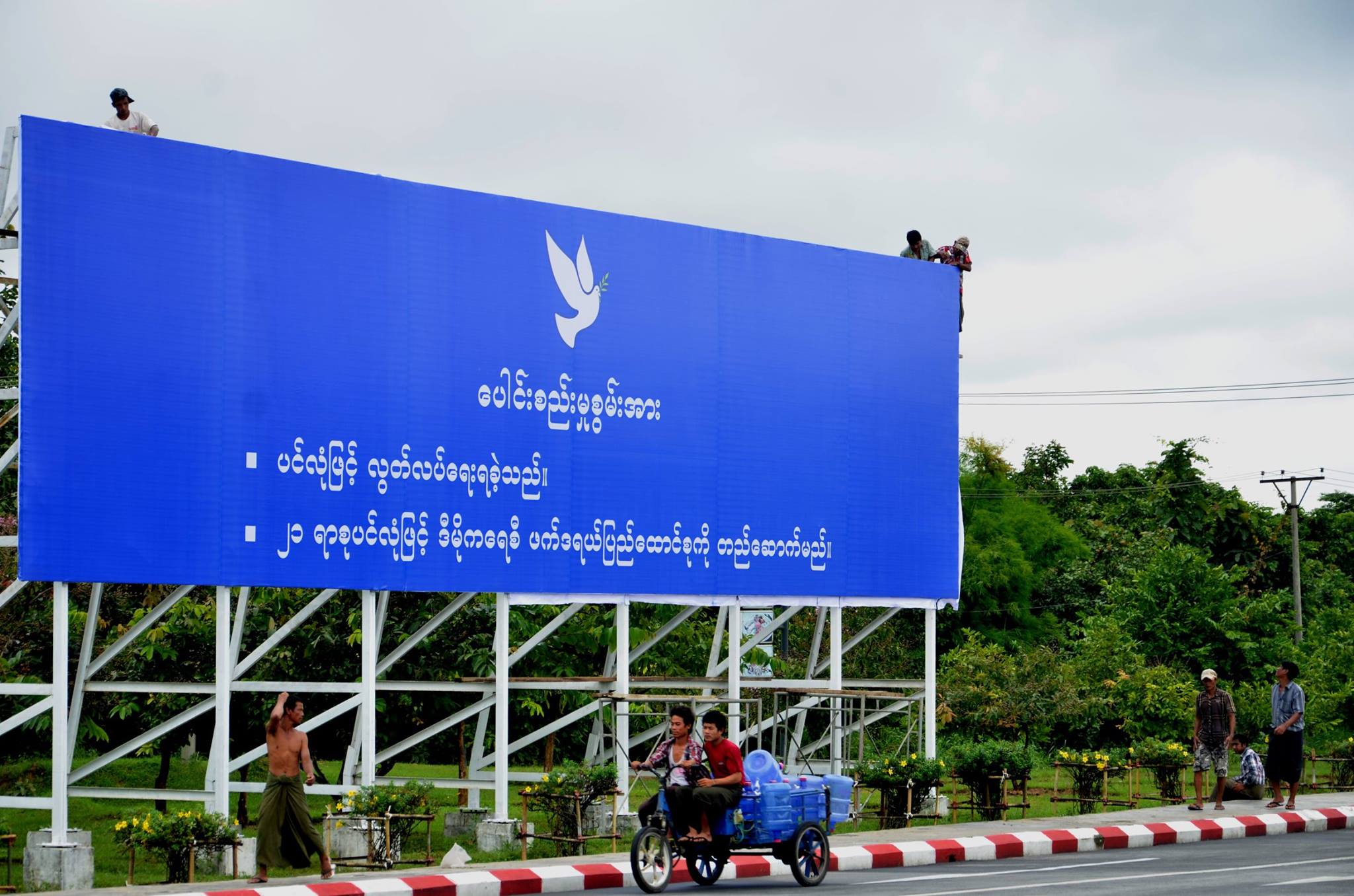
Proclamation calling for peace based on the Panglong principles.
Colonel Saw Kyaw Nyunt, spokesperson for the 7 EAO Alliance, emphasized that the significance of the Panglong Agreement—which was born alongside independence—cannot be overlooked if the goal is to build a Union based on national equality and self-determination.
"Whether we call it a Federal Democratic Union or a Union based on democracy and federalism, if we are to build a Union with full guarantees for national equality and self-determination, I understand that we cannot ignore the Panglong Agreement that gave birth to this Union," the Colonel said.
It has been 79 years since the Union was established under the Panglong Agreement, yet armed conflicts in Myanmar have not ceased and are, in fact, intensifying.
Currently: Some armed groups are considering options beyond federalism. Some are even considering secession.
Efforts to end the conflict have included the Nationwide Ceasefire Agreement (NCA) and individual preliminary ceasefire bilateral agreements between the Myanmar military and various armed groups.