
CNI News
March 12, 2026
Military and political analysts have pointed out that economic and educational development are necessary for the success of peace processes and the end of armed struggle in Myanmar.
Since 2021, armed conflicts in Myanmar have become more severe, and among the youth there has been a growing strong inclination toward resolving issues through armed struggle.
Meanwhile, armed groups including the Myanmar Armed Forces (Tatmadaw), Ethnic Armed Organizations (EAOs), and the People’s Defence Force (PDF) have been recruiting new members and engaging in intense fighting against one another.
Former Member of Parliament Daw Sandar Min told CNI News that peace, the economy, and education are interconnected, and that while peace is essential, economic and educational sectors must also be strengthened simultaneously. She added that the current severe lack of education has contributed to the rise of violence.
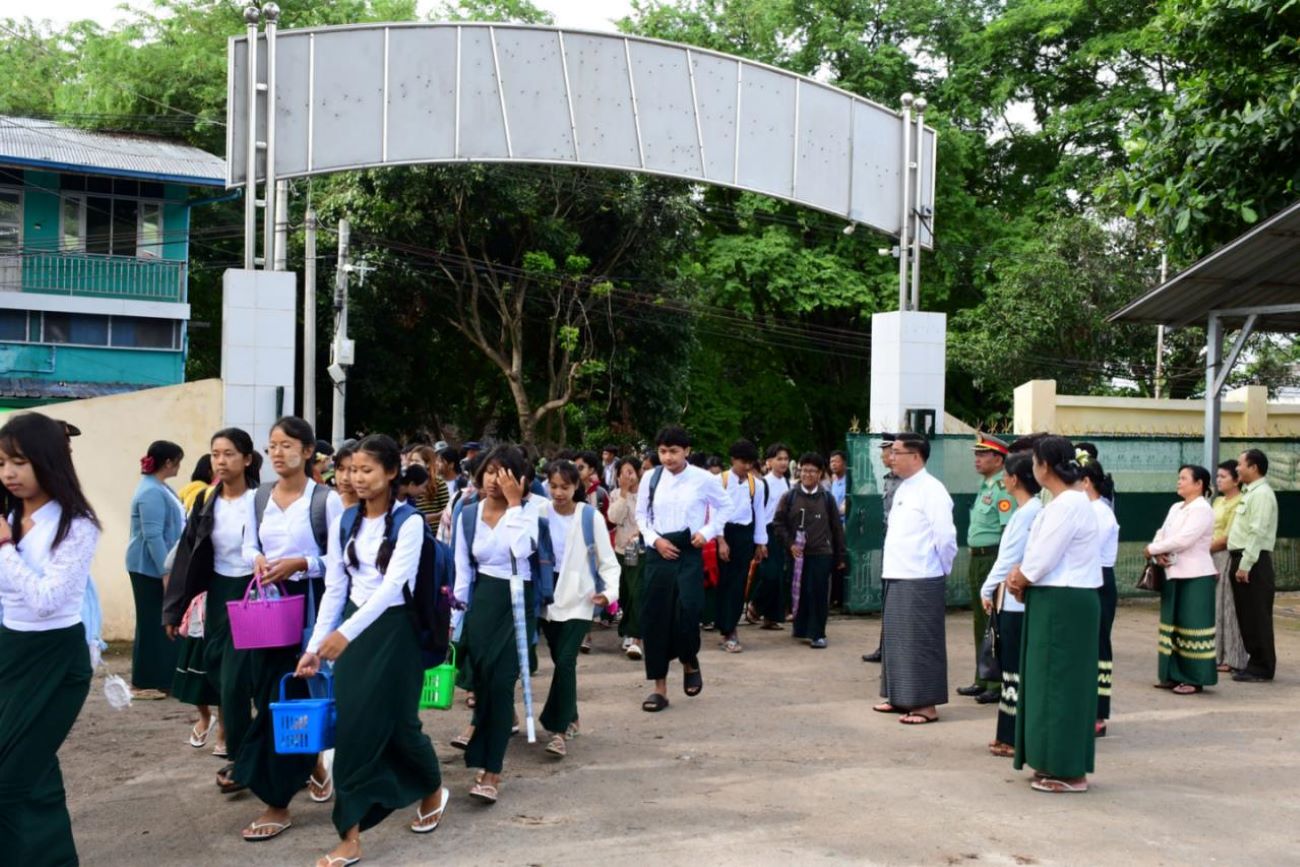
Students studying in school
She said: “During the time of our NLD government, at first we prioritized peace, saying that peace was the most important issue. Later, we realized that peace and the economy must be worked on simultaneously. Then Daw Aung San Suu Kyi said that both peace and economic development would be carried out at the same time.Because the economy is not doing well, it has created difficulties in education, resulting in lack of education and illiteracy. That in turn leads to economic problems again. In reality, all of these issues are interconnected. Since we are in a nation-building period, while peace is necessary, the roles of the economy and education must also be strengthened simultaneously. These issues are linked. Due to the lack of education, people are unable to think and make decisions wisely, which has led to increased violence and limited access to the rule of law. Therefore, all these efforts must be carried out together. Peace and the economy must progress simultaneously.”
Myanmar has fallen behind in sectors such as politics, the economy, education, healthcare, and social life, and analysts say that improving citizens’ education levels is essential for national development. They also point out that the current political instability and armed conflicts are partly the result of weaknesses in the country’s education system.
Dr. Nyo Nyo Thin, founder of the Yangon Watch Group, told CNI News that completely ending armed struggle within the next five years will be extremely difficult, and that even if armed conflict ends, it does not necessarily mean peace will immediately be achieved.
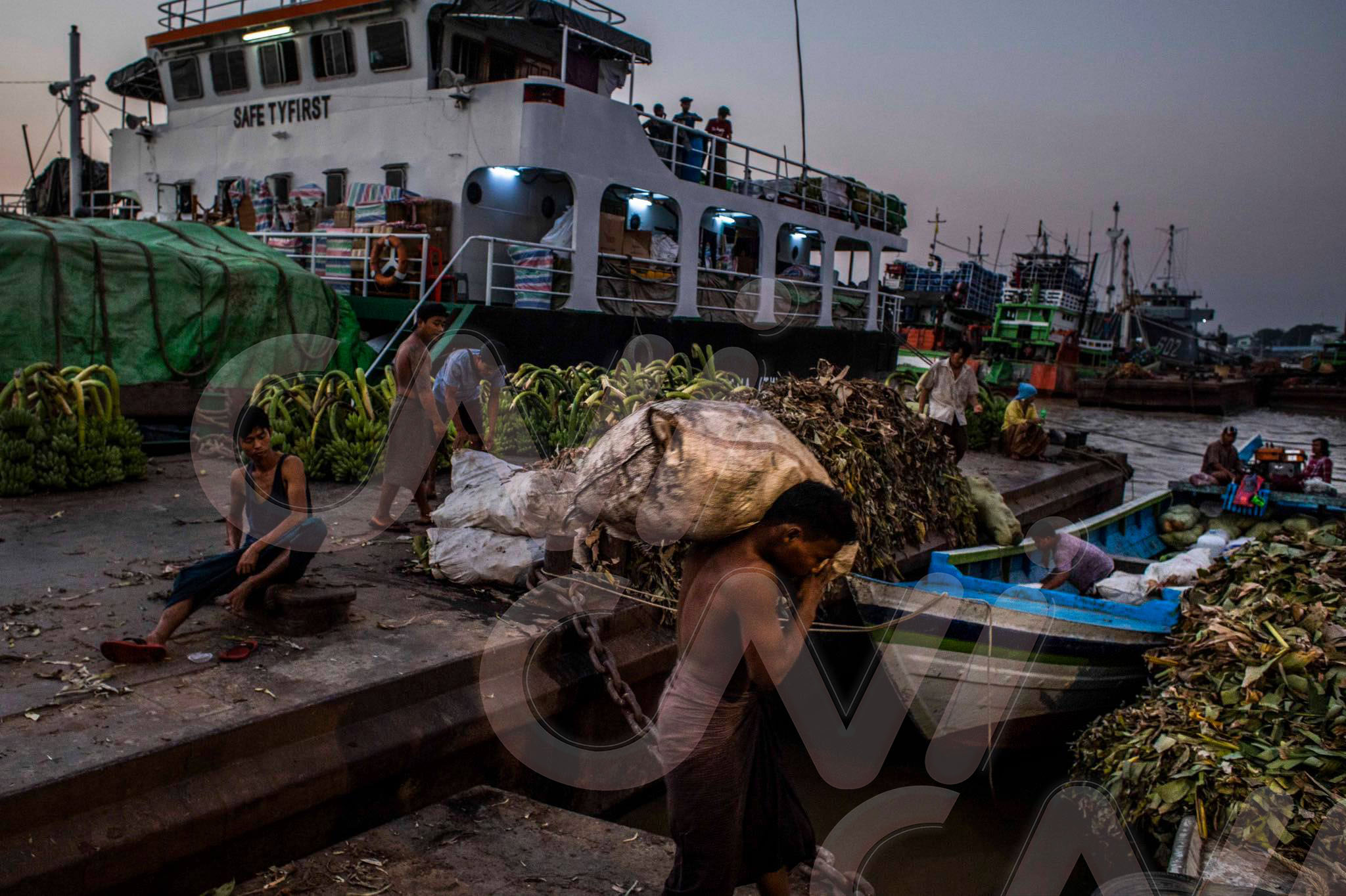
People from the grassroots population
She said: “The process of building peace does not mean peace will automatically exist just because armed struggle ends. The meaning of peace is very broad. Even if armed groups no longer exist, it does not necessarily mean peace has been achieved. Therefore, completely ending armed struggle in this country within the next five years will be extremely difficult. Temporary ceasefires may occur. If we expect armed struggle to completely end within five years, that would be unrealistic. Because it will be very difficult to end armed struggle within that time frame, nation-building efforts cannot be neglected, and other development work must continue simultaneously.”
Currently, armed conflicts are occurring across Myanmar, with more than 3 million people displaced, while hundreds of thousands of homes and buildings have been burned and destroyed.
Analysts also say that the new government and parliament expected to be formed in April 2026 must make strong efforts to advance the peace process, while also taking a comprehensive approach to developing political, economic, and educational sectors.