
CNI News
28 February 2026
In Myanmar, peace should not be something done merely for appearance’s sake, but rather a genuine win-win outcome where both sides benefit, said U Khun Sai, who is involved in the peace process, in an interview with CNI News.
He said, “From what we are hearing, when the new government is formed, there are plans to restart the peace process. At the very least, one side needs to genuinely act, and the other side also needs to demonstrate to the public that they are truly making efforts. So peace must indeed be pursued.
However, what we hope for is not something done just for show, but a real solution where both sides benefit and both sides are satisfied. As Martin Smith, a scholar on Burma, once said, we have been fighting for nearly 80 years. For the opposition, revolution has become a way of life — an ongoing journey. For the Tatmadaw as well, suppressing insurgency has also become a way of life.”
During the five years that the Myanmar military governed the country, NCA ceremonies and peace forums were held.
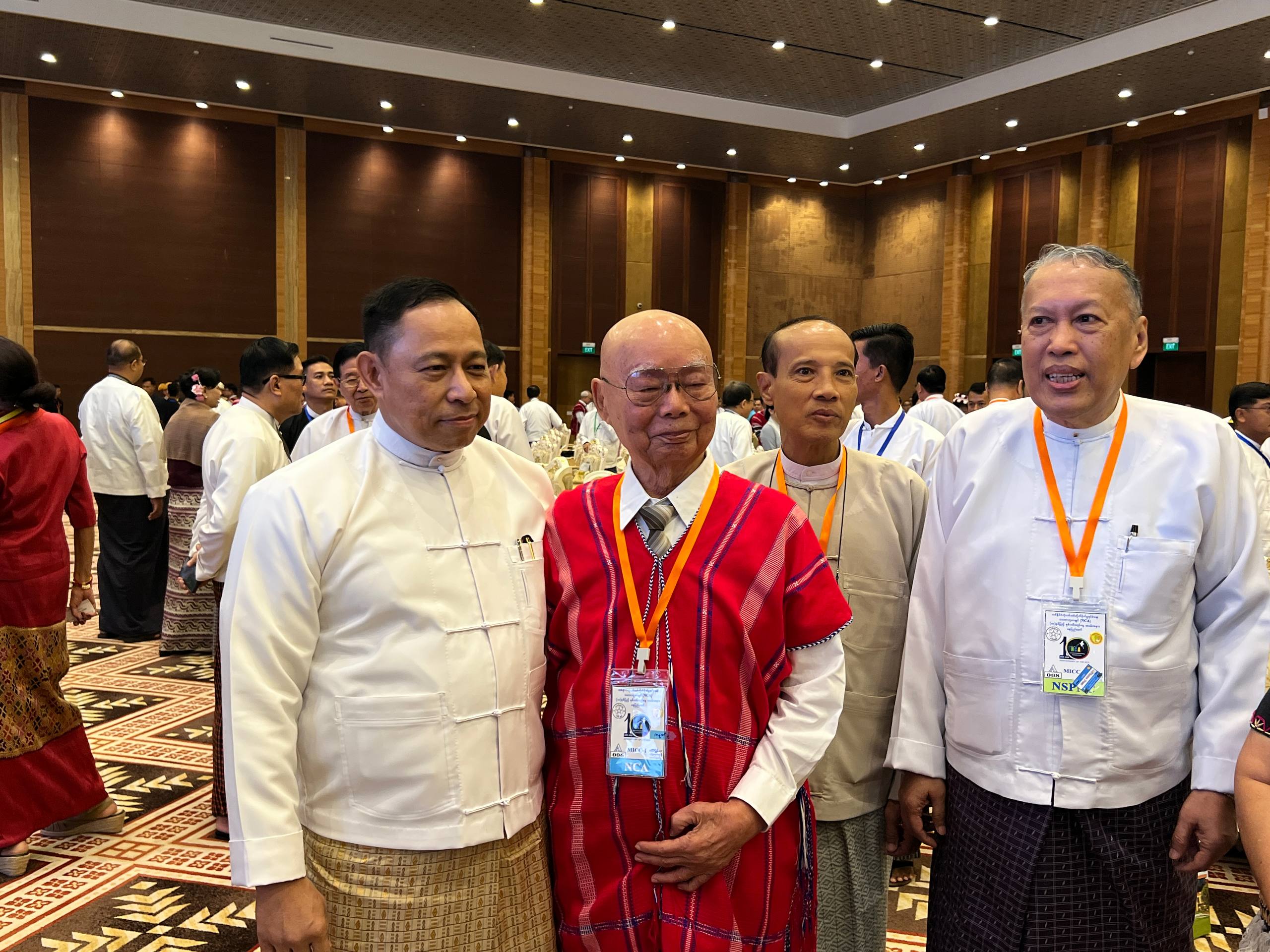
Participants in the peace process
However, these discussions were conducted only with political parties, ethnic armed organizations that had signed the NCA, and civil society groups — not with armed groups that were actively engaged in fighting on the ground.
Following the political changes in 2021, armed conflict expanded across the country, and the number of armed groups increased.
As the fighting intensified, civilians were forced to abandon their homes and properties and flee to other areas.
Therefore, unless something concrete is done regarding peace, Myanmar will never achieve peace, said U Soe Htet, Chairman of the Chin National Congress Party (NCC), in an interview with CNI News.
He said, “Whether it is through NCA signatories or through renewed peace talks, if nothing is done, our country will never achieve peace. I believe they will eventually come to the negotiating table.
If the revolution continues indefinitely, the people will suffer greatly. They are already exhausted. The revolutionaries are also exhausted. The public has suffered heavily. Our children cannot attend school. Healthcare services cannot be properly provided. People cannot live peacefully in their own homes and villages but are instead living in constant fear.
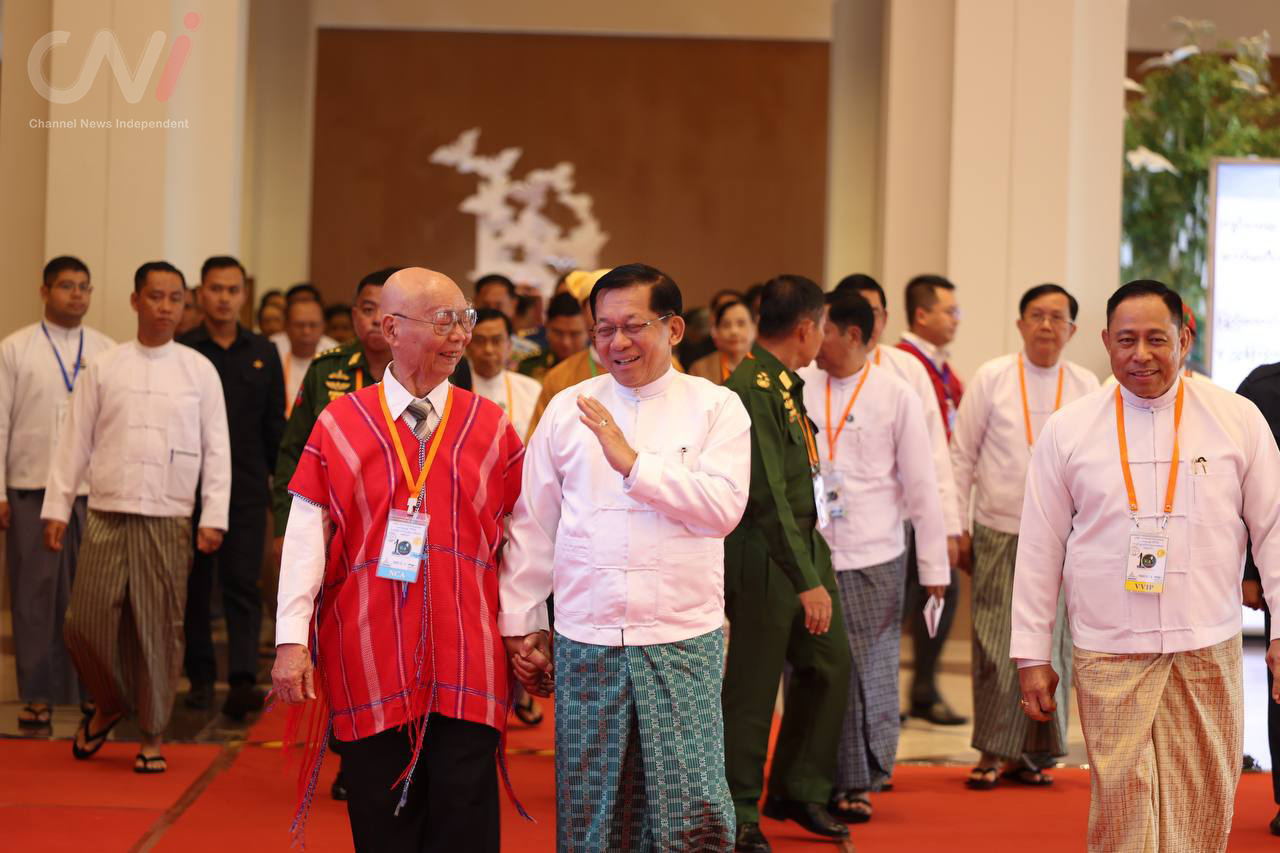
Senior General Min Aung Hlaing meeting with former KNU Chairman Saw Mutu Say Poe
Now people from Chin State, Sagaing Region, Magway Region, Mandalay Region, Naypyitaw Council Area, and Bago Region are being displaced. They want to return to their own areas. No one wants to live elsewhere. They want to return to their regions, do their own work, and live their own lives. Elderly people especially wish to return home.
So I believe those who are leading the revolution, those involved in politics, and the politicians who are in parliament will think carefully and initiate peace discussions.”
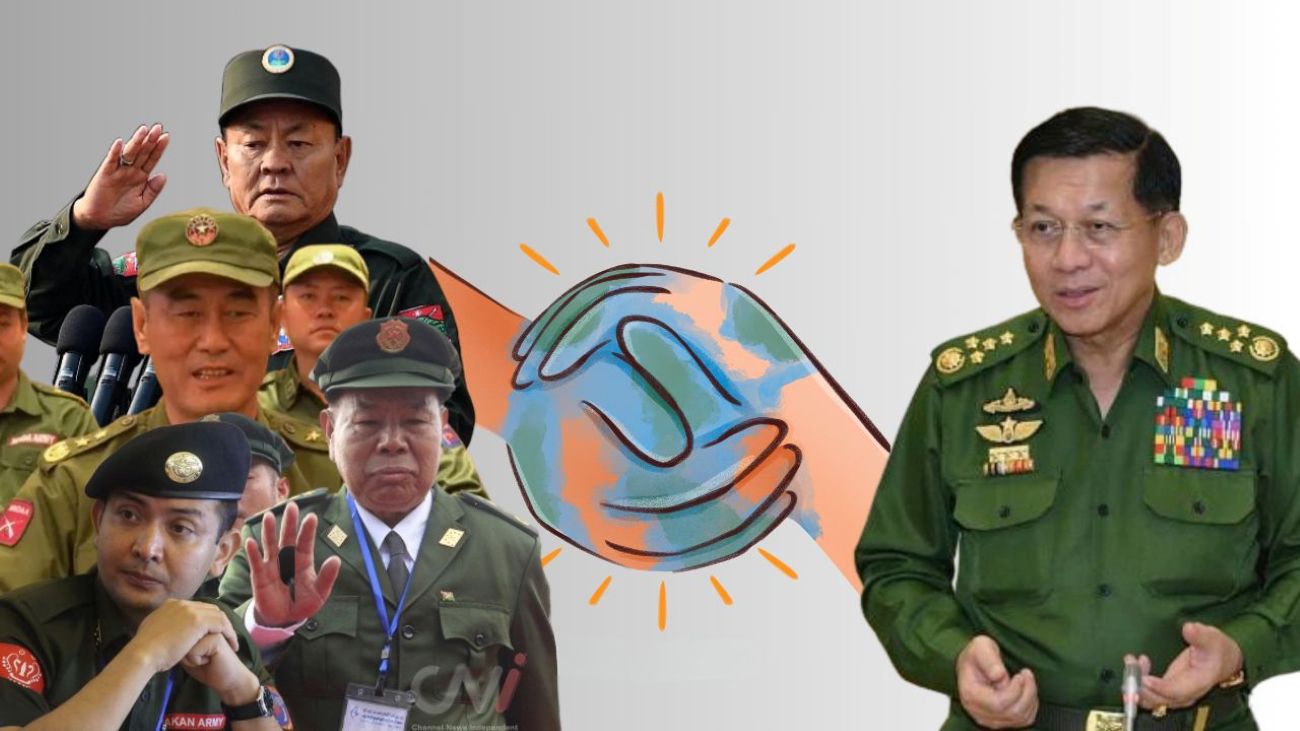
In Myanmar, ethnic armed organizations that signed the Nationwide Ceasefire Agreement (NCA) include:
Restoration Council of Shan State (RCSS),Democratic Karen Benevolent Army (DKBA), Karen National Union/Karen National Liberation Army – Peace Council (KNU/KNLA-PC), Arakan Liberation Party (ALP),Pa-O National Liberation Organization (PNLO),New Mon State Party (NMSP),Chin National Front (CNF),All Burma Students’ Democratic Front (ABSDF),Lahu Democratic Union (LDU),Karen National Union (KNU).
However, after the political changes on February 1, 2021, CNF, ABSDF, and KNU declared the NCA void and withdrew, while PNLO, ALP, LDU, and NMSP split into two factions.
Armed groups that have not signed the NCA include:
United Wa State Army (UWSA),National Democratic Alliance Army (NDAA), Myanmar National Democratic Alliance Army (MNDAA),Ta’ang National Liberation Army (TNLA), Kachin Independence Army (KIA),Shan State Progress Party (SSPP),Arakan Army (AA), Karenni National Progressive Party (KNPP).