
CNI News
February 26, 2026
The public in Kutkai Township, Northern Shan State, is facing significant hardships due to competing administrations between the Ta'ang National Liberation Army (TNLA) and the Myanmar National Democratic Alliance Army (MNDAA), according to Lwe Pakyaingza, a spokesperson for the Ta'ang Women's Organization (TWO), in an interview with CNI News.
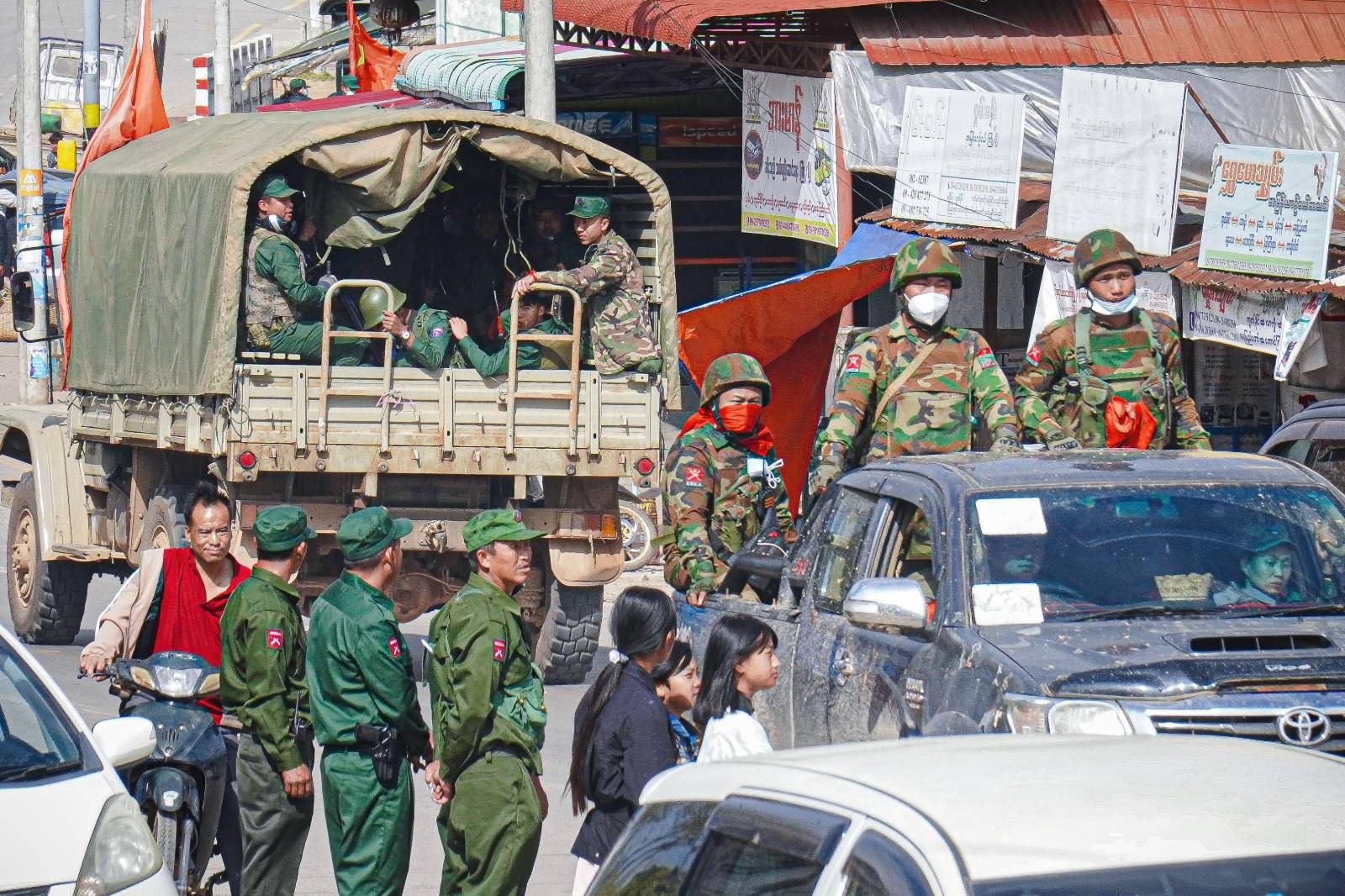
According to local residents, disputes over regional administration and friction between the TNLA and MNDAA began on February 13, 2026. These tensions have reportedly escalated to a point where they are beginning to take on the characteristics of an inter-ethnic conflict. Although Kutkai has been under the TNLA control following "Operation 1027," MNDAA troops have also entered and established positions within the town.
Following scuffles between the two armed groups, locals reported that the MNDAA has tightened security at the entrances and exits of Hsenwi, specifically targeting and inspecting members of the Ta'ang ethnic group.
Lwe Pakyaingza of the TWO told CNI News that while the issue originated between the two armed groups, it is now targeting civilians and shifting toward an ethnic conflict.
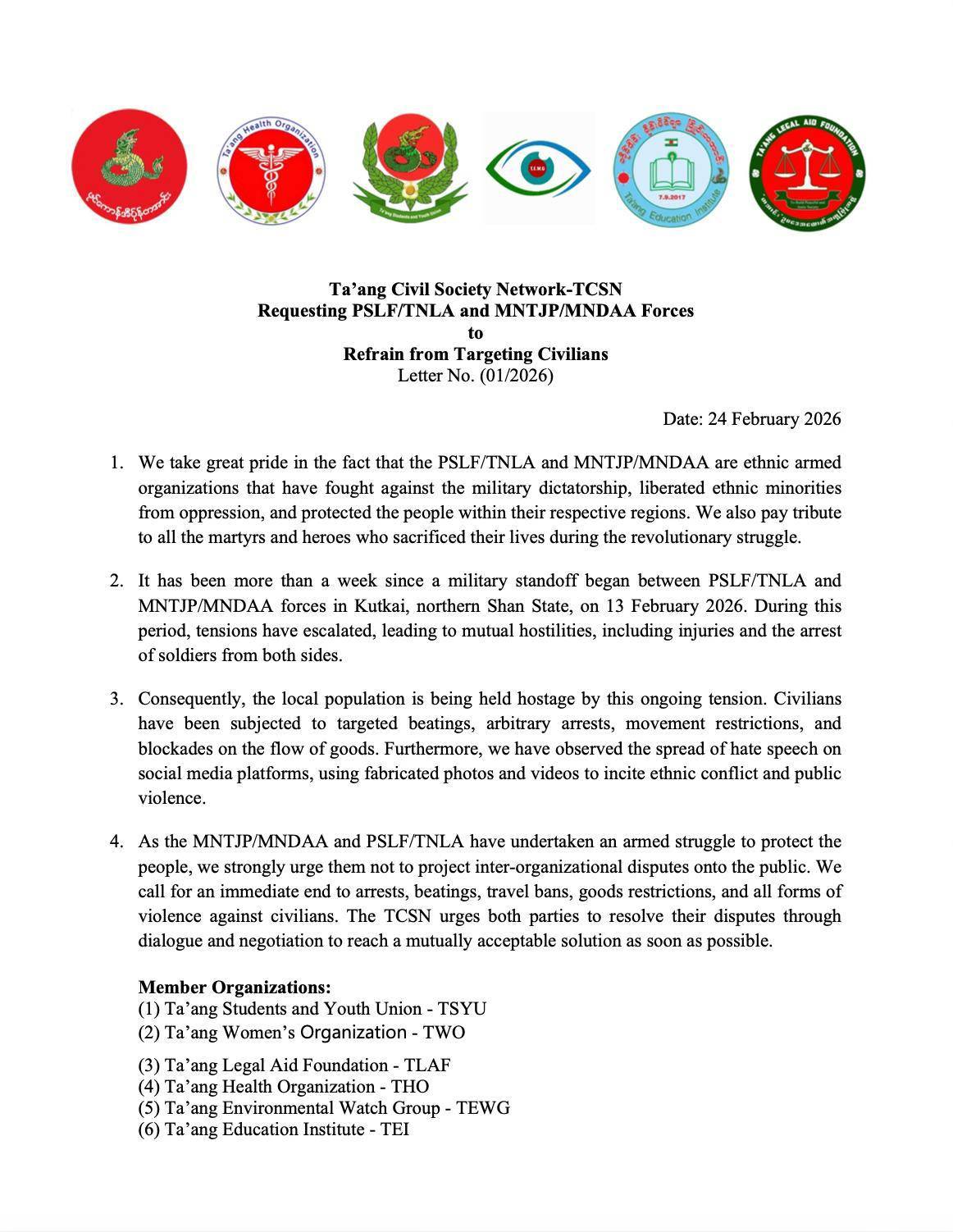
Statement issued by Ta'ang organizations regarding the conflict between TNLA and MNDAA.
"The problem is shifting toward the public, and as a civil society organization, we find this unacceptable," she said. "When there is administrative rivalry in a single town, friction and tensions are bound to happen on the ground. Sometimes, lobbyists organize and incite further tension. We see provocations both on the ground and on online platforms to escalate military tension."
She further warned that if these provocations lead to ethnic-based restrictions and travel bans, it will heighten conflict between the communities. "It is better for the groups to resolve their issues between themselves. The conflict between the armed groups is not a conflict between the local people or the ethnic groups. However, if it takes the form of a conflict between two ethnicities, the situation will become harder to control and tensions will likely worsen."
A local resident in Kyaukme, Northern Shan State, told CNI News that the conflict stems from an unfair or unclear division of territory following Operation 1027.
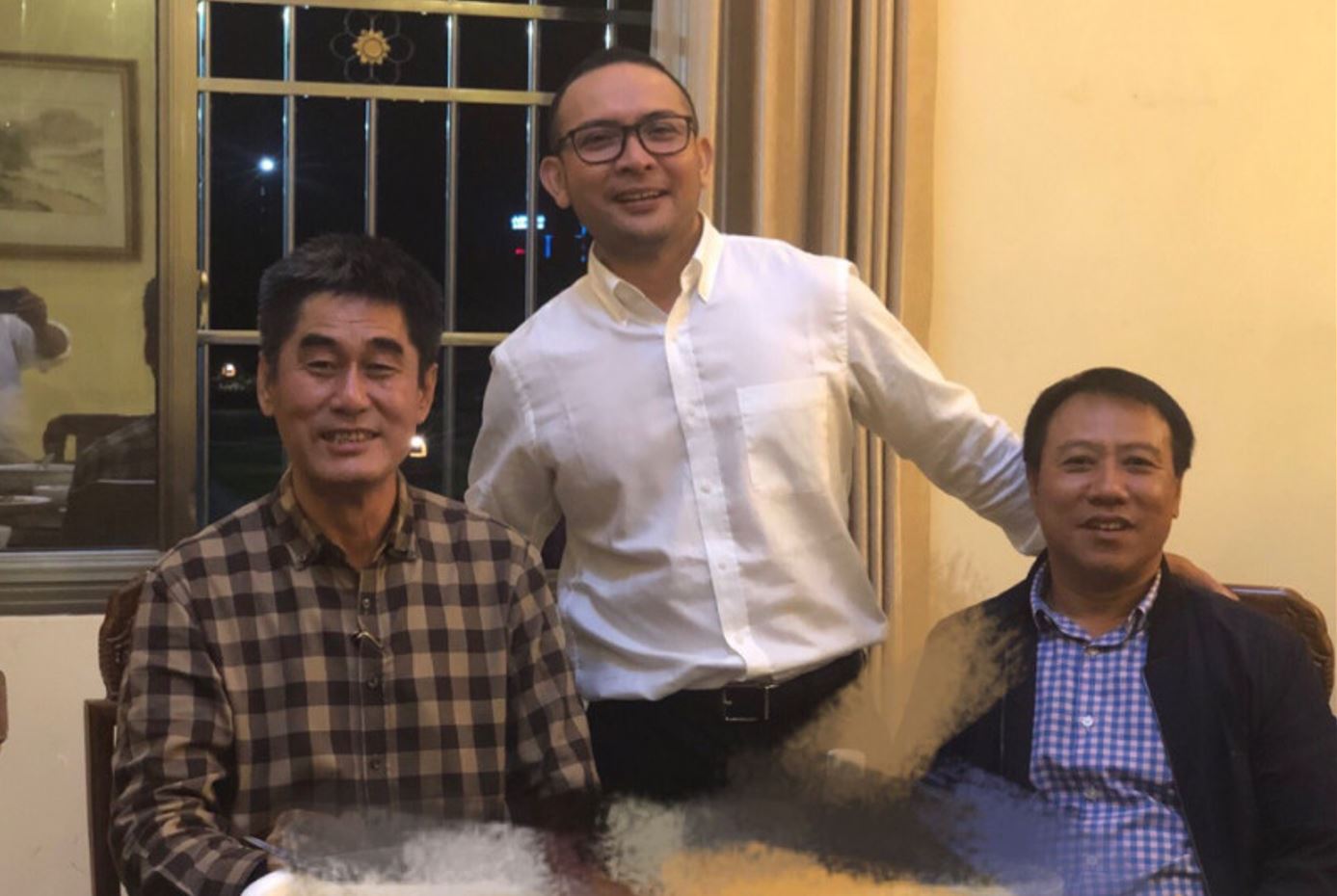
Leaders of the AA, MNDAA, and TNLA.
"During Operation 1027, they acted as the Three Brotherhood Alliance. However, after the operations, the territorial boundaries were not divided fairly or clearly. This lack of clarity has led to the current overlapping issues. It’s quite evident that the failure to properly delineate seized territories after Operation 1027 is causing these problems," the resident explained.
Ta'ang civil society organizations pointed out that most locals currently find it extremely difficult to distinguish between true and false information due to poor access to news sources and internet connectivity. This environment makes it easy for provocateurs to incite anger, leading to fears that the situation could devolve into a communal conflict.
Despite being members of the Brotherhood Alliance (MNDAA, TNLA, and AA), the MNDAA and TNLA have frequently experienced territorial disputes and internal clashes in Northern Shan State.