
CNI News
February 21, 2026
Political analyst U An Kaw La told CNI News that the new government, expected to be formed in April 2026, is likely to be a government characterized by "collective leadership."
Following the 2025 general elections in Myanmar—which were held in three phases from December 28, 2025, to January 25, 2026—parliament (Hluttaw) is scheduled to convene in March, with the new government to be formed in April.
U An Kaw La noted that there are indications a Union Consultative Council will be established under the next administration to ensure "Checks and Balances," leading to a collective leadership model.
"The structure of the new government emerging in 2026 will differ greatly from the 2010 and 2015 administrations, as well as the SAC (State Administration Council) model. It also differs from the Burma Socialist Program Party era," he said. "Currently, we see a framework moving toward collective leadership and checks and balances, involving the State Consultative Council alongside the Executive and the Legislature. I see this as a preparation for a more compact and 'safe' military-related government. It appears they are preparing to change the economic and diplomatic landscape into a more cohesive government model for international relations."
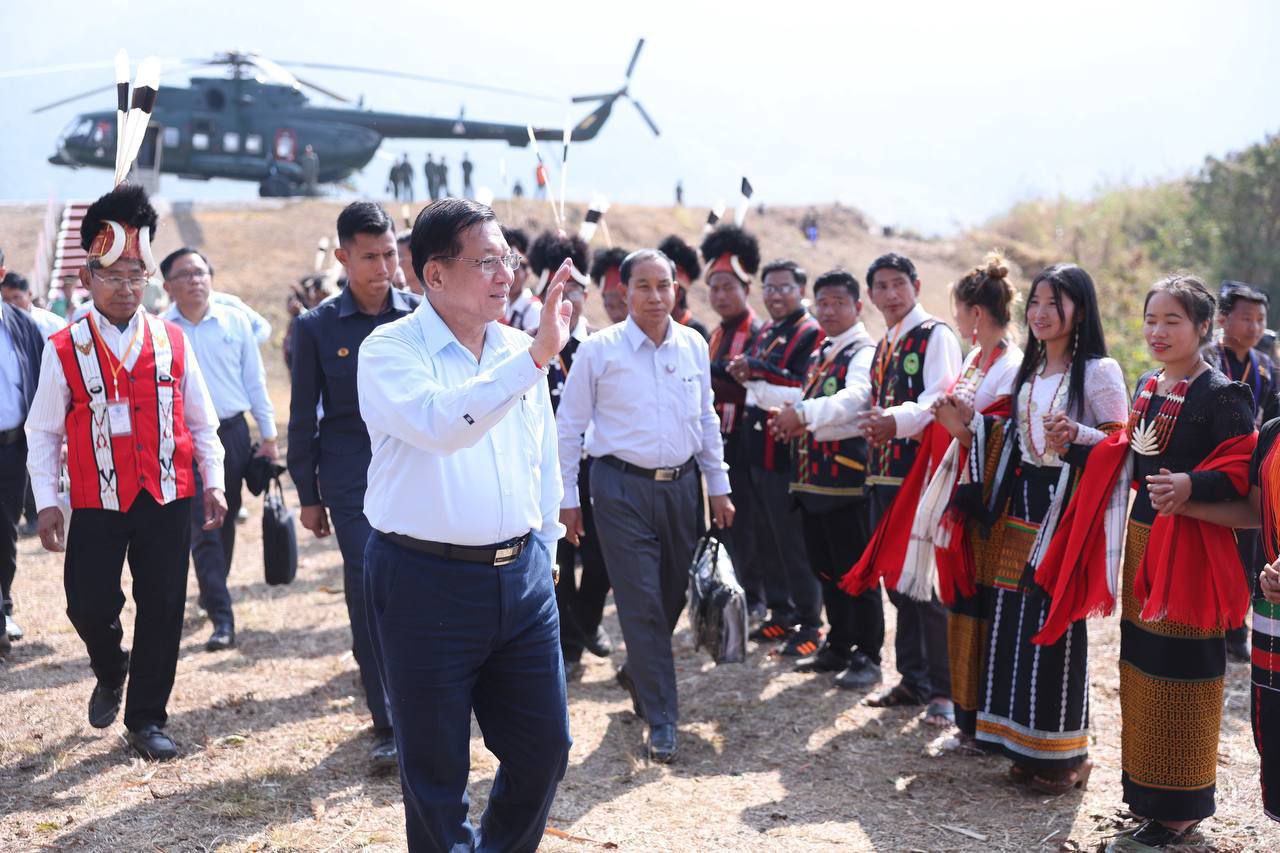
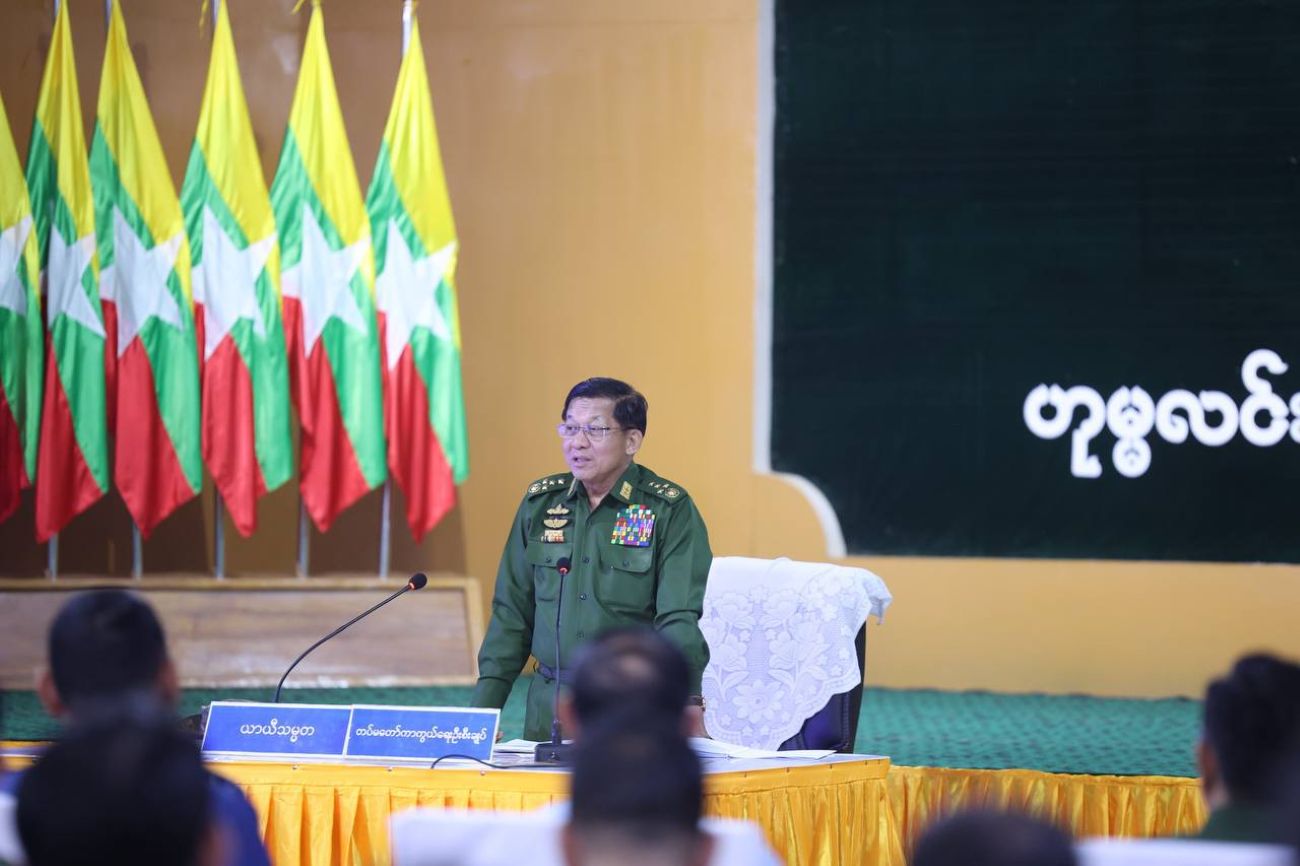
Senior General Min Aung Hlaing seen
He added, "In the current context, the traditional three branches—Legislative, Executive, and Judiciary—require a collective leadership and tighter control. I believe this approach is beneficial for Myanmar given the political and international crises the country is facing."
Collective leadership (or democratic leadership) is a style where group members participate more actively in the decision-making process.
This model can be applied to anything from private businesses to government bodies.
It is characterized by equal opportunities for participation, the free exchange of ideas, and encouraged discussion.
While it focuses on the free flow of ideas and equality within the group, a leader still exists to provide guidance and control.
However, political analyst Dr. Aung Myo told CNI News that the effectiveness of collective leadership in the new government setup will depend entirely on the leader.
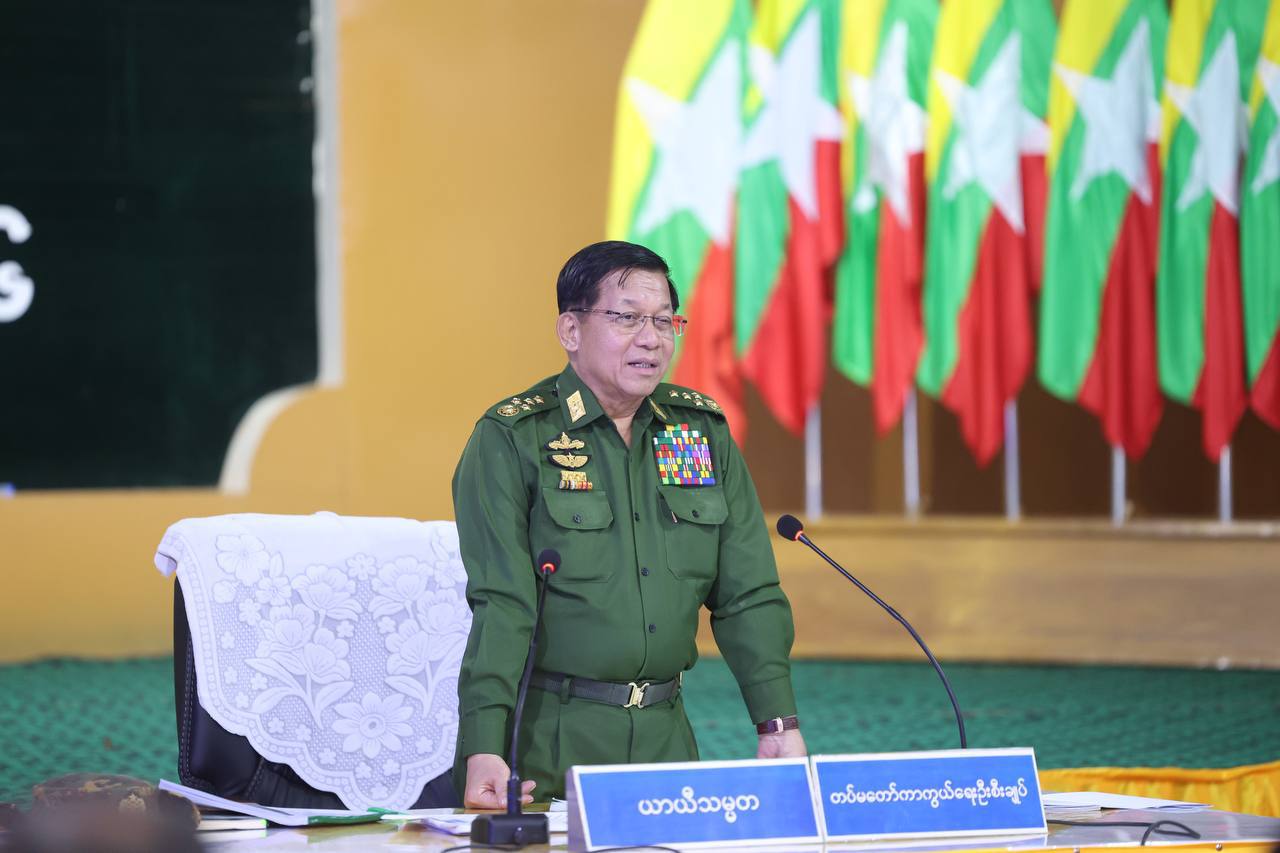
Senior General Min Aung Hlaing seen
"The current constitution is similar to an American-style system where the President holds the power. While there is a certain amount of oversight, collective leadership depends on whether the leader accepts it or not. We have to wait and see," Dr. Aung Myo said.
He further noted, "Firstly, the parliament (Hluttaw) is almost entirely composed of USDP (Union Solidarity and Development Party) members. The President will also be someone who favors the USDP. Essentially, the Executive is USDP and the Parliament is USDP. There won’t be anyone left in parliament to debate or challenge them. Rather than 'collective leadership,' it would be better if a President acts with individual reason and restraint. If there is progress to be made, it will happen more quickly this way."
Political parties have been pointing out that the incoming government should be formed as a national unity government style, using collective leadership to resolve the current crises.
They warn that if a single person or a single party leads alone without mutual checks and balances, it will be difficult to overcome Myanmar's current hardships.