
CNI News
February 21, 2026
While China exerts significant influence over the three ethnic armed groups in northern Shan State, its sway over the Kachin Independence Army (KIA) is not as strong as many might assume, according to China-Myanmar analyst Dr. Hla Kyaw Zaw, who spoke with CNI News.
She noted that the three northern Shan groups—the MNDAA (Kokang), NDAA (Mongla), and UWSA ("Wa")—have long-established, firm relationships with China. In contrast, the KIA does not show a tendency to blindly follow Beijing’s directives.
Dr. Hla Kyaw Zaw explained the geographical and economic differences:
Northern Shan Groups (Wa, Mongla, Kokang): These groups are heavily integrated with China economically.
China has invested significantly in them through the Mekong Valley Development initiatives. Consequently, they are largely dependent on China for everything from their economy to general survival.
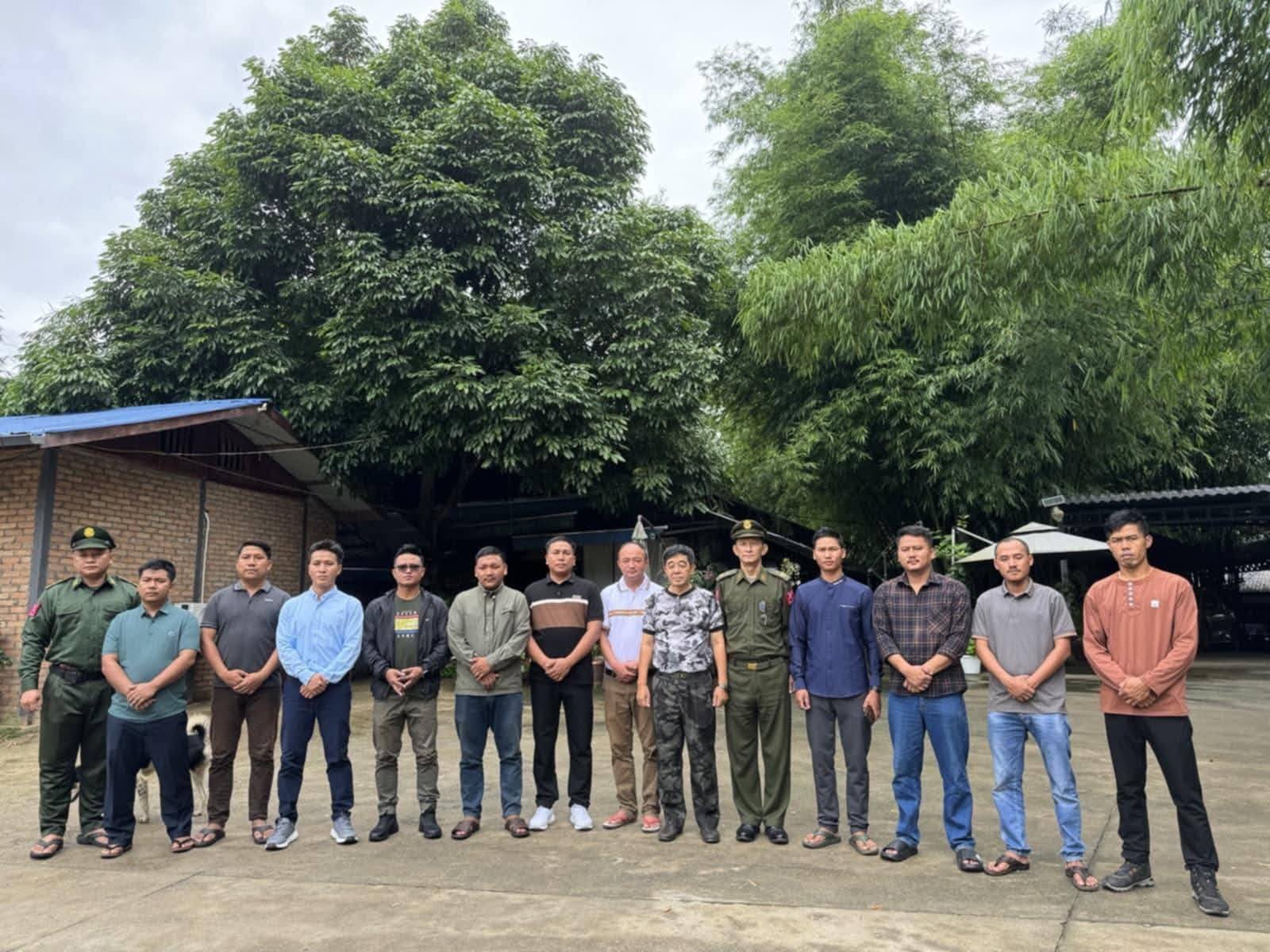
Lt. Gen. Gun Maw with the Chin Brotherhood group.
KIA: While the KIA shares a border with China, it maintains more independence in its thinking. Dr. Hla Kyaw Zaw highlighted that the KIA holds a "winning card"—Rare Earth minerals.
Since they control these resources, they have more leverage when negotiating with China compared to other groups.
"The KIA won't obey everything China says. They aren't completely tied to China economically. Because they control rare earth metals, they have more 'say' than the others," Dr. Hla Kyaw Zaw told CNI.
Military and political observers point out that the KIA is currently playing a balancing act between Western powers and China.
Sai Htay Aung, Chairman of the Tai-Leng (Shanni) Nationalities Development Party (TNDP), shared his view with CNI:
Pressure: China might have been able to pressure the KIA in the past, but the current landscape has shifted.
While China has reportedly asked the KIA not to escalate fighting, the KIA has expressed its intent to continue military operations.
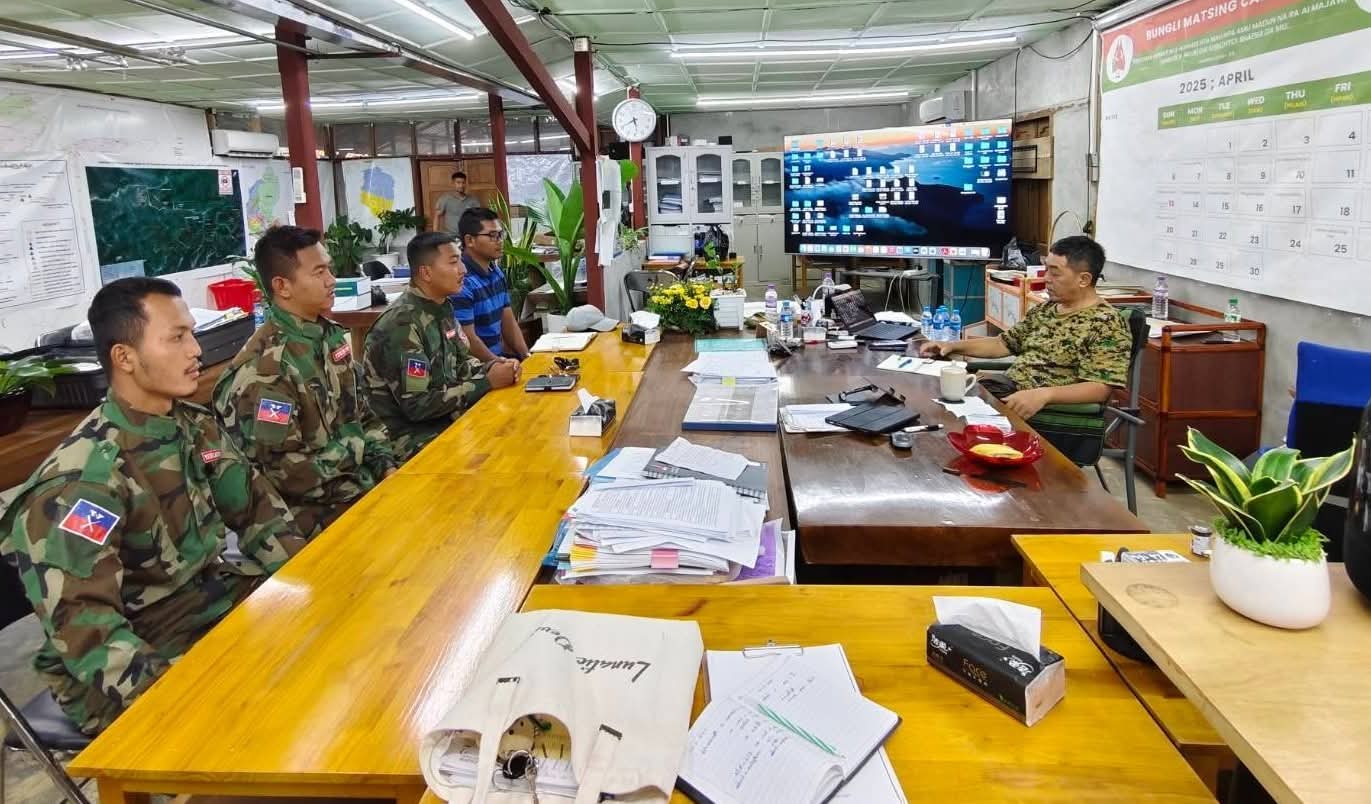
Lt. Gen. Gun Maw with the Yaw PDF.
Sai Htay Aung suggested that because the KIA is receiving supplies (arms and medicine) from elsewhere, they are emboldened to stand their ground against Chinese demands.
The "West" Factor: He noted that if Western influence grows within the KIA's sphere, China will lose its ability to control the situation.
China’s Strategic Interests in Myanmar, China has massive investment projects at stake in Myanmar, including:
The Kyaukphyu Special Economic Zone (SEZ), The Myitsone Dam,High-speed rail projects (Muse-Mandalay, Ruili-Mandalay-Kyaukphyu),The Kanpaiti Economic Cooperation Zone,
Current Role of the KIA.
Currently, the KIA is a major supporter of Spring Revolution forces, providing:
Arms and ammunition. Military training and sanctuary. Operational support for joint battles in Sagaing Region and Kachin State.