
CNI Article
February 19, 2026
Kachin Independence Army (KIA) leader Lt-Gen Gun Maw stated that they have designated areas as the Chin Unit, Kachin Unit, Naga Unit, and the Ka Thone Lone area (Kantbalu–Kawlin–Kathar), and that by controlling those areas, they aim to take control of both Upper and Lower Myanmar.
He made these remarks on February 5, 2026, during the 65th Kachin Revolution Day ceremony held in Texas, United States.
However, he did not specify which areas are included in the Naga Unit.
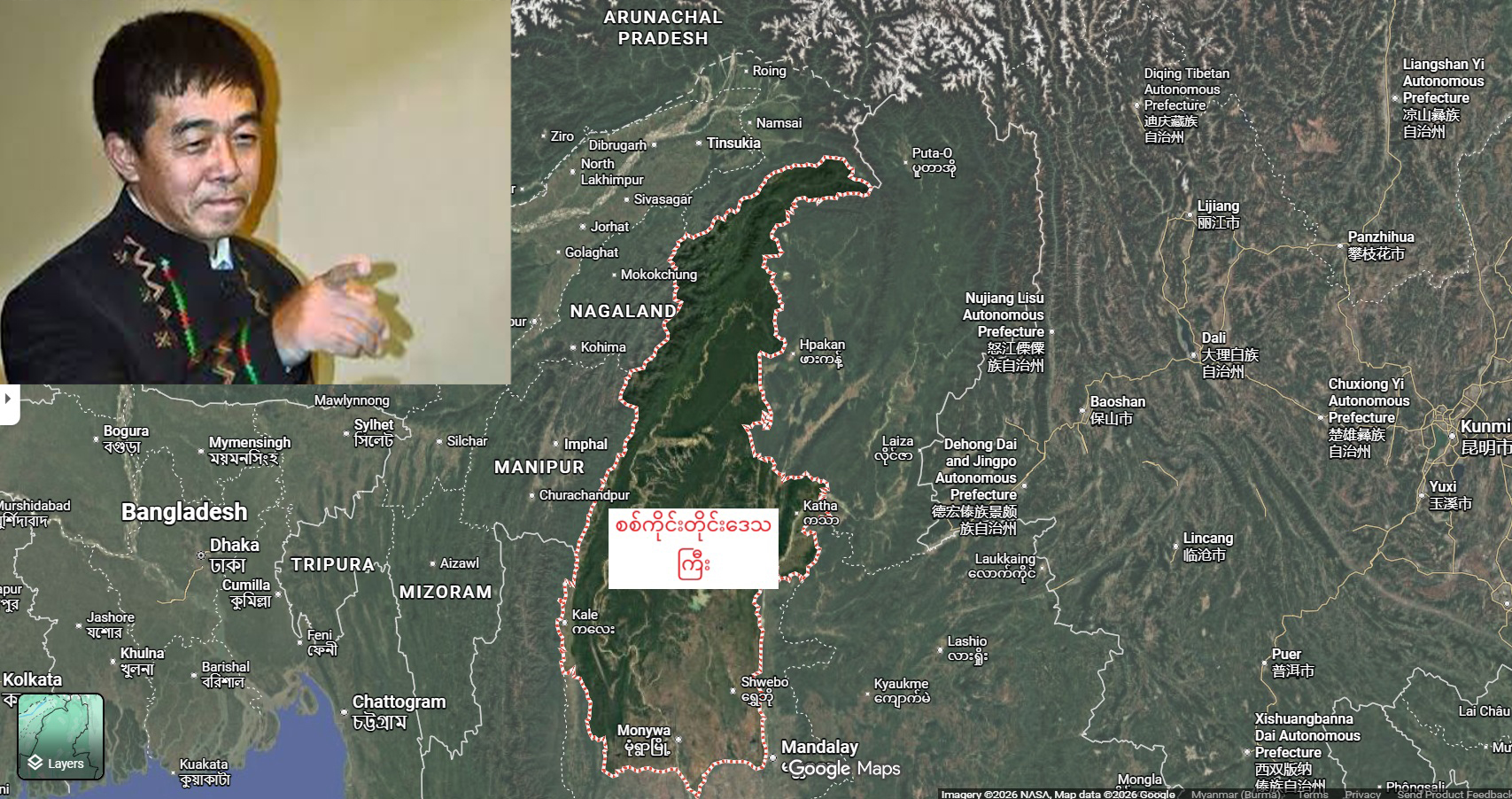
Therefore, questions arise as to whether the Naga Unit includes the Naga Self-Administered Zone in upper Sagaing Region, the Hkamti area, Homalin area, Shwe Pyi Aye area, Phaungpyin area, and Tamu area—or whether it includes only the Naga Self-Administered Zone along with Hkamti and Homalin—or perhaps only the Naga Self-Administered Zone alone.
How do the Naga armed groups such as NSCN-K/AM and NSCN-K/YA view this? What territories do they envision as part of the Naga Unit? Which areas do they include?
Similarly, how do the Eastern Naga National Organization / Eastern Naga Development Association (ENNO/ENDA) and the Naga PDF perceive the Naga Unit described by the KIA? What areas do they consider to be included?
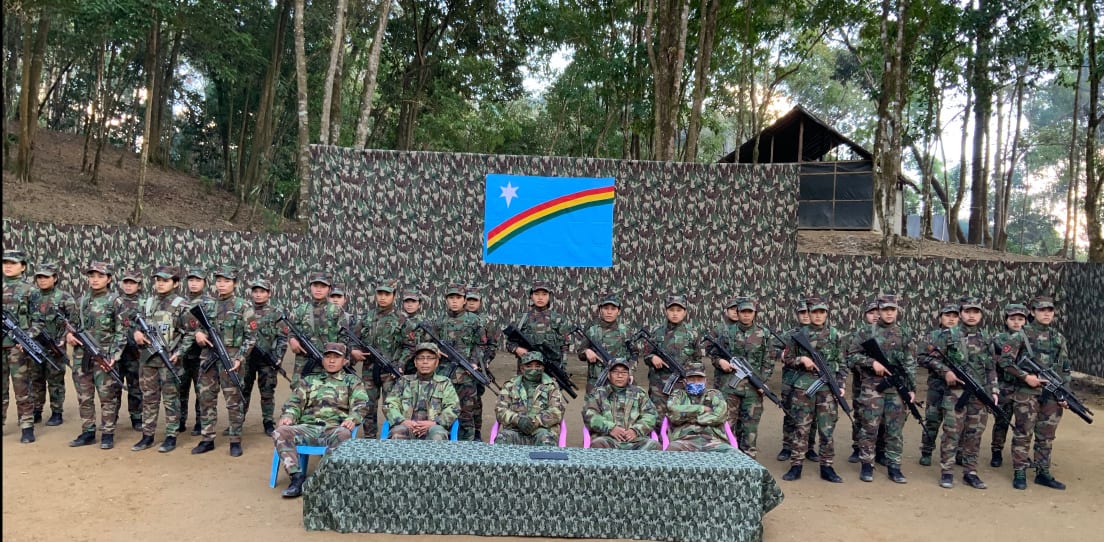
ENNO/ENDA and the Naga PDF are groups that have reportedly received weapons, ammunition, and military training from the KIA, and they have conducted joint operations with the KIA in Kachin State and Sagaing Region. Therefore, it is understood that they may have already reached prior coordination or agreement regarding the Naga Unit territory mentioned by the KIA.
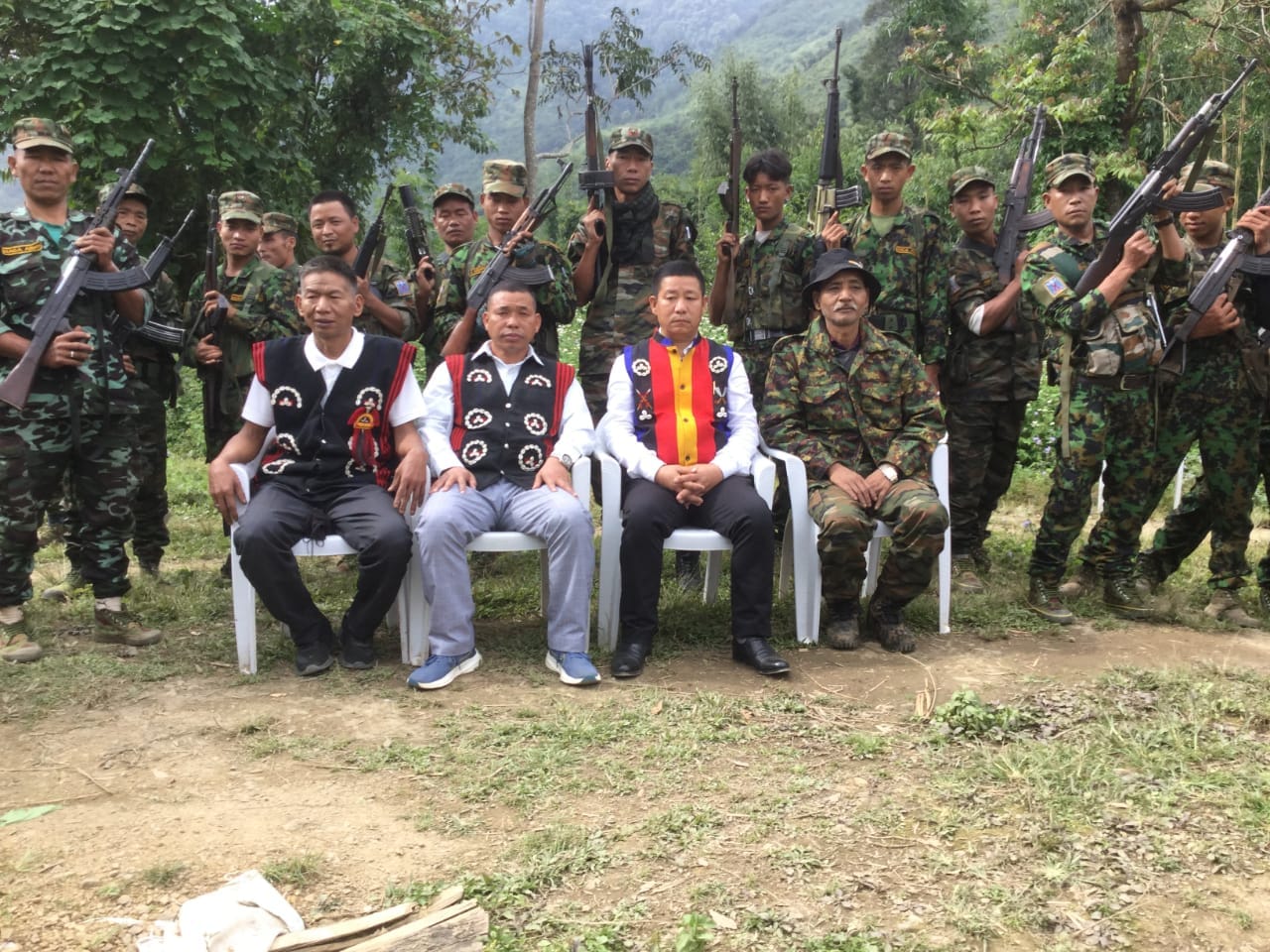
NSCN-K/YA is also reported to have maintained relations and discussions with the KIA, according to local sources, suggesting that they may have some understanding of what territories the KIA refers to as the Naga Unit.
However, NSCN-K/AM is understood to have established relations with various parties and to maintain broader engagement. Therefore, how they conceptualize the Naga Unit territory remains a question.
Naga armed groups aim to unite Naga ethnic communities living across India and Myanmar to establish an independent Naga Federation (or independent Naga state). But which specific territories would be combined to realize that objective?
According to local sources, Naga armed organizations based in Myanmar reportedly envision the Naga Unit as stretching from Tanai–Shin Bway Yan in Kachin State through the Naga Self-Administered Zone in Sagaing Region, extending to Hkamti, Homalin, Shwe Pyi Aye, Phaungpyin, and Tamu.
Nevertheless, how compromises might be reached between the KIA’s definition of the Naga Unit and that of the Naga armed groups remains to be seen. If an agreement were reached, implementing control over the Naga Unit would raise questions about how India, Myanmar, and the Shanni (Tai-Leng) community might respond.
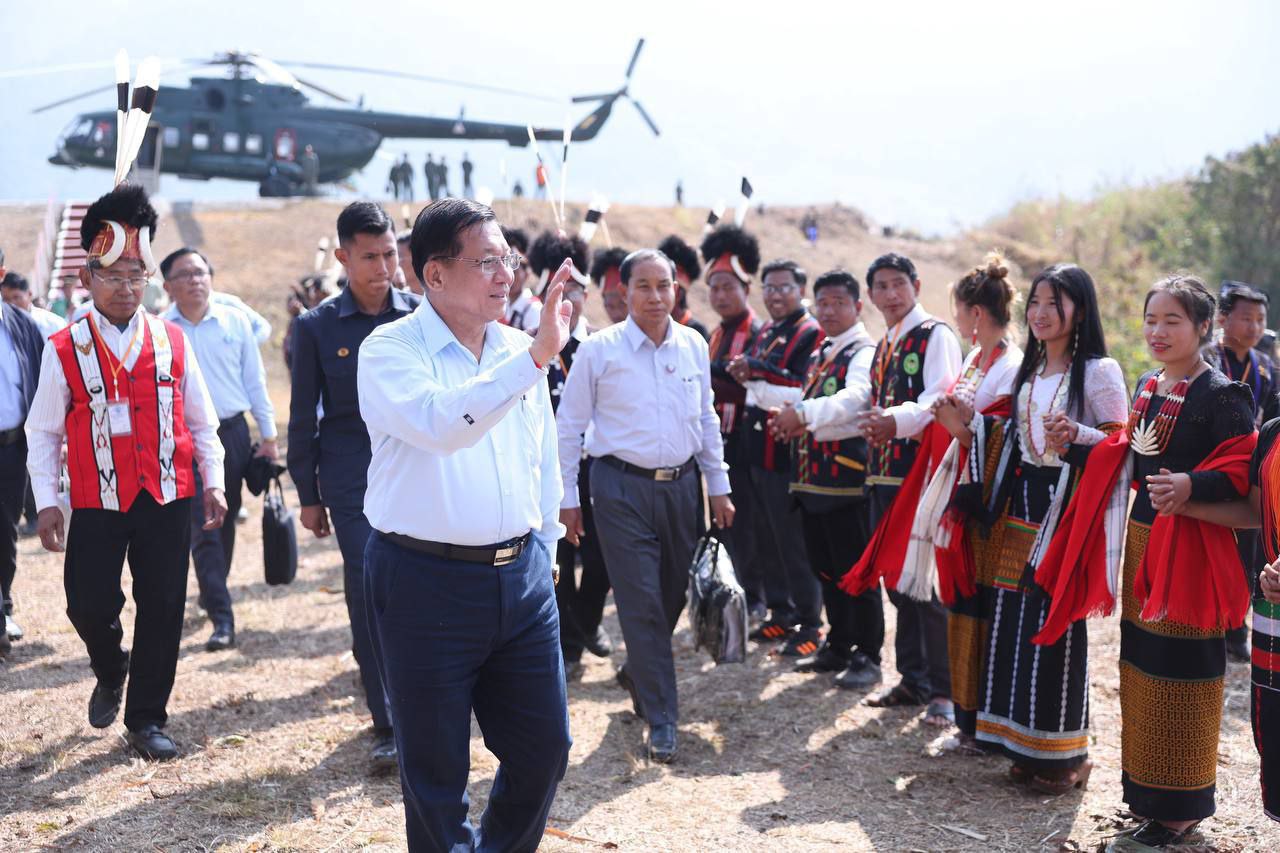
On February 15–16, 2026, Commander-in-Chief Senior General Min Aung Hlaing visited the Naga region (Lahe–Leshi) and Homalin area. During the visit, he called on local people to cooperate for regional peace and security, promised to support development in the Naga region, and accused armed groups of illegally extracting and selling local natural resources for personal gain.
His visit appeared significant, especially as he reportedly did not attend Chinese New Year celebrations in order to make the trip.
Although the specific territories included in the KIA’s Naga Unit designation remain unclear, areas near the Naga region are also inhabited by Shanni and Shan ethnic communities. Therefore, the role of the Shanni may also need to be considered.
India appears to be following a monitoring policy without taking sides in Myanmar’s armed conflict, based on its democratic principles. However, if a situation arises that threatens India’s sovereignty, India’s approach could change.
Currently, India is also facing issues related to Myanmar’s armed conflicts, including drug smuggling, gold smuggling, arms trafficking, refugee inflows, ethnic conflict between Kuki and Meitei communities in Manipur State, border fencing disputes involving Indian Naga communities, peace talks with NSCN-IM, and the stalled Kaladan River project.
In any case, if the KIA were able to unite all Naga armed groups and conduct joint operations, combining the Naga Unit with the Ka Thone Lone (Kantbalu–Kawlin–Kathar) operation in Sagaing Region, it could potentially gain control over central and upper Sagaing Region, including all entry points into Kachin State.
Subsequently, efforts could continue to combine control of lower Sagaing Region with the Chin Unit. If lower Sagaing and the Chin Unit were also brought under control, this could create a link to Rakhine State and potentially establish access to the sea.
On another front, by supporting PDFs in Mandalay Region and Magway Region, military pressure could be exerted on central Myanmar while countering the Tatmadaw’s military responses.
Whether the KIA’s strategy of leveraging the Naga Unit to control Sagaing Region and integrate with the Chin Unit will succeed remains to be observed.