
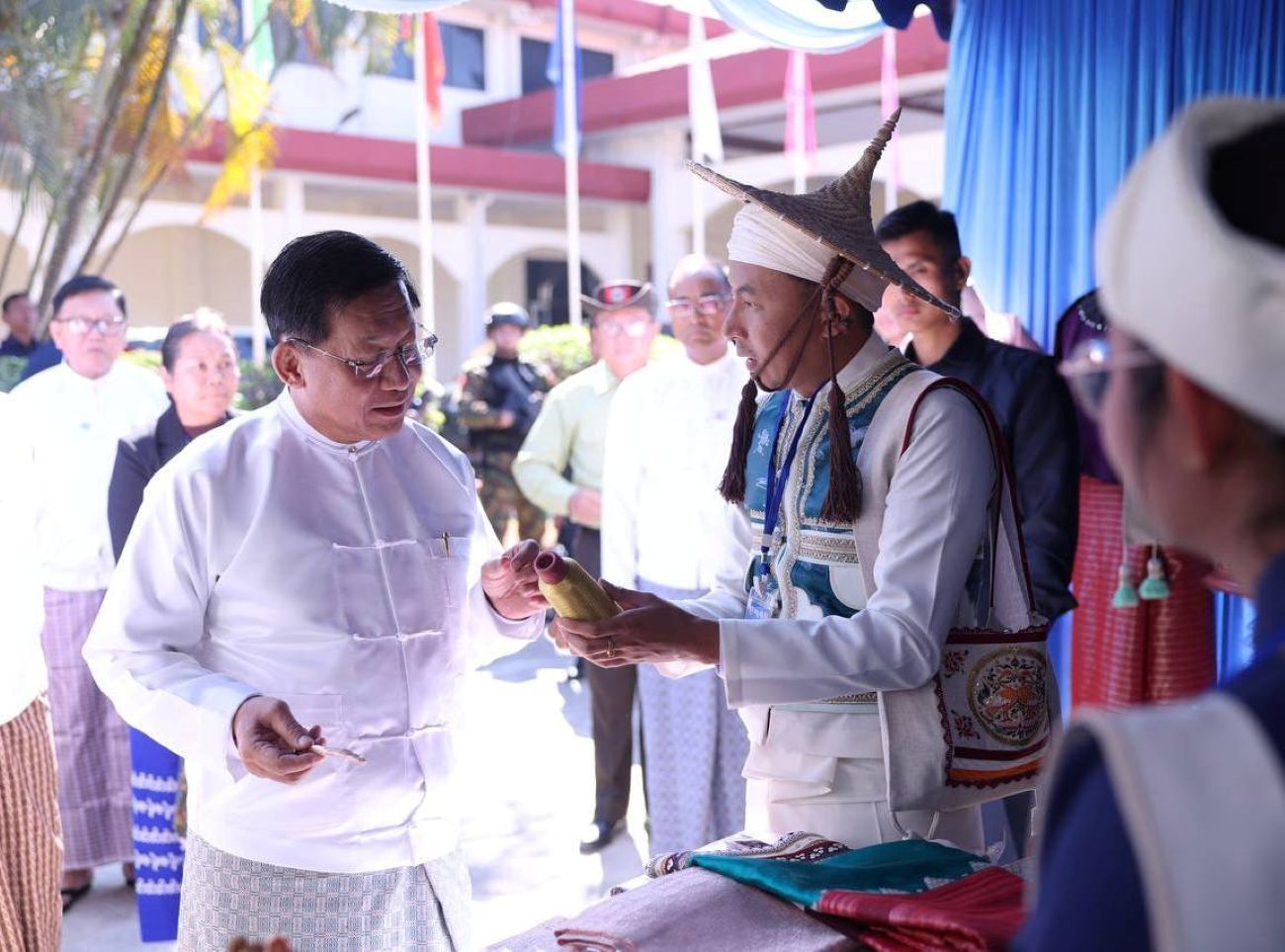
CNI News
21 January 2026
Senior General Min Aung Hlaing, Chairman of the State Security and Peace Commission, stated that manufacturing industries have shown progress despite economic sanctions imposed on Myanmar by certain countries and organizations.
He made these remarks during a meeting with departmental staff, community elders, and business owners in Kengtung on January 19, 2026.
Senior General Min Aung Hlaing said, "While some countries and organizations have imposed economic sanctions on Myanmar, the state economy has had trade deficits since the previous government's term. By encouraging domestic agriculture and livestock—the backbone of the economy—and working to improve manufacturing, there has been a reasonable degree of progress despite the sanctions. The trade deficit, which was previously in the negative, has returned to a positive balance."
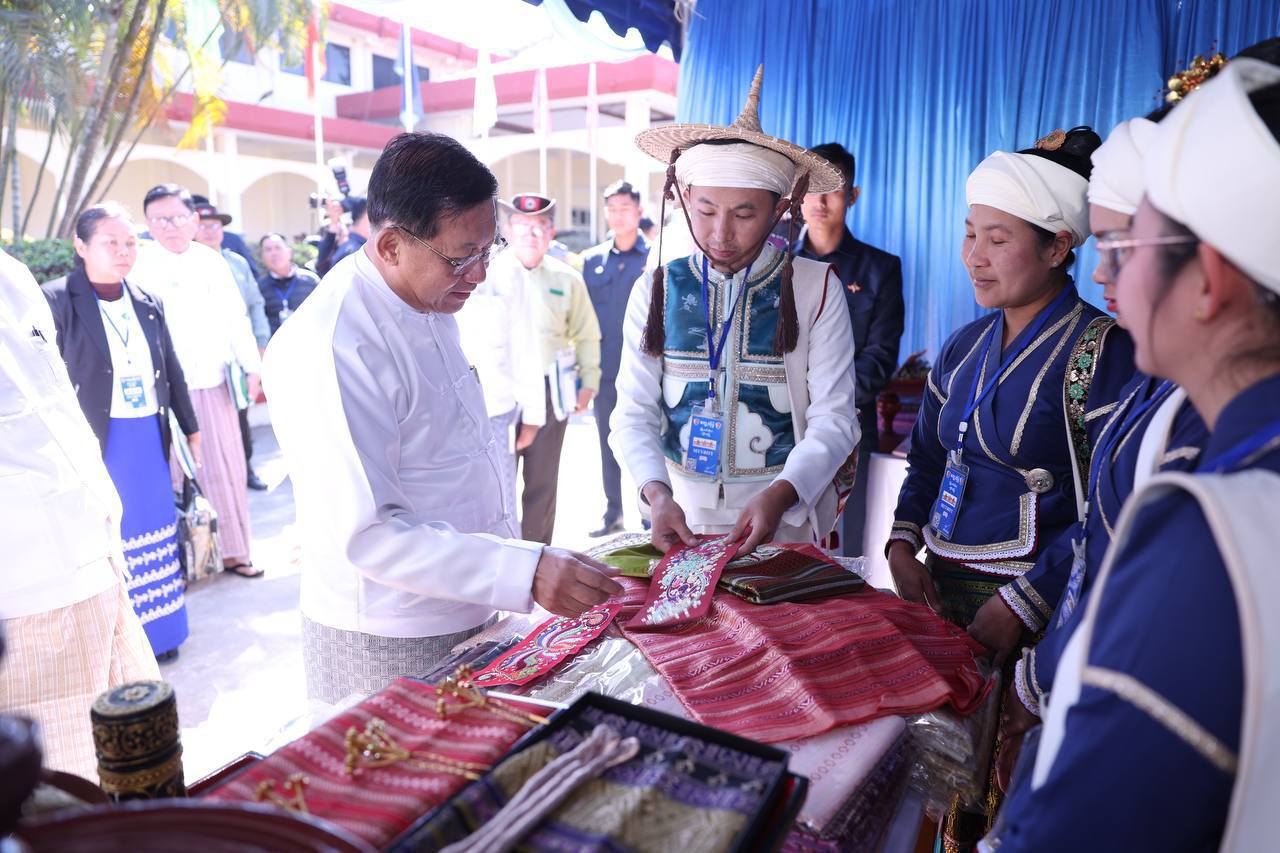
Senior General Min Aung Hlaing
Dr. Aung Myo, a political analyst, told CNI News that while accurate figures for the current Myanmar economy are unavailable and everyone in the country is facing a crisis, the situation has not reached a total collapse.
He noted, "The reason for the trade surplus is the severe restriction on foreign imports. For example, items like kerosene and premium alcohol are restricted. To put it simply, they only allow essentials, which reduces the expenditure of foreign currency and prevents a total disaster. Regardless of the sanctions, we see that the country has resilience. For instance, gold is being illegally extracted in PDF-controlled areas, and there are resources in non-PDF areas as well. Even without accurate data, a 'hidden economy' is surviving. So, while everyone is in a crisis, it hasn't turned into a total catastrophe."
Senior General Min Aung Hlaing further stated that if domestic production of food and consumer goods can meet local demand, foreign currency expenditures will significantly decrease. He added that the annual import of cooking oil from abroad is a loss for the country.
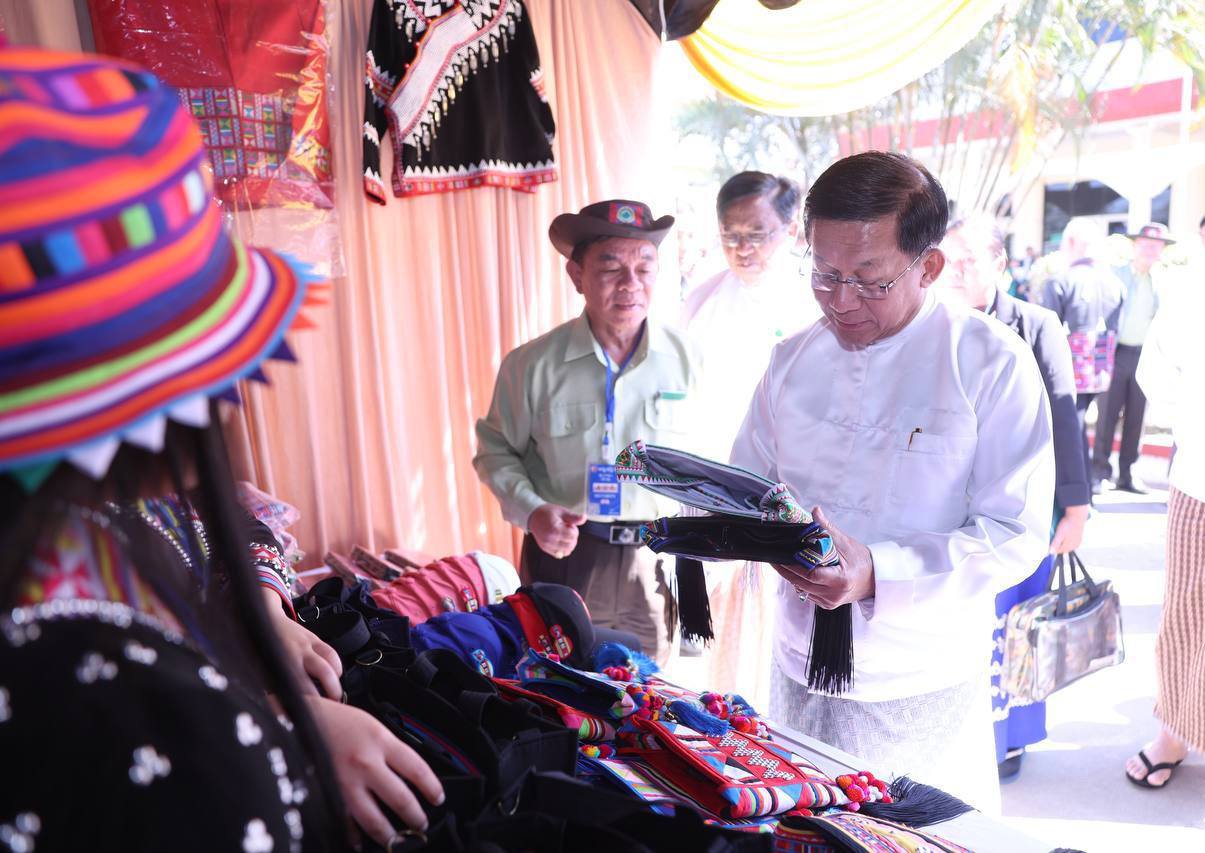
Senior General Min Aung Hlaing
Dr. Aung Myo also told CNI News that officials from the NLD government seemed to lack an understanding of the economy, particularly in budget management.
"During the NLD’s term, the officials were quite inexperienced. They didn't know how to manage the budget effectively. They didn't invest capital for sustainable development. For example, they didn't pursue hydropower projects. Projects that should have been finished in 3-4 years were left incomplete. They focused on rural electrification to gain popularity, but because they didn't understand national development, they couldn't balance the two budgetary goals. There was no real progress in terms of development," he said.
Since the military took over, in an effort to prevent trade deficits and dollar shortages, all imports—including consumer goods, medicines, and other foreign products—have been completely banned, with the exceptions of fuel, palm oil, and weaponry/ammunition.
Currently, the people of Myanmar are facing rising prices for consumer goods, food, and medicine, as well as a scarcity of employment opportunities.