
CNI News
21 January 2026
There is significant public interest and questioning regarding how Senior General Min Aung Hlaing would maintain control over the Tatmadaw (military) if he were to assume the presidency in the upcoming new government.
In the post-election political landscape, Senior General Min Aung Hlaing likely harbors ambitions to become the official President. At the same time, he may create a framework that allows him to continue exercising power over the military, according to Colonel Khun Okkar, Chairman of the Pa-O National Liberation Organization (PNLO-NCA/S), an ethnic armed group signatory to the Nationwide Ceasefire Agreement.
Speaking to CNI News, Colonel Khun Okkar said, "I believe he has the ambition to become President. Therefore, he will likely take the presidency while simultaneously designing a model that allows him to maintain administrative authority over the military. Analysts suggest he will definitely take the presidency but will also manage to mitigate any 'side effects' [of leaving the military]. This could be called a new political landscape. While he is expected to officially become President, there are concerns that this might distance him from the military. However, this could be resolved by amending the 2008 Constitution to allow one person to hold both positions. We must watch whether the first task of the Parliament(Hluttaw) that emerges in March will be to amend crucial sections of the Constitution. If they do, this scenario could indeed materialize."
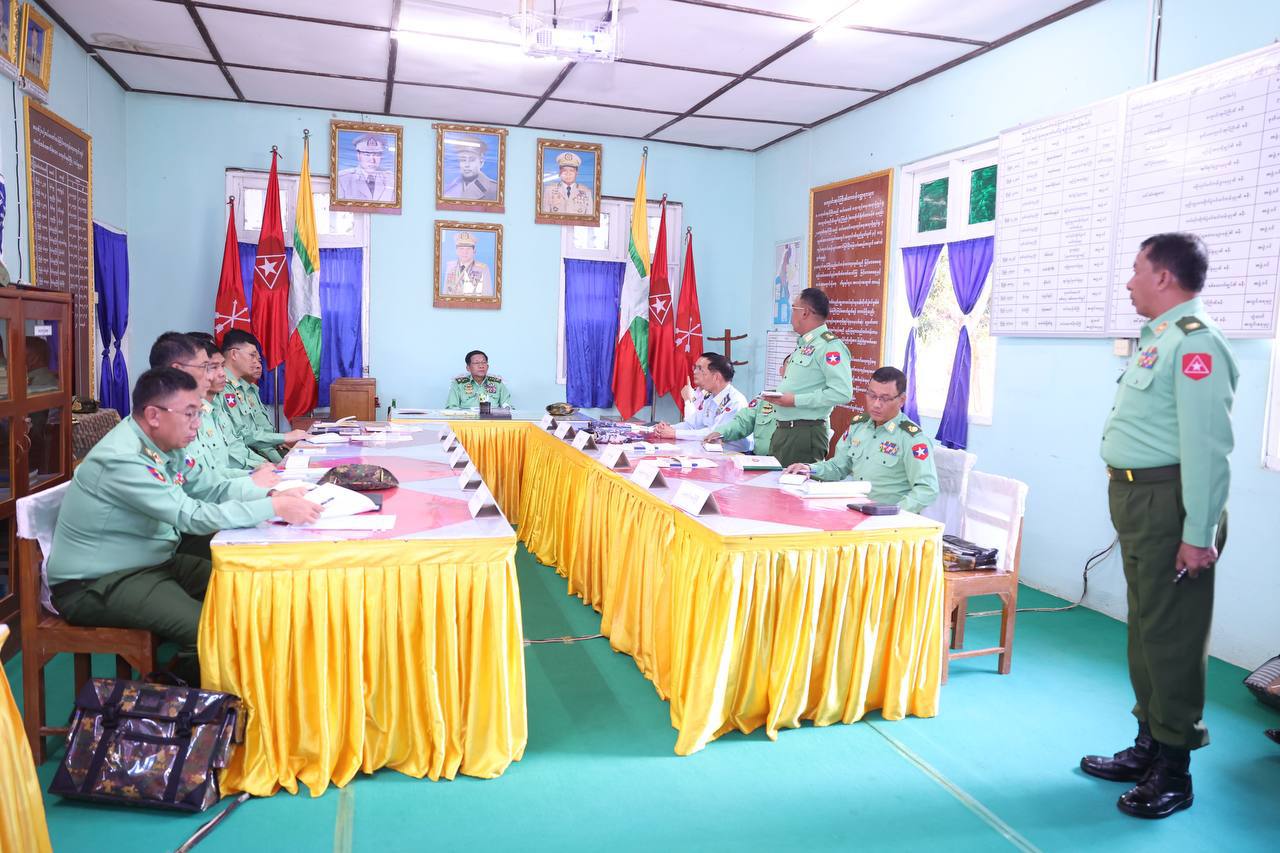
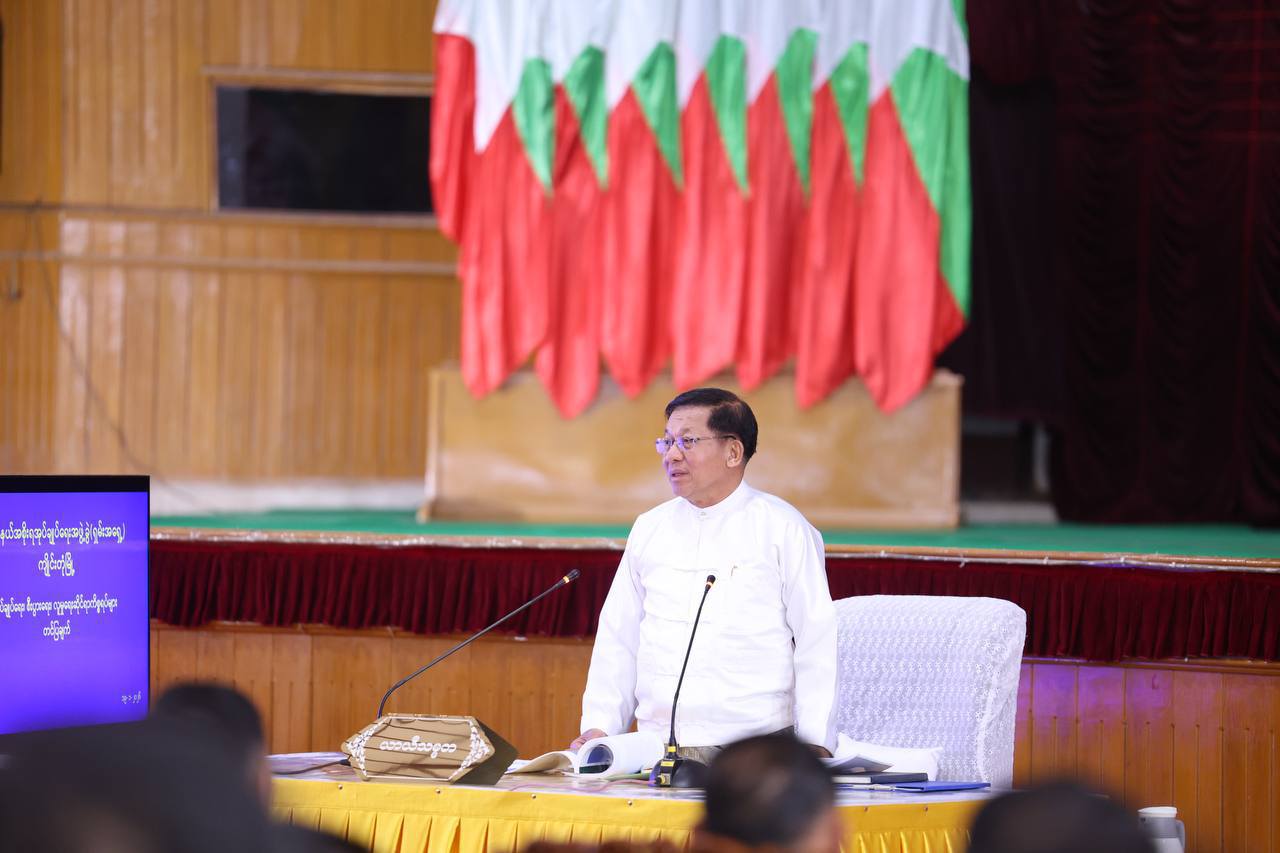
Senior General Min Aung Hlaing
Colonel Khun Okkar further suggested that a proposal to amend the Constitution regarding these matters could emerge as soon as the Parliament is formed.
"I assume that as a President officially elected and confirmed by Parliament, he would proceed decisively through official channels. However, the current 2008 Constitution contains points that could distance a President from the military. They could amend this (so the President is also the Commander-in-Chief). For example, the U.S. President is also the Commander-in-Chief. Similarly, in federal countries, the President's authority controls the military—that is the American model. If Parliament enacts such a provision first, it would become applicable. It’s hard to predict, but under the current Constitution, it is not easy to control both positions. If amended, it becomes easy. Therefore, we believe a constitutional amendment proposal could be tabled immediately after Parliament convenes," he added.
Currently, Senior General Min Aung Hlaing holds the positions of Acting President, Chairman of the State Security and Peace Commission, and Commander-in-Chief of the Defense Services. Consequently, domestic and international observers anticipate he may take the presidency following the 2025 general election.
Military and political analysts point out that if he accepts the presidency, he would technically need to retire from his current post and transfer the role of Commander-in-Chief to a trusted successor. To maintain control over the military, he might then utilize the 2008 Constitution or establish a committee/commission through the National Defence and Security Council (NDSC).
Dr. Nyo Nyo Thinn, founder of Yangon Watch, told CNI News that she does not believe Senior General Min Aung Hlaing becoming President would significantly impact the country's trajectory, noting that the Constitution is not set in stone and can be amended at any time.
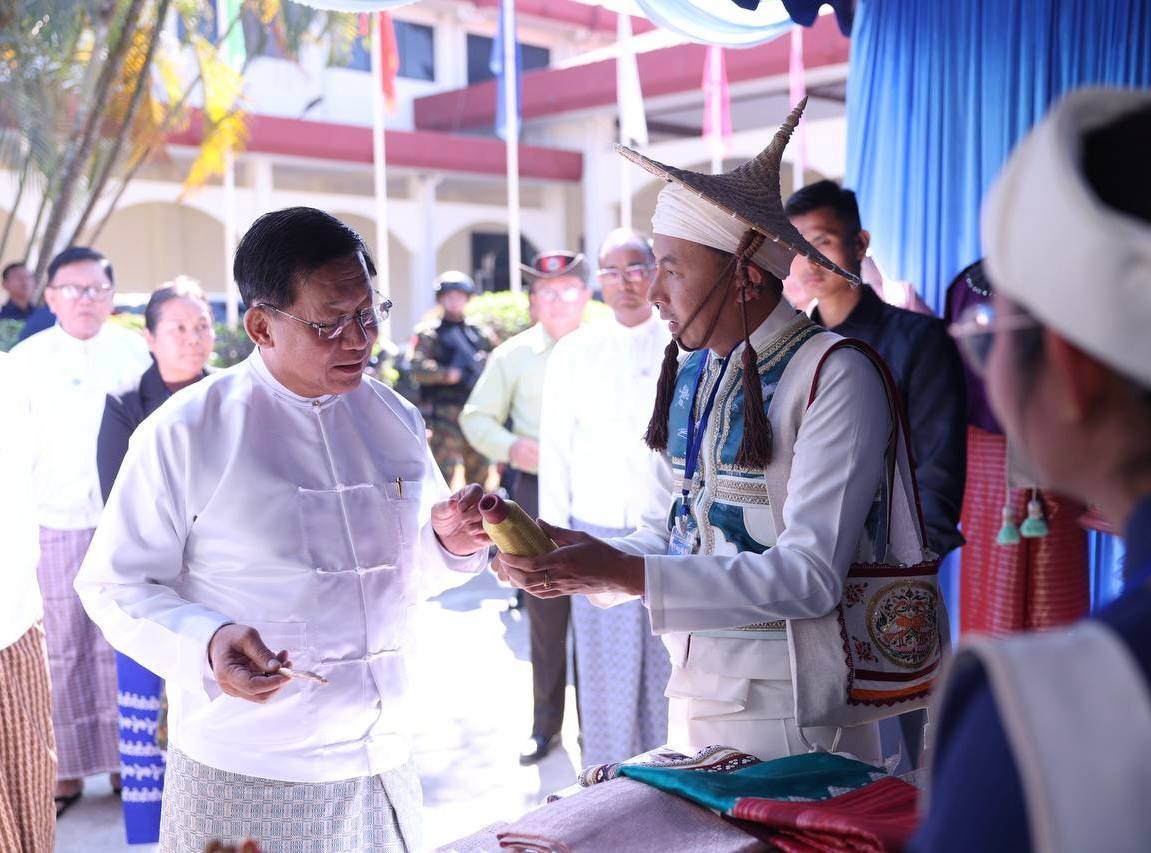
Senior General Min Aung Hlaing
"In my personal view, whether Senior General Min Aung Hlaing becomes President or not won't bring about extraordinary changes for the country. He already has the opportunity to be President if he wants to. If he chooses not to take the presidency, it would clearly indicate his confidence that he can control the incoming government nearly 100 percent anyway. Constitutional obstacles are man-made and can be easily overcome by those who created them. Since laws are written by people, people can change them at any time. Even without a full amendment, every law has a 'loophole.' He can use these exits to achieve his goals. If he wants to, he can create a situation where he controls both positions," she said.
Senior General Min Aung Hlaing has previously stated that state power will be transferred to the government that emerges after the election and that the Tatmadaw will return to its primary duty of national defense.
Therefore, military and political analysts say it remains to be seen whether the Senior General will refrain from the presidency and appoint someone else while acting as an "overseer" of the government from his military post, or if he will take the presidency himself and continue to direct the military.