
CNI News
7 January 2026
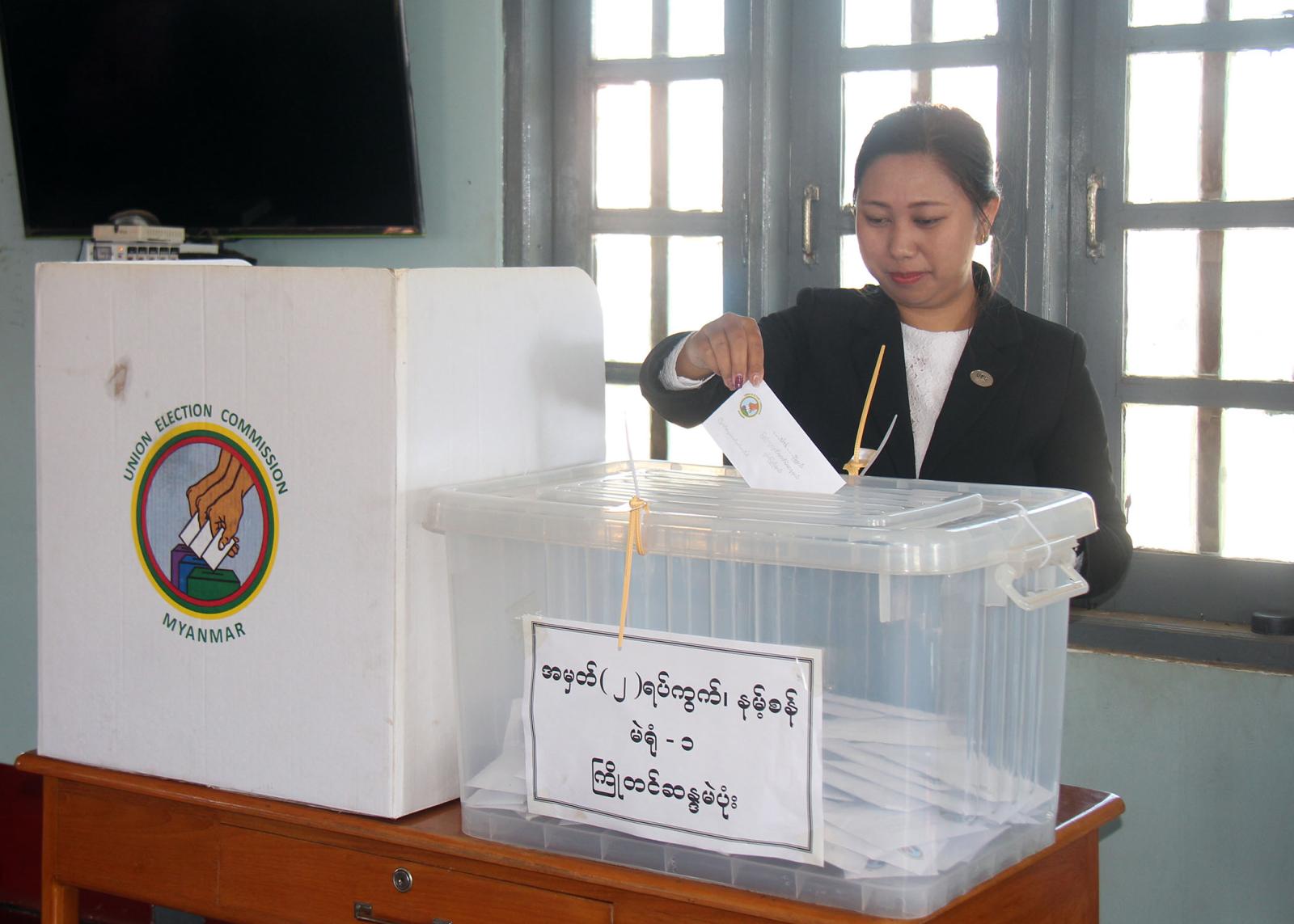
Including advance ballots that arrive later in the vote-counting process lacks honesty, said U Nai Than Shwe, spokesperson of the Mon Unity Party (MUP), in an interview with CNI News Agency.
The Election Commission, however, has announced that the compilation of voter lists for advance voting, the collection of ballots, the announcement of results, and the counting process were all carried out in accordance with parliamentary election laws and bylaws.
Regarding the collection of advance ballots, MUP spokesperson U Naing Than Shwe told CNI News that ballots are sometimes collected by political parties, and sometimes by the Election Commission together with ward and village administrations. He said that if party representatives are not allowed to accompany the process, it amounts to a lack of transparency.
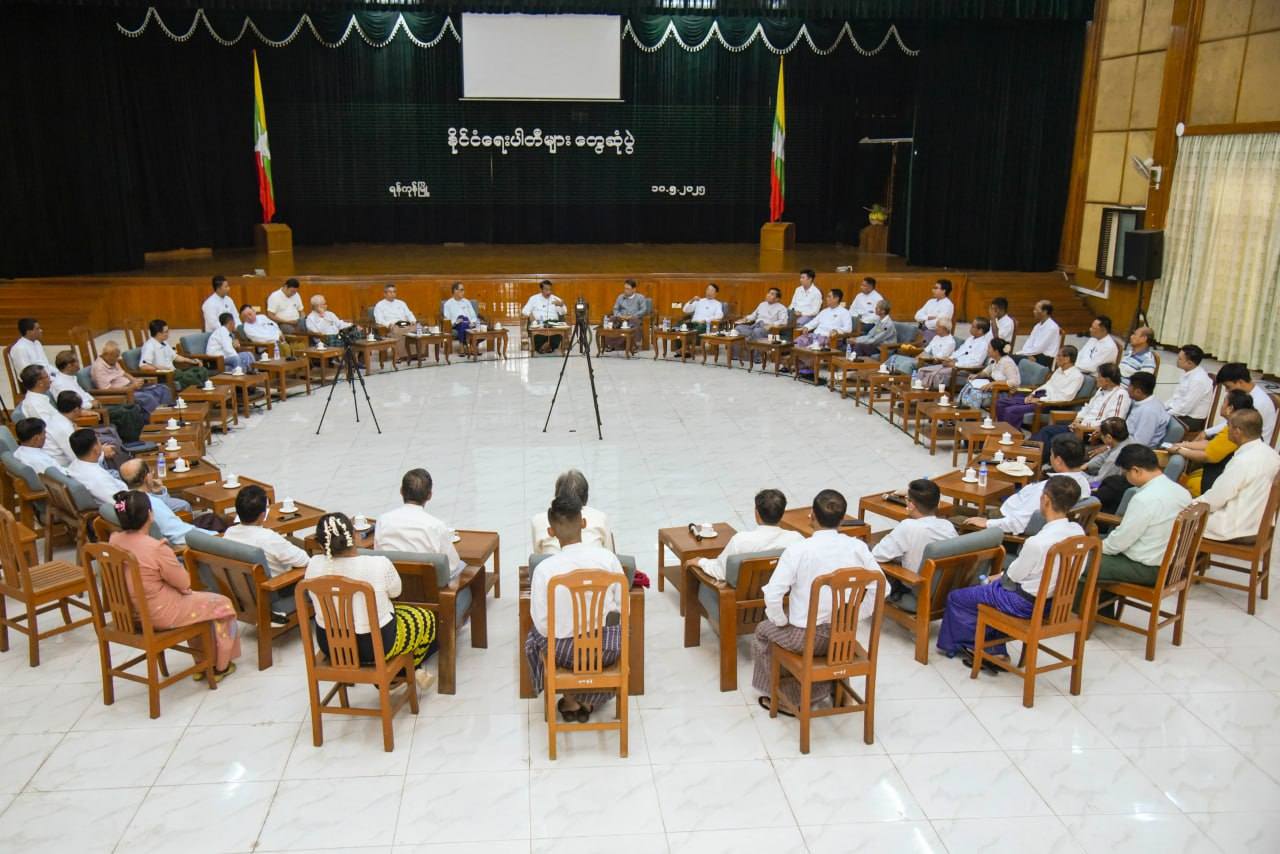
Political parties seen
He said: “Advance ballots are collected in different ways—sometimes by parties, sometimes by the commission and ward or village authorities. But when advance ballots are cast, our election agents should be allowed to accompany the process. If they are not allowed to do so, then it clearly lacks transparency. In wards and villages, sometimes the Election Commission collects advance ballots. Another important point is that when advance ballots are cast, election agents, candidates, or polling station agents appointed by candidates should be allowed to be present. Some commissions may fail to notify parties properly when they are busy, and that might happen. What I want to say is this: first, advance ballots should be counted, then the ballots placed in the ballot boxes should be counted. When these two are combined, the valid votes for us are already certain. But advance ballots that arrive later than that—those lack integrity.”
The Union Election Commission (UEC) has stated that advance voting procedures were carried out transparently by inviting political parties, parliamentary candidates, election agents, witnesses, and the public, and that the lists of votes obtained were announced at the relevant sub-commission offices.
Meanwhile, U Saw Han Aye, Vice Chairman of the People’s Pioneer Party (PPP), told CNI News that there are indeed many unclear aspects regarding advance ballots and that there are many places where no information was provided.
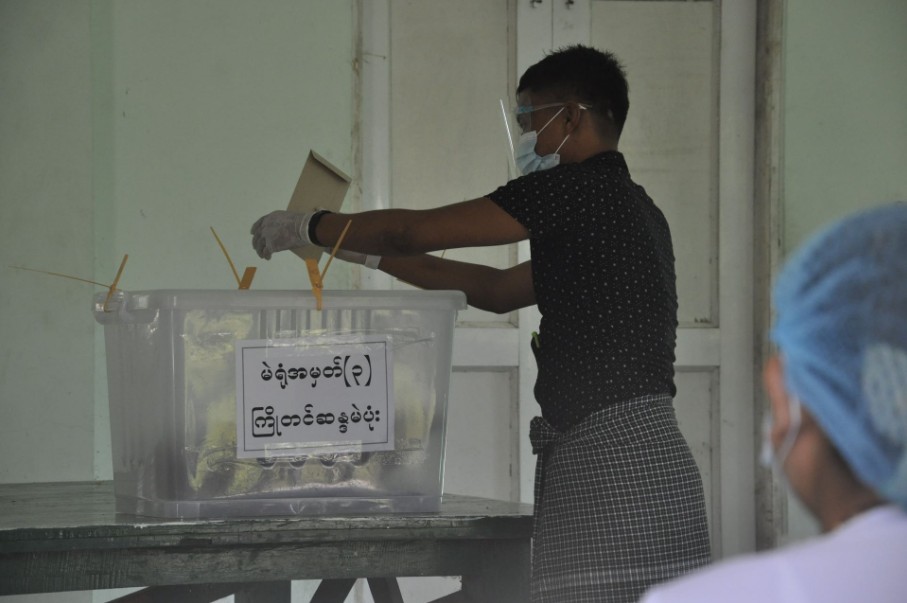
Casting advance votes
He said: “In the previous election Phase (1), there were real weaknesses. To prevent these issues from happening again in Phase (2), we have already sent recommendations to the UEC. Today as well, we are planning to hold a meeting with the UEC and political parties in Nay Pyi Taw, although I cannot say for certain yet. What is clear is that there are many cases where we were not informed. We do not know, with proper lists, how many people cast advance votes and for whom, or how many people in each ward cast advance votes. There are many places where we do not know, and many places where no notification was given—this is absolutely true. In some wards, notifications were given, but they were very few. What we are talking about now mainly concerns advance voting within wards. As far as we know, advance voting in wards should only be for people with disabilities, the elderly who are not physically able, those who genuinely have to travel, students going to school or university. Everyone else should vote on election day. But instead, in many places, a large number of advance ballots were taken, which has created problems.”
U Kyaw Swar Soe, Chairman of the Myanmar Farmers Development Party, also pointed out that not knowing the number of advance voters, and allowing only the Union Solidarity and Development Party (USDP) to accompany the advance vote collection process without informing other party representatives, does not meet the standards of a free and fair election.