
CNI News
6 January 2026
Following the conclusion of Phase 1 of the multi-party democratic general election on December 28, 2025, the majority of political parties lost to the Union Solidarity and Development Party (USDP) due to advance votes.
Citing a lack of transparency regarding advance voting, the Shan and Nationalities Democratic Party (SNDP/White Tiger Party), the People’s Party (PP), and the Myanmar Farmers' Development Party have sent formal letters of concern to Senior General Min Aung Hlaing.
Sai Aik Pao, Chairman of the Shan and Nationalities Democratic Party (SNDP), told CNI News that while the law requires a list of advance voters to be posted at polling stations on election day, most stations failed to do so. As a result, parties remain in the dark about who actually cast these votes.
"We don’t know who gave those advance votes," he said. "We weren't informed of the data when the votes were cast. Legally, the list of advance voters must be posted, but it wasn't. Furthermore, representatives or parties should be invited when advance votes are collected. I believe our letter will be effective; we are also speaking out in the media."
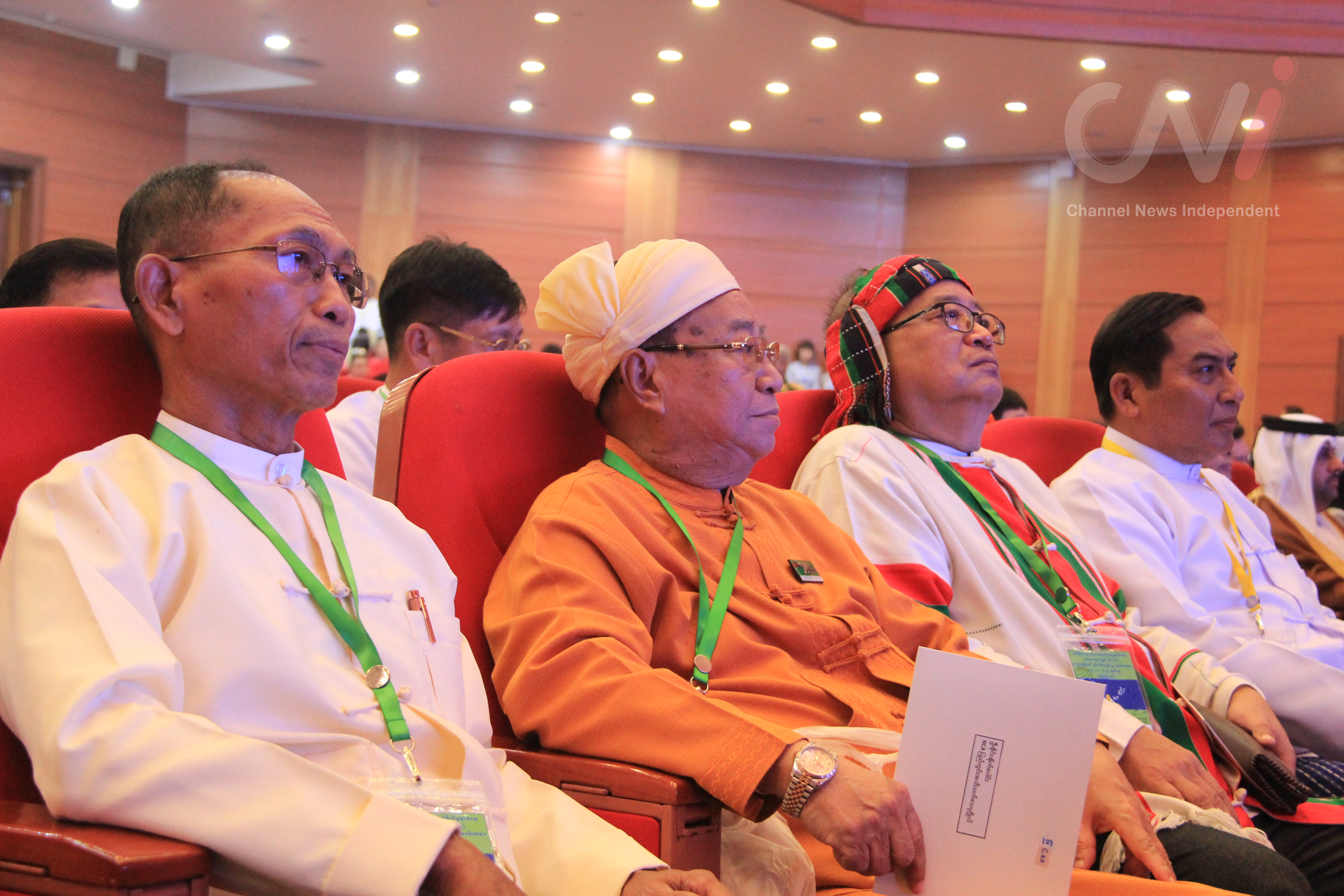
Sai Aik Pao and U Ko Ko Gyi
Lack of Notification and Participation Parties reported that they were not notified during the actual collection of advance votes and were only invited during the counting process.
U Mann Aung Pyi Soe, Chairman of the Karen National Democratic Party (KNDP), told CNI:
"Parties should be widely informed about the advance voting process. They do call us to come and observe the counting, but there are many times we cannot attend because we have to prioritize campaign activities. That is a point I want to emphasize."
Dr. Nyo Nyo Thin, founder of Yangon Watch, told CNI that such representations by political parties are positive as they play a vital role in ensuring fair and free elections. She expressed hope that the Election Commission (UEC) would handle instances of malpractice according to the law.
"The parties' submissions will help future elections. I believe the Election Commission can better supervise weaknesses at the grassroots level based on these reports. If they don’t speak up, neither the UEC nor the Senior General will know what is happening on the ground. While I welcome this feedback, ultimately, everyone must generally recognize the election results," she added.
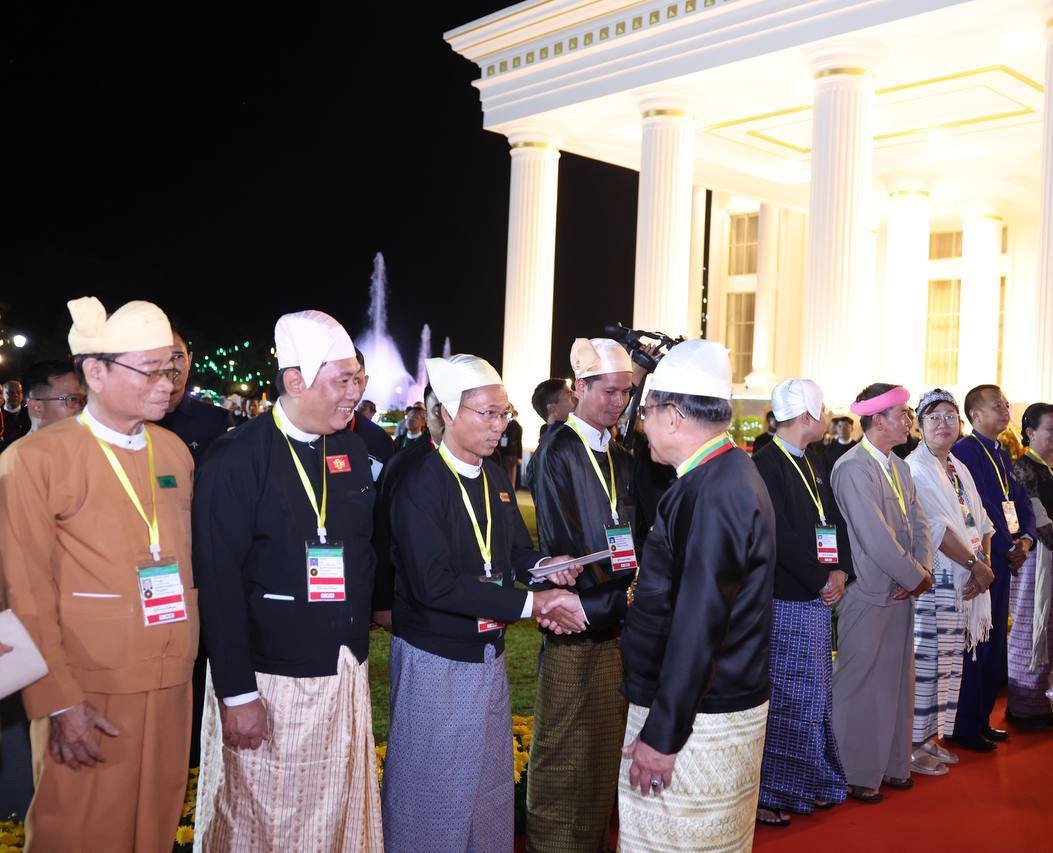
Senior General Min Aung Hlaing and political parties
The Union Election Commission (UEC) issued a statement explaining that: Overseas Advance Votes: Handled by embassies and consulates within the designated period in accordance with Section 47 of the relevant Election Law. These were counted transparently in front of party representatives on December 25, 2025.
Out-of-Constituency Advance Votes: Counted by 4:00 PM on December 26, 2025, with parties invited to observe.
In-Constituency Advance Votes: Collected between December 18 and 27 for those unable to visit polling stations. These were handed over to polling station officers before 6:00 AM on election day (December 28).
The UEC maintained that results of these advance votes have already been posted at relevant sub-commission offices for public viewing.
Impact on Phase 2, Following the controversies in Phase 1, reports indicate that for Election Phase 2, candidates and political parties are being more actively invited to observe the advance voting process. Consequently, candidates competing in Phase 2 are now closely monitoring the collection and handling of these votes to avoid a repeat of the previous issues.