
CNI News
3 January 2026
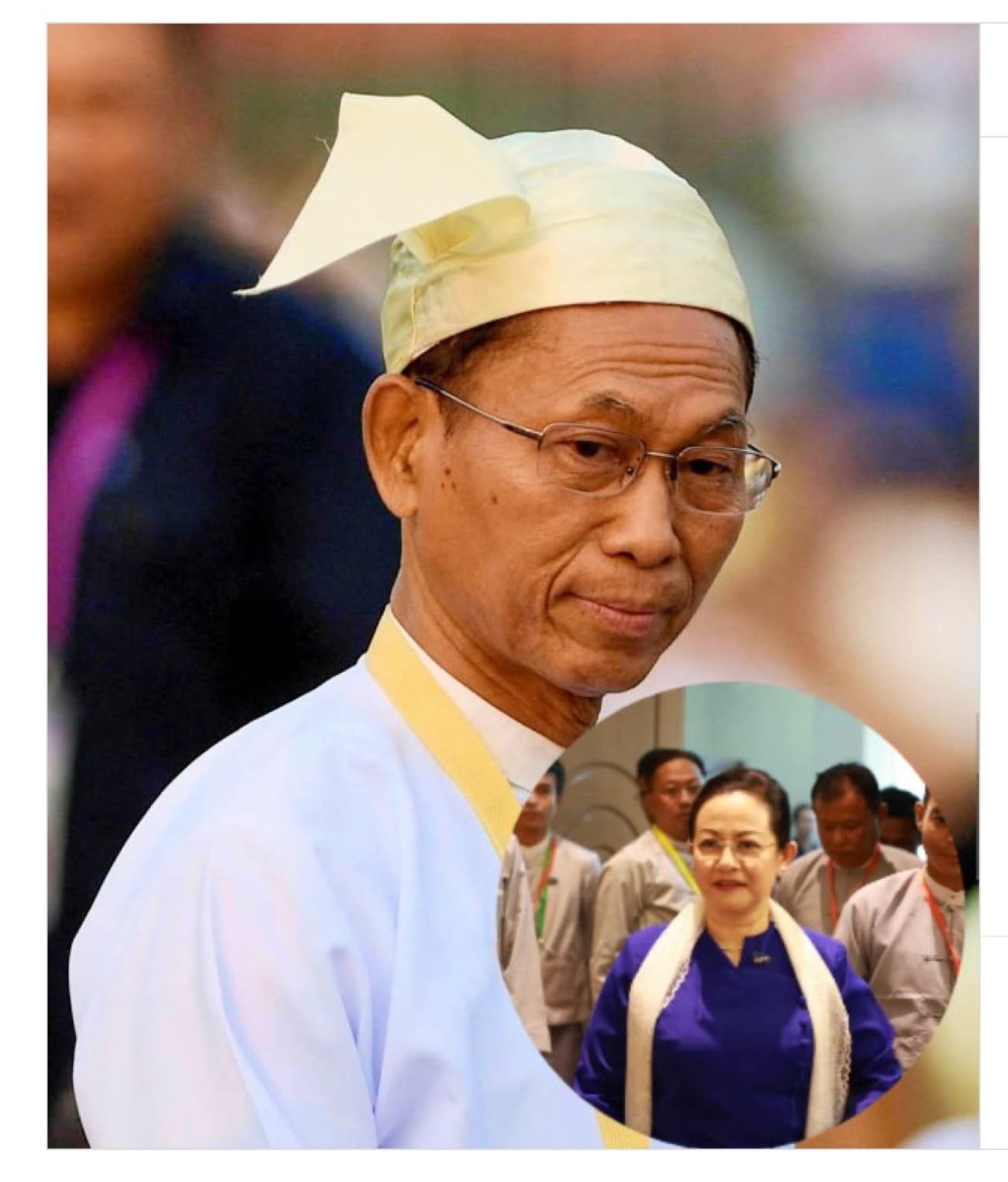
Following Phase (1) of Myanmar’s election held on December 28, 2025, the public has been closely watching to see whether the People’s Party (PP) and the People’s Pioneer Party (PPP) won any seats.
Phase (1) of the election was held on December 28 across 102 townships nationwide. Contrary to what many people are saying—that they did not win anywhere—U Saw Han Aye, Vice Chair of the People’s Pioneer Party (PPP), told CNI News that this was not entirely true.
He said: “Under the FPTP system, PPP did not win any seats in the constituencies we contested. However, we have heard that some ethnic representatives won about two seats. But the vote counting is not yet complete. Votes have not been fully counted across entire states and regions, so we cannot say for certain about those ethnic representatives. As for FPTP, no one has won. Under the FPTP system, we did not win seats in either the Pyithu Hluttaw or the regional/state hluttaws. We still need to wait for the Amyotha Hluttaw results. To be frank, we did not expect to lose this badly. The main problem is that, honestly, we do not know how many advance votes there were or how many we received. However, votes cast in person by the public appear to have been for various parties and independent candidates. The rest likely came from the core supporters of the larger party. Voter turnout was low in some areas, while in others it exceeded 50 percent. This means we need to encourage more people to come out and vote in Phase (2) and Phase (3).”
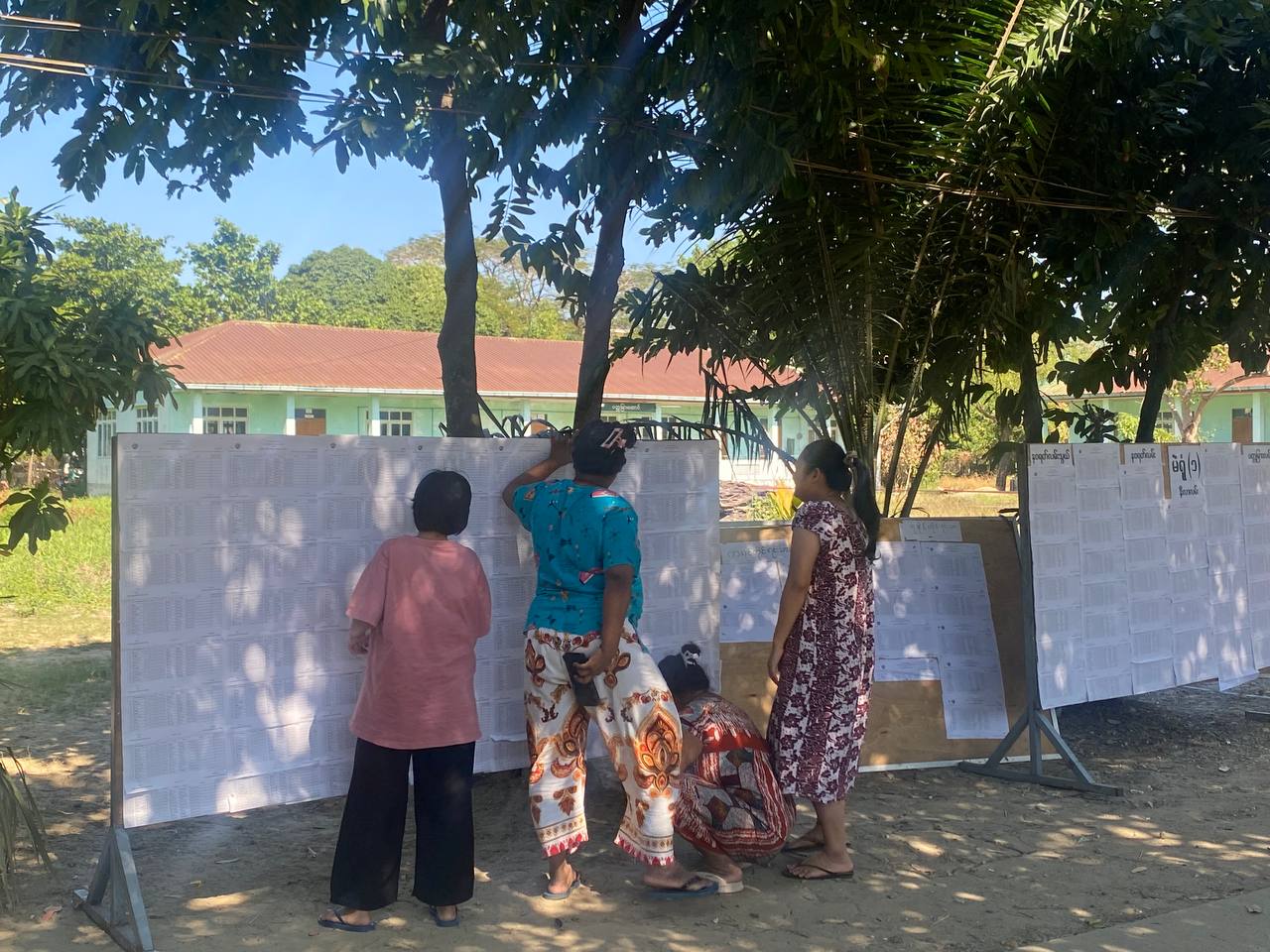
People checking voter lists
In Myanmar’s election, six parties are competing nationwide. These are the People’s Party (PP), the People’s Pioneer Party (PPP), the Union Solidarity and Development Party (USDP), the Shan and Nationalities Democratic Party (SNDP), the Farmers Development Party, and the National Unity Party (Ta Sa Nya).
Among these, PP and PPP were expected to receive strong public support, but due to very low voter turnout, they achieved limited victories. The USDP reportedly won about 80 percent nationwide; however, critics point out that USDP’s victories were influenced by advance votes and complicated voter lists.
The People’s Party (PP) won one regional Hluttaw seat in the Myeik constituency of Tanintharyi Region, but this result is currently under dispute due to an objection filed by the USDP.
Regarding Phase (1), PP Chair U Ko Ko Gyi told CNI News that after the USDP and the National Unity Party, the People’s Party ranked second.
He said: “According to our preliminary vote lists, we won all three seats in Myeik—the Pyithu Hluttaw, the regional Hluttaw, and the Amyotha Hluttaw. In the final confirmed results, we clearly won one seat in the regional Hluttaw. The remaining vote lists have still not been released. In other areas such as Yamethin and elsewhere, our vote results are also quite strong.
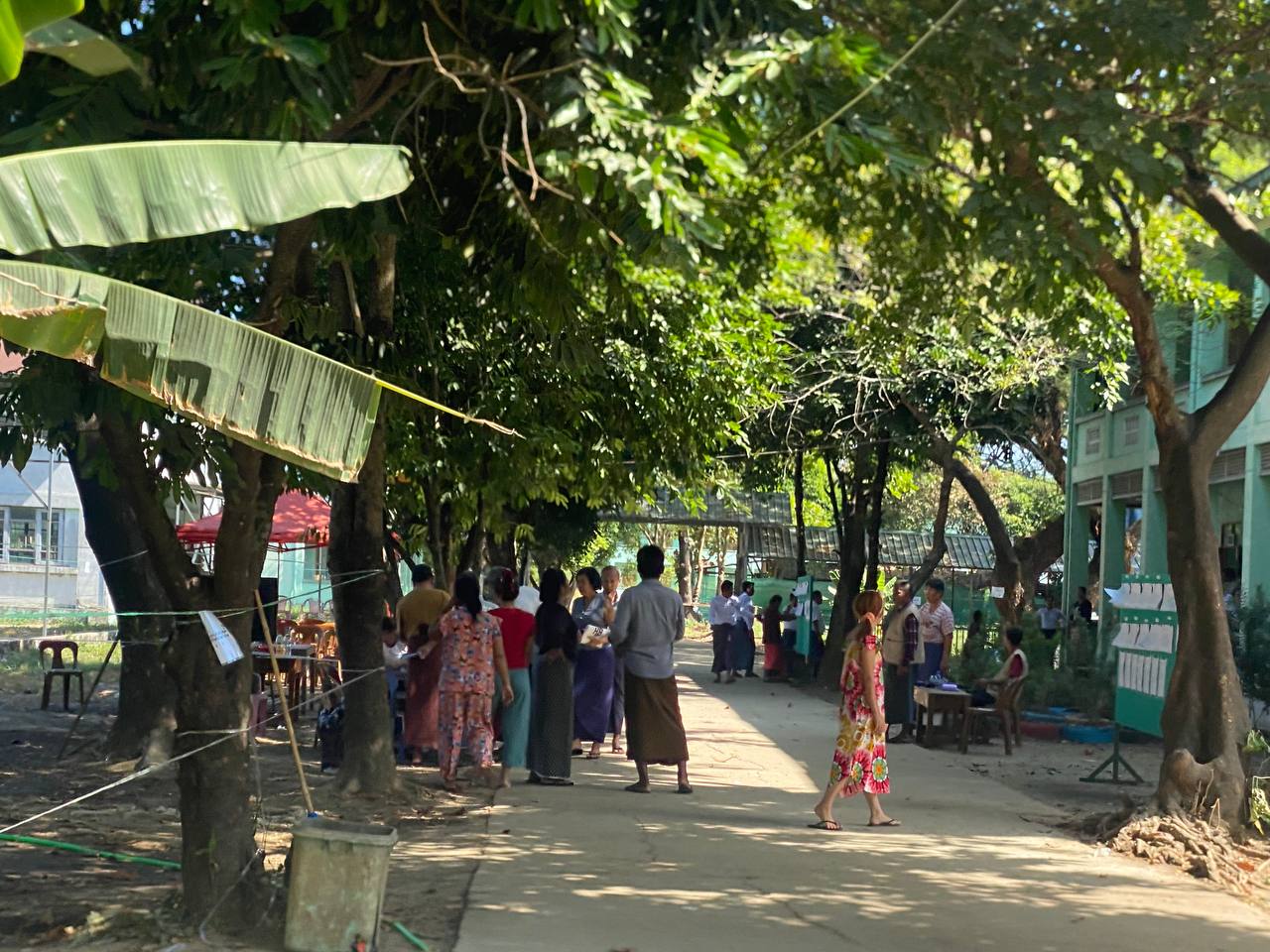
Voters casting ballots
Overall, after the USDP and the National Unity Party, our party stands second in some areas and third in others in terms of total votes received. We believed—and hoped—that the upcoming parliament would be truly diverse in composition. In the past, everyone has experienced parliaments dominated by a single party. Therefore, we wanted this parliament to be appropriately diverse. However, judging from the Phase (1) results, it appears to be moving back toward a single-party-dominated structure.”
In Phase (1) of the election held on December 28, most candidates from the People’s Pioneer Party (PPP) led by Daw Thet Thet Khaing, the Arakan Front Party (AFP) led by Dr. Aye Maung, and the People’s Party (PP) led by U Ko Ko Gyi were defeated, with only a small number winning seats.
Phase (1) of Myanmar’s election has now concluded. Phase (2) will be held on January 11, 2026, in 100 townships, and Phase (3) will be held on January 25 in 63 townships.
Overall, the election involves 6 union-level parties, 51 regional or state-level parties, totaling 57 political parties, along with 4,863 independent candidates.