
CNI News
3 January 2026
The intensifying battles in Bhamo Township, Kachin State, are a result of the Kachin Independence Army (KIA) seeking leverage in negotiations with China, according to Colonel Khun Okkar, Chairman of the Pa-O National Liberation Organization (PNLO-NCA/S), a signatory of the Nationwide Ceasefire Agreement (NCA).
Fighting resumed in Bhamo on December 25, 2025, and has currently escalated to include almost the entire town.
Meanwhile, on December 25, the Naypyidaw authorities announced that the third phase of the 2026 General Election, scheduled for January 25, would include Bhamo, Mansi, Momauk, Hpakant, and Shwegu townships in Kachin State.
Colonel Khun Okkar told CNI News that the current battle for Bhamo is not intended for long-term occupation but is being fought as a strategic move for bargaining.
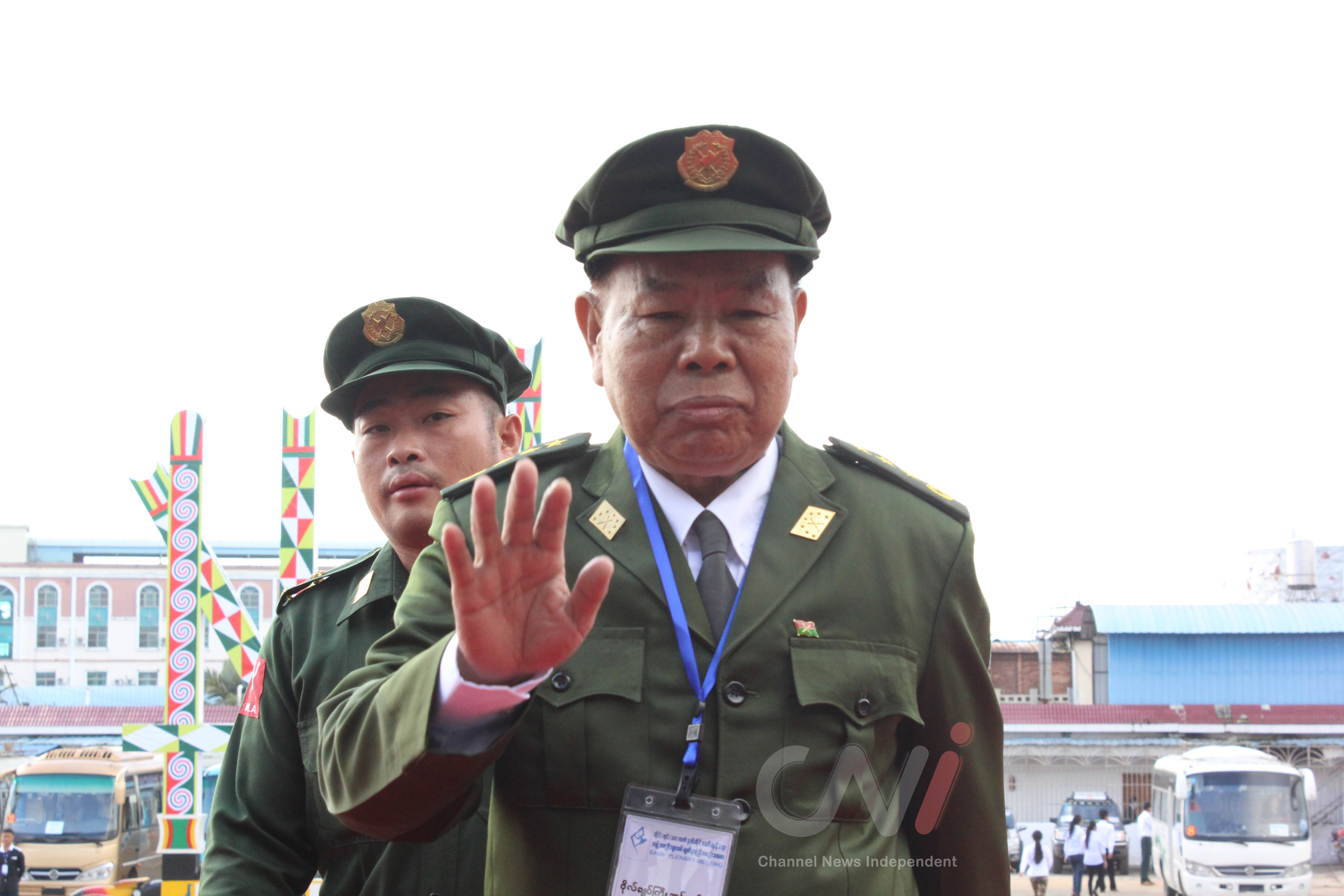
KIA leader General N'Ban La
"The battles in Bhamo and similar areas are 'face-saving' battles. Both sides know these fights will eventually stall because China itself is involved. At some point, China might tell the KIA to stop the Bhamo offensive. The KIA is likely waiting for that moment. When told to stop, the KIA can then negotiate: 'If we stop, which border gates will you reopen? What rights will you restore?' They want bargaining power. They are fighting to gain that leverage for an exchange. It’s not about holding Bhamo permanently; it’s about territory control to secure bargaining power when a deal arises. We saw this with Lashio, Hsipaw, and Kyaukme. Once deals were struck, those towns returned to the control of the Tatmadaw. Everything is part of the bargaining process. So, whether they can fully capture Bhamo or not, the act of fighting is for the sake of the deal. If they give and take without fighting, what will they get in return? That is the key," he said.
While fighting is currently intense in Bhamo, the KIA has already captured and occupied the towns of Mansi and Momauk since 2024.
However, according to a statement released on the night of December 27, 2025, elections will not be held in 1,002 village tracts and 62 wards in Kachin, Chin, Shan, Rakhine, Karen States,Sagaing, Tanintharyi, Bago, Mandalay and Ayeyarwady Regions, including 43 village tracts in Bhamo, 43 in Mansi, 65 in Momauk, 39 in Shwegu, and 8 in Hpakant.
Dr. Hla Kyaw Zaw, an observer of China-Myanmar affairs, told CNI News that both the KIA and China hold their own "cards," and it remains to be seen how they will trade them.
"The KIA has cards, and China has cards. China can close or open economic trade routes. On the other hand, the KIA controls rare earth minerals. They could choose not to sell to China or divert them elsewhere. I can't say exactly how they will negotiate. China’s primary goal is peace and stability along its border with Myanmar. How the KIA utilizes that, I am not sure," she said.
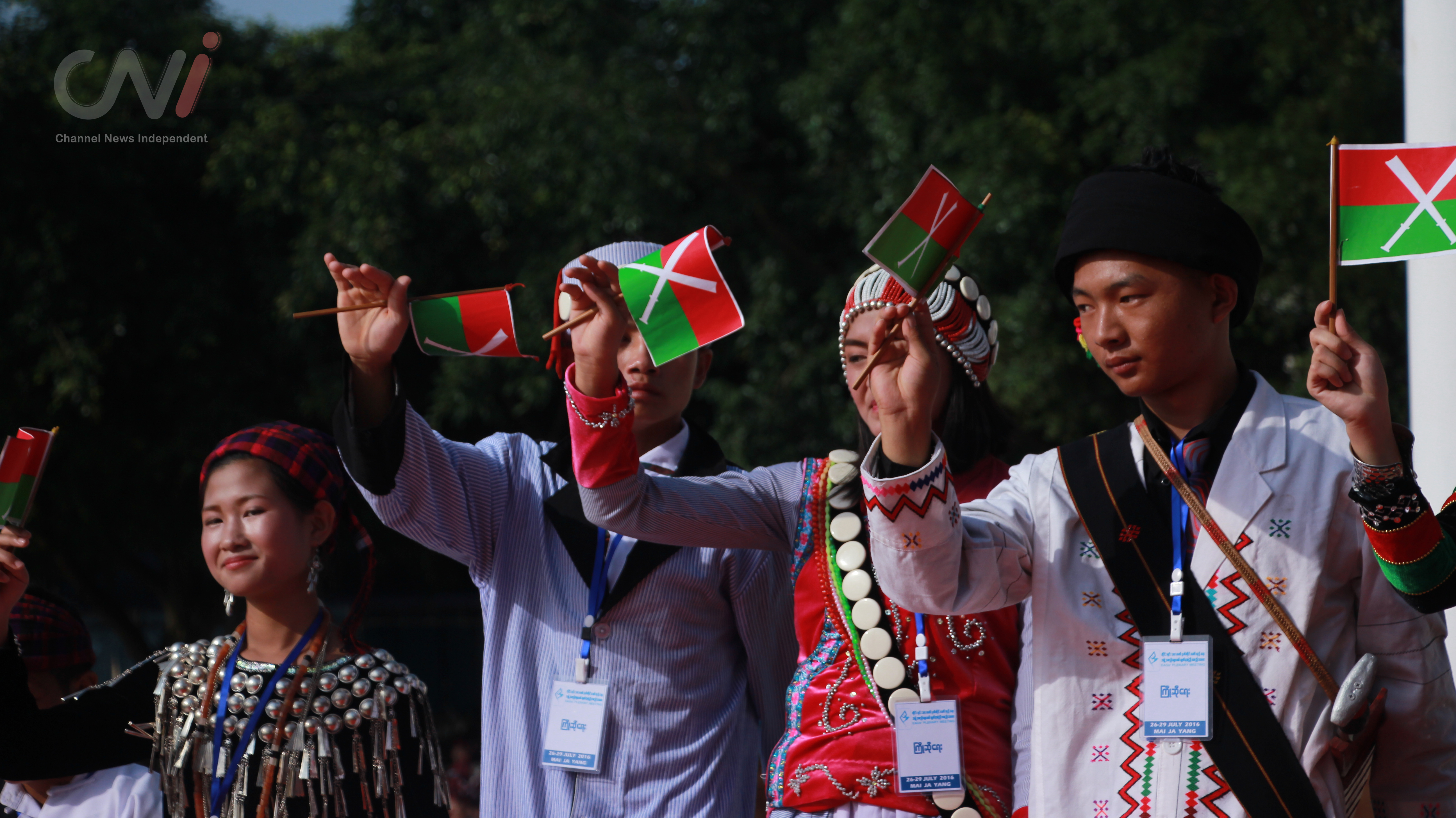
Kachin ethnic people
Additionally, a report by the US-based Silicon Valley Times claimed that a secret agreement was signed between the KIA and India in December 2025, uncovered through special intelligence investigations.
The Silicon Valley Times reported that based on satellite imagery and cross-border intelligence, India is constructing a 365-kilometer road from Vijaynagar in Arunachal Pradesh to rare earth mines in Chipwi, Kachin State.
This road, allegedly built without the permission of the Myanmar military or government, would allow India access to Myanmar’s rare earth resources. In exchange, India would provide the KIA with weapons, medicine, and other logistics. The partnership also reportedly includes a secret plan for a second strategic road connecting the KIA headquarters in Laiza through Sagaing Region to Rihkhawdar in Chin State.