
CNI News
26 December 2025
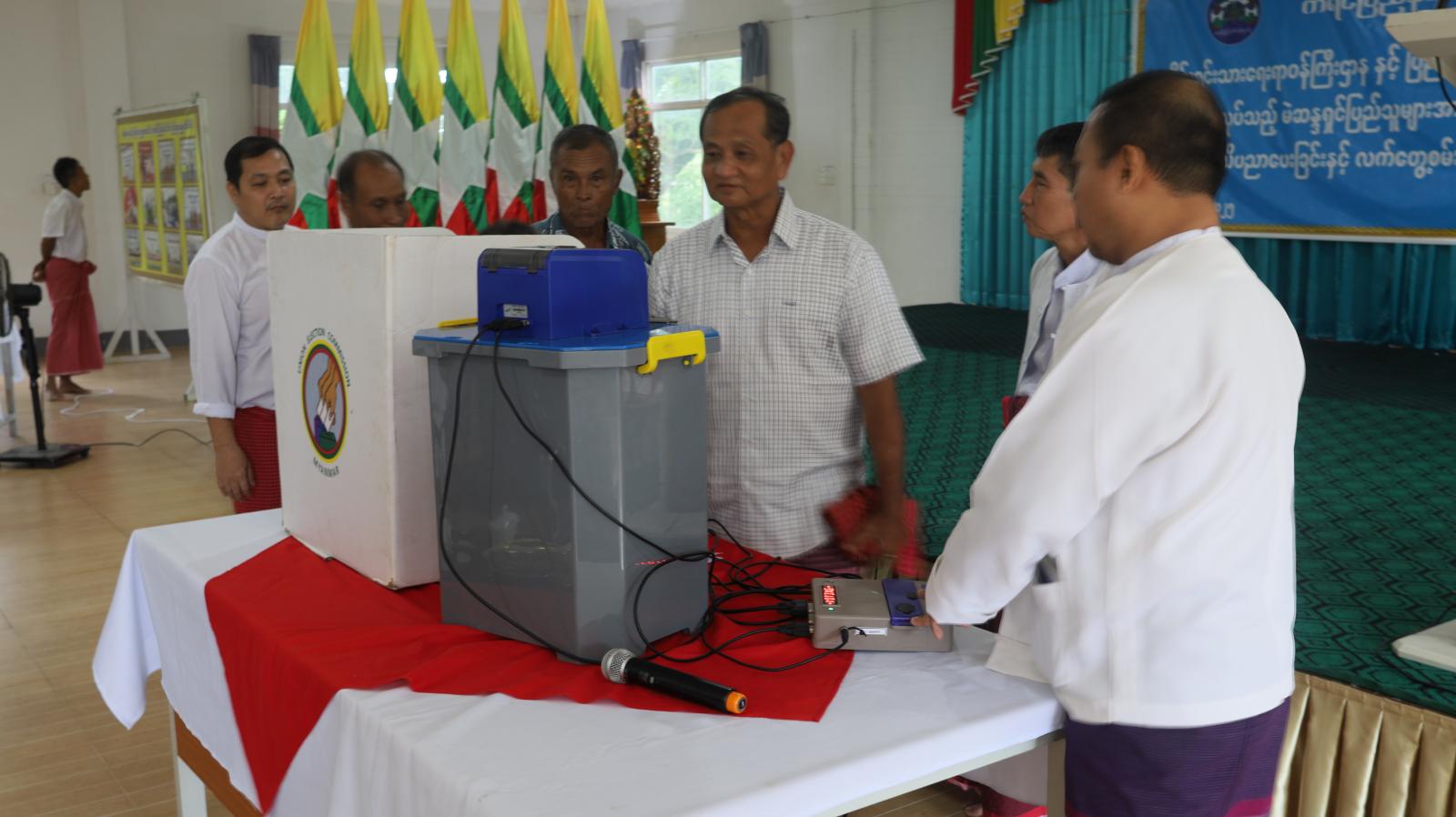
Political parties and observers are analyzing whether Myanmar’s national situation can truly change as expected if public turnout for the upcoming elections remains low.
The elections are scheduled in three phases: Part (1) on December 28, 2025; Part (2) on January 11, 2026; and Part (3) in the last week of January 2026.
A Vision for a National Unity Government Dr. Aye Maung, Chairman of the Arakan Front Party (AFP), told CNI News that the election results could move the country in a positive direction, suggesting that political parties are more likely to become partners rather than rivals in the post-election landscape.
"Ultimately, even if the USDP (Union Solidarity and Development Party) wins more seats and the military representatives are included, and other parties have fewer seats than them—we believe the next five years will be the initial steps to break the cycle of civil war that has lasted from the early days of independence until now," Dr. Aye Maung said.
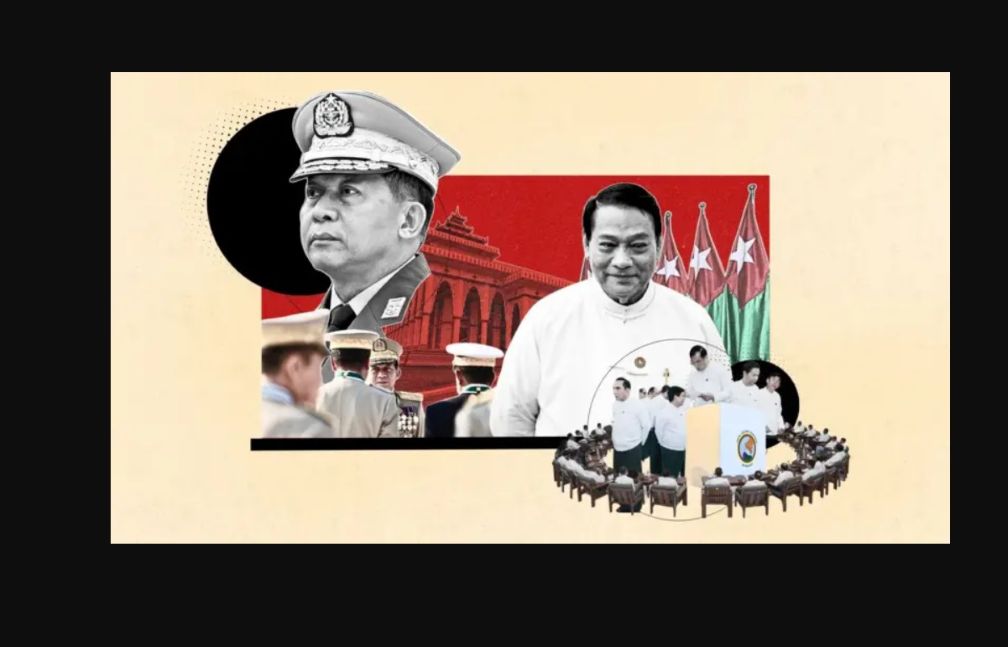
USDP Chairman U Khin Yi, and the State Security and Peace Commission Chairman Senior General Min Aung Hlaing
He expressed belief in a "National Unity Government" (NUG) that includes all stakeholders. "There is political momentum for a government that cannot be formed by a single party or by the military alone. We must form a government representing all sides and ethnic groups to achieve national reconciliation within these five years. I view this as a period of political responsibility assigned to us."
He added that if the public believes this "all-inclusive" political outcome is possible, voter turnout may increase. "Even if the USDP wins the majority of votes, I believe they will move the country forward by forming a collective, unified new government."
Opposing Views on Public Participation Independent candidate Daw Sandar Min argued that the public is no longer as hesitant about voting as they once were.
"Many people abroad don't know the reality on the ground, or they pretend not to. They think what they say from abroad is a big deal and tell people not to vote," she told CNI News. "But the success of this election doesn't depend on them. There isn't just a small number of voters in the country; there are already people ready to vote."
She noted that in her constituency of Latha Township, confusion among voters has diminished as the election date nears. "I don't think voter turnout will be low."
However, legal analysts point out that the 2008 Constitution does not specify a minimum voter turnout for an election to be valid; technically, even a single vote would make the result official.
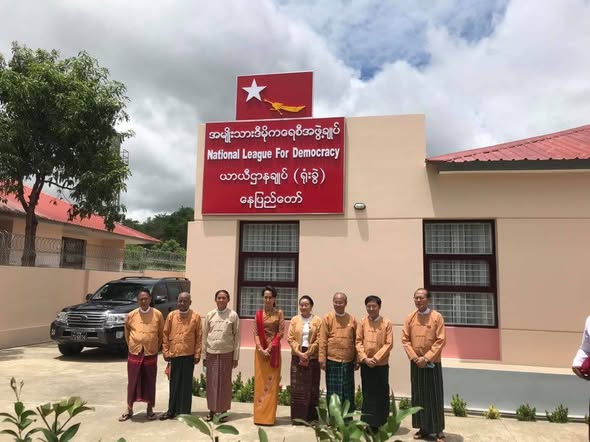
Leaders of the NLD party.
Concerns Over Security and Fairness On the other hand, several Ethnic Armed Organizations (EAOs), the NUG (National Unity Government), and PDF (People's Defense Forces) have issued warnings that they will disrupt the election and take action against those who participate.
Political observers note that while the public understands the importance of the election in changing the current political deadlock, many remain undecided due to:
Safety Concerns: Fear of attacks or repercussions for voting.
Lack of Fairness: Doubts about whether the election will be free and fair.
Absence of Major Parties: The exclusion of popular parties like the National League for Democracy (NLD), the Shan Nationalities League for Democracy (SNLD), and the original Arakan National Party (ANP) has led to perceptions that the USDP is headed for a one-sided victory, dampening public interest.
Observers warn that if voter turnout is low, moderate political parties will struggle to win seats. This could result in a lopsided parliament dominated by the USDP and the military, creating a political landscape without an effective opposition. In such a scenario, they argue, the genuine political change hoped for by the public remains unlikely.