
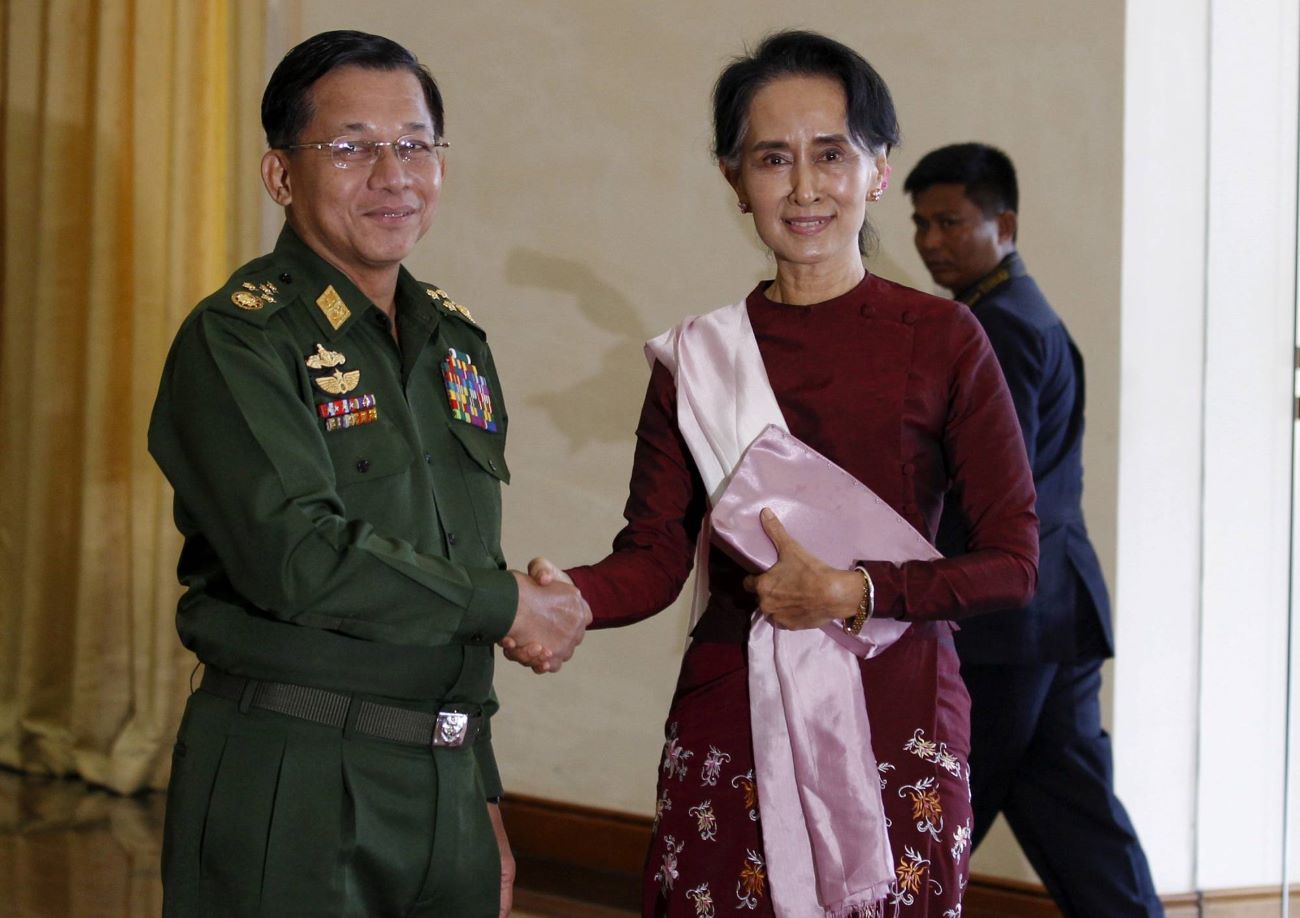
CNI News
19 December 2025
As Myanmar prepares for an upcoming election, there are growing discussions among military and political analysts about whether the National League for Democracy (NLD) could return to the political arena within the framework of the 2008 Constitution once a new government emerges after the vote.
A political analyst told CNI News that if genuine political progress is to occur after the election, it would be necessary to bring the NLD back into the political process under the 2008 Constitution. However, the analyst emphasized that under the current political circumstances, such a scenario would be extremely difficult to realize this time.
He said:“Political change isn’t all that complicated. Economic improvement or other factors are not the most critical issues. What really matters is creating conditions that allow the NLD to re-enter the political process within the framework of the 2008 Constitution and to participate again in elections. If the NLD were allowed back in and fresh elections were held, the NLD would certainly win again. When that happens, public trust in the government would increase, governance would become easier, and even if the ongoing armed conflicts do not end immediately, they could gradually begin to ease.”
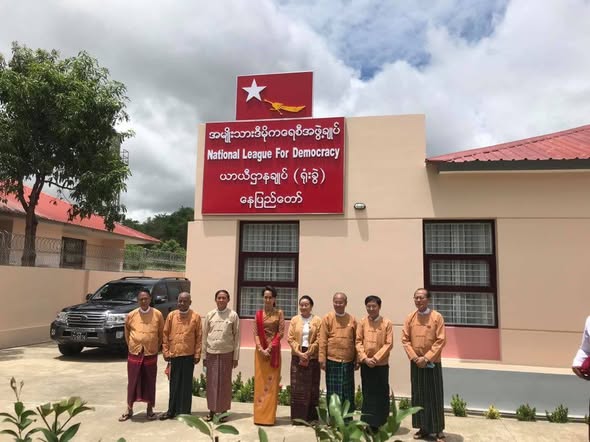
NLD party leaders
During the administration of former President U Thein Sein, legal obstacles that prevented Daw Aung San Suu Kyi and the NLD from participating in elections were removed.
However, given the current political environment, the analyst questioned whether the NLD would even accept such concessions if a future government were to offer them again.
Military and political observers also point out that because the NLD will not participate in the upcoming multi-party democratic general election, there is unlikely to be any meaningful change in the ongoing armed conflicts.
In the past, under the rule of retired Senior General Than Shwe, elections were held and state power was transferred to a government led by U Thein Sein. At that time, Daw Aung San Suu Kyi was released from detention, and significant political changes followed.
Additionally, the government was able to sign the Nationwide Ceasefire Agreement (NCA) with some ethnic armed organizations.
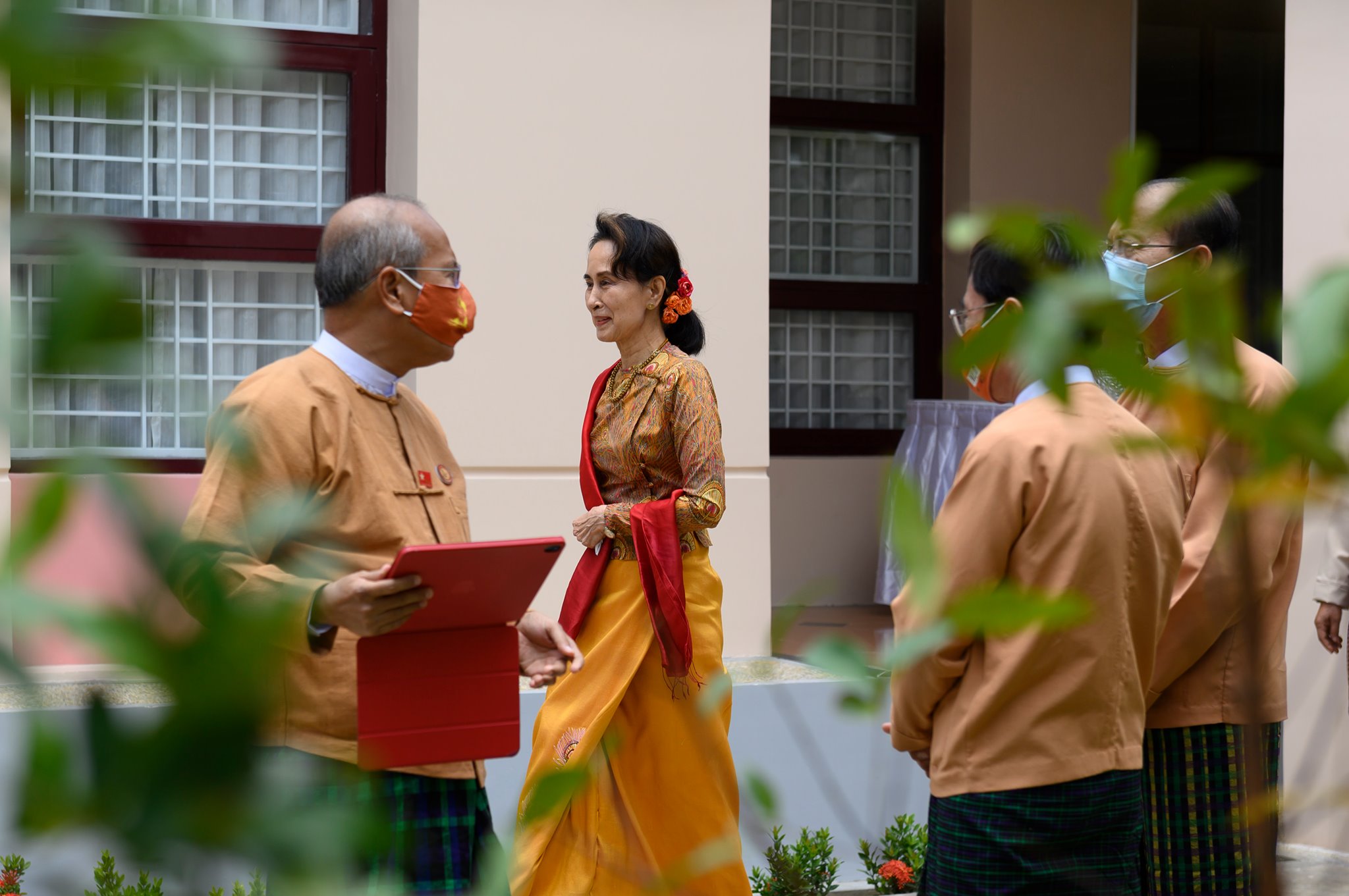
Daw Aung San Suu Kyi
However, Sai Htay Aung, Chairman of the Tai-Leng (Shanni) Nationalities Development Party (TNDP), told CNI News that the government that comes to power after the election is likely to take lessons from the experiences of the SLORC, SPDC, and U Thein Sein administrations.
He said:“I don’t really want to criticize Daw Suu’s role. During U Thein Sein’s time, she cooperated with the government. Daw Aung San Suu Kyi’s political influence is not small at all. Much will depend on the new government that assumes power after authority is transferred. If she is released and allowed to re-enter politics, she will be able to mobilize and speak to the entire country. Her political influence is very strong. As I said, this largely depends on the incoming government. I believe that the government will take lessons from the problems during the SLORC and SPDC eras as well as from the U Thein Sein period.”
On February 1, 2021, the Myanmar military (Tatmadaw) ousted the NLD government led by Daw Aung San Suu Kyi, citing unresolved disputes over voter lists from the 2020 general election and accusing the government of attempting to form an administration regardless.
Daw Aung San Suu Kyi and President U Win Myint were subsequently detained.
Although amnesties have been granted by the state since then, Daw Aung San Suu Kyi has not been included to date. As a result, analysts believe that she could either be released only after the election or possibly remain detained even afterward.