

CNI News
16 December 2025
Military and political analysts have pointed out that in Myanmar’s ongoing peace process, it is necessary to reassemble individuals who have experience from previous peace negotiations, including those who have retired from active roles.
Ethnic armed organizations responded positively to the peace talks invitation extended by the Union Government led by President U Thein Sein. Subsequently, repeated negotiations were held with 15 ethnic armed organizations, resulting in the step-by-step signing of 39 agreements.
Beginning on November 18, 2013, the Union Peace-making Working Committee—comprising representatives from the government, parliament, and the Tatmadaw—and the Nationwide Ceasefire Coordination Team (NCCT) of ethnic armed organizations started discussions aimed at achieving a Nationwide Ceasefire Agreement (NCA) acceptable to both sides.
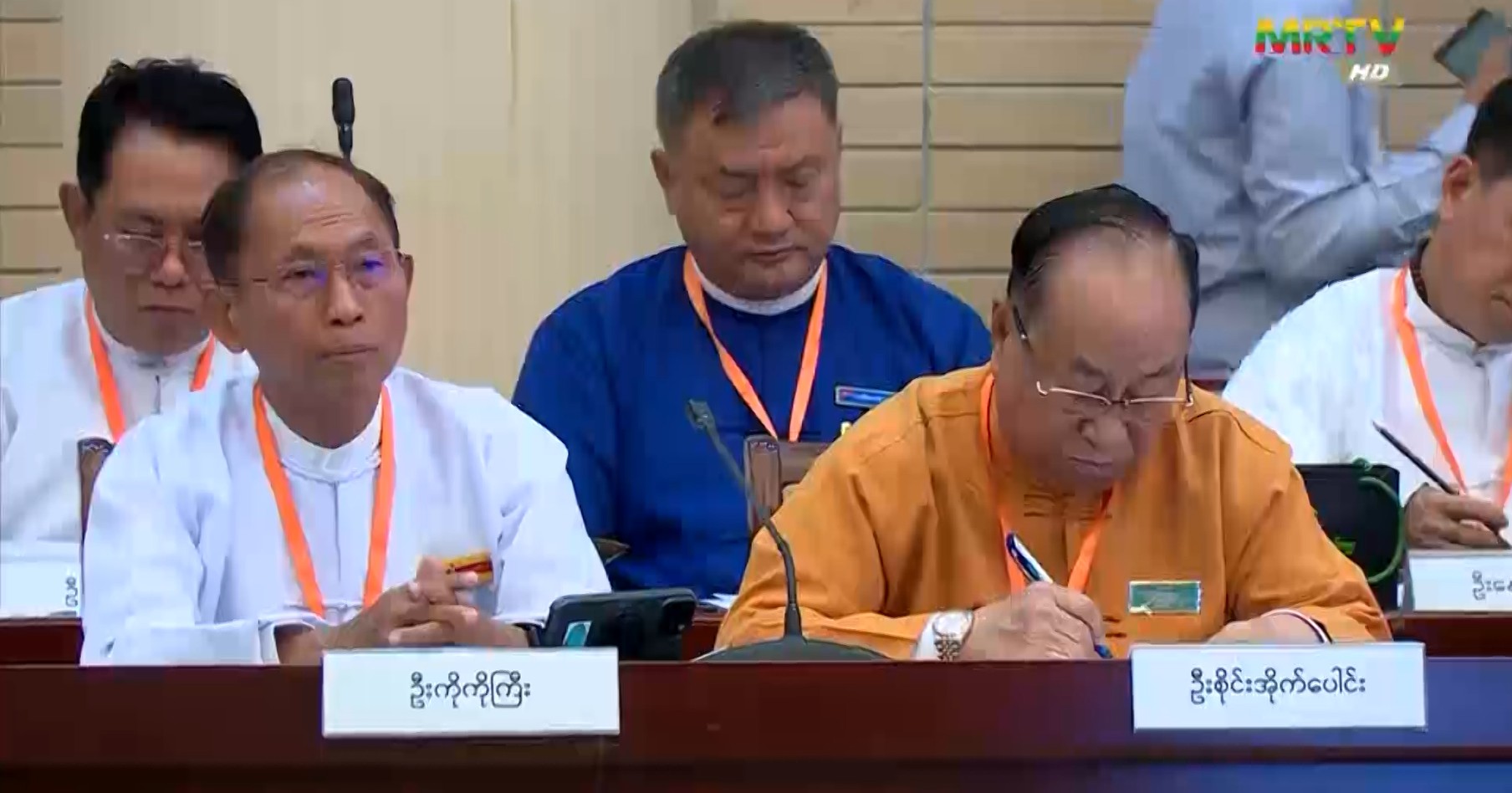
U Ko Ko Gyi seen at a Peace Talk
Regarding peace negotiations, it is necessary to make continuous efforts to enable informal discussions rather than only formal, all-inclusive talks, and to gather experienced individuals with institutional memory, said U Ko Ko Gyi, Chair of the People’s Party (PP), in an interview with CNI News.
He said, “Even during times of armed conflict, communication channels can be maintained. Therefore, it is first necessary to rebuild communication channels among the various organizations—some through hotlines—to enable immediate contact. Before moving to inclusive, formal negotiations, there should be continuous efforts to hold informal discussions. It is also necessary to reassemble individuals with past peace experience and established traditions. This is because, in recent years, new generations of young leaders have emerged within various organizations. Meanwhile, many experienced peace negotiators have grown older or retired, so it is necessary to bring these individuals back together.”
Military and political observers noted that in implementing peace processes, there exist a wide range of perspectives, ideas, and approaches.
In Myanmar, whenever there is a change of government during peace-building efforts, personnel, policies, and institutions also change, leading to bottlenecks and disruptions in the frameworks built by successive previous governments.
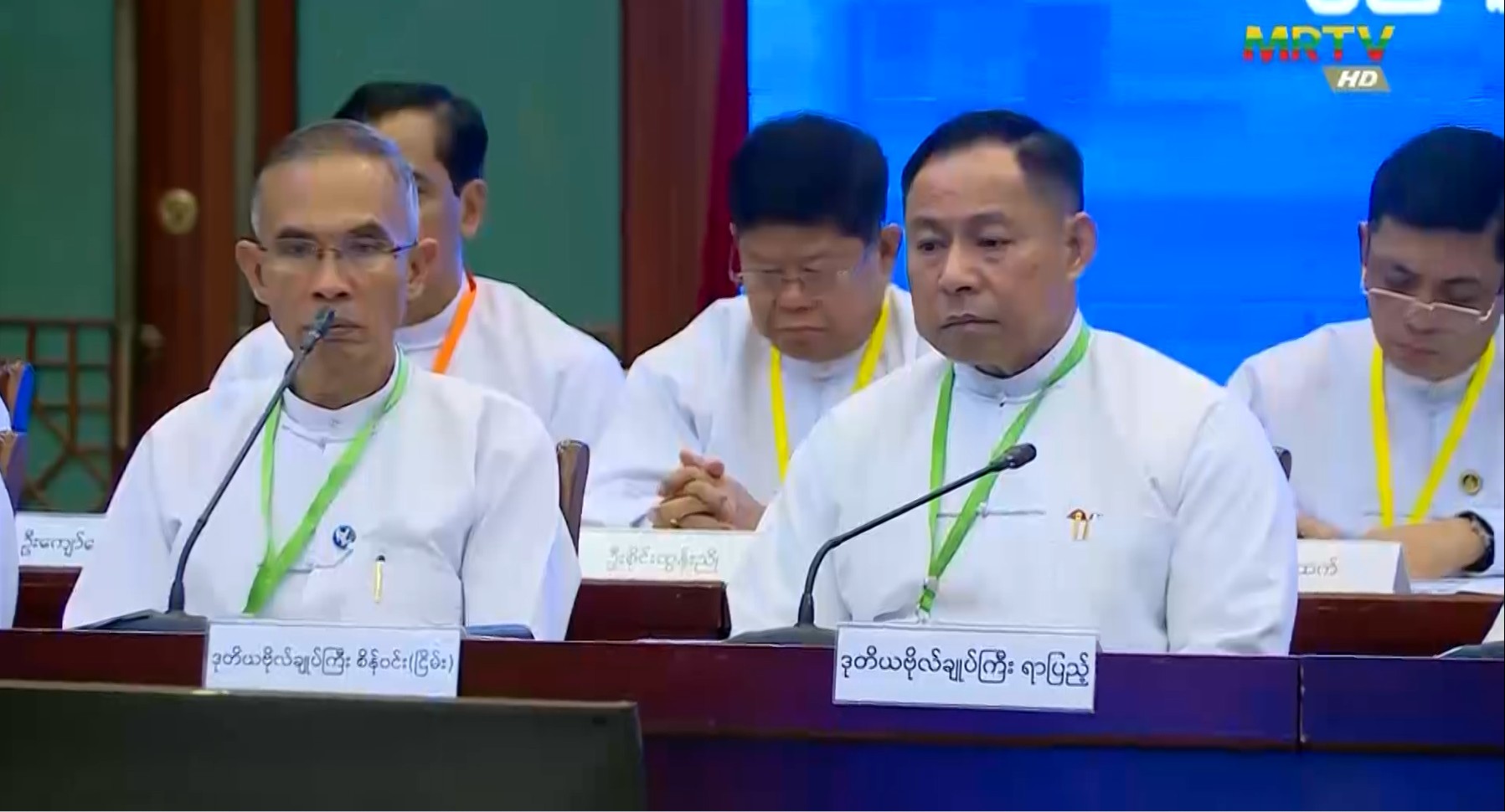
Representatives of the Tatmadaw seen at a Peace Talk
U Ko Ko Gyi told CNI News that Myanmar is currently in an unavoidable situation when it comes to establishing a federal union.
He said, “Fundamentally, our country cannot avoid the necessity of building a federal union. Therefore, there are areas related to federalism that require reform. In discussions with India, there were many talks involving Tatmadaw officers, political party leaders, and ethnic armed organizations on fiscal federalism and power-sharing systems—using India as an example. We have also studied many examples from other countries. In relation to peace, we also have extensive experience from studying countries where peace has been successfully achieved. However, we believe priority should be given to handling practical, realistic solutions appropriate to the circumstances of each period.”
Military and political analysts further pointed out that peace processes cannot function unless the root causes of conflict—such as historical backgrounds, past events, ideological disputes, and political convictions—are taken into consideration.
At present, intense fighting is continuing between the Myanmar military and armed groups across the country, and peace processes have yet to be implemented in practice.