
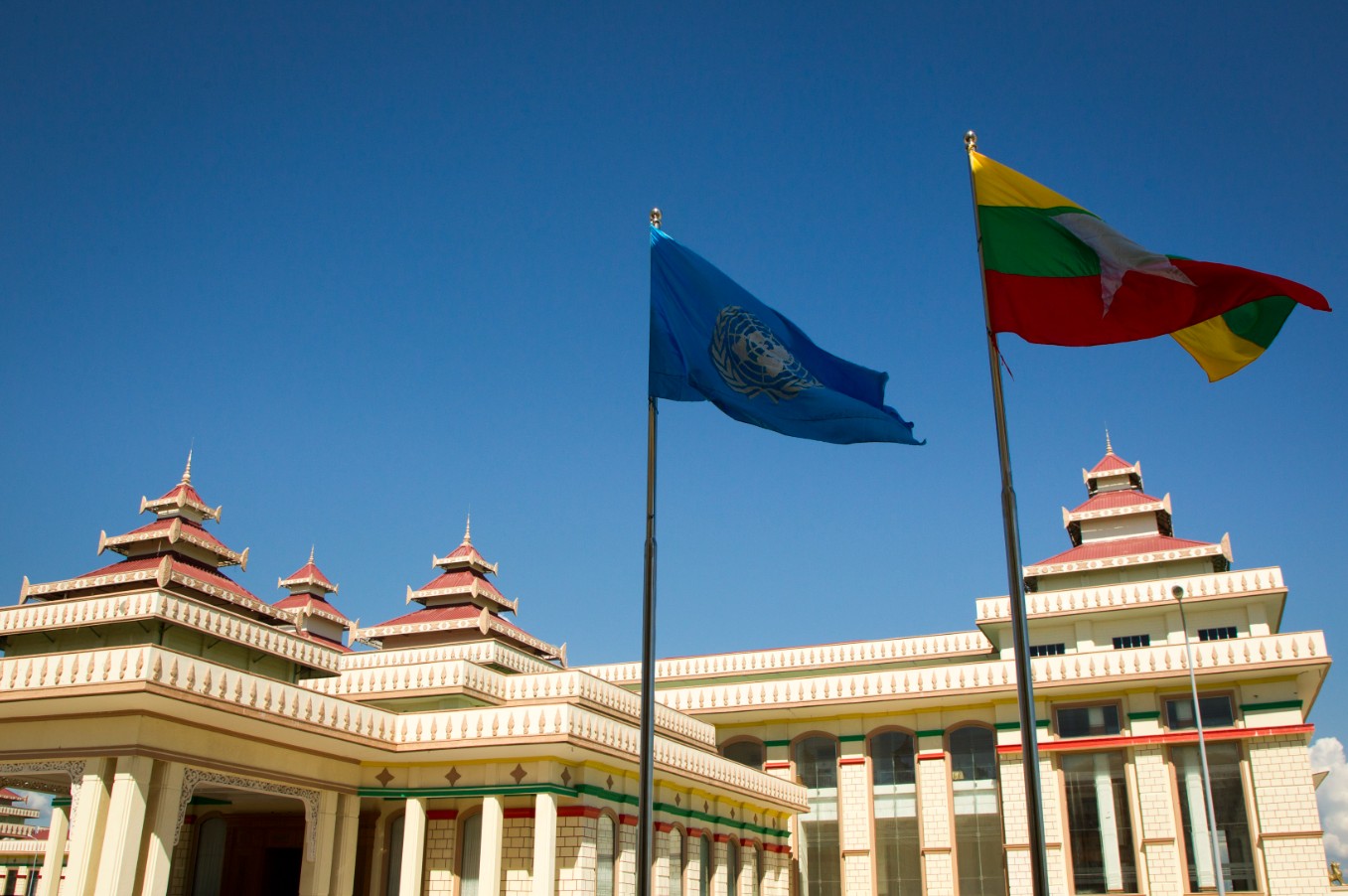
CNI News
13 December 2025
In Myanmar, the parliament (Hluttaw) and the government have traditionally operated in a mutually dependent relationship in governing the country. As a result, questions have arisen as to whether the parliament’s role is to oversee and check the government or to protect it.
Myanmar is scheduled to hold Phase (1) of its elections on December 28, 2025. Phase (2) will be held on January 11, 2026, and Phase (3) will take place in the final week of January.
After the elections, the new government that emerges is likely to be led jointly by the Myanmar military (Tatmadaw) and the Union Solidarity and Development Party (USDP). Similarly, there is a strong likelihood that the parliament will also be dominated by the military and the USDP holding the majority of seats.
Because of this, many people are concerned that the parliament may end up functioning not as a body that checks and balances the government, but rather as one that protects it.
U Kyaw Htet, an independent candidate contesting in Dawbon Township, Yangon Region, told CNI News that if the post-election parliament operates as if it were part of the same group as the government, it could result in an ineffective and unclear political trajectory—an outcome that is cause for concern.
He said: “If a new government and parliament emerge after this election, it would mean that the legislative pillar is revived. If the government takes a wrong path, then the parliament should be able to step in and correct it. If more representatives who truly represent civilians and ethnic groups are elected, those voices will become louder. Since the voices in parliament represent the voice of the people, the government will not be able to force certain decisions and will instead have to negotiate and seek solutions. However, if the parliament moves forward as if it were part of the same group as the government, then the process becomes vague and ineffective. That is the worrying point. The government and parliament need to be distinct. We need clarity in the separation of responsibilities.”
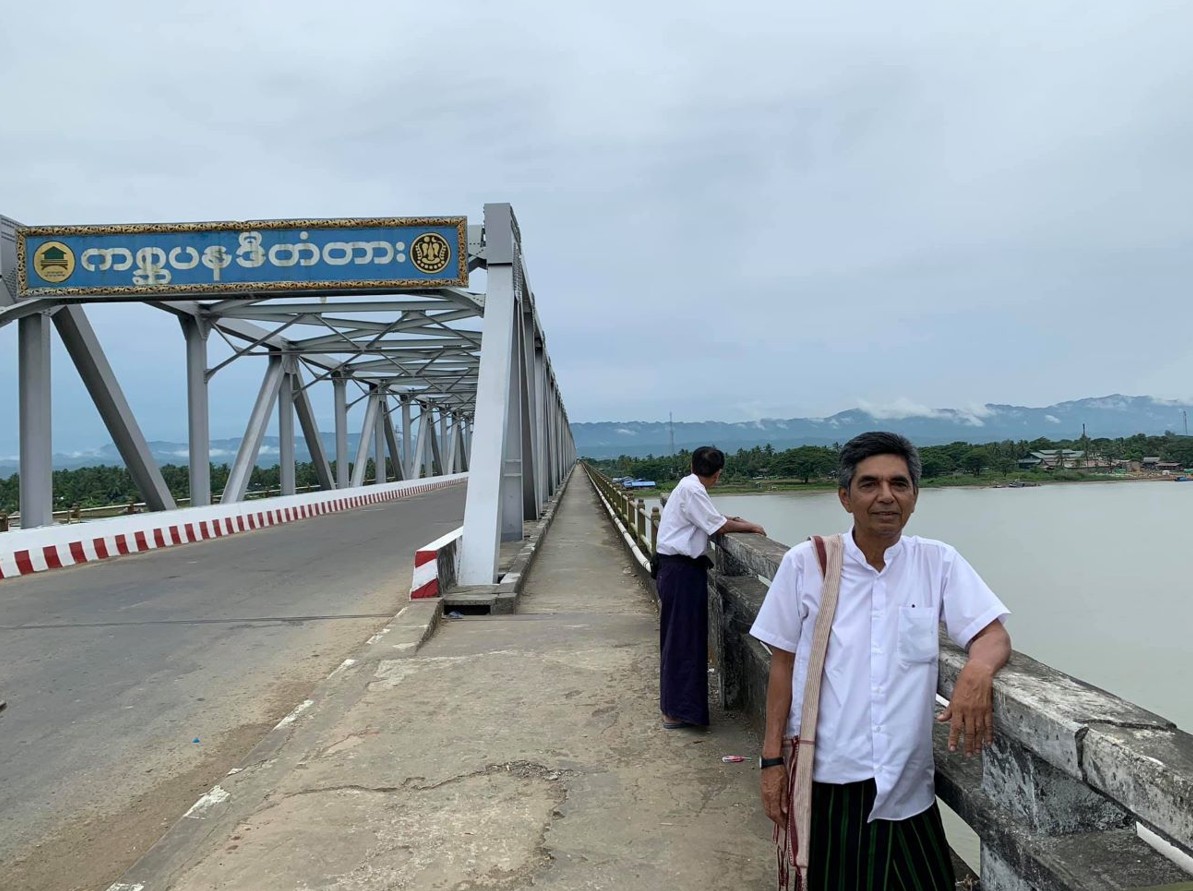
The late Rakhine MP U U Hla Saw, who turned away from parliamentary politics and joined armed resistance
In Myanmar, the governments and parliaments that emerged from the 2010 and 2015 general elections developed a pattern of mutual protection. As a result, members of parliament from non-Bamar ethnic political parties experienced growing frustration with the parliamentary system.
Subsequently, some MPs even turned their backs on parliamentary politics altogether and joined armed resistance movements.
Dr. Nyo Nyo Thin, founder of the Yangon Watch Group, told CNI News that national leaders and politically farsighted figures must make advance preparations to ensure that Myanmar does not end up with a parliament that merely protects the government.
She said: “The responsibilities of parliament are to legislate, to check and oversee the government, and to represent the people. Oversight of the government is one of the most important duties of MPs. Parliament does not have a duty to protect the government; it only has a duty to oversee it. The task of protecting the government will be done by the government itself and by the Ministry of Information. Parliament’s responsibility is solely to provide oversight. To prevent the emergence of a parliament that protects the government, national leaders and politically farsighted leaders must prepare in advance. The public must elect MPs who are capable of holding the government accountable. After electing them, the public must continuously monitor their representatives. If MPs are seen as failing to represent the people, the public should hold them accountable. People should be able to protest and lodge complaints with relevant political parties. If MPs act improperly, the public should speak out. The public must continue to oversee parliament.”
During the dispute over voter lists following the 2020 general election, there were calls for an emergency parliamentary session to address the issue.
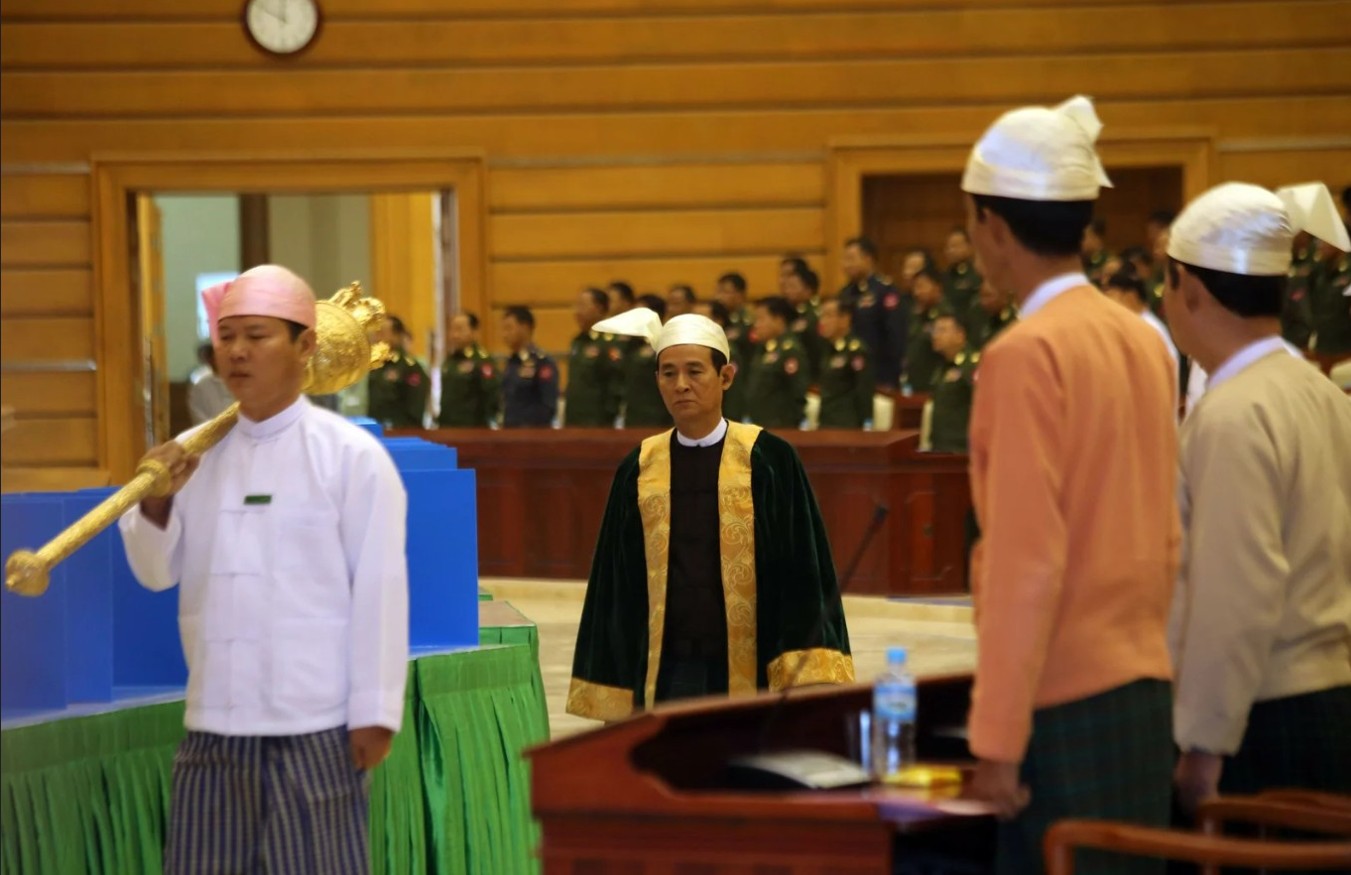
U Win Myint serving as Speaker of Parliament
However, as the National League for Democracy (NLD) held strong dominance in parliament and the parliamentary speakers were also NLD members, those calls were ignored and the government was effectively protected.
Subsequently, on February 1, 2021, the Myanmar military (Tatmadaw) removed the NLD government, citing its attempt to form a government without resolving the 2020 election disputes, and seized state power.
After the military takeover, parliamentary politics disappeared, and the three branches of power—judicial, legislative, and executive—were concentrated in the hands of Senior General Min Aung Hlaing alone.
As a result, political parties and pro-democracy activists are now striving to restore parliamentary politics after the elections are held.