
CNI News
10 December 2025
The Myanmar military (Tatmadaw) may attempt to reopen the Mandalay–Muse trade highway at any cost, according to Colonel Khun Okkar, Chairman of the Pa-O National Liberation Organization (PNLO–NCA/S), speaking to CNI News.
Major towns along the Mandalay–Lashio–Muse highway include Naungcho, Kyaukme, Hsipaw, Lashio, Hsenni, Kutkai, and Muse.
The Mandalay–Lashio–Muse highway is the main road supporting China–Myanmar border trade. However, due to military operations by MNDAA, KIA, and TNLA forces, trade along the route has come to a halt.
After the Myanmar military launched offensives to retake Naungcho, Hsipaw, and Kyaukme—towns seized and controlled by the TNLA—the military succeeded in regaining them. Recently, it also regained control of Mogok and Momeik.

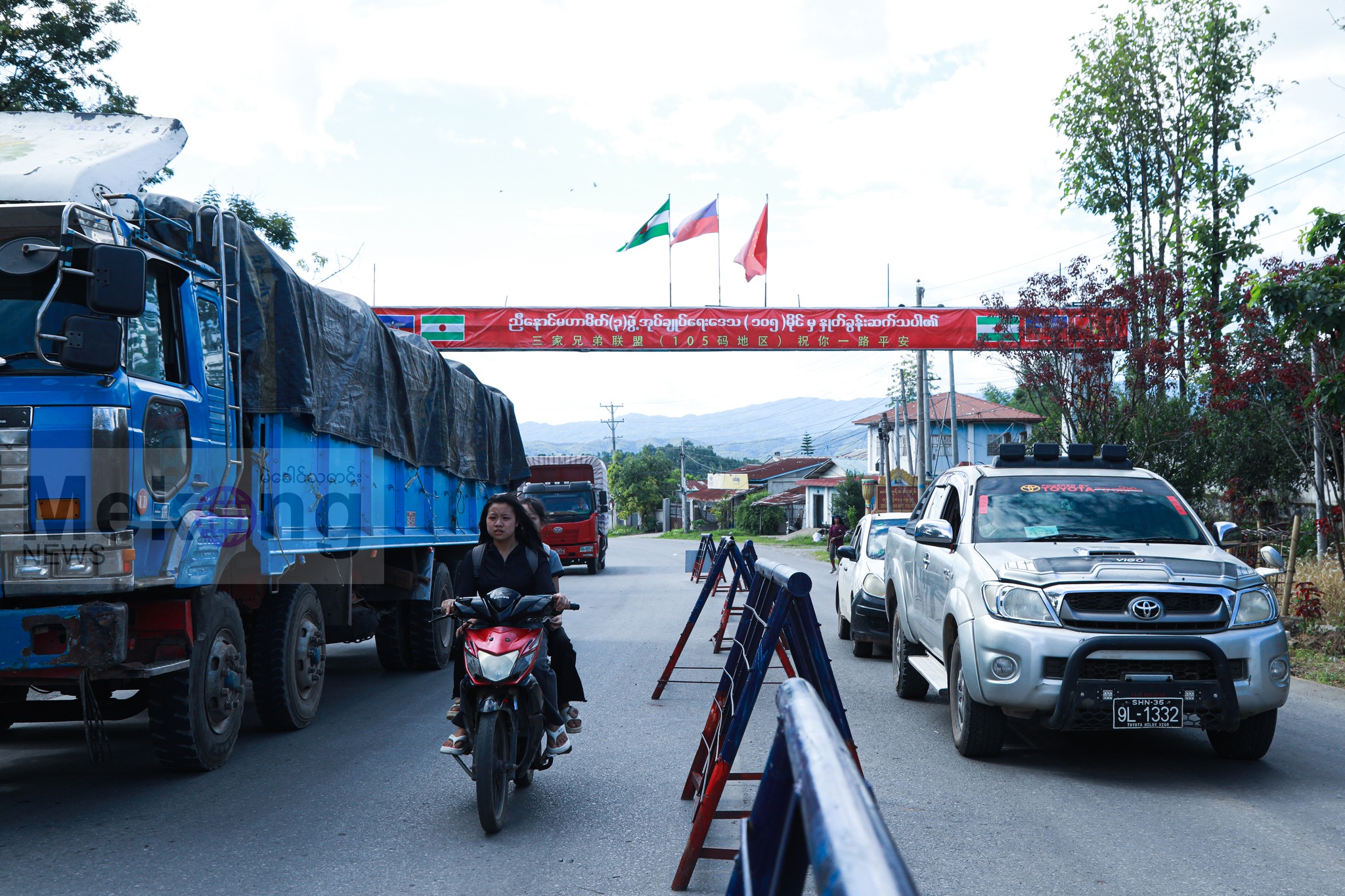
A view of the Muse 105-Mile trade zone (Photo: Mekong News)
Following the recapture of Mogok and Mongmit—both controlled by the TNLA—the next steps could include reopening the Mandalay–Muse trade highway at all costs, said Colonel Khun Okkar of PNLO–NCA/S.
He said: “This is like moving step by step. The agreement reached on October 29 was implemented on November 29 and 30. I believe more steps will follow.The next steps may involve positioning military forces necessary to reopen the Mandalay–Muse trade highway. I think this will come gradually.I believe they will reopen the Mandalay–Muse road no matter what. Why? Because they have already negotiated with the Kokang, and the ‘Wa’ that has long been the military’s allies. For China, this road is crucial for reopening trade routes and continuing work.When China’s interests, Myanmar’s interests, and the military’s interests all align, negotiations could lead to progress.”
Dr. Hla Kyaw Zaw, a China–Myanmar affairs analyst, also told CNI News that the Mandalay–Muse road may reopen soon, which would allow some economic breathing room.
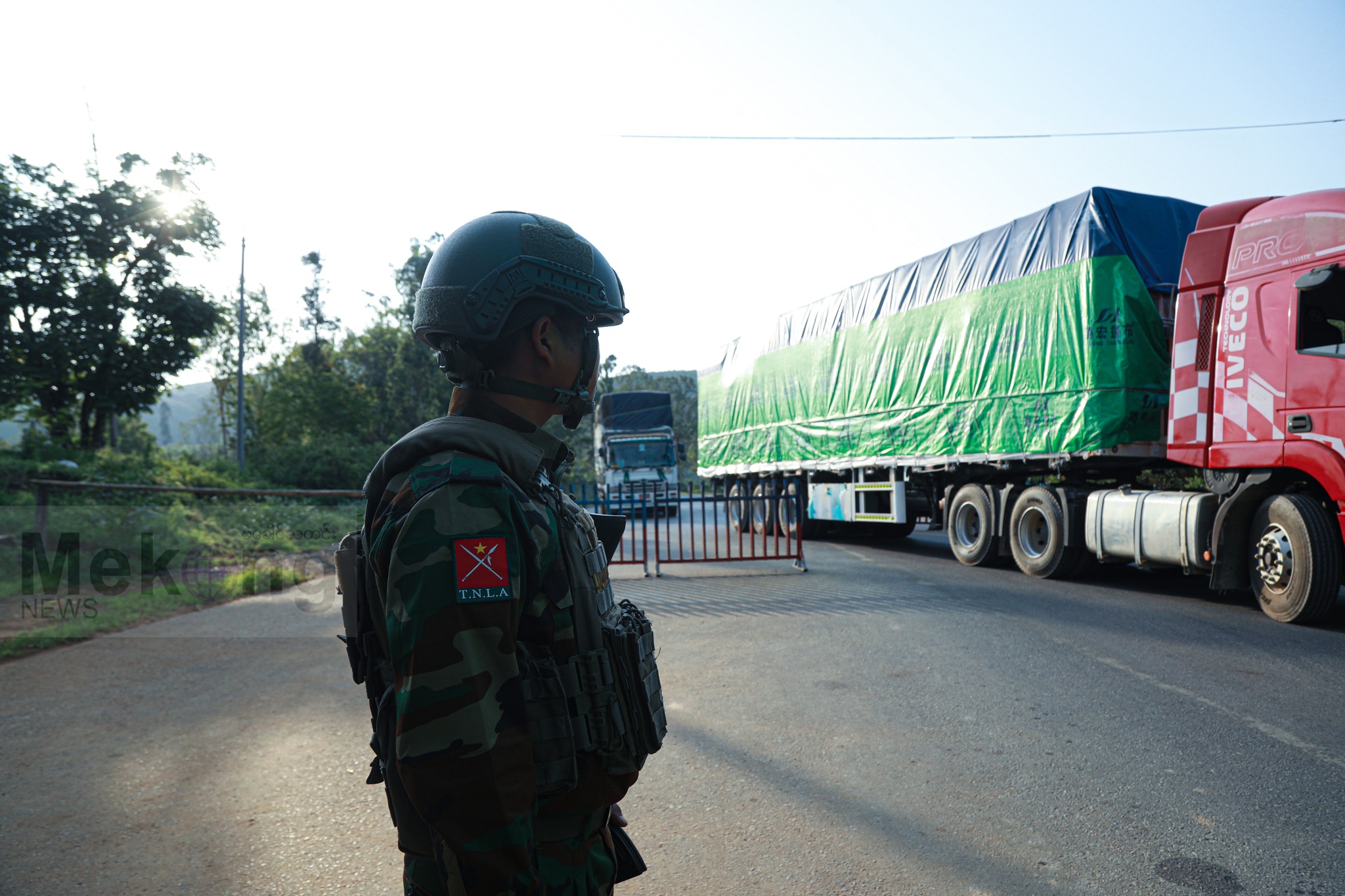
TNLA troops inspecting trucks leaving the Muse 105-Mile trade zone (Photo: Mekong News)
She said:“The Mandalay–Muse road is likely to reopen. Why? Because China has reopened all its border gates; on the KIA side, they have opened almost all their gates—five in total. This aligns with Yunnan Province’s strategy of transporting raw materials from Myanmar through these border gates to Yunnan, building factories there, and producing value-added goods. Economically, this could provide some breathing space.However, given the military’s underlying mentality—which does not prioritize public welfare—retail and wholesale economic burdens and public dissatisfaction will still remain. In the short term, the economy may stabilize to some extent.”
Analysts note that if the military regains full control of the Mandalay–Muse highway, it would dominate not only the entire northern Shan region but also China–Myanmar border trade.
Currently, China and the Myanmar military have agreed to reopen the Mandalay–Lashio–Muse trade highway.
However, the TNLA has maintained its stance that it will collect taxes from trucks using the route, while China and the military do not accept tax collection by the TNLA. Negotiations remain ongoing.