
CNI News
13 November 2025
The general public’s struggle to make ends meet has led to waning interest in Myanmar’s upcoming elections, according to political analysts.
The Union Election Commission (UEC) had announced that voter lists for the upcoming elections would be displayed at respective township sub-election commission offices from September 30 to the second week of October 2025.
However, analysts say public trust in the elections has declined since the results of previous elections were annulled due to disputes over voter lists. As a result, many citizens are showing no enthusiasm toward the upcoming polls.
Yangon Watch founder Dr. Nyo Nyo Thin told CNI News that people such as young voters, women, and key working-age groups appear largely uninterested in participating in the election.
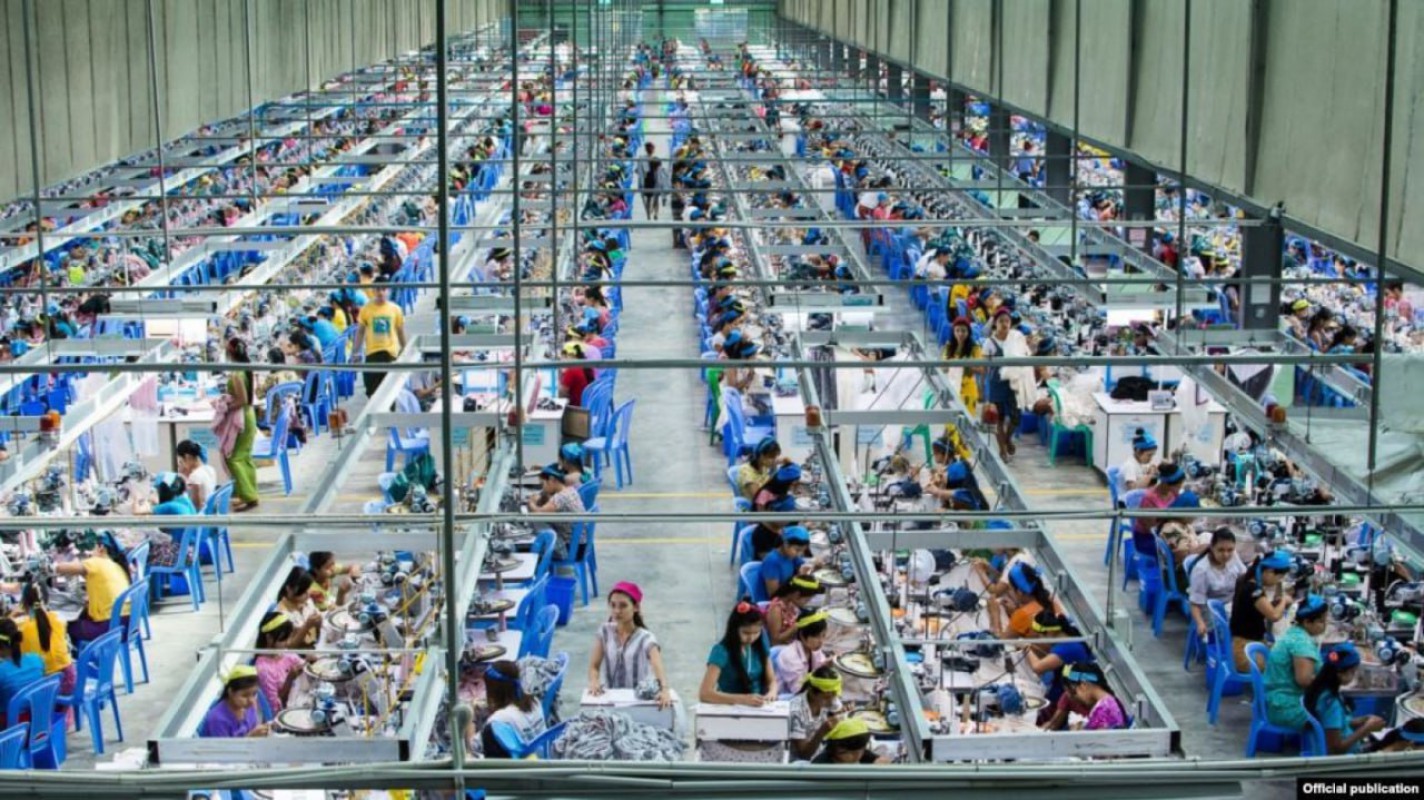
A garment factory in operation.
“Right now, most young people — and even many housewives — are struggling. These groups, including important segments of society like the youth and women, seem to have lost interest in the election. People are focused on surviving, trying to secure better job opportunities and improve their livelihoods. Because of that, interest in the election has significantly declined,” she said.
The first phase of Myanmar’s election is scheduled for December 28, 2025, covering 102 townships, while the second phase is set for January 11, 2026, in 100 more townships.
Chairman of the Arakan Front Party (AFP), Dr. Aye Maung, told CNI News that the central challenge in Myanmar’s politics remains the armed conflict, and resolving it is key to rebuilding the nation’s socio-economic life.
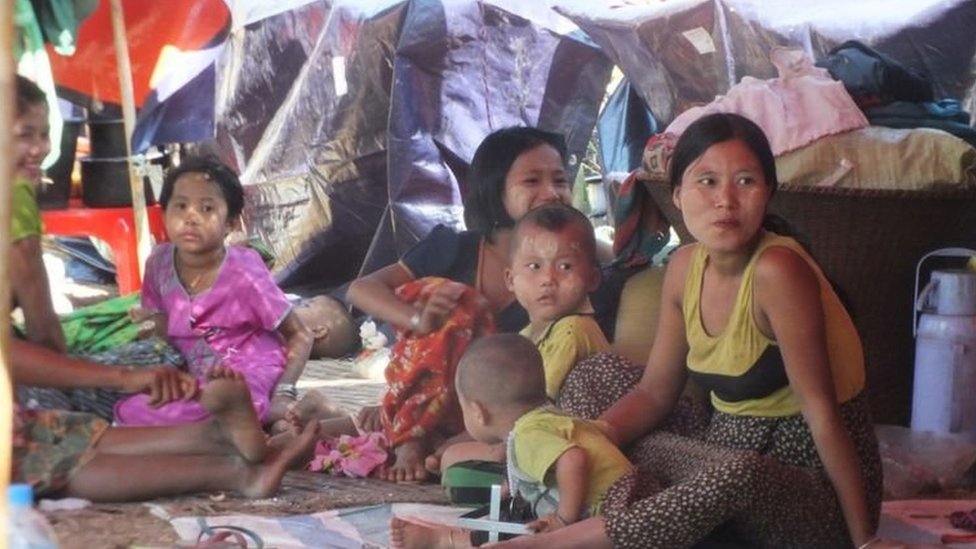
Displaced persons fleeing conflict zones.
“At present, everyone is being pushed toward the path of armed confrontation. But still, the election is the election.So rather than seeing people’s disinterest merely as an effect of economic hardship, I think some middle-aged and older citizens may view the election as a possible path to resolution.Neighboring countries and the international community also seem to be encouraging this direction because of the ongoing suffering caused by the war. The main issue is still how to resolve Myanmar’s armed conflict. Only by doing so can we begin to rebuild social and economic life.The election could become a step toward such change,” he said.
Currently, many citizens are undecided about whether to vote, and the rate of people checking voter lists remains very low.
This situation is attributed to the public’s daily struggle for survival and job opportunities, as well as warnings from Spring Revolution forces that they would boycott and disrupt the election and take action against participants.