
English Edition
- By CNI
- Category: English Section
- Hits: 1175
CNI News
17 Feb 2023
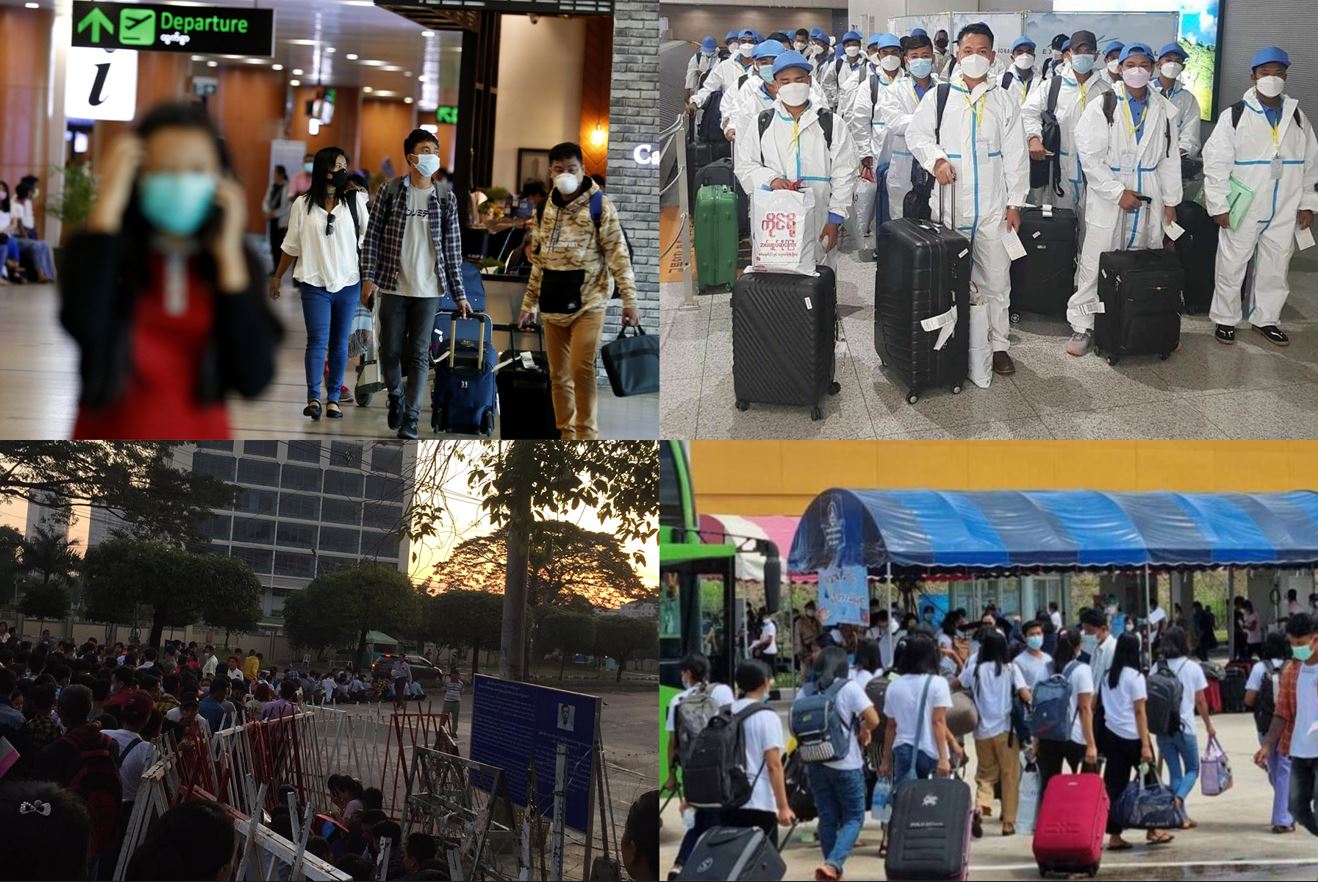
Amidst post-pandemic political changes, a large number of people have left the country to study abroad, to work and to emigrate and a majority of them are leaving the country for employment.
The problem is attributed to unemployment and low wages at home, Myanmar labour activists in other countries told the CNI.
Ko Khant Nay Chi, who has been working for migrant workers in Busan, Korea, told the CNI," People have moving to work in countries where they can get higher wages for 30 years. As there are development gaps among countries, wages vary significantly. At the same time, employment rates in our country have increased and the number of migrant workers has grown in our country. During the outbreak of COVID-19, South Korea banned migrant workers and the labour shortages have undermined their economic growth. As a result, they have to hire foreign workers including those from Myanmar in large numbers.
Currently, large numbers of Myanmar people are leaving the country for other countries including South Korea, Japan, Thailand, Malaysia, Singapore and the United Arab Emirates.
Domestic businesses were hurt during the pandemic and had to suspend their operations due to political changes, Chairman U Zaw Zaw of Hoteliers Association Shan State (North) told the CNI.
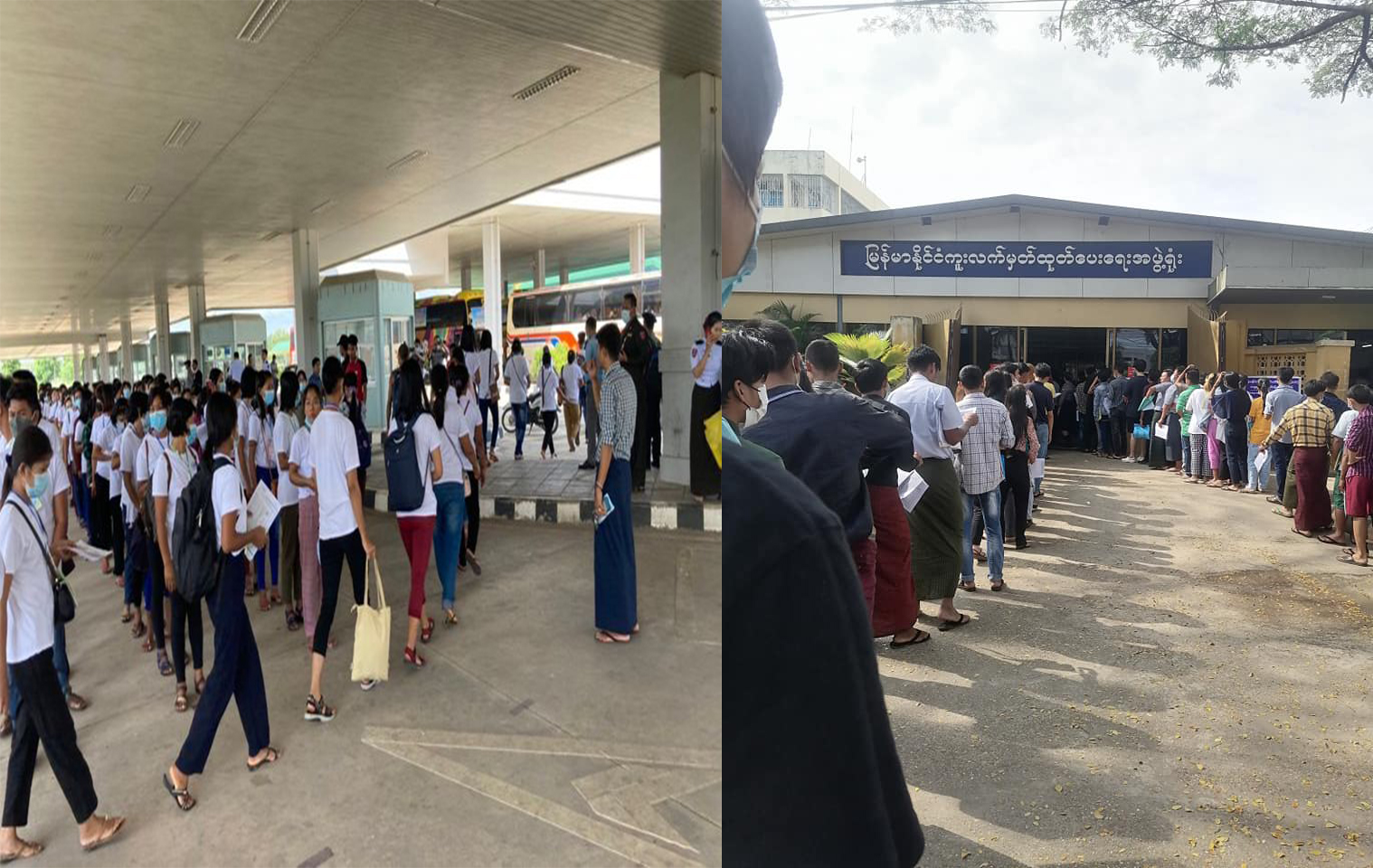
Myanmar passport applicant
He added that employers have offered their employees a basic salary of MMK 150,000, they have to try very hard to meet both ends very hard due to rising commodities and depreciation of the Kyat currency.
He added, "We offer higher wages for more competent workers. Businesses have been disrupted by the pandemic and the coup. Then, we encountered the depreciation of the currency. We have been facing one challenge after another. As a result, we have not been able to focus on the needs of our staff.
However, most Myanmar migrant workers who go abroad are unskilled workers and there are only a few skilled workers, according to labour activists.
Moreover, the number of students who go abroad has increased, causing brain drain in Myanmar, Advisor U Aung Kyaw of the Migrant Workers Right Network told the CNI.
He told the CNI," Youth are the resources of the country. They play an essential role in the development of the country. Instead of endeavoring the development of the country, they are abroad. We are worried about the future of the country."
It is necessary to understand the laws of the countries before migrant workers go to other countries, labour activists said.

- By CNI
- Category: English Section
- Hits: 796
CNI News
17 Feb 2023
The United States has always supported Myanmar pro-democracy activists and ethnic armed organizations, Deputy Secretary of State Wendy Sherman said.
She made the statement when she met with Foreign Minister of the National Unity Government Daw Zin Mar Aung.
Wendy Sherman said she welcomed the opening of the NUG office in Washington DC and the US had always supported Myanmar pro-democracy activists and the EAOs.
Similarly, she added that the US would cooperate with allies and partners for returning to democracy in Myanmar.
The US should choose the correct way to offer help to pro-democracy forces, Chairman U Sein Win of the National United Democratic Party told the CNI.
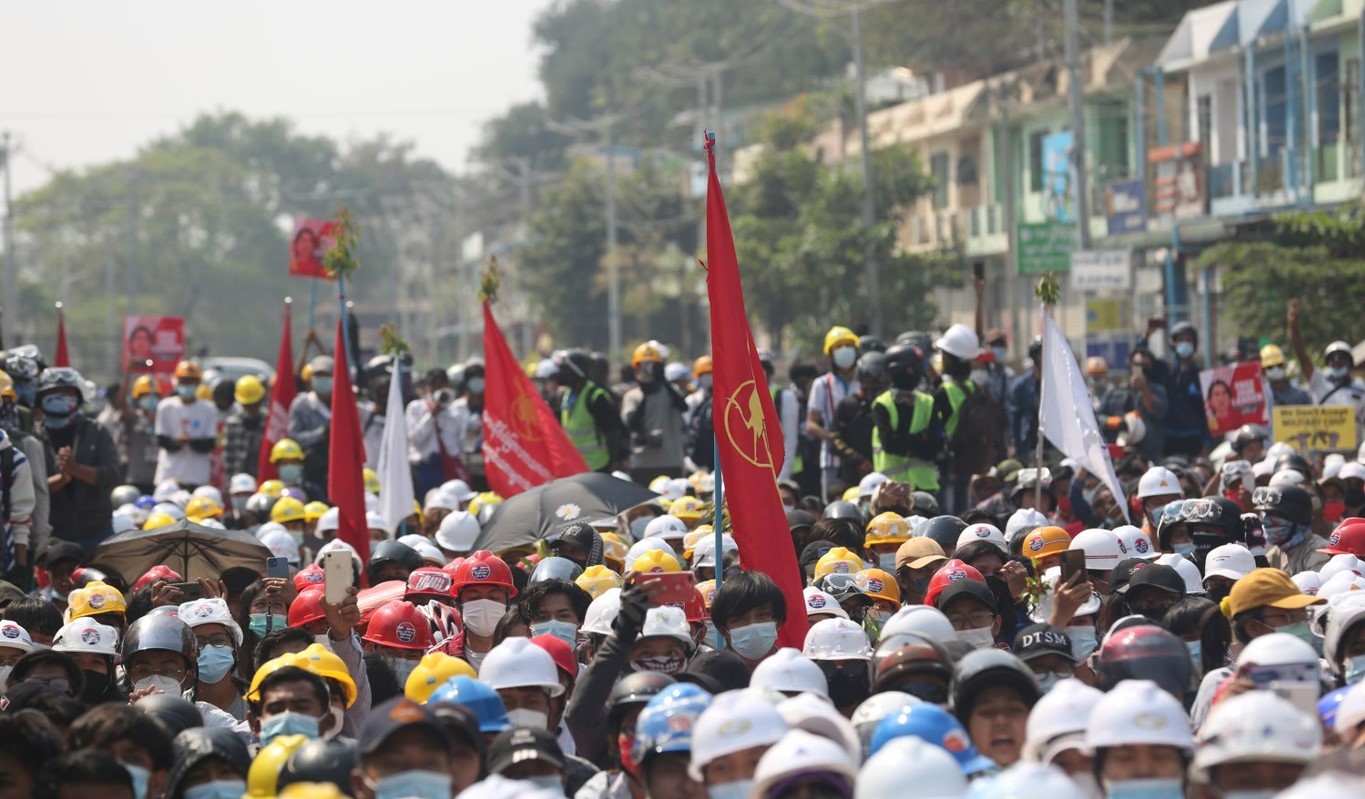
He said, "It is correct that the US supports the democratic process, but it still needs to adopt the correct approach. It should not support undemocratic practices. We can accept everything democratic norms."
Since the Myanmar military seized state power on 1st February, 2021, protests and armed struggles have erupted.
It was heard that the democratic process would be supported, but it was not clear how much they would help the movement, Kachin politician U Kwan Gan Aung Kham told the CNI.
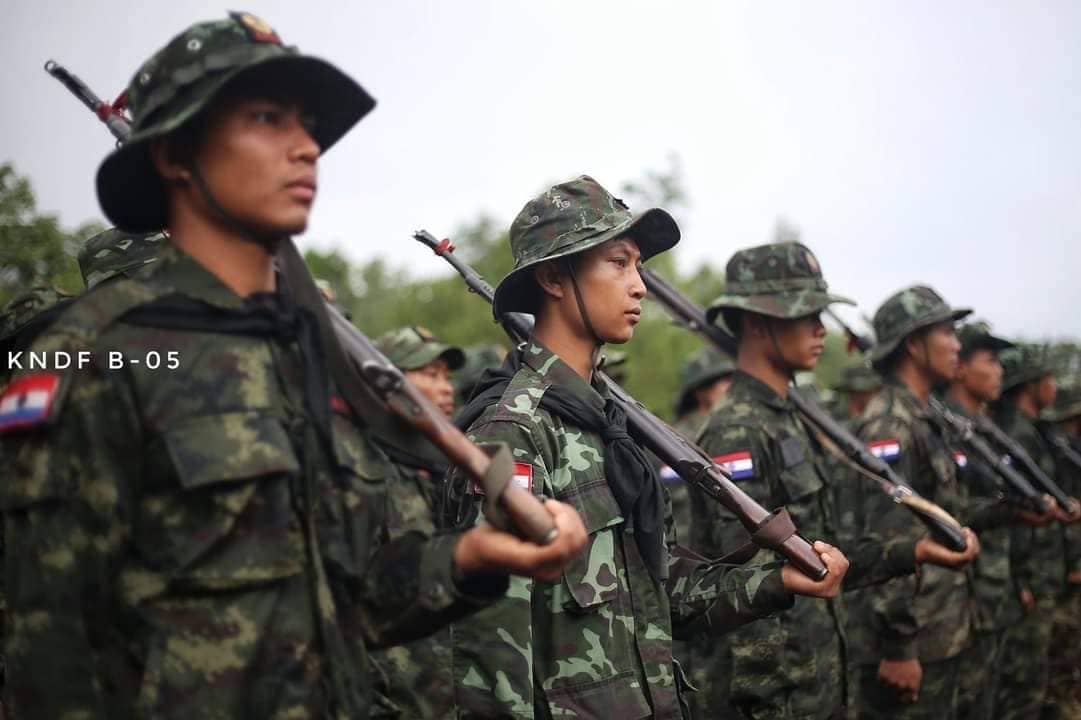
Anti-coup forces.
He said, " It was heard that assistance would be offered to humanitarian causes and technical issues. However, we don't understand what kind of assistance it is because we have never seen it. It depends on them." he said.
It was reported that the NDAA signed by president Joe Biden on 23rd December, 2022 has offered 50 million worth of non-lethal assistance to EA0s and PDFs.
- By CNI
- Category: English Section
- Hits: 811
CNI News
17 Feb 2023
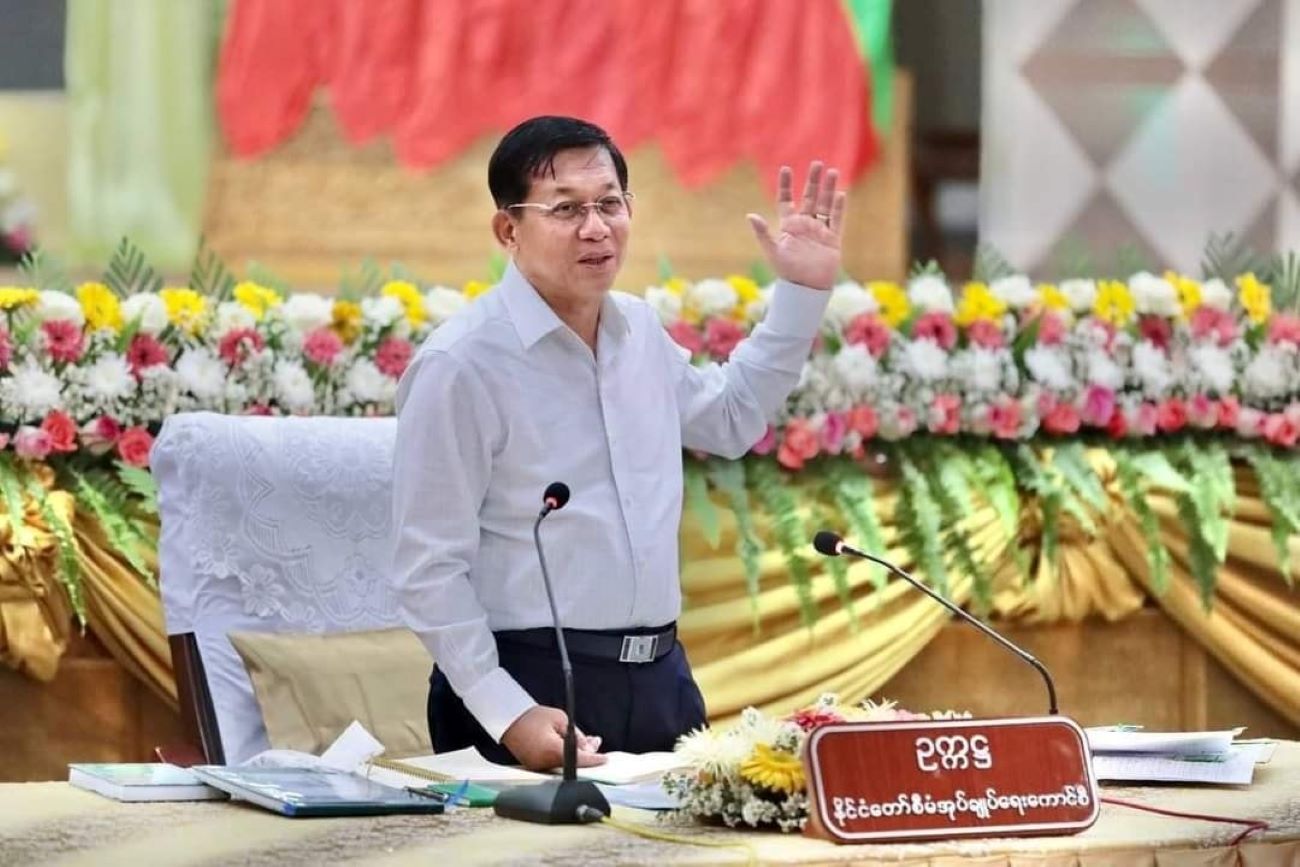
Powerful countries are trying to undermine the stability, unity and development of the country, SAC chairman Snr Gen Min Aung Hlaing said.
He made the statement on the 77th Anniversary of the Myanmar Radio and Television on 15th February.
He said he had assumed the responsibility of the state for two years in accordance with the 2008 constitution but violence, arsons, murders, and explosions have not decreased during the period.

The 77th Anniversary of the MRTV.
He continued to say that it was known to all that foreign powers and exiles that do not want to see stability, unity and development in Myanmar are taking measures to the total collapse of the country regardless of the interests of the country together with traitors inside.
However, he did not elaborate on who and which country was doing so.
Who is trying to make the total collapse of the country, an observer who requested anonymity said.
However, the SAC chairman said he had been trying to achieve eternal peace, prosperity, sufficiency of food, water and rations, development of socioeconomic lives of the people and strengthening of disciplined genuine democracy.
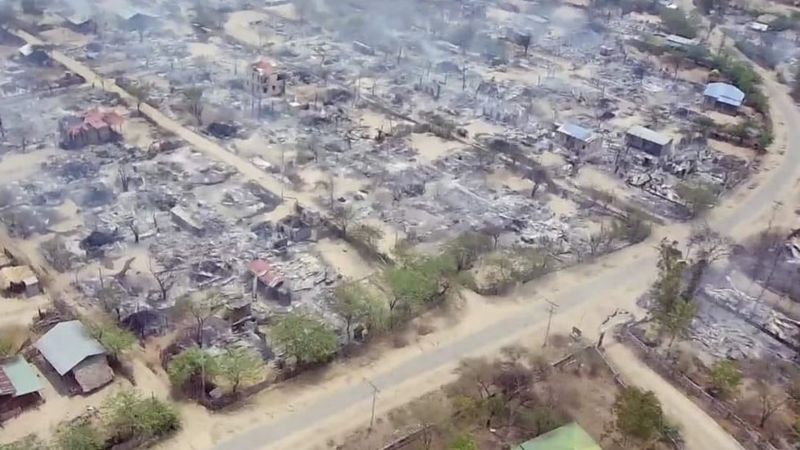
An arson attack on Kandaw Village in Myinmu Township.
The military seized power from the NLD government after accusing it of attempting to form a government without settling the voters' list disputes on 1st February, 2021.
Pro-democracy protests staged demonstrations and have launched armed struggle.
The conflicts have destroyed millions of homes in arson attacks and displaced residents.
- By CNI
- Category: English Section
- Hits: 795
CNI News
16 Feb 2023
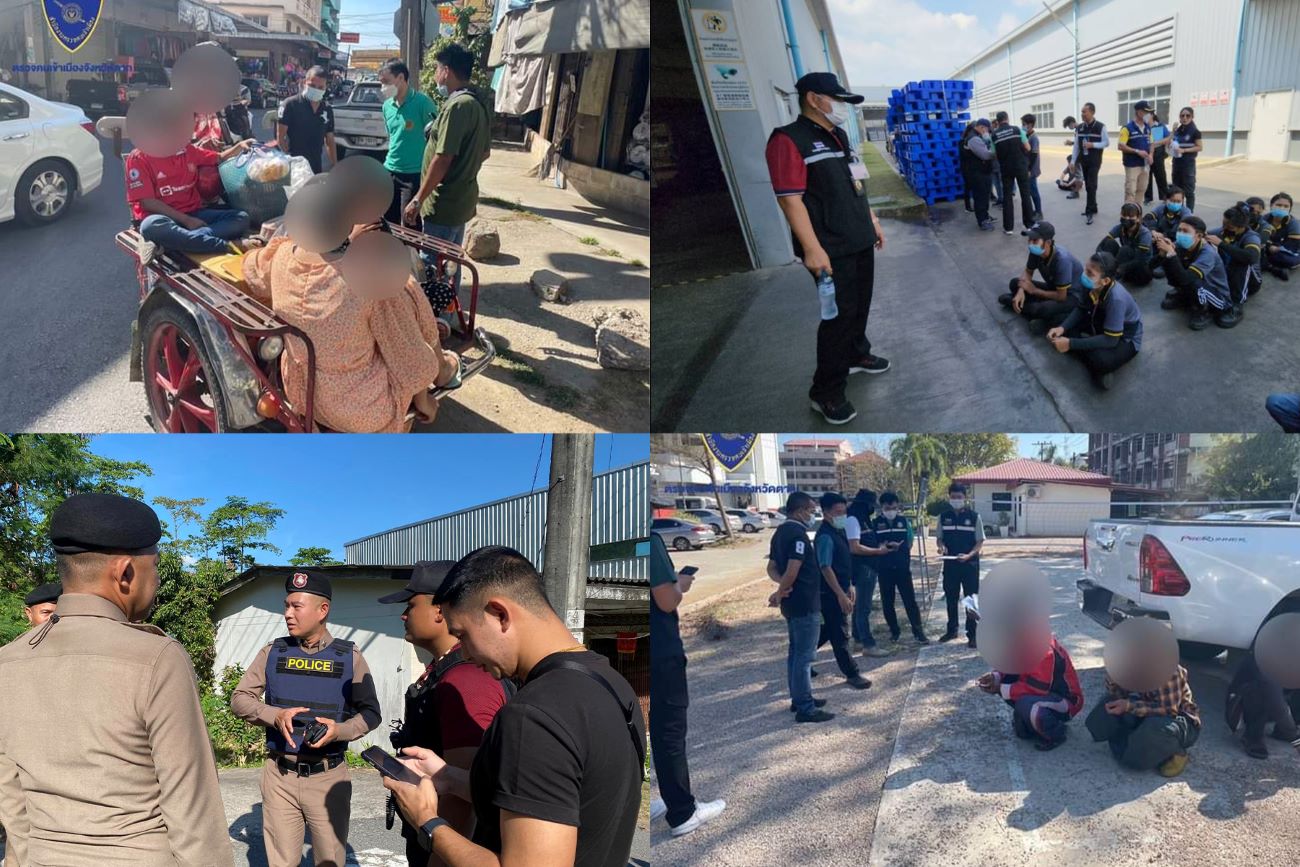
As Thai authorities have not announced the location where they will carry out search operations, undocumented Myanmar migrant workers are required to be cautious in Thailand, labour activists in Thailand told the CNI.
In the past, Thai authorities announced the locations where they would carry out search operations and it was easy for undocumented workers to move to safe places. However, Thai authorities have not announced the locations and undocumented Myanmar workers are required to be cautious, labour activists have warned.
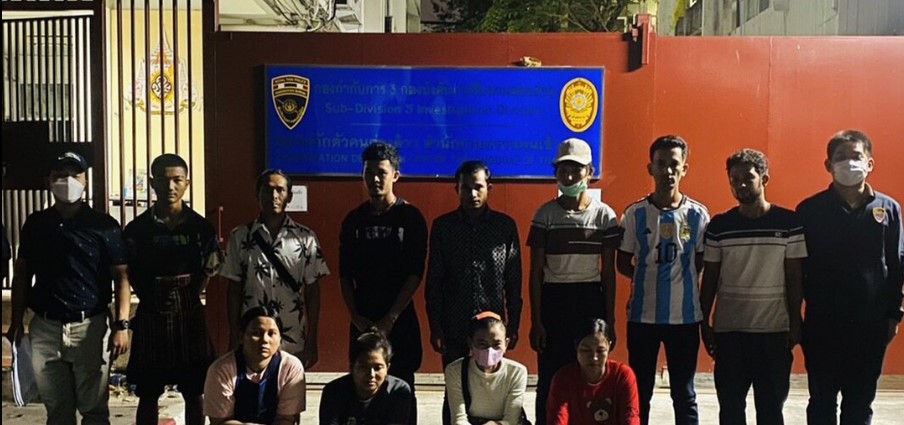
Some Myanmar hawkers are detained in Thailand.
Advisor U Aung Kyaw of the Migrant Workers Rights Network told the CNI, "Thai authorities conducted surprise checks and detained undocumented workers. The number of arrests have increased. In the past, Thai authorities had allowed undocumented workers to apply for documents for a certain period and rounded up workers who were still undocumented by announcing the locations where they would conduct search operations. So, it was easy for undocumented migrant workers to move to safe places. Now, they are conducting surprise checks everywhere. So, undocumented workers are required to be cautious."
The number of arrests have increased because some Thais made complaints to authorities, according to labour activists.
Myanmar migrants make up the largest number of detainees and they were mostly arrested in factories and workshops and at roadside food stalls.
Under Thai laws, Thai citizens only are permitted to set up roadside food stalls but some Myanmar migrants are setting up roadside food stalls because they do not understand Thai laws, labour activists added.
Labour Activist U Min Oo from the Foundation for Education and Development told the CNI, "Some Myanmar migrants do not take the matter seriously. They need money for costs for documents and accommodation so desperately that they take whatever jobs they can get to solve difficulties they currently face. So, they are arrested.

Thai police personnel.
Some Myanmar workers were arrested after annoying Thai residents, who reported the incidents to the Thai police. So, undocumented migrants should avoid such undesirable incidents, labour activists said.
Recently, the number of arrests of Myanmar workers have increased while some Myanmar workers and agents were murdered in Thailand. However, some Myanmar workers were accused of killing a Thai employer over a dispute over wages.
Labour Activist Ko Thar Gyi told the CNI, " As a Thai employer was killed by Myanmar workers, local residents are displeased with Myanmar workers. So, authorities are likely to conduct search operations against illegal migrants. The political situation of Thailand also plays a part. And it is time for migrant workers to renew their documents. So, illegal migrants including Myanmar nationals are likely to be arrested."
Although Thailand is a neighbouring country that hosts millions of Myanmar workers, who have been exploited and abused for many years.
- By CNI
- Category: English Section
- Hits: 885
CNI News
16 Feb 2023
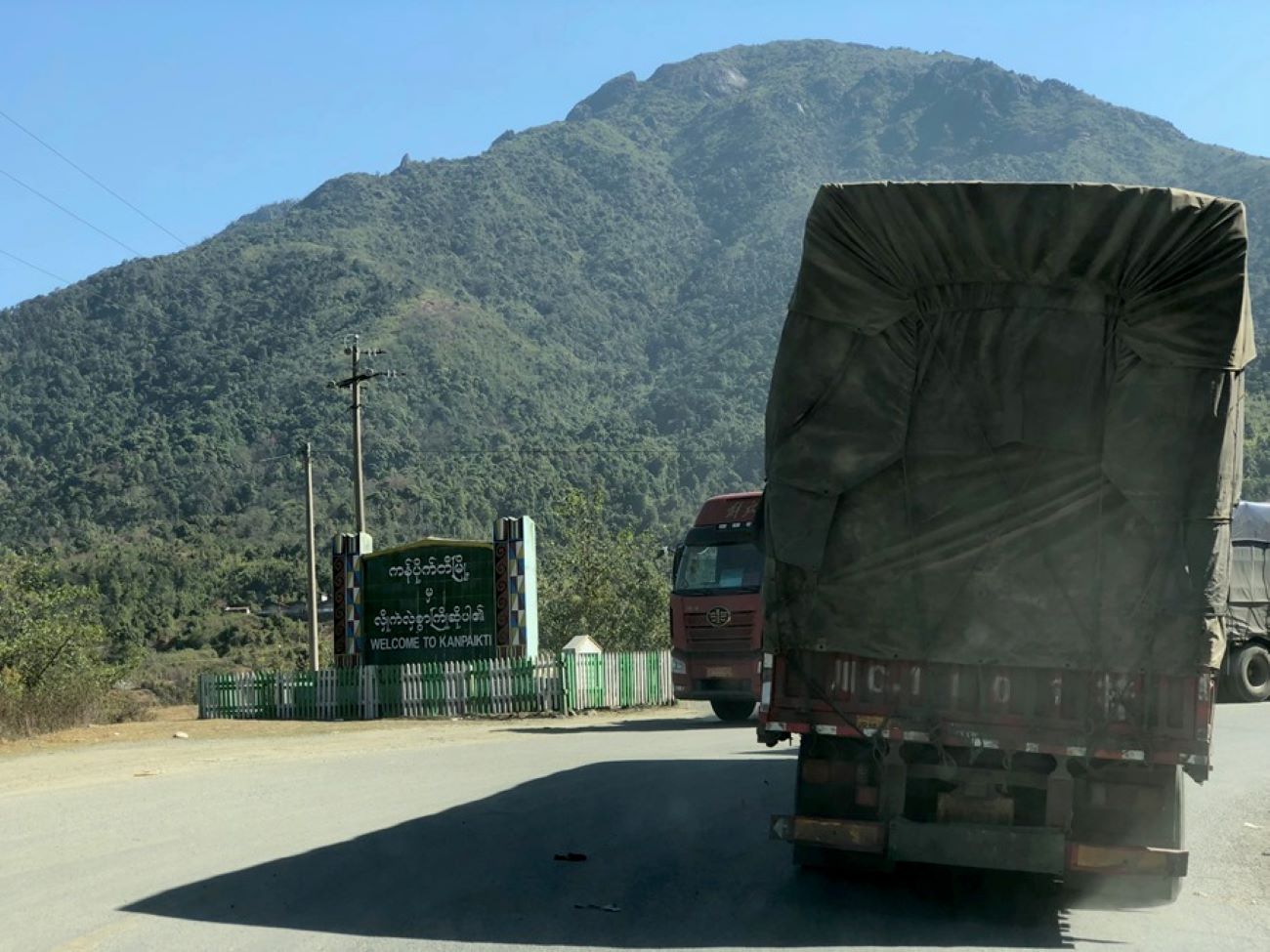
Myanmar truck drivers have been allowed to drive through the Chinese border gate in Kan Pai Ti in Kachin State, according to drivers there.
As a measure for prevention of COVID-19, truck drivers from Myanmar were not allowed to drive through the border gate and they were replaced by Chinese truck drivers at the border. Now, the restriction has been lifted and Myanmar drivers have been permitted to drive through the border gate to China.
Allowing Myanmar drivers to drive through the border gate to China, damage to vehicles can be reduced and drivers will get higher wages, Ko Shan Gyi, a truck owner in Kan Pai Ti, told the CNI.
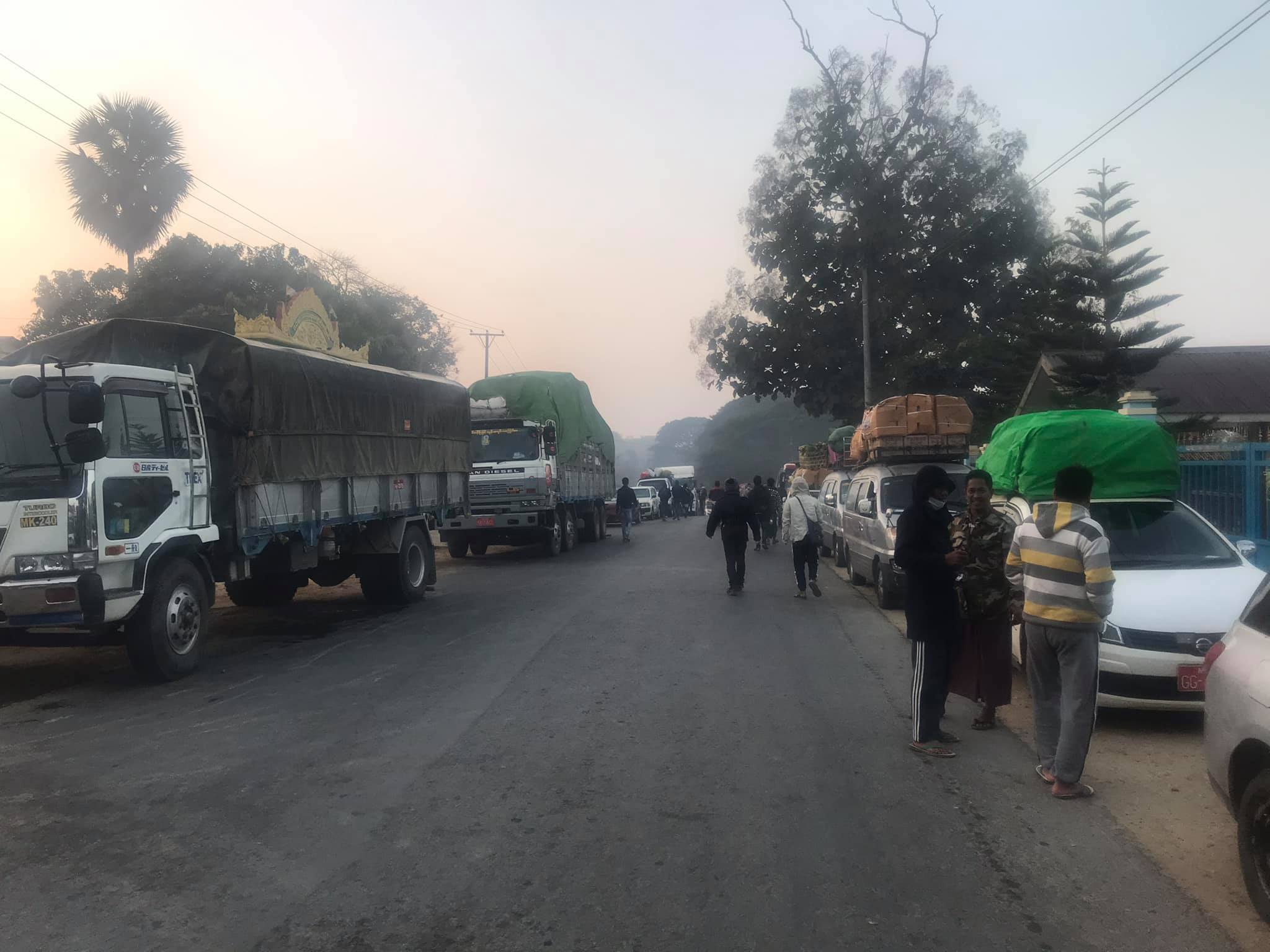
Freight trucks
He said, "It is beneficial for us. Damage to vehicles can be reduced and save repair costs. As Myanmar drivers have been allowed to drive through the border gate, they will get MMK 300,000 per trip. When they were not allowed to drive through the gate, they got MMK 200,000 per trip."
When Myanmar drivers had to be replaced by Chinese drivers, truck owners suffered losses due to damage to their vehicles caused by Chinese drivers, who were not as competent as their Myanmar counterparts.
When vehicles were damaged by Chinese drivers, truck owners did not get enough compensation and had to spend their own money to repair their trucks.
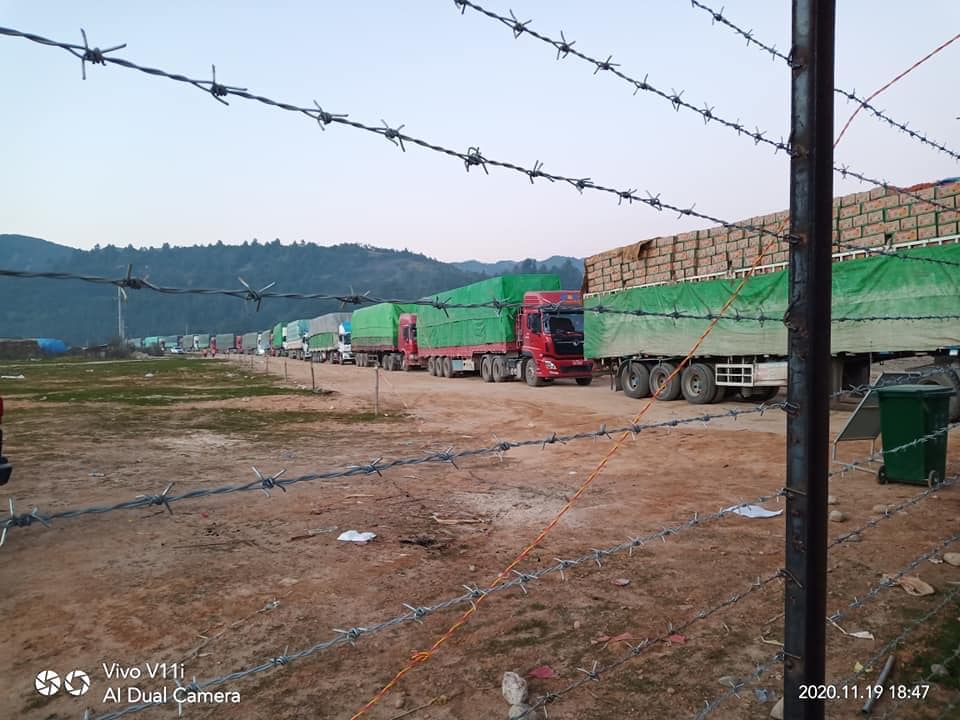
Freight trucks seen on the Chinese side of the border
As Myanmar drivers have been allowed to drive through the border gate to China, loading and unloading of goods can be carried out very quickly, Ko Thawdar Aung, a truck driver told the CNI.
He said, "I think loading and unloading of goods can be carried out very quickly. As we drive our truck by ourselves, they cannot skip the queue as before. They have to use the first-come-first-serve system. There were not many trucks transporting goods to China. There were only about 200 trucks.
Myanmar exports tissue-cultured bananas, rice, corn and watermelons and imported construction materials, electric appliances and consumer products from the border gate.
- By CNI
- Category: English Section
- Hits: 1414
CNI News
16 Feb 2023
Issuing gun and ammunition licenses is very dangerous for the public, Myanmar Political Observer Dr Hla Kyaw Zaw told the CNI.
The move is aimed at officially arming militias under the SAC, she added.
She told the CNI,"They want to officially arm their militias and criminals and to threaten the public. It is very bad and dangerous for the public. They do not think about the public and it is a move that shows they will do everything to protect their power."
The Ministry of Home Affairs will issue gun licenses and permits in accordance with laws and rules and regulations.
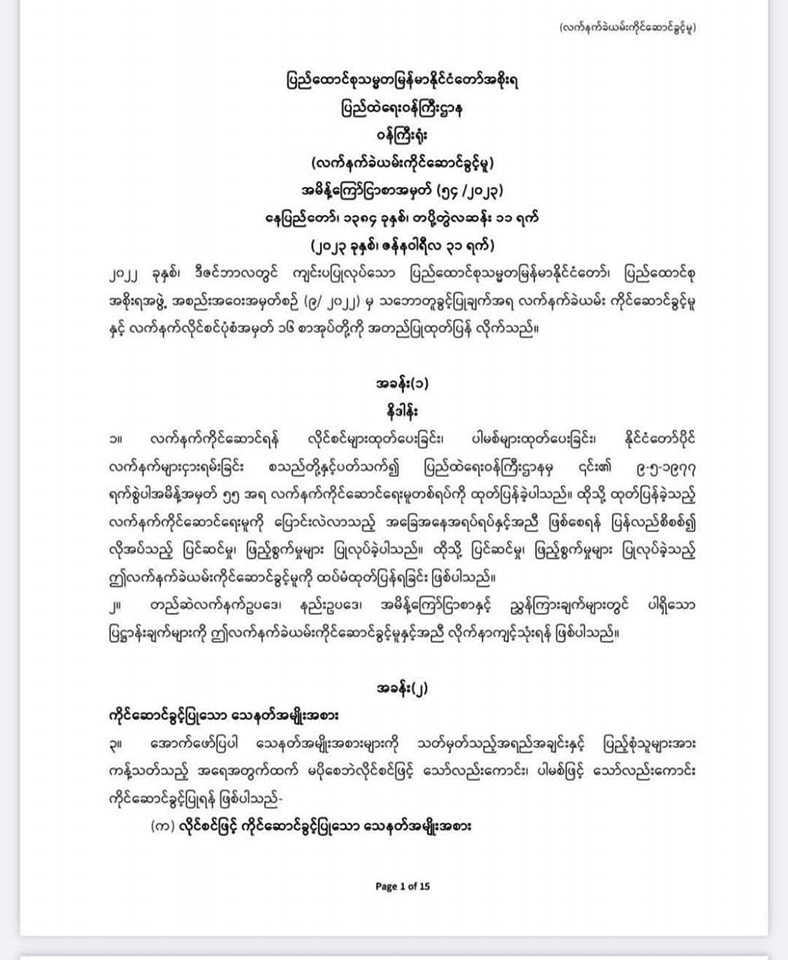
The new gun license law
Applicants to carry guns are required to be local to the government and individuals who need to carry guns for security reasons.
Such laws should be enacted for self-defence and there were such laws enacted in Myanmar in the past, Political Observer Dr Aung Myo told the CNI.
He told the CNI, "Under the previous law, no one was permitted to carry any weapons including short knives for self-defence. Now, the new law permits us to carry guns for self-defence. If we do not have any weapons to protect ourselves, unscrupulous persons can attack us.
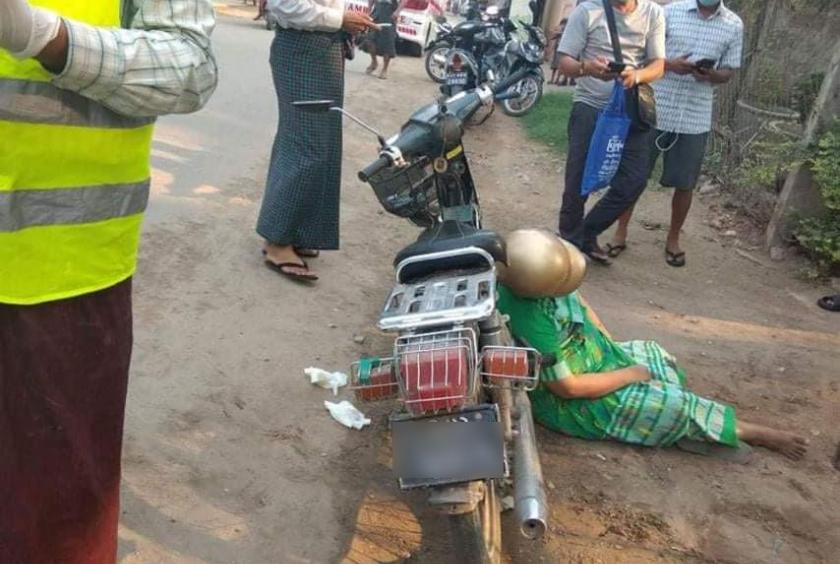
The body of Pakokku township education officer after being assassinated on 5th April, 2022
When we have guns, they will not be able to kill us at will. So, I welcome the law. It is not new and people were permitted to carry guns before 1988."
He added that the new law will strengthen the rule of law and the public will be able to protect themselves.
Armed conflicts have raged in Myanmar and destruction of houses and buildings, shooting and assassinations have taken place on a daily basis.
- By CNI
- Category: English Section
- Hits: 985
CNI News
15 Feb 2023
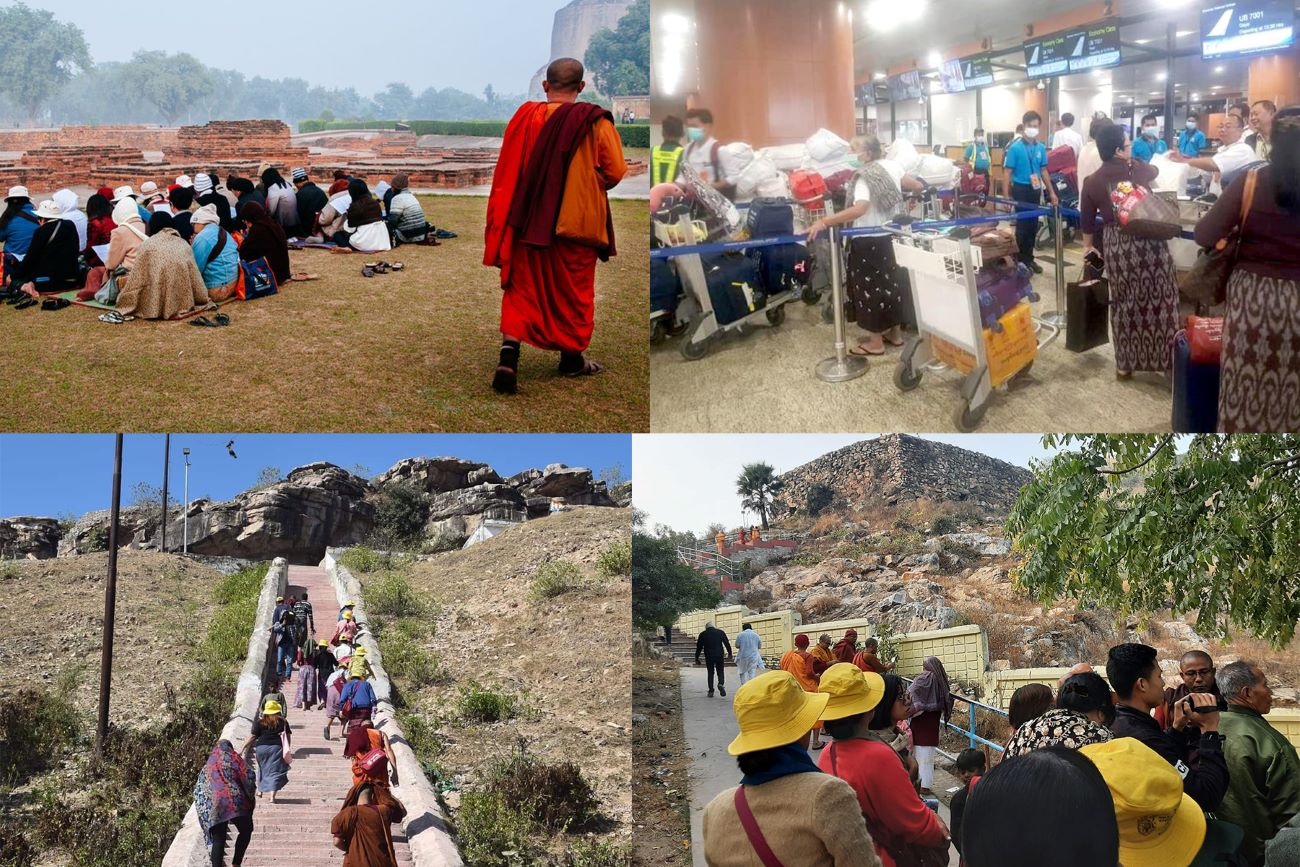
As the tour season to Bodh Gaya starts in October and concludes at the end of March, issuing passports for Bodh Gaya pilgrims will be suspended at the end of the month, Chairman U Naung Naung Han of the Myanmar Tourism Entrepreneurs Association told the CNI.
Tour operations to Bodh Gaya were suspended due to COVID-19 and resumed in November 2022. Passports are issued for the pilgrims with the recommendation of the Ministry of Religious Affairs by the Ministry of Home Affairs, he added.
He told the CNI, "There is a committee for scrutinizing pilgrims to Bodh Gaya under the Ministry of Religious Affairs. Tour companies arranged with the committee to issue recommendations for passport applications even before the pilgrim tour season in August or September.
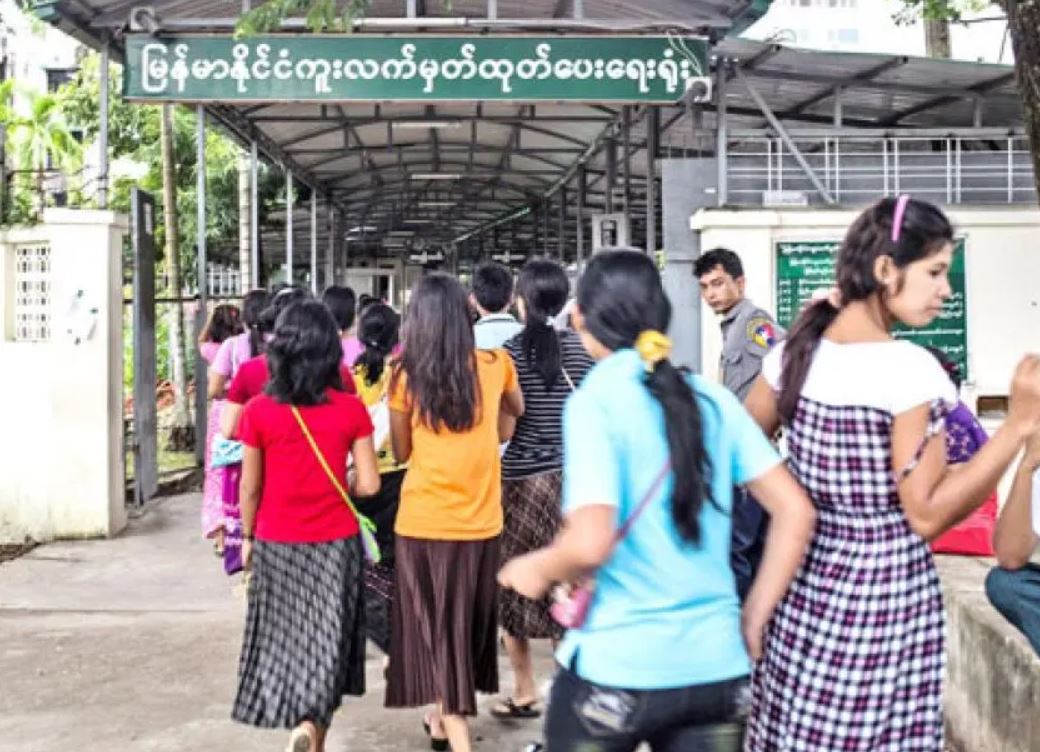
A passport office
As the pilgrim tour season is concluding next month, authorities are planning to suspend issuing passports for pilgrims."
Issuing passports has been suspended for an unlimited period in the entire country since December, 2022. However, it continues to issue passports for pilgrims for the three-day and two night trips.
Pilgrims who have received passports to Bodh Gaya are required to travel to the destination without fail, an official from a tour agency told the CNI.
She said, "We have to submit the lists of pilgrims to the immigration department at the airport and send photographs of their passports with their photos to the religious affairs department when they arrive in Bodh Gaya. Our company will be blacklisted if someone makes something wrong after receiving the passport.
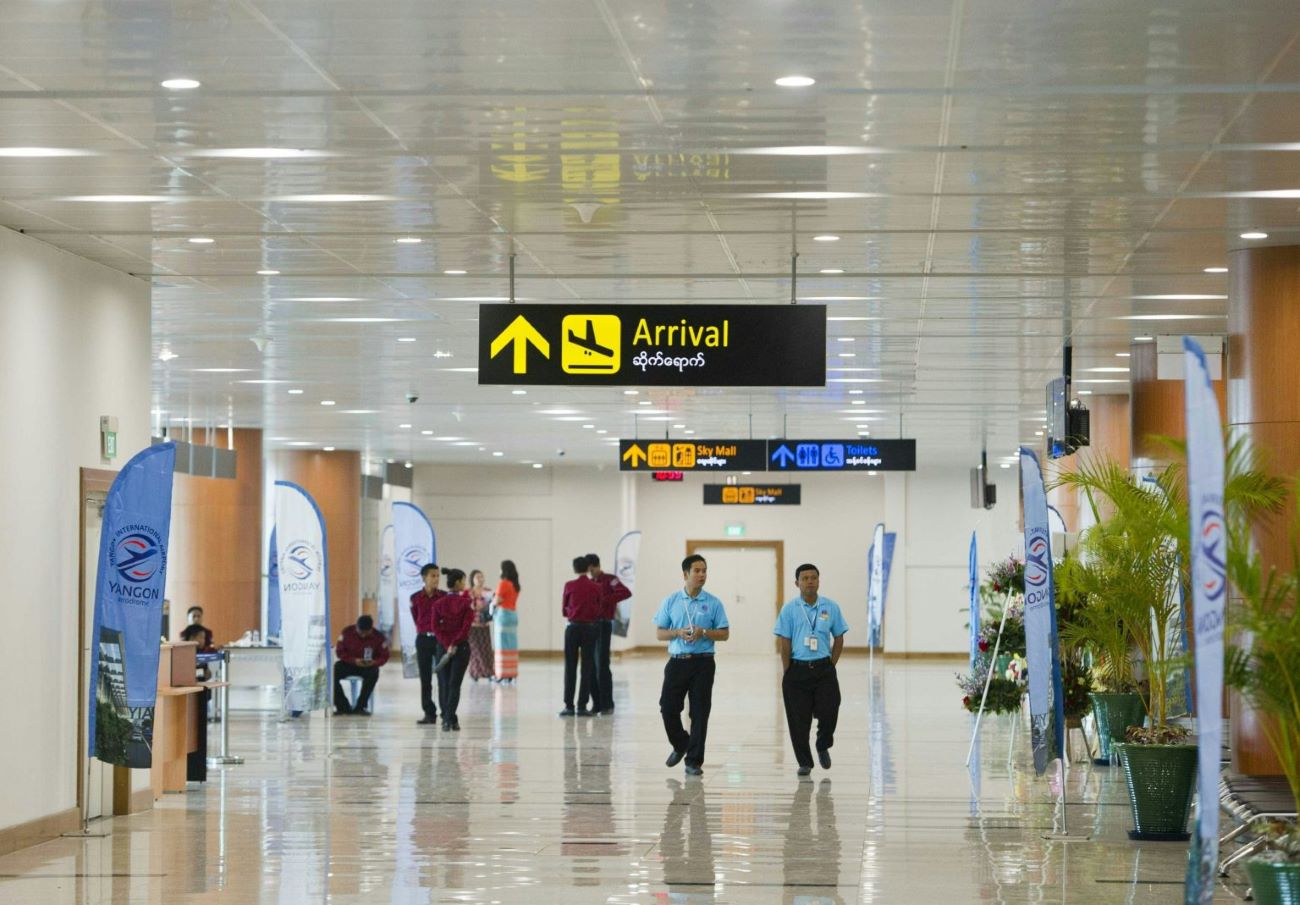
Yangon International Airport
It costs pilgrims about US$ 1,000 (MMK 3 million) to travel to Bodh Gaya for a week and about US$ 500 (MMK 1.5 million) to visit there for three days, according to the MTEA.
Two airlines are operating five flights a week to Bodh Gaya and about 600 pilgrims are travelling to Bodh Gaya a week.
Before the pandemic, about 30,000 pilgrims visited Bodh Gaya a year and only about 15,000 pilgrims will be able to visit there this year, according to the association.

- By CNI
- Category: English Section
- Hits: 1033
CNI News
15 Feb 2023
A new export earning policy for rice and broken rice through border trade has been announced, according to rice merchants.
Exporters are required to sell 65 percent of their earnings at the designated price of the central bank of Myanmar within one working day and remaining 35 percent of the earnings have been allowed to be kept by merchants, according to merchants.
Previously, the policy was adopted only for mercantile trade of rice and broken rice and has now been expanded to the border trade.
The policy will affect rice exports through border trade and rice merchants will have to export rice and broken rice only after thoroughly calculating the prices, an official from Myanmar Rice Merchants Association told the CNI.
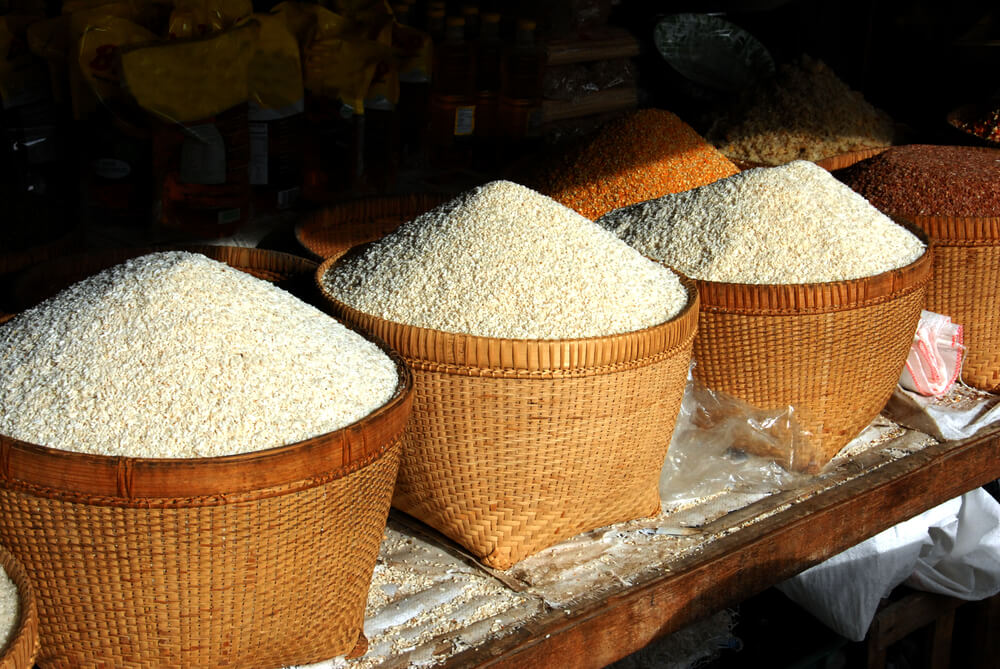
A rice shop
He said, "Border traders export rice in Yuan and Baht. As they can keep their earnings, it is profitable for them. Now, they won't be as profitable as before and rice exports from borders will decrease. The policy has been adopted in the mercantile trade since June or July. It has been rumoured that the policy would be adopted in the border trade. Now, it has been officially announced. Exporters will have to trade rice carefully because they are forced to sell 65 percent of their earnings at the designated price of the central bank. They can sell only 35 percent of their earnings at the market prices."
The policy was adopted only for other export items except rice and broken rice.
As the new policy will take effect on 1st March, traders are exporting as much rice and broken rices as they can before the deadline and have stopped buying rice and broken rice in the domestic market, according to border traders.
In the border trade with China, the market exchange rate for Yuan stood at MMK 426 but the central bank rate for Yuan was set as MMK 308 and traders are likely to suffer MMK 10,000 per bag losses, Vice Chairman U Min Thein of Muse Rice Exchange told the CNI.
He said, "The new poicy will take effect at the end of the month. Before the end of the month, trader are allowed to keep their export earnings by themselves. When they exchange their export earning into the Kyat, they will get MMK 426 for one Yuan. When the new policy takes effect, they will get only MMK 308 per Yuan for 65 percent of their Yuan earnings. They will suffer MMK 10,000 losses per bag. So, they are trying to export as much rice and broken rice as they can before the end of the month and have stopped buying rice in the domestic market."
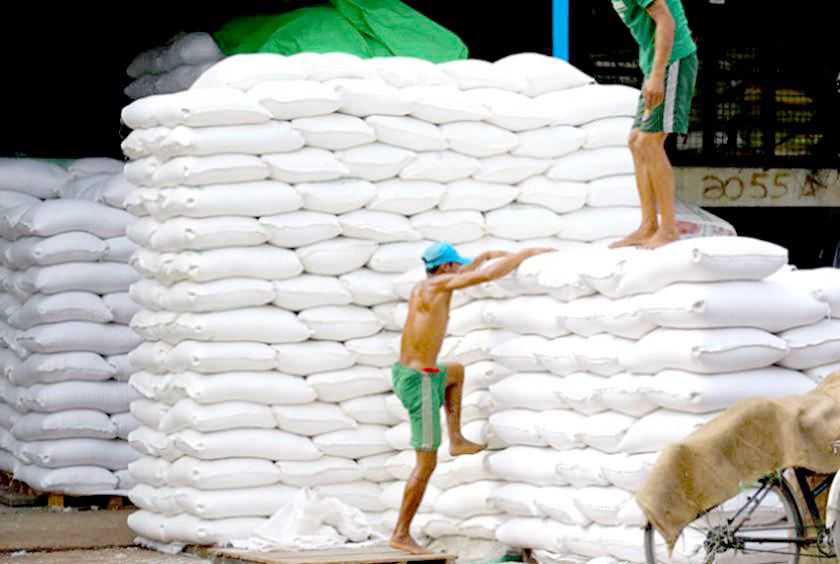
Workers preparing to load rice bags
As exporters are likely to suffer losses, they may try to buy rice from farmers at lower prices but it is unclear whether farmers can sell their rice at the prices they offer, Secretary U Than Oo of Bayintnaung Commodity Exchange told the CNI.
He said, "Merchants will have to lower their buying prices of rice as it is not profitable but we will have to watch closely whether farmers can sell rice to them at their buying prices. As farmers will harvest their summer paddy in April, it is still difficult to predict the situation."
Although the Central Bank of Myanmar sets the US$ exchange rate at MMK 2,100 per dollar, market exchange rates have hit MMK 2,800 per dollar.
Due to the exchange rate gap of about MMK 700 per dollar, exporters will have to lower the buying prices of rice and rice prices are likely to fall, according to some observers.
- By CNI
- Category: English Section
- Hits: 871
CNI News
15 Feb 2023
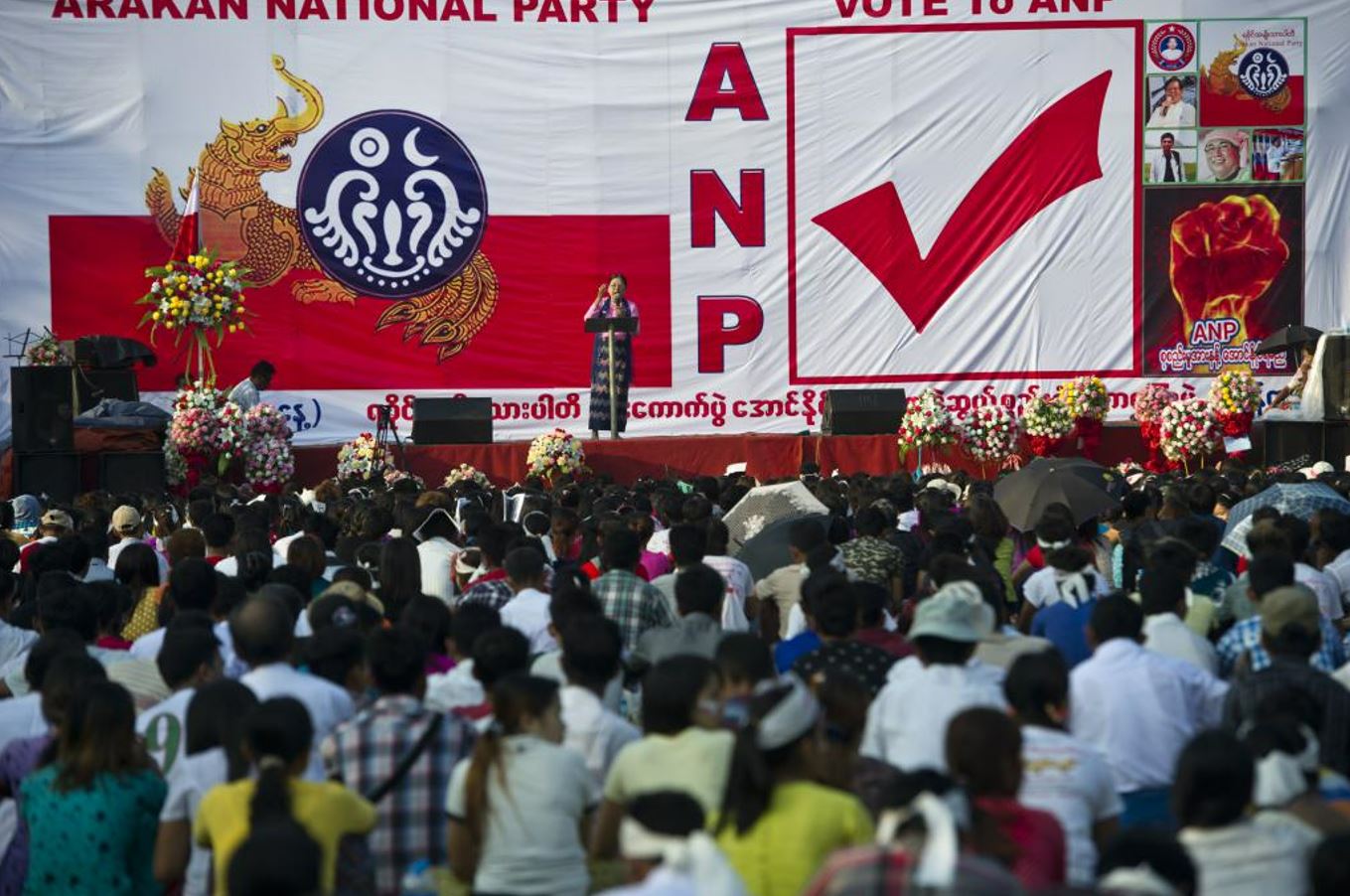
Although the political parties registration law and rules have been announced, the Arakan National Party is still undecided over the types of registration, Chairman U Thar Tun Aung of the ANP told the CNI.
The ANP was registered as a party to contest elections in the entire country but it has failed to meet the requirements under the new political parties registration law, he added.
He said, "The new law implies that all ethnic groups except the Bamar are not allowed to contest elections in the entire country. As a result, we have not decided over the types of registration we will choose so far."
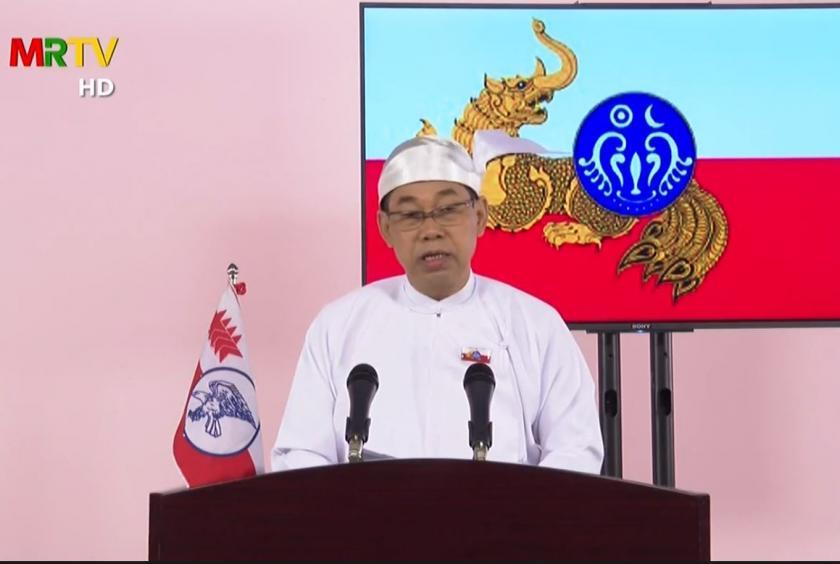
U Thar Tun Hla
He added that his party opened offices in Rakhine State, Paletwa Township in Chin State, Ayeyarwady and Yangon regions but the number of offices still failed to meet the requirements under the new law.
The new law and rules pose difficulties for the Mon Unity Party as the party contested elections in Mon State, Kayin State, Tanintharyi Region and Yangon Region, an official from the party told the CNI in early February.
A political party registered for a particular state or region are not allowed to contest elections in other states or regions, the Union Election Commission told the CNI.
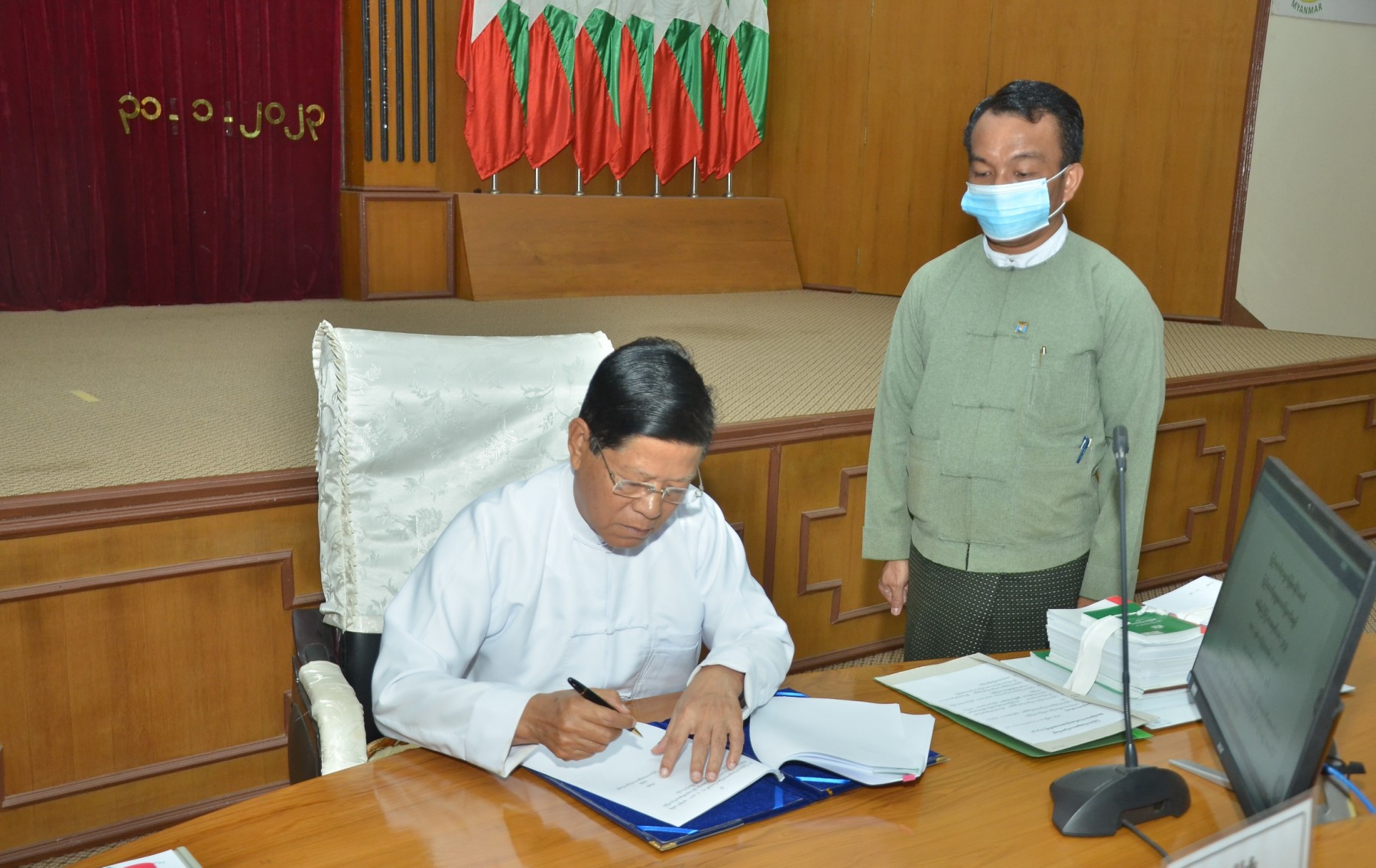
UEC Chairman U Thein Soe signed the political parties registration law.
As the country was under extraordinary circumstances, such new laws and rules should not have been enacted, he added.
He said, "It was not time to enact the law. The entity that enacted the law admitted that the country was under extraordinary circumstances. So, it was not time to enact new laws."
Under the new law, existing political parties are required to re-register within 60 days after the enactment of the law and rules and those who fail to do so will cease to exist spontaneously, the SAC announced on 31st January, 2023.
Page 291 of 358
Connect with us