
CNI News
4 July 2026
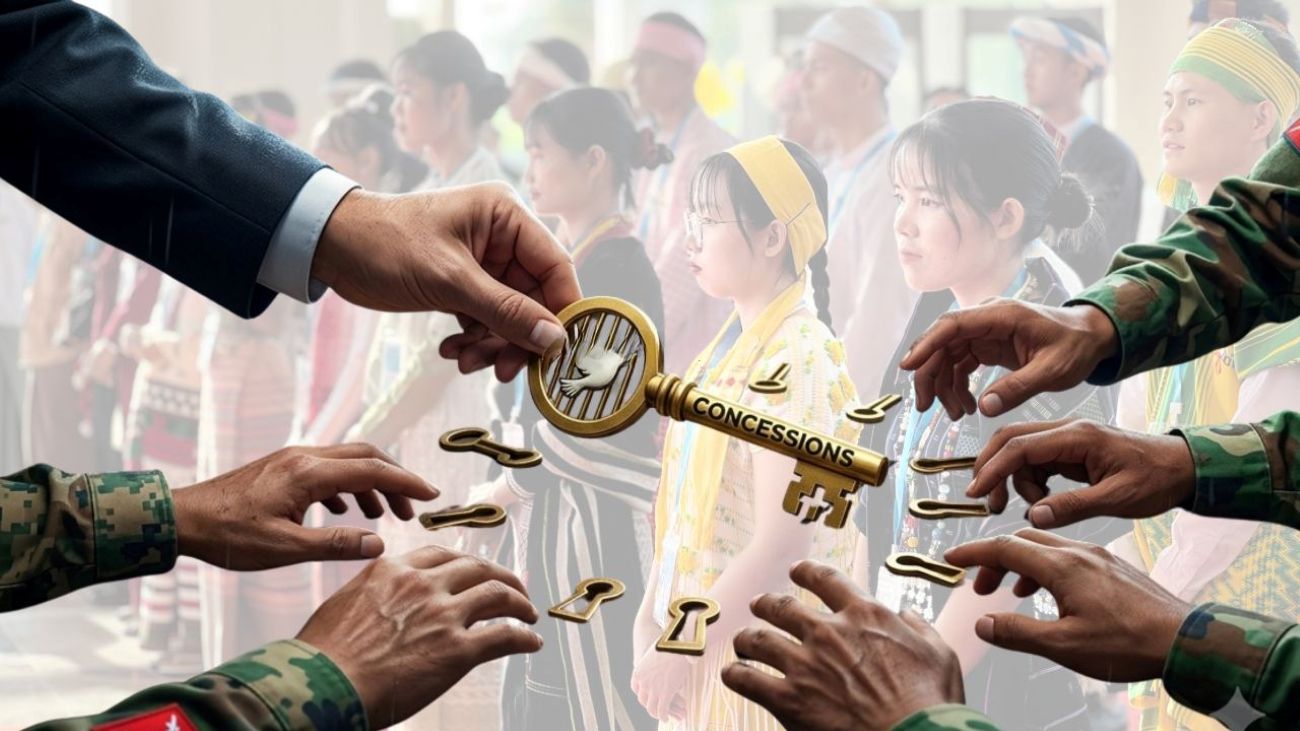
In Myanmar’s peace process, achieving lasting peace will be impossible if the government merely focuses on coaxing Ethnic Armed Organizations (EAOs) and granting them privileges, according to U Li Paw Reh, Chairman of the Lisu National Development Party (Dulei Party), in an interview with CNI News.
He emphasized that the true key to peace lies in the extent to which the government grants rights and opportunities to the local indigenous people within their respective regions.
U Li Paw Yeh stated: "If the central government prioritizes helping and granting rights to the local indigenous people, they will no longer hold grievances or negative views toward the Union Government. Once that mindset shifts, peace will inevitably follow, sooner or later. On the other hand, if we are just coaxing armed organizations and giving them privileges, peace cannot be achieved through those actions alone; it’s simply impossible. Therefore, the crucial factor is the extent to which the state government grants rights, recognition, and rewards to our local indigenous people. That part is absolutely vital."
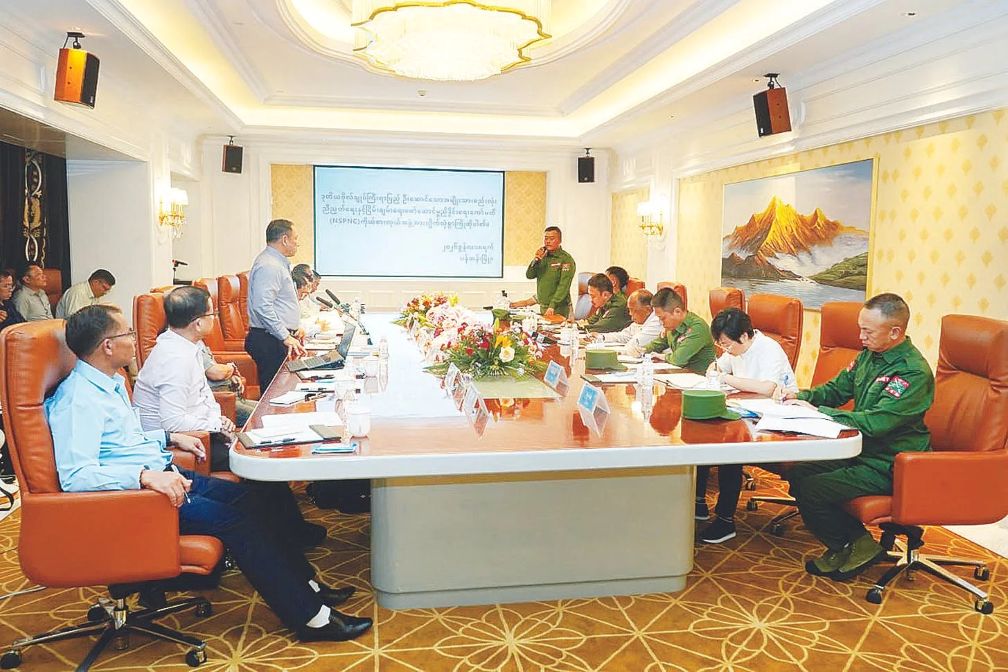
A meeting between the UWSA and the NSPNC
Military and political analysts pointed out that successive central governments have traditionally defined "granting rights" as building roads, constructing schools, or offering certain business concessions for local development in ethnic areas.
However, analysts assess that such measures do not bring about genuine peace. They argue that what ethnic minorities are demanding is not charity or minor privileges handed down by the government, but rather a federal system with self-determination, allowing them to shape their own destiny.
Furthermore, analysts believe that any rights granted by a government lack legal security unless they are constitutionally guaranteed. Without such backing, those rights could be revoked at any time by a new incoming government or due to policy shifts. Therefore, they emphasize that any rights granted by the government must be firmly embedded within the constitution.
Meanwhile, Colonel Khun Okkar, Chairman of the Pa-O National Liberation Organization (PNLO-NCA/S), told CNI News that as long as the door for peace dialogue remains open, pursuing demands through negotiation is the path that minimizes casualties and losses.
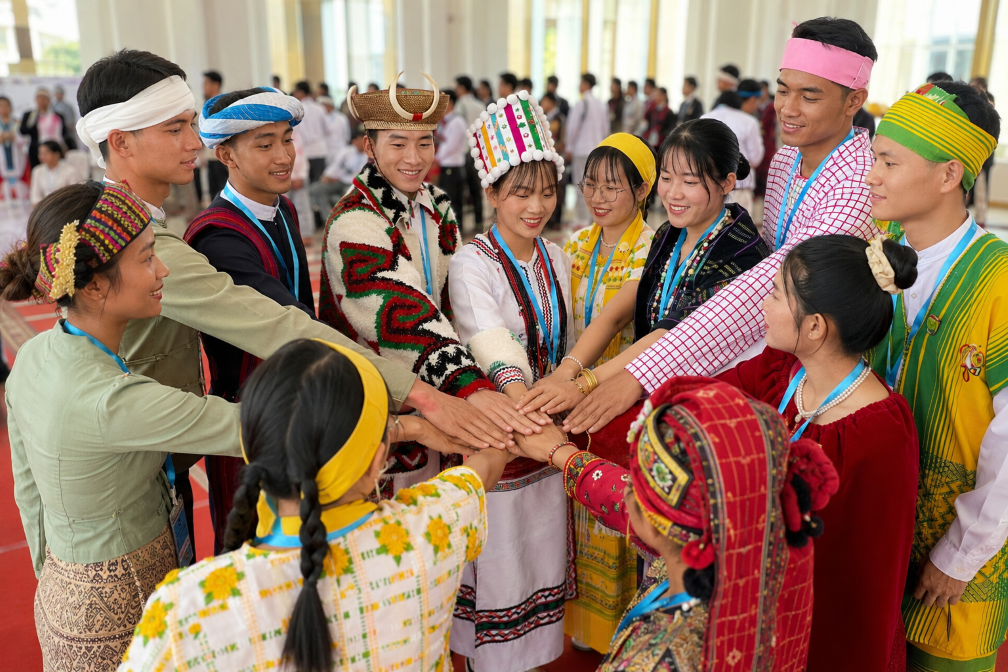
Ethnic youths
Colonel Khun Okkar stated: "Local indigenous people and ethnic armed groups are essentially the same; there isn't much difference between them. Therefore, ethnic armed groups should secure the rights of local indigenous people through dialogue and political solutions, as the ultimate goal of obtaining ethnic rights is identical—whether you fight with weapons or negotiate through politics. However, if the door to dialogue is still open, choosing the path of discussion and seeking solutions results in far less damage and loss. If the door to dialogue is shut, demands are made through arms. But based on our experience, we know that when the door to dialogue is open, we can successfully make demands and negotiate."
Military and political analysts highlighted a critical divide: while local populations suffer the worst consequences of armed conflict, EAOs remain central to maintaining the balance of power and securing a seat at political negotiation tables.
Analysts further observed that EAOs tend to prioritize political power-sharing, territorial control, and administrative mechanisms. In contrast, local indigenous communities primarily desire:
Agricultural development and land ownership rights. Stable livelihoods and economic security. Family safety and complete protection from the dangers of armed conflict.