
CNI News
May 13, 2026
Military and political observers are analyzing how negotiations between the government and Ethnic Armed Organizations (EAOs) can be effectively conducted, given the current political and military landscape under the government led by President U Min Aung Hlaing.
Currently, intense fighting is occurring between the Myanmar military and various armed groups, leaving the peace process in a state where it cannot be implemented. Recently, according to the 7 EAO Alliance, the National Solidarity and Peacemaking Negotiation Committee (NSPNC) sent invitation letters to the NCA signatories and individuals who participated in the original signing of the Nationwide Ceasefire Agreement (NCA) to engage in peace talks.
U Khun Sai, a veteran of the peace process, told CNI News that to achieve peace, an informal dialogue must first be initiated to reach a common consensus. He suggested that the roadmap used during the 2011 peace process could be reused with some adjustments.
"To negotiate now, we should return to the model we started in 2011, though we'll need to refine it. In 2011, when the government invited EAOs to Nay Pyi Taw, they didn't go. Instead, representatives met at the Thai border. They started with informal talks. Once trust was established, they moved inside the country to sign bilateral ceasefire agreements. After that, they agreed to engage in political dialogue."
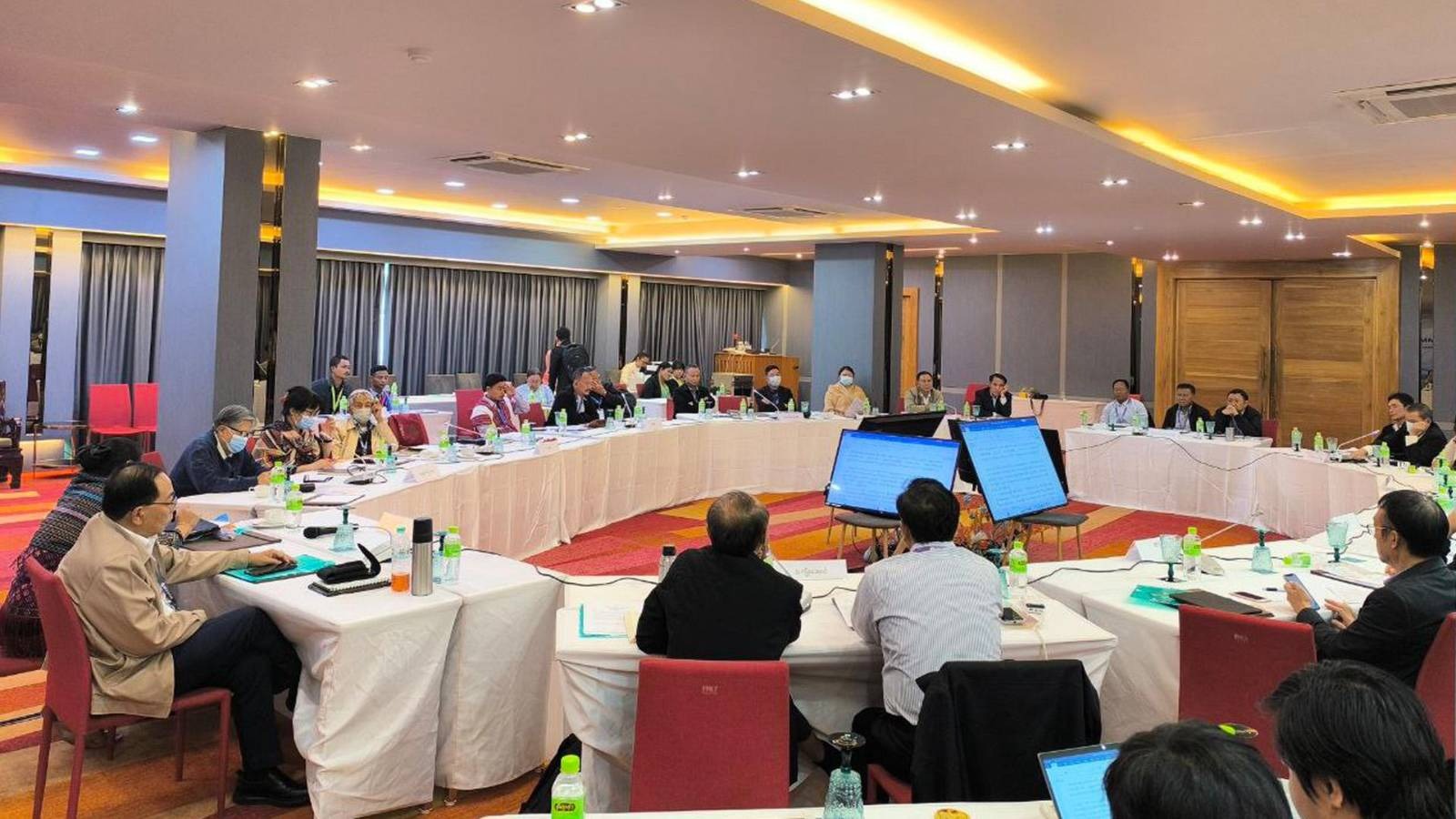
Armed groups during a discussion.
U Khun Sai added that EAOs then collectively drafted their common positions and desires to present to the government. The government then negotiated based on those principles, eventually leading to the NCA. He noted that while details may differ today because "times have completely changed," the priority remains for all EAOs to meet and establish a shared position through informal talks.
Between 2011 and 2012, under President U Thein Sein’s administration, state-level and union-level bilateral ceasefire agreements were signed with 14 ethnic armed groups. Discussions for the NCA began in 2013, and a draft was finalized in August 2015.
October 15, 2015: The NCA was signed by the KNU, RCSS, ALP, DKBA, KNU/KNLA-PC, PNLO, CNF, and ABSDF.
February 13, 2018: The NMSP and LDU joined the agreement.
A political analyst told CNI News that the government should approach peace talks by grounding them in the Federal System that ethnic groups accept. He criticized the current approach as being "un-federal" in practice.
"They say they accept a Democratic Federal System, but their practical demands and views don't align with federalism; they look more like the framework of the 2008 Constitution. For example, in a federal country, the military must be composed of all ethnic groups and its duty must be to defend against external threats."
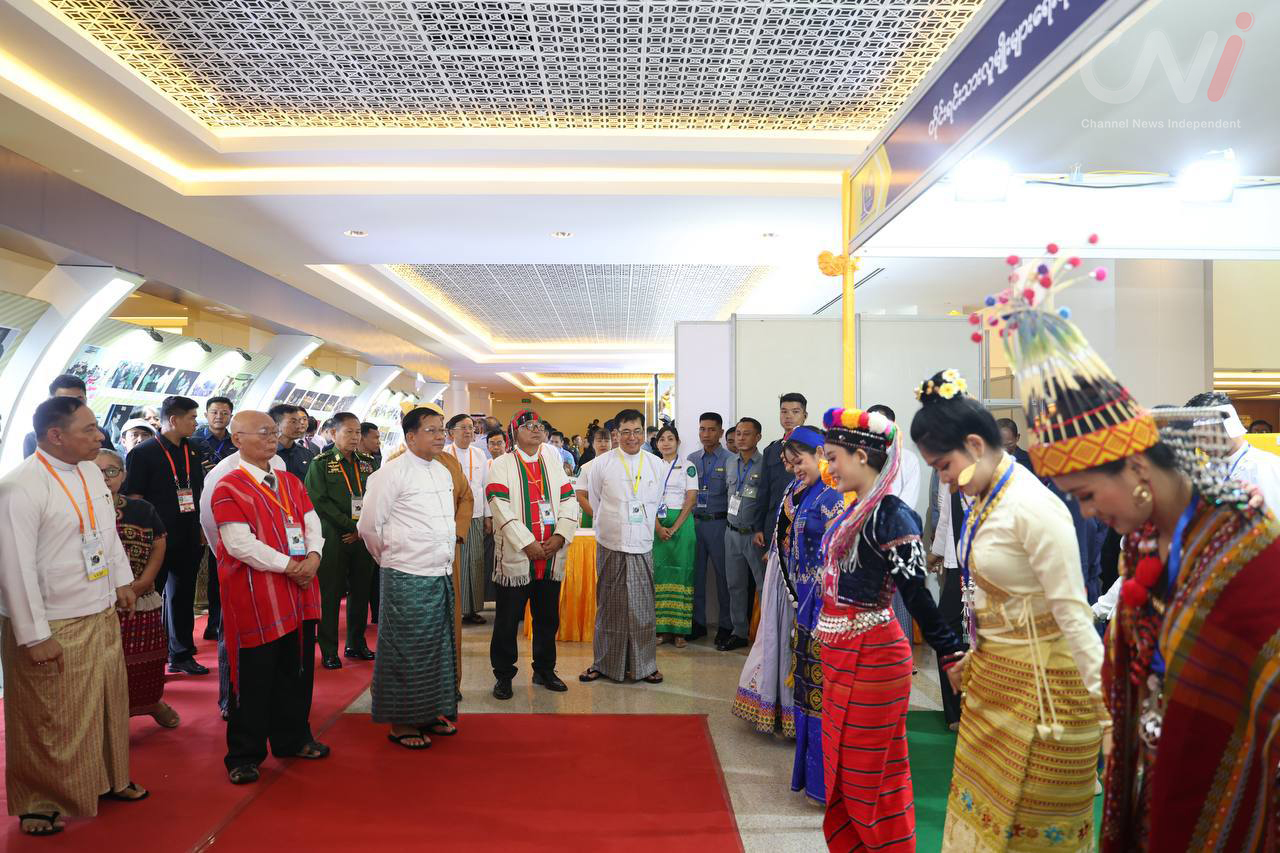
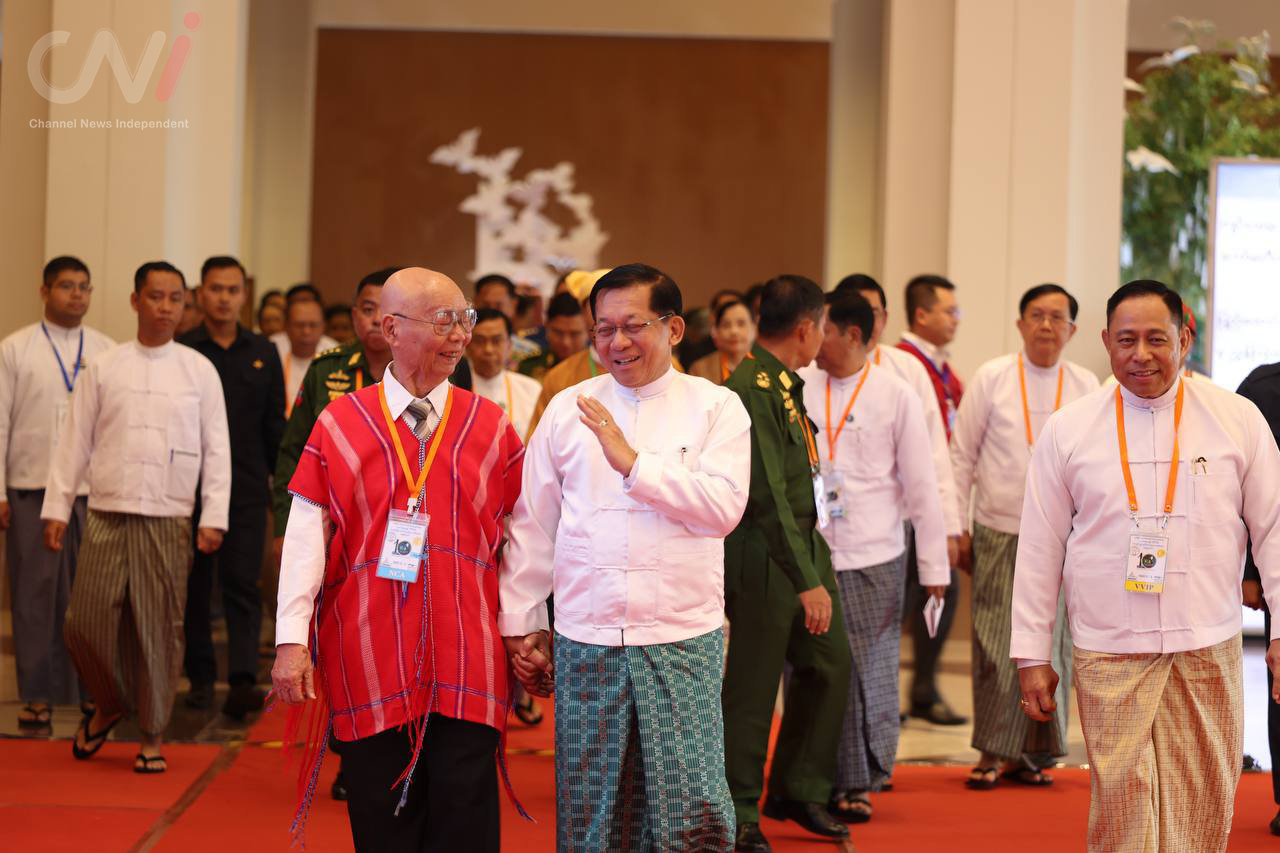
President U Min Aung Hlaing and the former Chairman of the KNU.
The analyst pointed out that starting negotiations by demanding to return to pre-2023 military positions creates a deadlock. Instead, he suggested: Discussing how to build a single Union Army that includes everyone.
Focusing on how to share power and responsibilities.
Addressing the Self-Determination and Federalism that groups like the KIA and AA are striving for.
The analyst further stated that agreements can only be reached after first clarifying the stance on federalism.
"The problem is whether the federal system is truly accepted. Groups that signed the NCA have stated they accept it. The KIA also has an accepting stance. However, we need to clarify whether the AA accepts 'Federalism,' as they have been using the term 'Confederation.' That must be discussed first."
Political observers conclude that unless the root causes of the conflict—such as political convictions, historical backgrounds, and ideological disputes—are addressed, the peace process will remain ineffective.