
CNI News
May 7, 2026
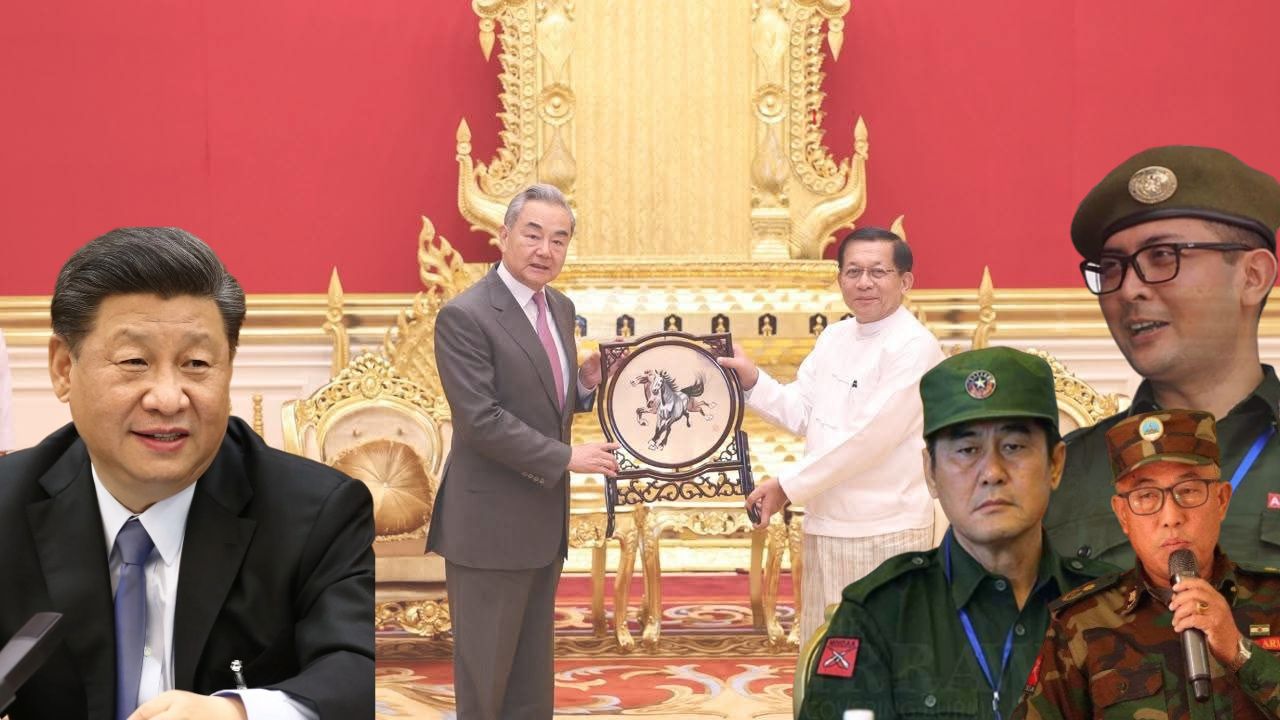
Military and political observers are closely monitoring whether the "Three Northern Alliance"—comprising the MNDAA, TNLA, and AA—will move toward peace due to pressure from China amid the political and military landscape under the government led by President U Min Aung Hlaing.
On April 20-21, 2026, President U Min Aung Hlaing issued an invitation to both signatories of the Nationwide Ceasefire Agreement (NCA) and non-signatory groups to engage in peace talks by a deadline of July 31. This invitation also extended to groups like the KNU, CNF, and ABSDF, who have not met with the government for five years despite being NCA signatories.
Currently, China is mediating to stop the fighting between the Myanmar military and the Three Northern Alliance in northern Shan State. Additionally, China is reportedly pressuring the alliance to return control of towns along the Myanmar-China trade routes to the Myanmar military.
Political analyst Dr. Aung Myo told CNI News that for the MNDAA, AA, and TNLA to enter the peace process, the government must apply military pressure; otherwise, progress is unlikely.
"It’s not very likely (that they will join the peace process) unless there is military pressure from this side. Without it, they will just drag their feet, making various excuses to avoid the peace path. The state needs to achieve significant military success. The AA now controls the coastline. There are those, including Western powers and Singapore, who do not want China to have this global shortcut. Therefore, we cannot say they will obey everything China says. Similarly, due to religious backgrounds and natural resources, if China doesn't take KIA's resources, India will. So, they won't follow China's word entirely without military pressure," he said.
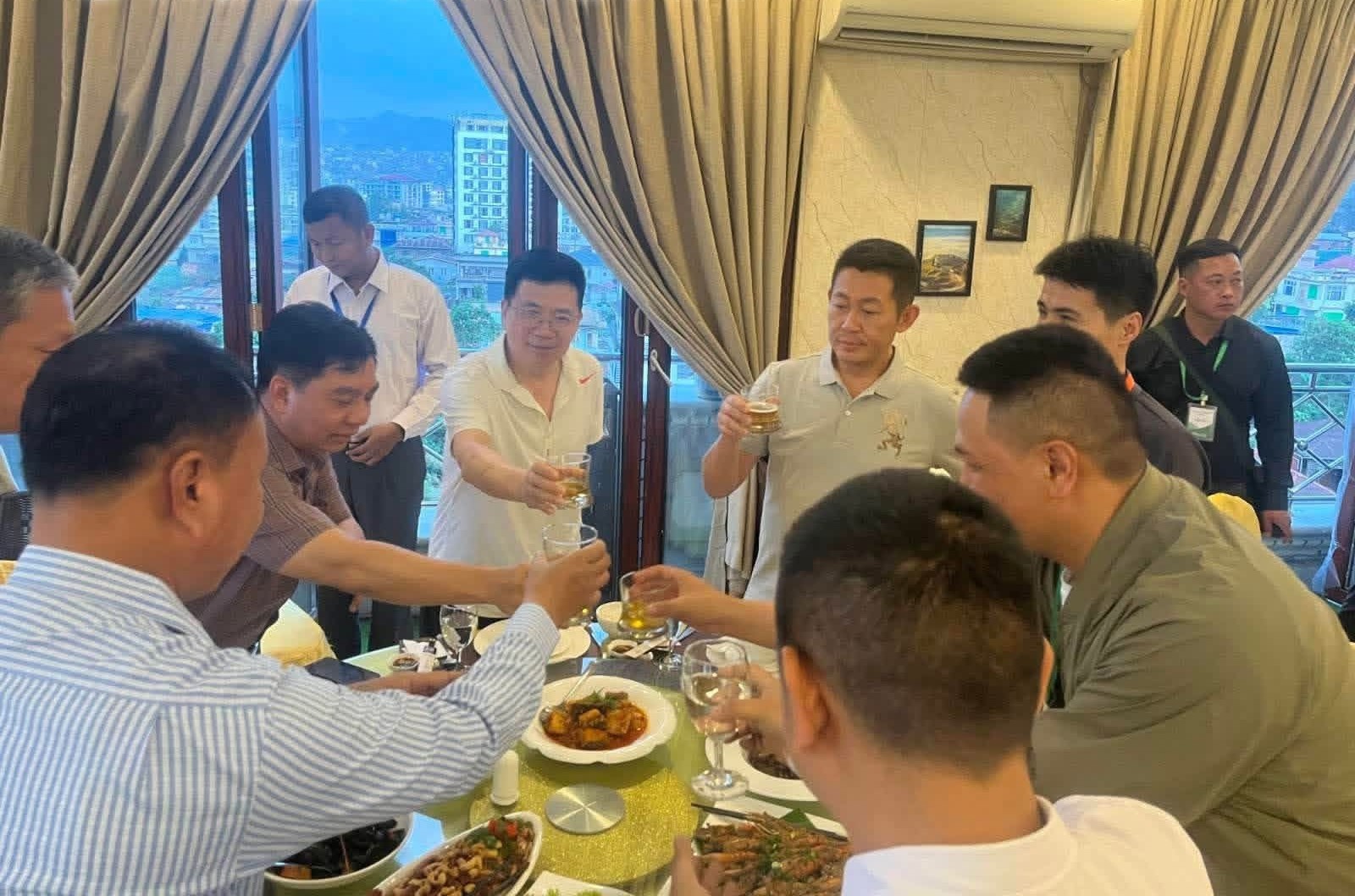
Representatives from China, the Myanmar military, and the MNDAA.
Currently, the KIA is providing weapons, ammunition, military training, and sanctuary to Spring Revolution forces, while also supporting joint operations in Sagaing Region and Kachin State. Dr. Aung Myo further noted that while China pressures ethnic armed groups, China itself faces counter-pressure from the KIA.
"China has influence, but it also faces pressure from the KIA because the KIA possesses resources China wants. Historically, the KIA has never been subservient to China. Being a Baptist Christian-based organization, their ideology is worlds apart from the atheistic Communists; they only cooperate based on linked interests. The same applies to the AA. Since the AA does not share a border with China, China's influence over them is limited. China will have to rely primarily on the MNDAA," he added.
Military and political analysts point out that the KIA is playing a strategic game between Western nations and China. If Western influence grows, China may no longer be able to control the KIA, as the group does not intend to be blindly obedient.
Dr. Kyaw Swe, a former Pyithu Hluttaw representative from the National Unity Party (NUP), told CNI News that while the northern groups might eventually come to the table, it would be extremely difficult for the AA to do so.
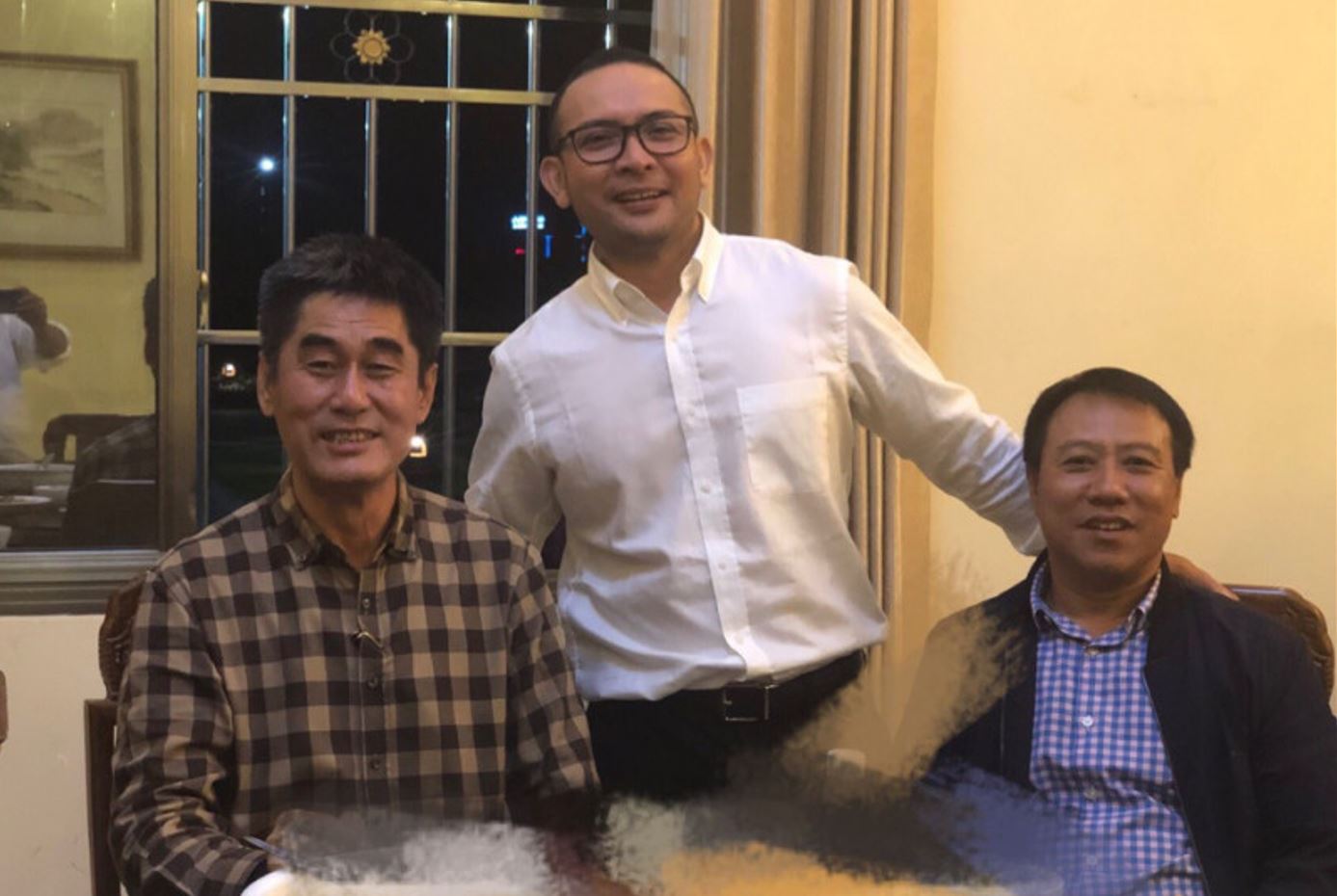
Leaders of the Three Northern Alliance.
"We believe the three northern allies will arrive at the peace table. China desperately needs the trade routes in Myanmar to open for Yunnan Province's supply chain. Because of this urgent need, China is indeed pressuring the armed groups obstructing these routes. Since this pressure is effective, we believe they will show up. However, the AA has now reached its home base in Rakhine State. In reality, the AA is like an 'adopted son' of the KIA. If the KIA's supply lines remain open, the AA won't rely on China. Furthermore, the AA is opening communication lines along the Bangladesh border and looking toward the West, not China. Thus, it will be very difficult for the AA to participate in peace negotiations," he said.
In Rakhine State, intense battles for control of towns between the AA and the military have lasted over two years since November 2023. The AA currently controls 14 townships, while the military maintains control over Sittwe, Manaung, and Kyaukphyu.
Analysts emphasize that the peace process will remain ineffective as long as the root causes of the conflict—such as political convictions, historical backgrounds, and ideological disputes—are not addressed. Currently, the Myanmar military is holding separate individual discussions with each of the three northern alliance members (MNDAA, AA, and TNLA).