
CNI News
May 6, 2026
Military and political analysts are weighing in on how China might exploit the Kokant force (MNDAA) in northern Shan State, Myanmar, to further its own interests.
The Chinese government wields significant influence over the "Wa" army (UWSA) and the Northern Alliance (AA-TNLA-MNDAA) operating in northern Shan State, possessing the power to control and deploy them as needed.
Political analyst Dr. Aung Myo told CNI News that it is necessary to assess how much China can utilize the MNDAA compared to the UWSA, noting that the MNDAA's own stance is a factor to consider.
"China cannot oppress the MNDAA too much. On one hand, China has to prioritize Chinese nationalism. It will likely encourage the MNDAA. On the other hand, the current Tatmadaw and the Myanmar government cannot simply give away Kutkai, Hsenwi, and Namhkam to the MNDAA under the Constitution. Hardliners (within the government and military) would want to reclaim Kunlong and Hopang. They might accept the MNDAA staying in Laukkai, where they were originally based. So, the question is how much China can use them," Dr. Aung Myo said.
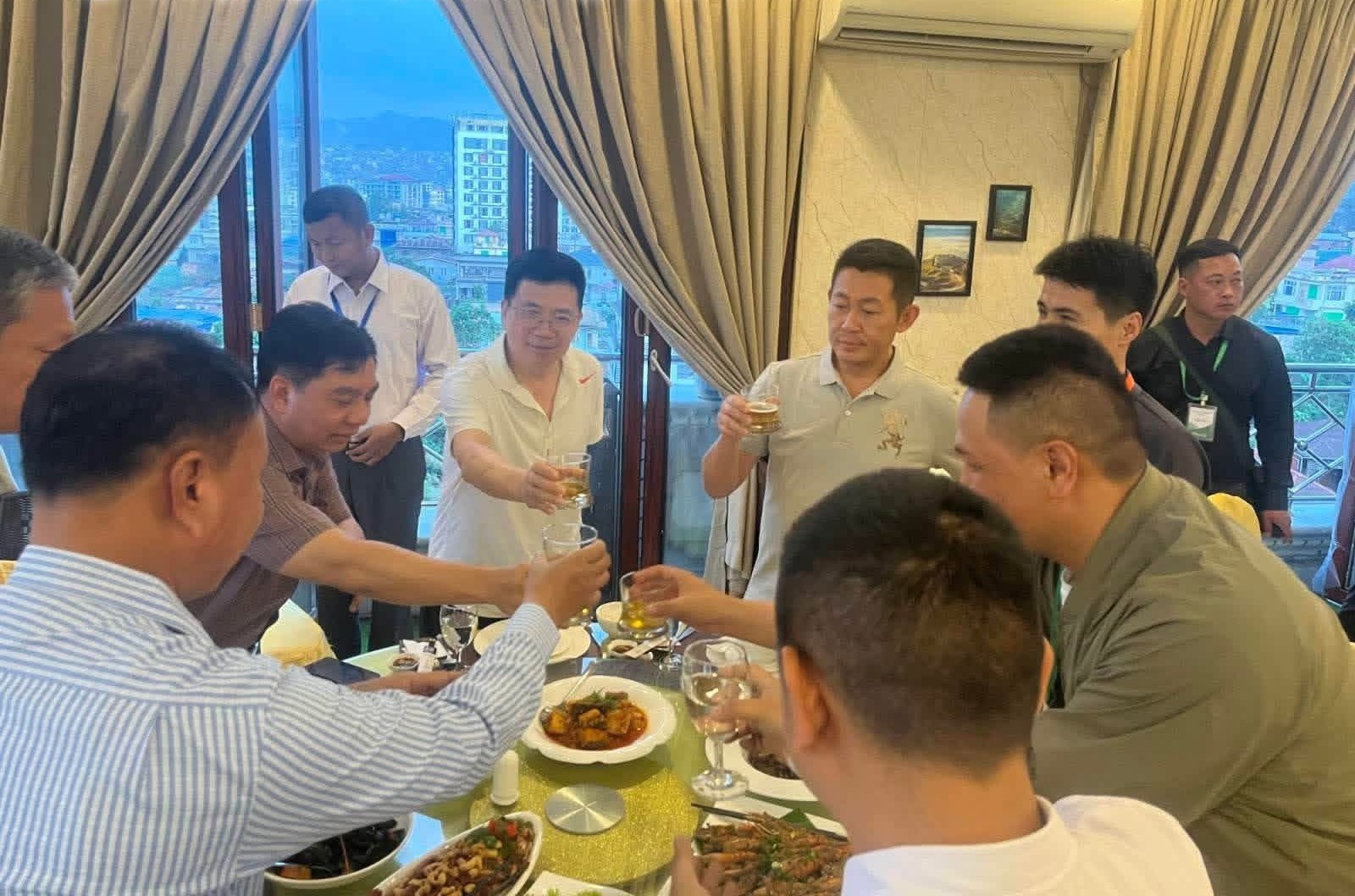
Chinese Special Envoy Deng Xijun, Myanmar Military Representative Lt-Gen Ko Ko Oo, and MNDAA representatives.
He added that while the MNDAA has Chinese nationalist "backups," it remains to be seen how they will maintain relations with Myanmar without causing a rift, and to what extent they will follow China's lead. He also noted that Taiwan's alleged involvement complicates the situation. "If China puts too much pressure on them, it might hurt Chinese nationalism. China has to play its cards, just as Myanmar does. A recent gain is that the MNDAA has removed outposts previously held by the TNLA on the main road," he said.
Since February 13, 2026, disputes over territorial administration have occurred between the Ta'ang National Liberation Army (TNLA) and the MNDAA in Kutkai Township.
Analysts point out that while some claim China is not behind the MNDAA-TNLA conflict, it is actually a result of Chinese influence. They argue that while China wishes for peace in Myanmar, it is simultaneously "playing" the country for its own ends.
Dr. Aung Myo further stated that the Chinese government is pushing for a specific political model in Myanmar.
"China's role is primarily economic. It will focus on the economic sector to achieve its goals. Furthermore, it is pressuring for a political model it desires. Its influence depends on two factors: its pressure on the Myanmar government and its leverage over the MNDAA. This is a political cause stemming from economic interests. China will support the current government to prevent it from collapsing, but we must see how much it can influence the MNDAA regarding the territories they have seized. Will China stop the MNDAA from holding these areas or encourage them? It depends on two things: economic goals like the Indian Ocean rail outlet and the Myitsone Dam for energy. To achieve these, China might push for a 'One Country, Two Systems' political framework," he explained.
The MNDAA, AA, and TNLA launched the first wave of "Operation 1027" on October 27, 2023, and a second wave in June 2024.
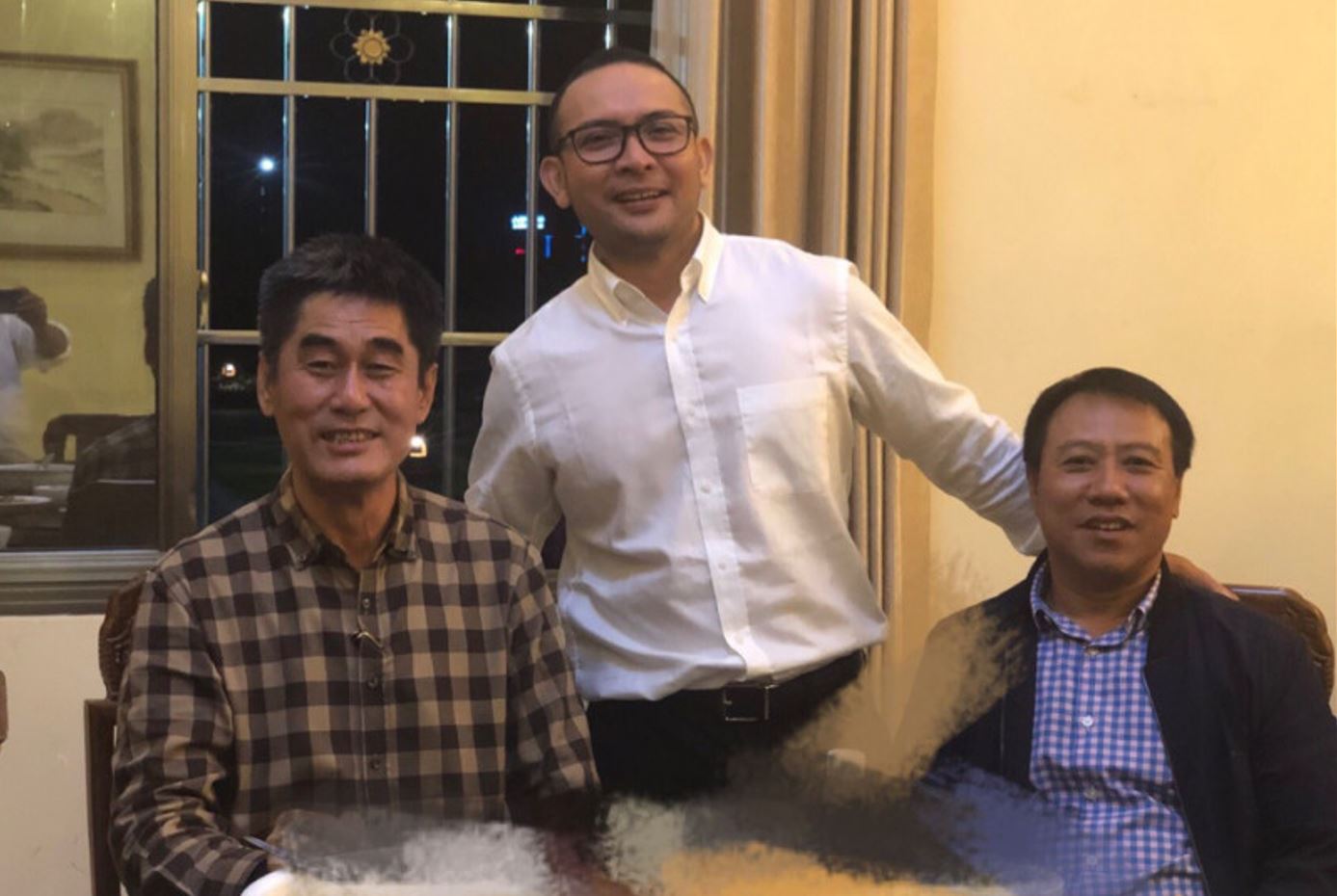
Leaders of the MNDAA, TNLA, and AA.
Dr. Nyo Nyo Thinn, founder of the Yangon Watch group, told CNI News that China is likely to continue intervening in Myanmar's internal affairs by using its influence over ethnic armed groups to serve its interests.
"China is more involved in Myanmar's affairs now than under previous governments. Myanmar needs to engage with caution. We cannot ignore them as they are a powerful neighbor, but we must prioritize the rule of law and formalize all agreements with written contracts. The MNDAA is the clearest example, but China has varying degrees of influence over other groups too. It appears China will continue using its power to intervene and extract as much benefit as possible from Myanmar. Myanmar authorities must work with China through strict contracts and commitments. We must be clever—ensure it's a win-win where they get their interests but we don't suffer," she said.
Currently, the government led by President U Min Aung Hlaing has invited ethnic armed organizations to hold peace talks by a deadline of July 31, 2026.
Meanwhile, discussions are underway with China to reopen border trade routes. President U Min Aung Hlaing is also scheduled to travel to China in May to meet with President Xi Jinping.