
CNI News
April 29, 2026
The Central Government (or Union Government) must provide sufficient rights to ethnic groups to ensure they do not wish to secede from the Union, said Dr. Kyaw Swe, a Pyithu Hluttaw representative from the National Unity Party (NUP), in an interview with CNI News.
"Not all ethnic armed organizations (EAOs) in Myanmar are fighting to secede. They took up arms because they haven't fully received their ethnic rights, believing that only armed struggle could achieve their demands. Later, due to the personal interests of certain leaders, we see that they haven't been able to reach their original goals for their people. Consequently, these organizations don't always represent the collective voice of all ethnic people," he said.
He continued, "It is essential that no ethnic group secedes from the current map of Myanmar for the Union to remain intact. On the other hand, the Central or Union Government needs to grant rights so that they don't want to secede. I want to see a shift toward systematic negotiation. To put it simply, abandoning the armed struggle and pursuing demands through political channels is better for the long term."
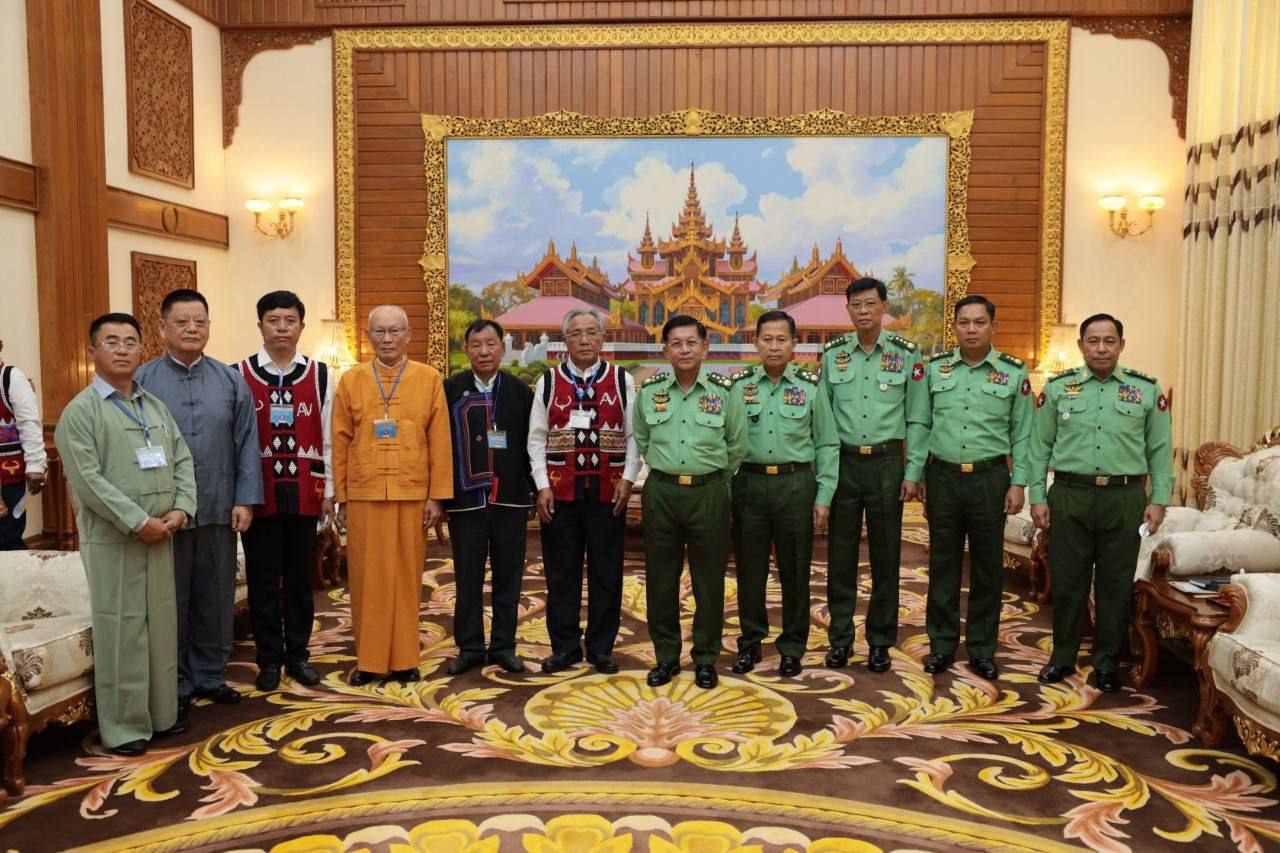
U Min Aung Hlaing meeting with leaders of armed groups during his tenure as Commander-in-Chief.
Current President U Min Aung Hlaing previously stated—during his tenure as Chairman of the State Security and Peace Commission—that the biggest challenge during periods of political instability is the potential for states to pursue secession.
Some EAOs have expressed intentions to achieve "Confederation" status, which goes beyond federalism, and have voiced readiness to establish independent nations should Myanmar collapse.
Under the 1947 Panglong Agreement, the Shan and Kayah States were granted the right to secede after ten years. Although this never materialized, it became a primary root of the ongoing conflict. Military and political analysts point out that the main reason ethnic groups are reluctant to sign non-secession agreements is a lack of trust in whether the Central Government or the Military will guarantee a genuine Federal Democracy.
Meanwhile, the "Wa" (UWSA) and "Mong La" (NDAA) regions, which have obtained self-administered status, frequently declare they will not secede from the Union.
Political analyst Dr. M. Kawn La told CNI News that if China allowed the "Wa" region to secede from Myanmar, it would damage China's international reputation. He noted that China is aware of similar issues in Tibet and Xinjiang, so it would not allow the "Wa" to break away. Furthermore, the "Wa" themselves have no need to secede because the opportunities they currently enjoy are satisfactory.
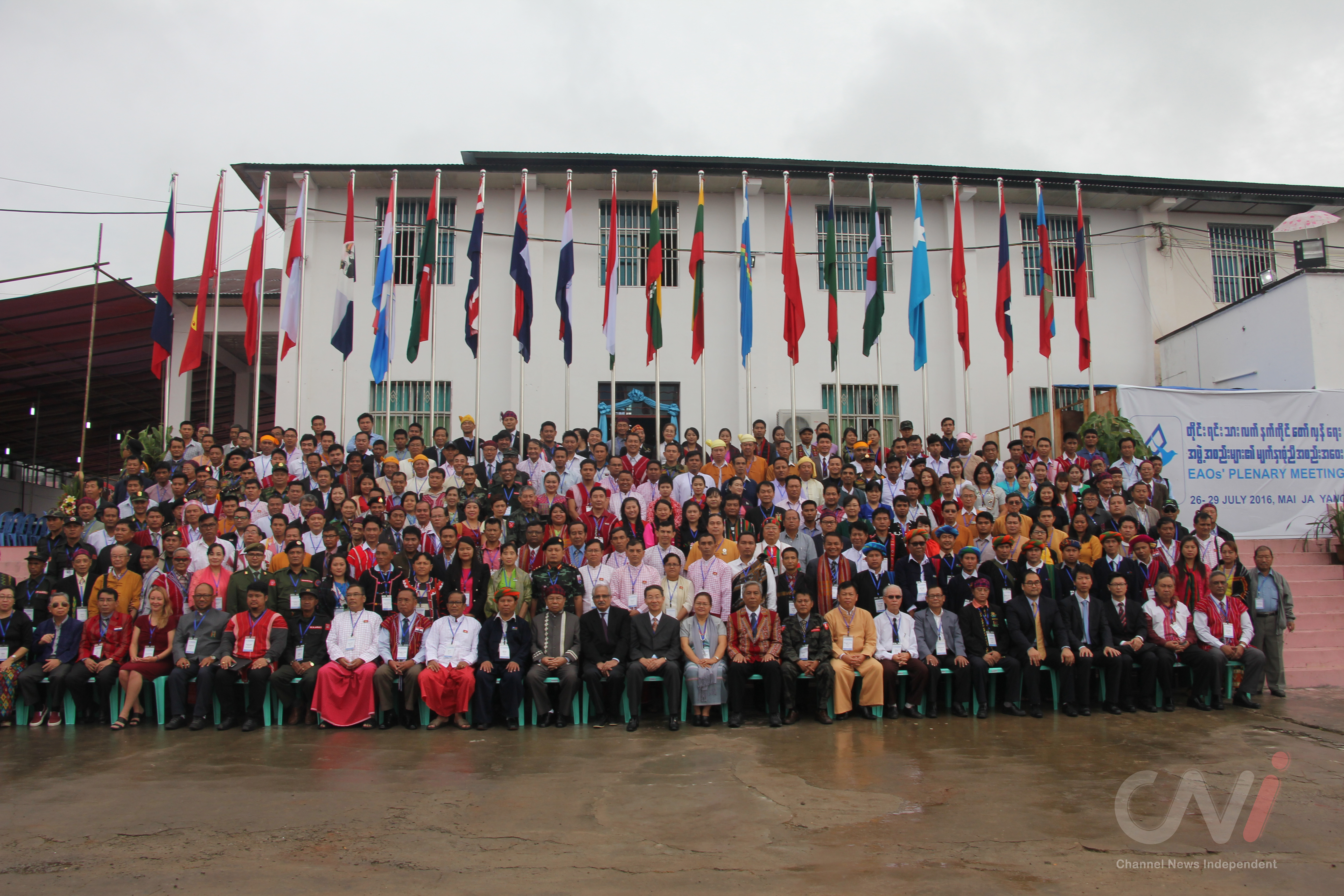
Attendees at an ethnic armed organizations' conference.
"They (the Wa) have received full self-autonomy. Frankly, it’s not even a federal model; it’s more of a confederation. However, it’s not a complete confederacy because foreign relations remain under the Union of Myanmar. But the currency system and the Central Government’s administration—specifically the Ministry of Home Affairs—cannot enter the Wa region. They function as a truly self-autonomous state, with only foreign affairs adapted to Myanmar," Dr. M. Kawn La explained.
He added, "Looking at the political system they have, they are satisfied and have no reason to secede. Seceding would only cause them more problems. China wouldn't allow it because it would look like they instigated it, which would hurt them diplomatically regarding Tibet and Xinjiang. The Wa themselves don't need to do it. The political opportunities they have are unlike any other region in the Union. Other ethnic groups should focus on achieving political results step-by-step by linking regional interests with national interests."
Analysts suggest that armed conflicts could be resolved if the following steps are taken: Drafting a federal constitution that offers guarantees and incentives so ethnic groups do not feel the need to secede. Building mutual trust through inclusive dialogues. Negotiating a Federal Army model that guarantees the security of ethnic people.
Furthermore, observers warn that discrimination by the government and military against ethnic groups, or a hesitation to grant them recognition, could prolong the war. Simultaneously, they noted that ethnic armed groups should only make demands that are fair and realistic.