
CNI News
April 23, 2026
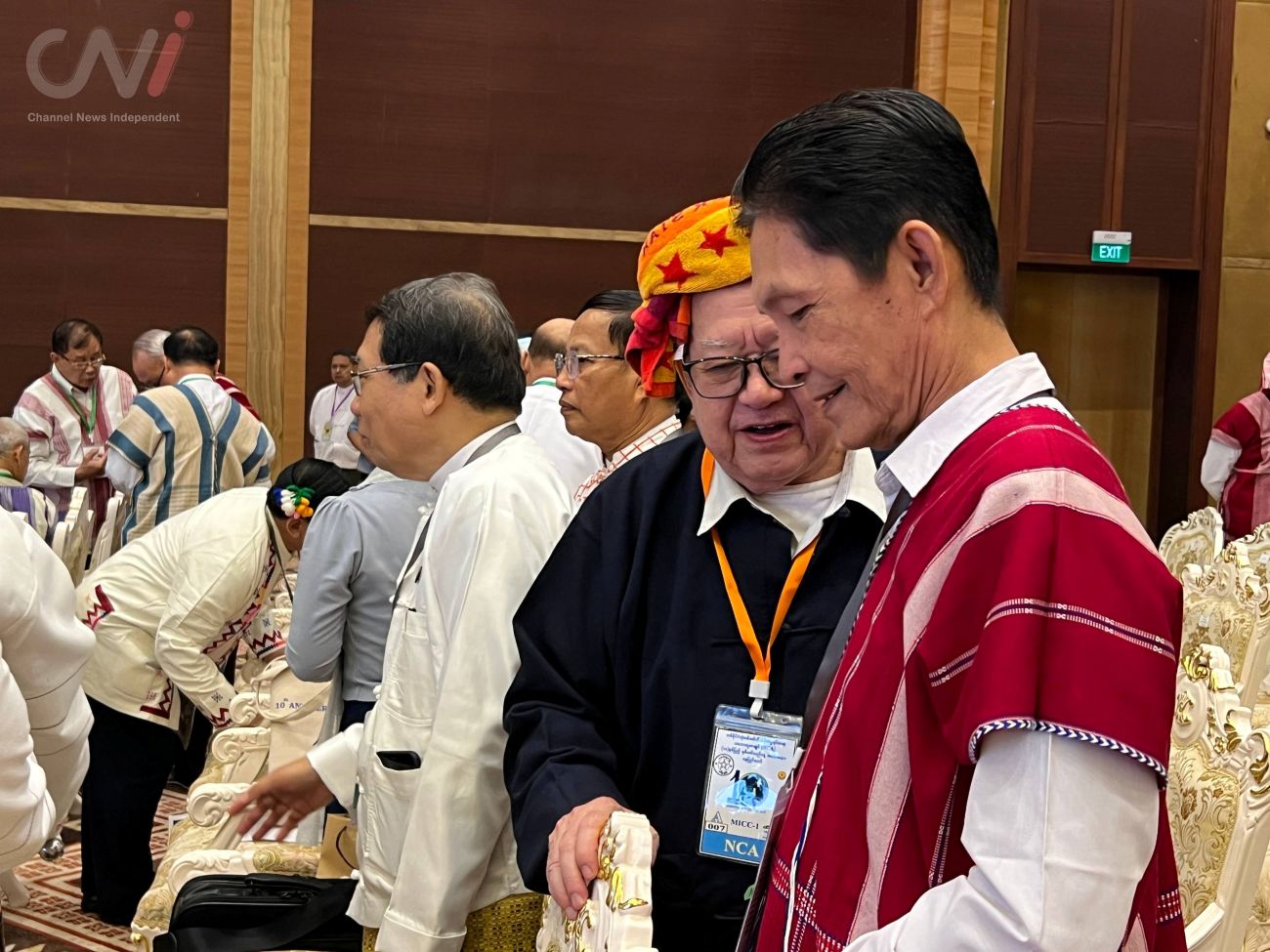
Colonel Khun Okkar, Chairman of the Pa-O National Liberation Organization (PNLO-NCA/S)—a signatory to the Nationwide Ceasefire Agreement (NCA)—told CNI News that the government in power from 2021 to 2025 needs to reflect on whether it fully implemented the agreements laid out in the NCA.
Following remarks from the government side urging groups not to focus solely on their own organizational survival, NCA signatory groups have countered by questioning whether the government itself has strictly adhered to and implemented the terms of the treaty.
Colonel Khun Okkar stated that the roadmap included in the NCA has stalled and interim arrangements have failed to materialize. He noted that if the NCA could be fully implemented, it would be highly satisfactory.
"There are interim arrangements included in the NCA. Since we haven't been allowed to exercise those rights, it is necessary to fully comply with the NCA's provisions. Currently, there is no full compliance with the existing stipulations. On the other hand, being told not to talk about organizational survival is one-sided, especially when the NCA signatories have plenty to say. One must ask: are all points in the NCA being strictly followed? Since this is a bilateral issue, details should be discussed later; however, setting agendas that exclude certain points or requests before a meeting even begins is a unilateral approach. Setting aside the demands, if the 33 points already agreed upon in the NCA could be implemented, it would be very good. Currently, even those signed and agreed-upon points cannot be fully realized. Therefore, I want to urge everyone to cooperate and collectively implement every point within the agreed-upon NCA," the Colonel said.
President U Min Aung Hlaing.
Colonel Khun Okkar further mentioned that based on the experiences of the last three to four years, NCA signatory groups have not received significant support, recognition, or the opportunity to access international assistance.
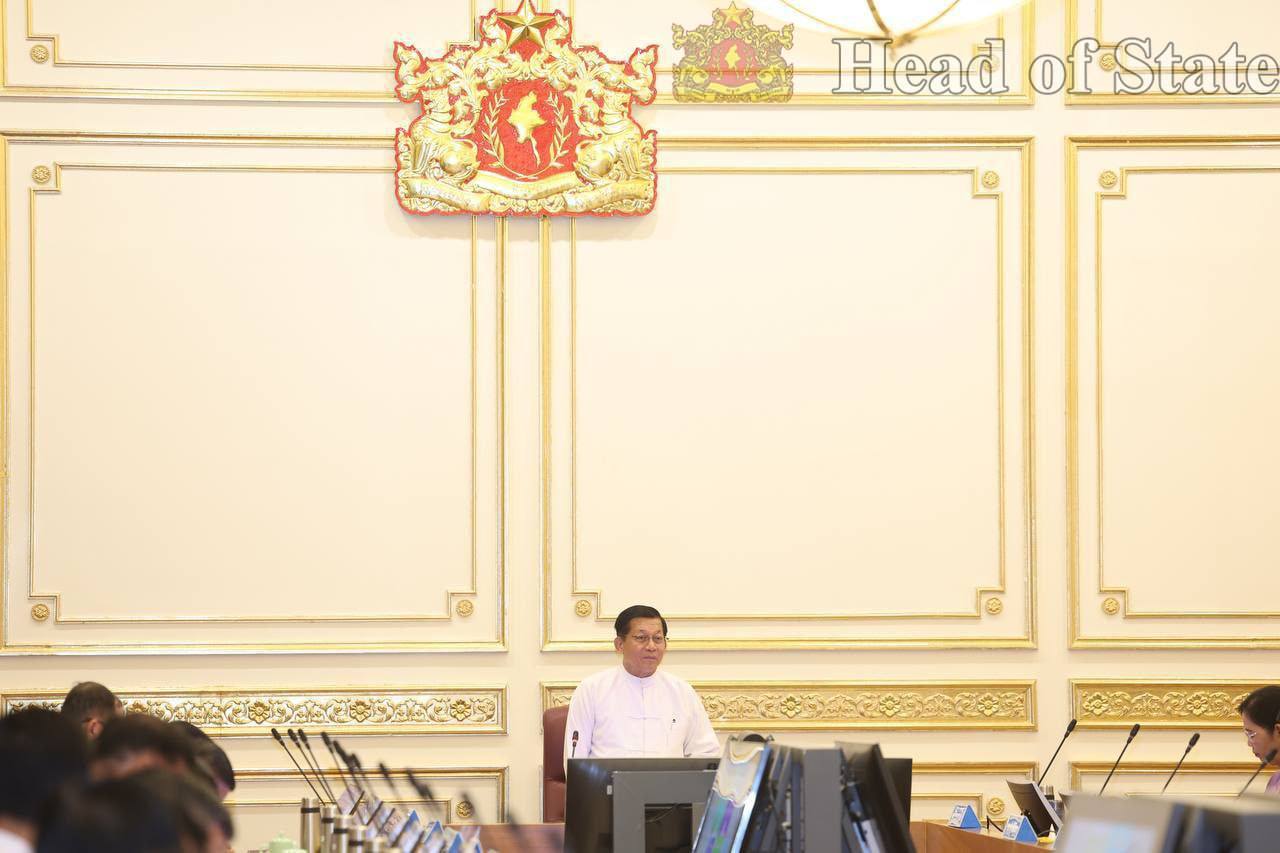
On April 20, 2026, during a Union Government meeting, President U Min Aung Hlaing stated that it would be a mistake if groups made impossible demands during peace negotiations simply to ensure their own organizational stability, and emphasized that the State must also perform its necessary duties.
Political analyst Dr. Aung Myo told CNI News that a separate provision should be made for organizations that have signed the NCA and truly haven't breached it—unlike the KNU.
"One of the main problems arises when these organizations try to raise funds for their survival. I understand there were efforts to clearly demarcate territories, but they haven't been implemented. This includes territory for their livelihood, government territory, and neutral zones where both sides can operate. Even if agreed upon, I hear implementation is lacking. This is a crucial task that must be done. You cannot treat those who signed the agreement the same as those who didn't. For those who signed and have truly not violated the terms—unlike the KNU—there should be a move to support their independent standing," he said.
Senior General Min Aung Hlaing with some leaders of NCA-signatory armed groups.
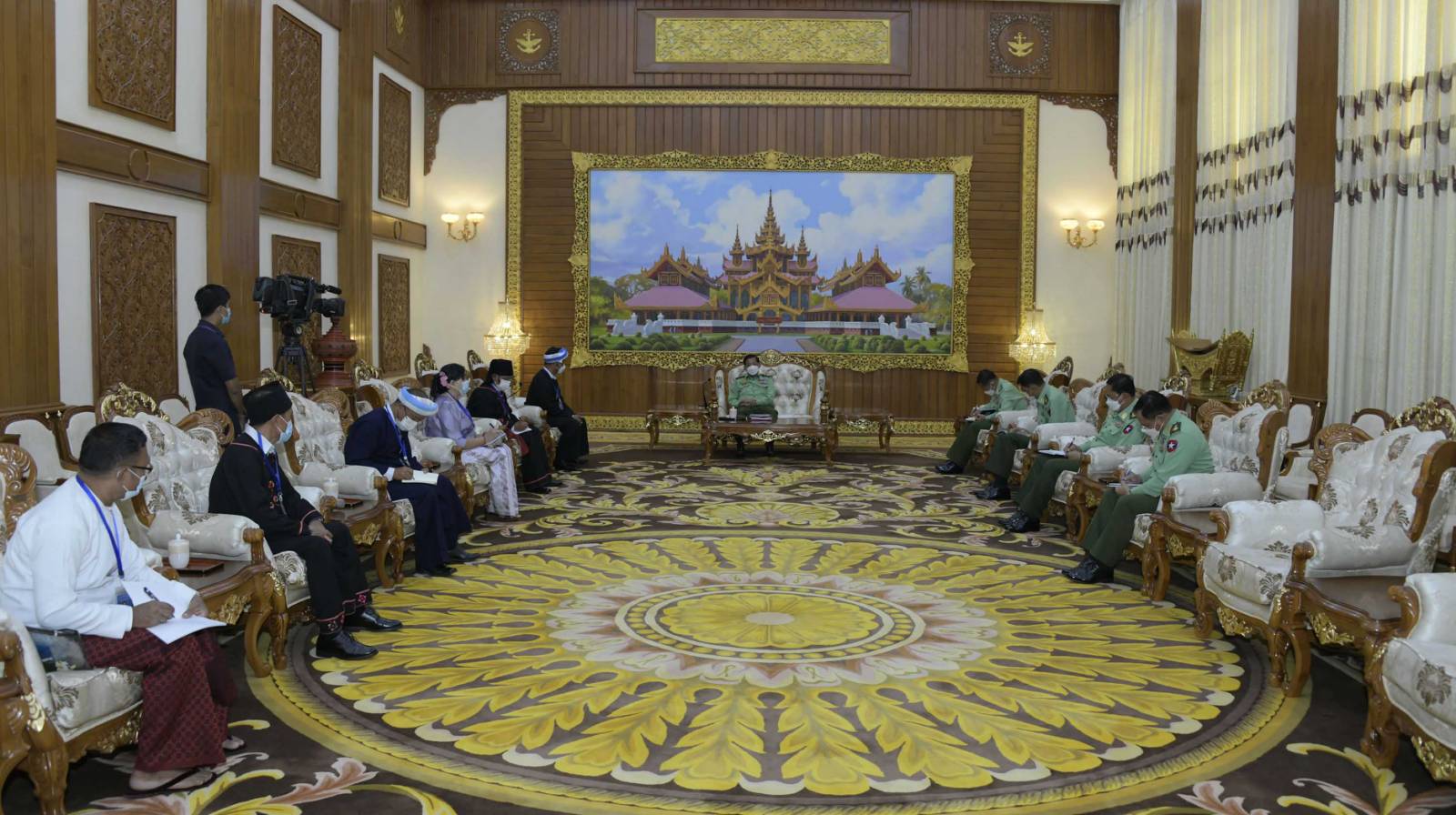
The Nationwide Ceasefire Agreement (NCA) was signed between the government and ethnic armed organizations (EAOs) in October 2015. The agreement includes provisions for a ceasefire, the holding of national-level political dialogues, and the convening of the Union Peace Conference to achieve genuine peace.
Following these steps, it was agreed to build a Union based on democracy and federalism in accordance with the outcomes of the Union Peace Conference. While the NCA was intended not just as a ceasefire but as a foundation for political reform, it is reported that there are currently significant challenges in implementing its provisions.