
CNI News
March 13, 2026
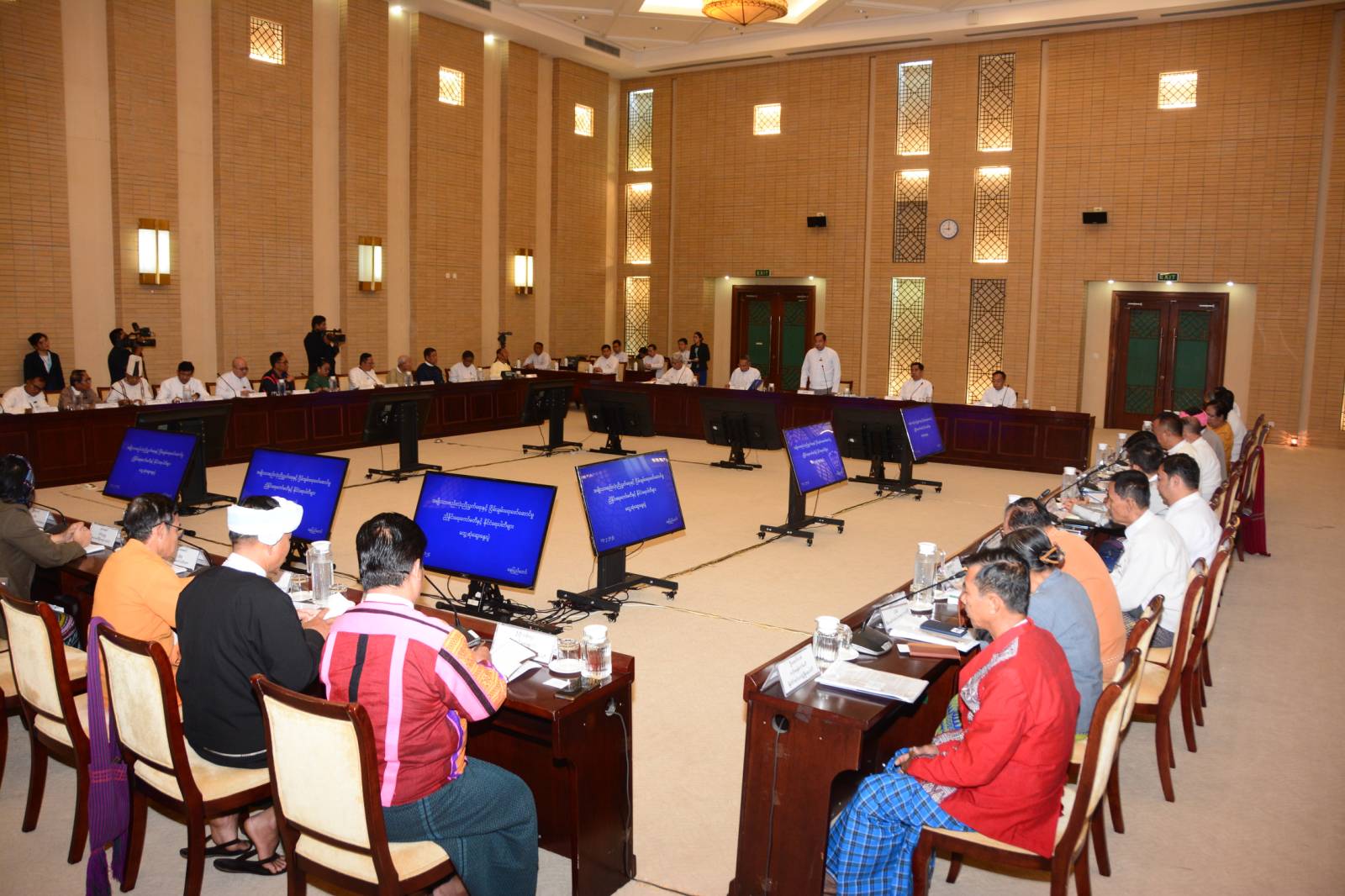
The 43 points agreed upon between the National Solidarity and Peacemaking Negotiation Committee (NSPNC) and political parties regarding amendments to the 2008 Constitution could be prioritized for discussion in the upcoming parliament(Hluttaw), according to Sai Htay Aung, chairman of the Tai-Leng (Shanni) Nationalities Development Party (TNDP).
He told CNI News that when those issues are discussed in parliament, there would likely be limited objections from military representatives. He also said there is a possibility that the 43 agreed points could be implemented within the next five years.
Sai Htay Aung said: “Rather than calling them demands, I see them as agreements that have already been reached. Regarding the constitution, these are points that the Tatmadaw has already agreed to. Therefore, when they are discussed in parliament, there will likely be fewer objections from military representatives. These should not be seen as demands but as matters that will be placed among the priorities. All 43 points have already been agreed to by the Tatmadaw. They will be resubmitted in parliament, and according to parliamentary procedures, they could lead to constitutional amendments. Once the amendment process begins, these 43 points will likely be among the priorities. I believe they can be implemented within five years because the Tatmadaw has already agreed to them. The members of parliament who attend will discuss them collectively and then make decisions.”
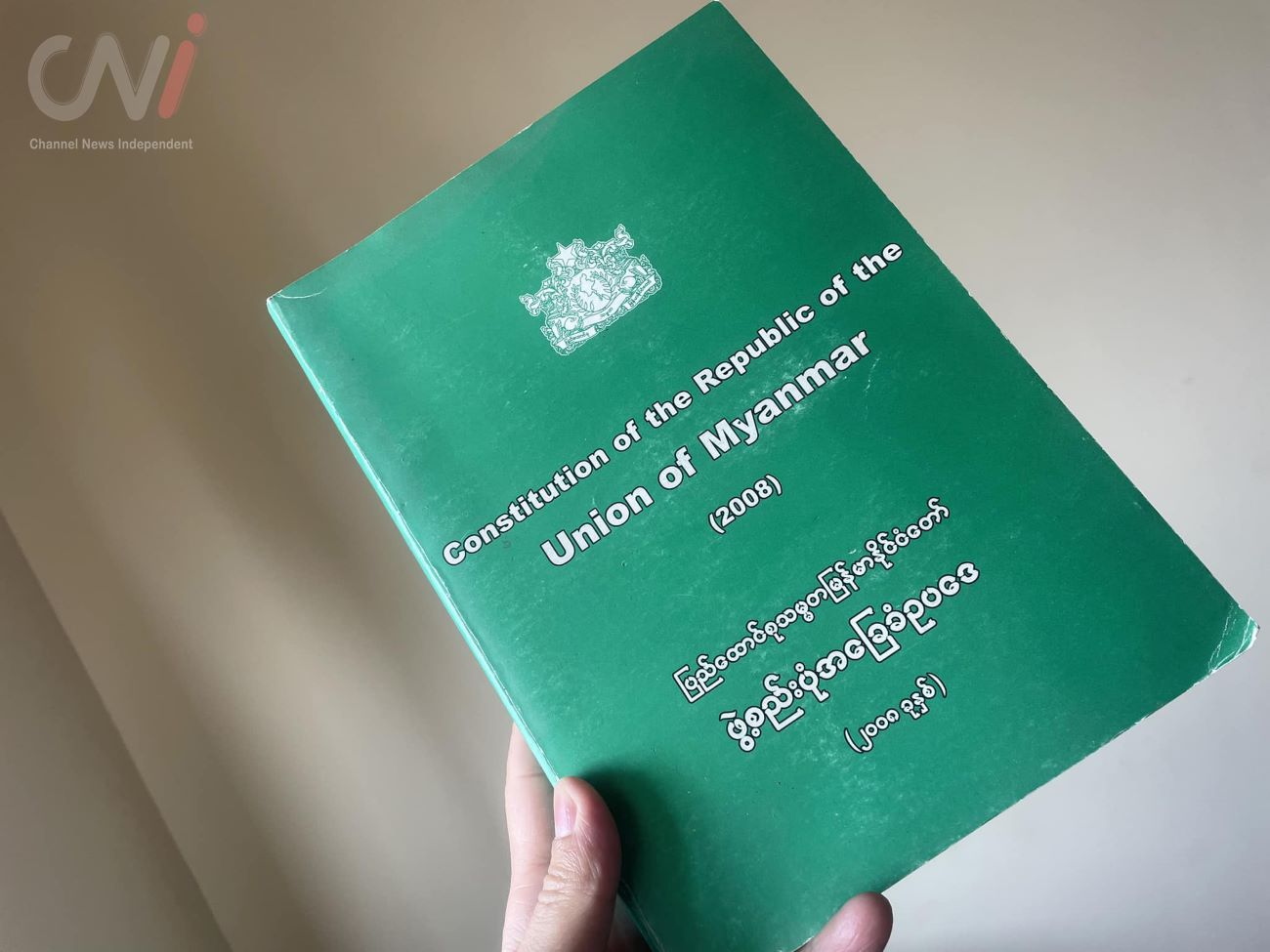
The 2008 Constitution of MyanmarThe 2008 Constitution of Myanmar
Senior General Min Aung Hlaing also said that the demands of ethnic armed organizations (EAOs), constitutional amendment issues, and agreements and discussions necessary for the regions and the country would be revisited and discussed in the upcoming parliament.
He made the remarks on March 10, 2026, during an event reviewing the government's efforts to promote national development between 2021 and 2025.
He said: “We were able to thoroughly discuss the demands of ethnic armed organizations, matters related to amending the 2008 Constitution, and issues that are genuinely necessary and appropriate for the regions and the country. The points that were discussed will be presented and debated in the upcoming parliament, and further actions will be carried out in accordance with parliamentary decisions.”
U Li Paw Reh, chairman of the Lisu National Development Party (Dulei Party), told CNI News that if those discussions are rejected in parliament, the government, ethnic armed groups, and political parties would need to renegotiate them to produce points that parliament could approve.
He said: “The agreements currently reached between political parties and the Tatmadaw (through the NSPNC) appear incomplete, because EAOs are not included, and parliament has not yet been involved. Therefore, the parliamentary side will discuss them independently. There could be rejections because that is how parliamentary procedures work. Since not all parties under the NCA are included, parliament could reject or debate them. They would not take effect without parliamentary approval. What I mean is that if we strictly follow the NCA process, parliament should not reject them but only approve them. According to the NCA, another Union Peace Forum should be convened, bringing together EAOs, political parties, and experts. Now that a parliament and a government will be formed, these issues should be discussed again comprehensively. If there are objections, the points that can gain parliamentary approval will need to be revised through further discussions.”
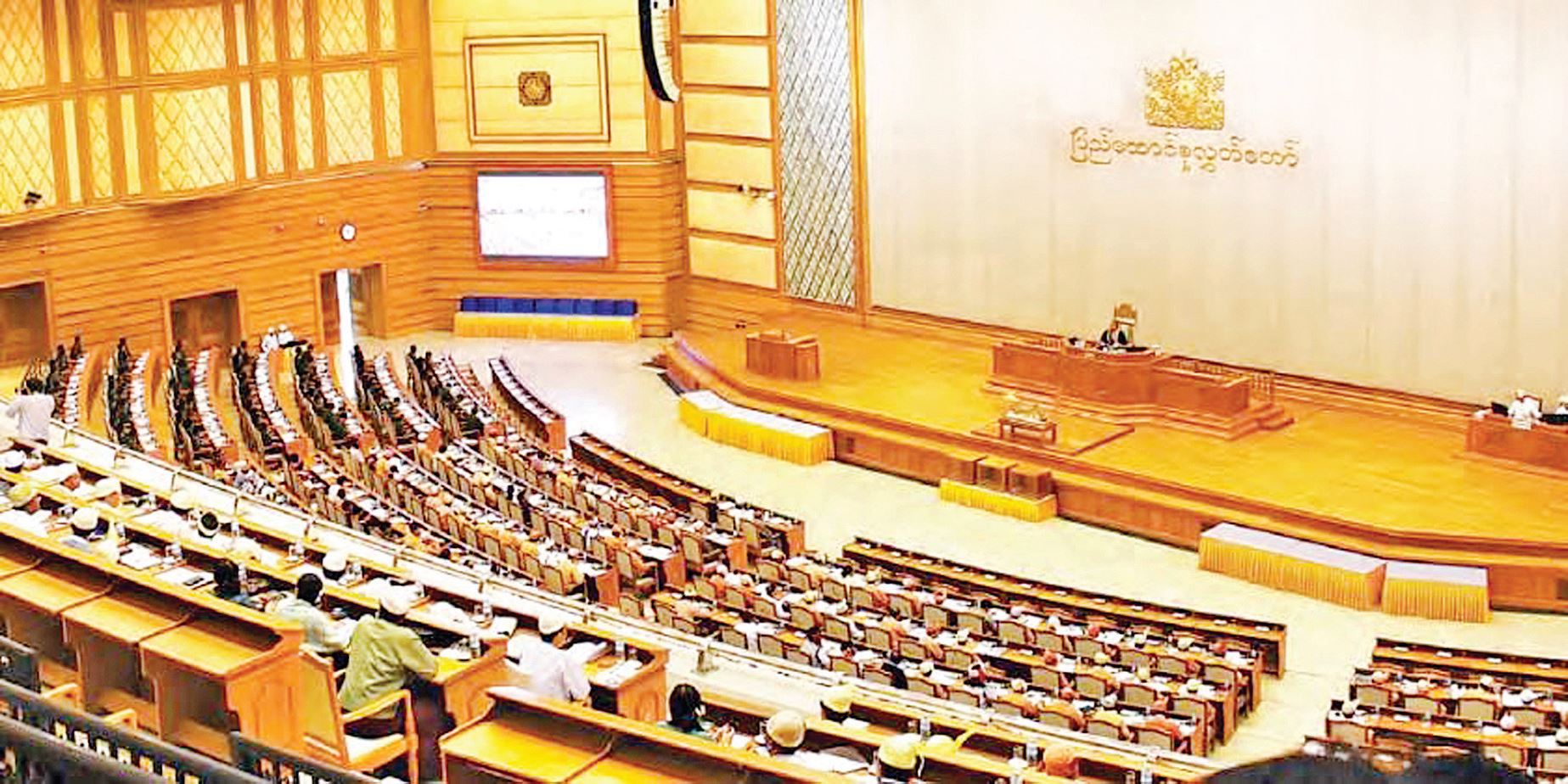
A previous Hluttaw session
Myanmar held its 2025 general election in three phases from December 28, 2025, to January 25, 2026.
The third-term sessions of the Pyithu Hluttaw (Lower House) and Amyotha Hluttaw (Upper House) are scheduled to convene on March 16 and March 18, 2026, respectively, and a new government will be formed in April.
During discussions between the NSPNC and political parties in January 2025 on constitutional amendments, agreements were reportedly reached on several points, including 10 points related to Chapter 1 of the Constitution, 7 points related to legislative matters, 3 points concerning state leaders, and about 10 points related to administrative matters.
During the 2020 parliamentary term, the National League for Democracy (NLD) proposed amendments to nearly the entire 2008 Constitution. However, the amendments failed because constitutional changes require the support of more than 75 percent of parliamentary representatives.
Political and military analysts have pointed out that Myanmar needs to revise and draft a constitution that aligns with the modern technological era, the evolving thinking of younger generations, geopolitical conditions in neighboring countries, and the country’s socio-economic situation.