
CNI News
March 5, 2026
As political dialogues take place in Myanmar between the government, the military, political parties, and ethnic armed organizations, military and political analysts are questioning whether the agreements reached during these sessions should be transparently disclosed to the public.
Since February 1, 2021, the armed conflict in Myanmar has expanded significantly, leading to a proliferation of armed groups. Amidst this political and military turmoil, civilians have been forced to abandon their homes and property, fleeing to safer areas while facing constant life-threatening risks.
Political analyst Dr. An Kaw La told CNI News that political and peace talks must be based on the people's desire and agreements reached between the government organizations and armed groups must be rediscussed among the people.
"It is a fact that the process must ultimately go through the people. The public must be informed of certain data. However, the negotiation style is different. Detailed negotiations must initially follow a top-down approach at the expert level. For instance, ethnic groups have their own intellectuals, experts, and influencers. When the mainland calls for talks, they should speak at that top-level first. Once preliminary agreements are reached, the process should transition into public discussions. There are steps to this.
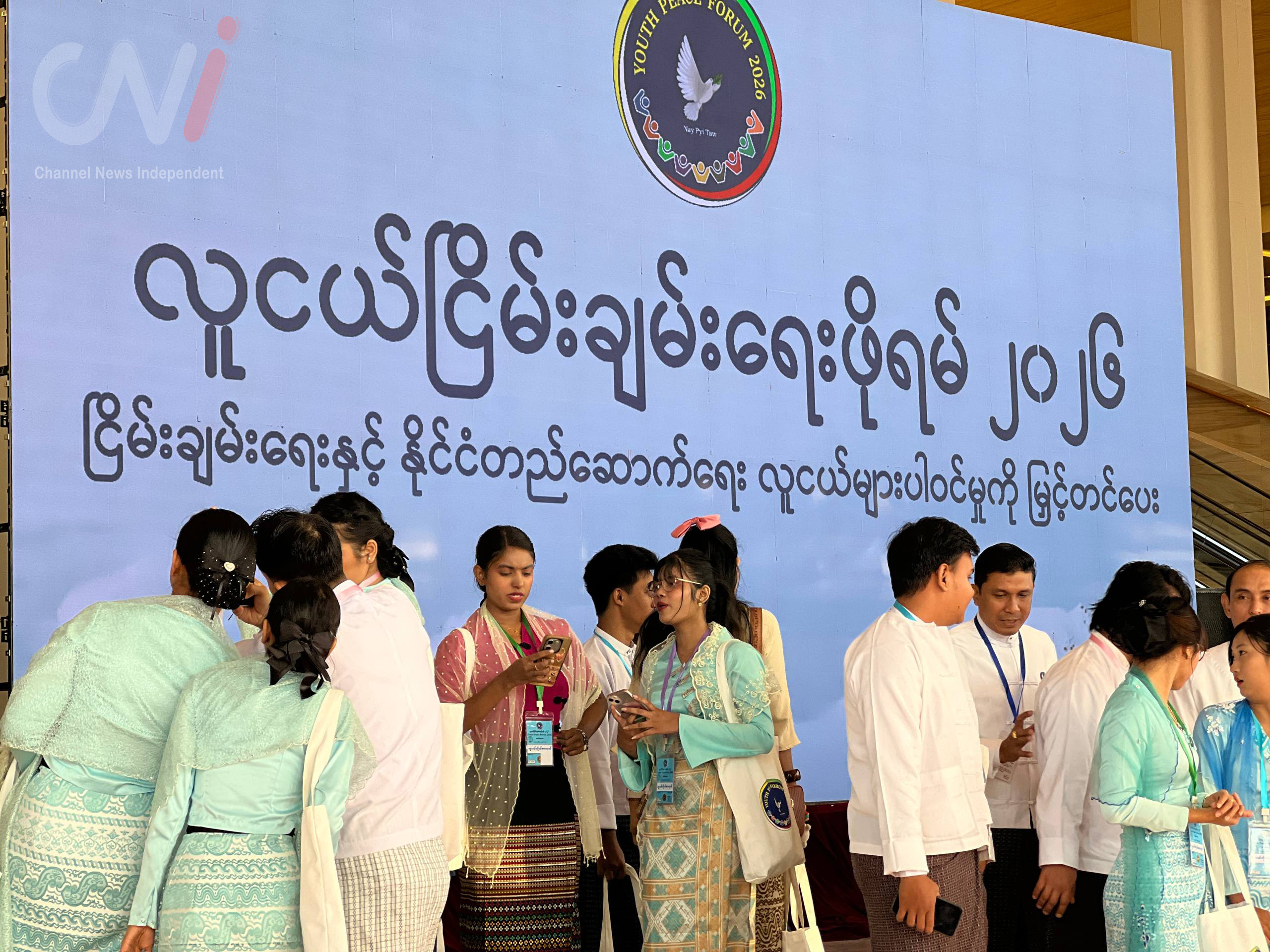
A Youth Peace Forum in progress.
In my view, experts should talk first to reach a draft agreement, and then bring it to the public to gain support. This is similar to a Law Referendum. If information is disclosed prematurely, it can be problematic because public awareness levels vary. Often, negotiations fail because groups with different levels of understanding intervene and disrupt them. Some people struggle with daily survival and may not have the capacity to process complex messages immediately. This needs to be carefully coordinated."
Military and political observers point out that in Myanmar, peace processes and political talks are traditionally kept secret. When disputes arise between groups, they often resort to mutual accusations of breaking agreements. Analysts argue that instead of dragging the public into conflicts to gain a tactical advantage, the public should be informed to foster a constructive path forward.
U Khun Sai, a participant in the peace process, emphasized to CNI News that disclosing essential details from peace talks to the public is absolutely vital.
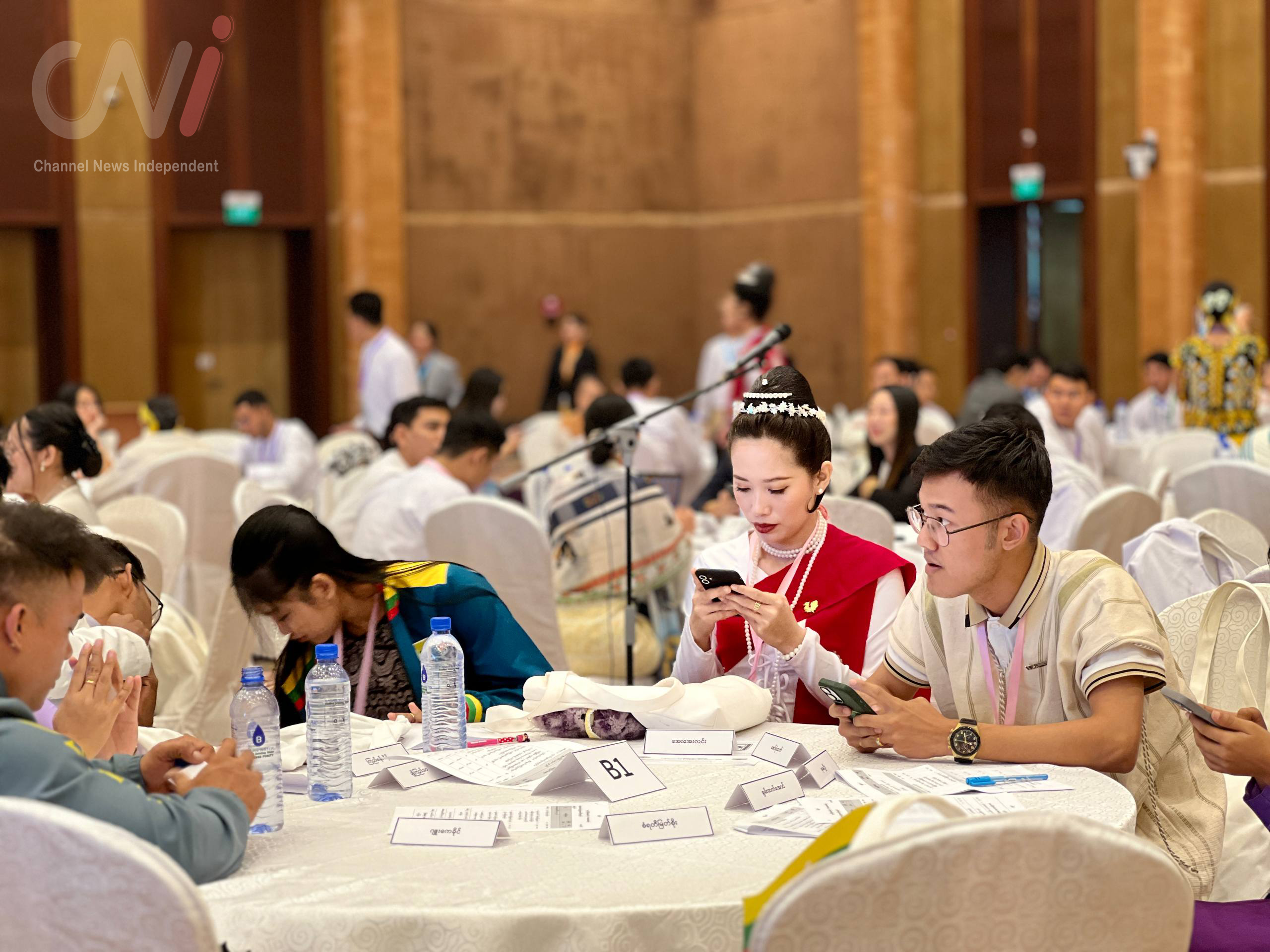
A Youth Peace Forum in progress.
"Informing the public is essential. We did this during the NCA (Nationwide Ceasefire Agreement) negotiations. As far as I know, the KNU, RCSS, and SSPP all conducted public consultations. The public shouldn't just be listeners; they should have the opportunity to offer suggestions. However, the authorities in Naypyidaw often viewed these public engagements with suspicion, fearing they were being used for recruitment rather than peace advocacy, which led to interference and blockades. We must work to prevent such patterns from repeating."
Myanmar’s 2025 General Election was held in three phases from December 28, 2025, to January 25, 2026. Following this:
The Third Pyithu Hluttaw (House of Representatives) and Amyotha Hluttaw (House of Nationalities) sessions are scheduled for March 16 and 18, 2026.
A new government is expected to be formed in April 2026.
Analysts suggest that once a civilian government emerges, a new wave of peace negotiations between ethnic armed organizations and the Myanmar military is likely to follow.